
11 Foods Hospital Kitchen Staff Wish Patients Would Stop Ordering
Hospital food isn’t meant to feel indulgent; it’s designed around recovery, tolerance, and predictability. Kitchen staff plan menus with digestion, medication timing, and highly varied patient needs in mind. Still, some foods are ordered repeatedly because they sound familiar or comforting, not because they work well in a medical setting. These items are often the ones most likely to come back untouched, cause stomach discomfort, or slow recovery. Staff frustration usually isn’t about preference, but about watching patients choose foods that work against how fragile the body can be during healing.
Plain Dry Toast

Plain dry toast feels like the safest possible hospital order, which is exactly why it disappoints so often. Without butter, spreads, or moisture, it cools quickly and becomes difficult to swallow, especially for patients dealing with dehydration, medication side effects, or low saliva production. What looks gentle on the menu often feels scratchy and effortful in reality. Kitchen staff frequently retrieve trays where the toast is barely touched, not because patients disliked the idea, but because the texture made eating feel like work rather than comfort.
Cold Deli Sandwiches
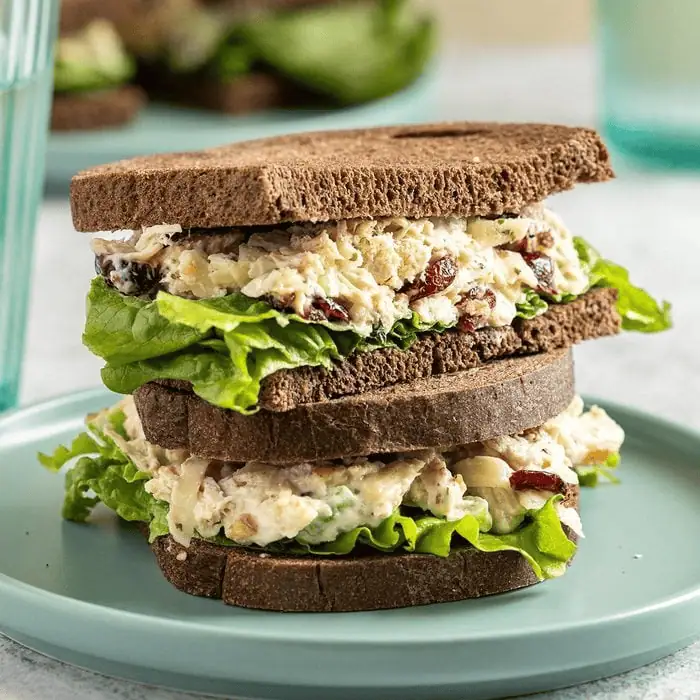
Cold deli sandwiches are commonly ordered by patients or caregivers who want something simple and familiar. In practice, they’re one of the least successful meals. Bread dries out quickly, and chilled fillings mute flavor and aroma, which matters when appetite is already low. Patients often take one bite and stop, especially if taste perception is dulled or chewing feels tiring. Hospital staff note these sandwiches are returned half-eaten more than expected, creating waste from meals chosen for safety rather than actual comfort.
Scrambled Eggs
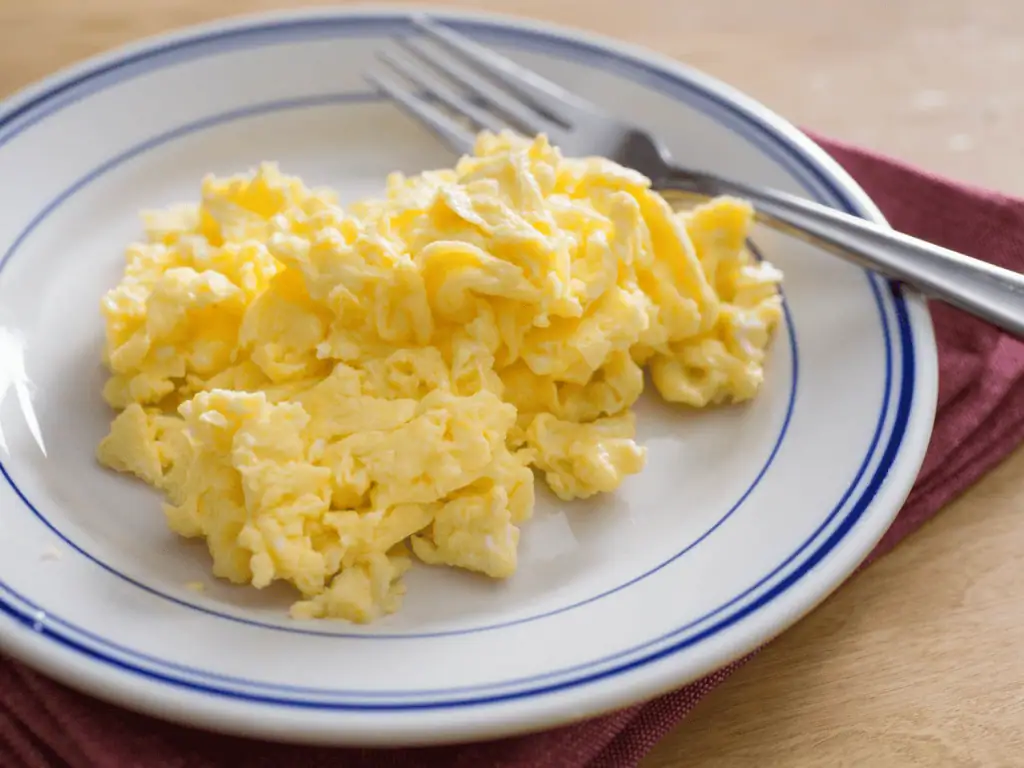
Scrambled eggs seem ideal for recovery, soft, familiar, and easy to eat but they rarely survive hospital delivery well. Eggs lose their ideal texture quickly once removed from heat. By the time they reach a patient’s room, they’re often rubbery, watery, or oddly spongy. Patients expecting something comforting are put off by the texture after a few bites. Kitchen staff say scrambled eggs are one of the most frequently abandoned breakfast items, not because people dislike eggs, but because timing works against them.
Oatmeal
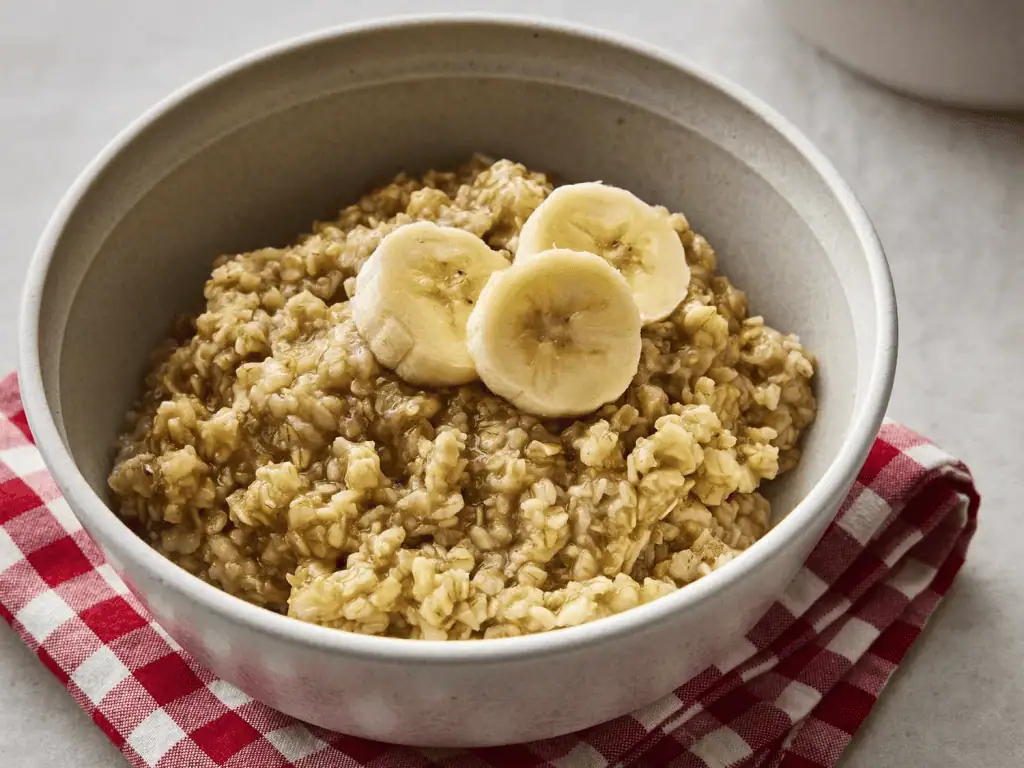
Oatmeal sounds warm, soothing, and easy on the stomach, which makes it a popular hospital order. The problem is timing. As oatmeal sits, it continues to absorb liquid and thickens into a dense, gluey paste. By the time it’s eaten, it can feel heavy and difficult to swallow. Patients often expect something soft and spoonable but end up leaving most of it untouched. Staff report oatmeal coming back half-full far more often than people realize, despite its comforting reputation.
Clear Broth or Thin Soups
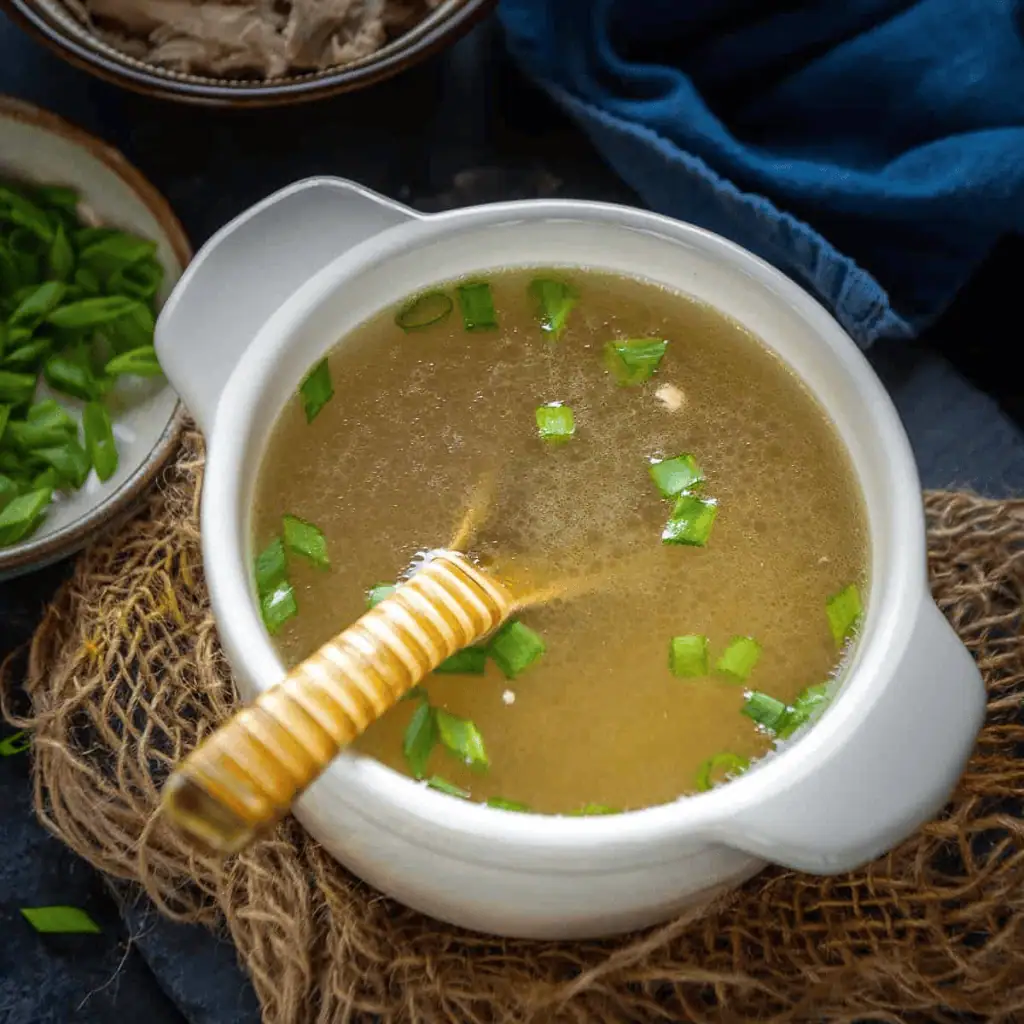
Clear broth is one of the most common post-procedure orders because it sounds gentle and reassuring. In practice, hospital versions often disappoint. By the time they reach the room, the broth may have lost heat and aroma, leaving behind a thin, watery flavor that feels more empty than comforting. Patients expect warmth and relief but instead feel unsatisfied, sometimes even more aware of hunger. Staff frequently see these soups returned untouched, not because they’re inappropriate medically, but because they fail to deliver the comfort patients imagine.
Flavored Yogurt

Flavored yogurt seems like a safe, nourishing choice, but it often proves less tolerable than expected. Many varieties are surprisingly sweet or acidic, which can clash with sensitive stomachs or heightened nausea from medication. Patients often start with good intentions, then stop after a few spoonfuls when the flavor becomes overwhelming. Kitchen staff notice flavored yogurt is rarely finished during recovery phases. Plain or lightly sweetened options tend to work better, while flavored versions promise comfort but deliver sensory fatigue instead.
Large Portions of “Light” Foods
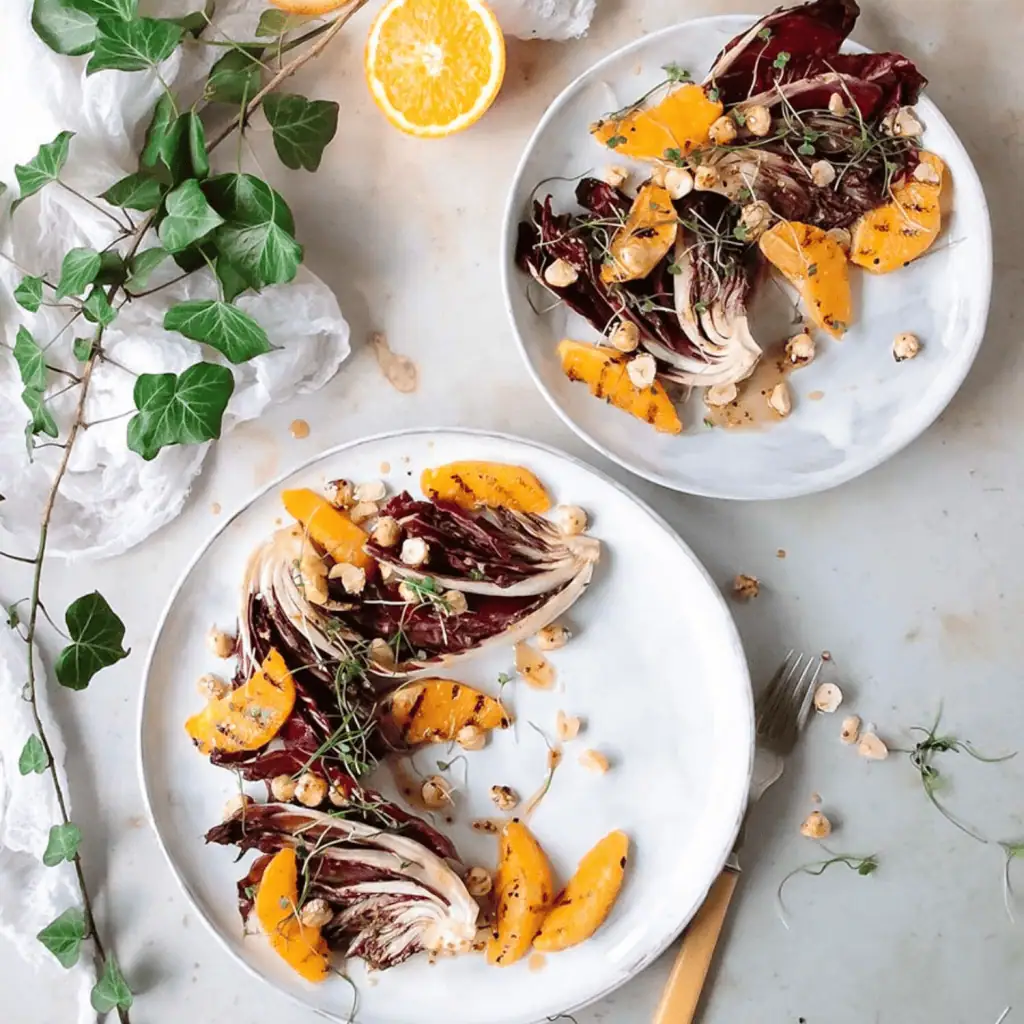
Foods labeled “light” feel safe, which leads many patients to order full portions of rice, pasta, or soft casseroles. The issue isn’t the food itself; it’s the volume. Appetite during recovery is unpredictable, and large servings can feel intimidating or exhausting to face. Staff consistently note that these meals come back half-eaten, even when the food is well prepared. Smaller portions are far more likely to be finished and enjoyed, supporting recovery better than plates that feel overwhelming from the start.
Dry Crackers as a Meal
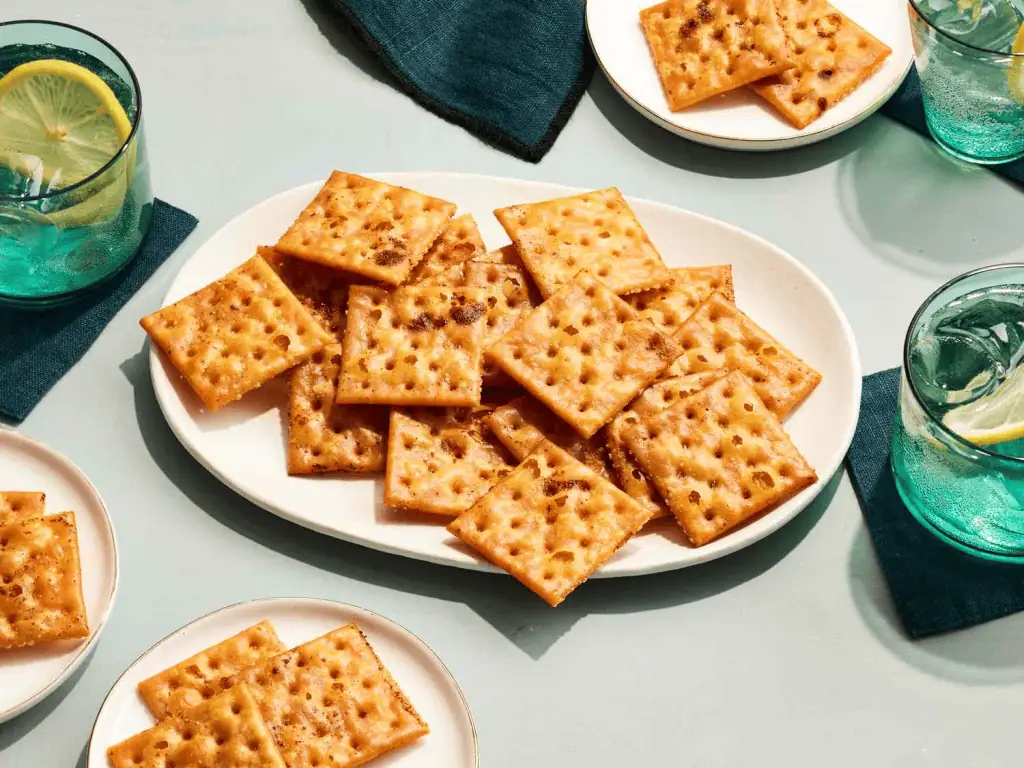
Dry crackers are frequently ordered for nausea because they feel neutral and “safe,” but on their own they rarely work as a meal. Without moisture or protein, they can actually feel dehydrating and unsatisfying, especially for patients already struggling with dry mouth or low appetite. Many patients expect crackers to settle their stomach, only to find they can’t manage more than a few bites before losing interest. Staff often see unopened packets returned on trays, not because crackers are wrong medically, but because they don’t provide enough comfort or sustenance to be useful on their own.
Cold Salads
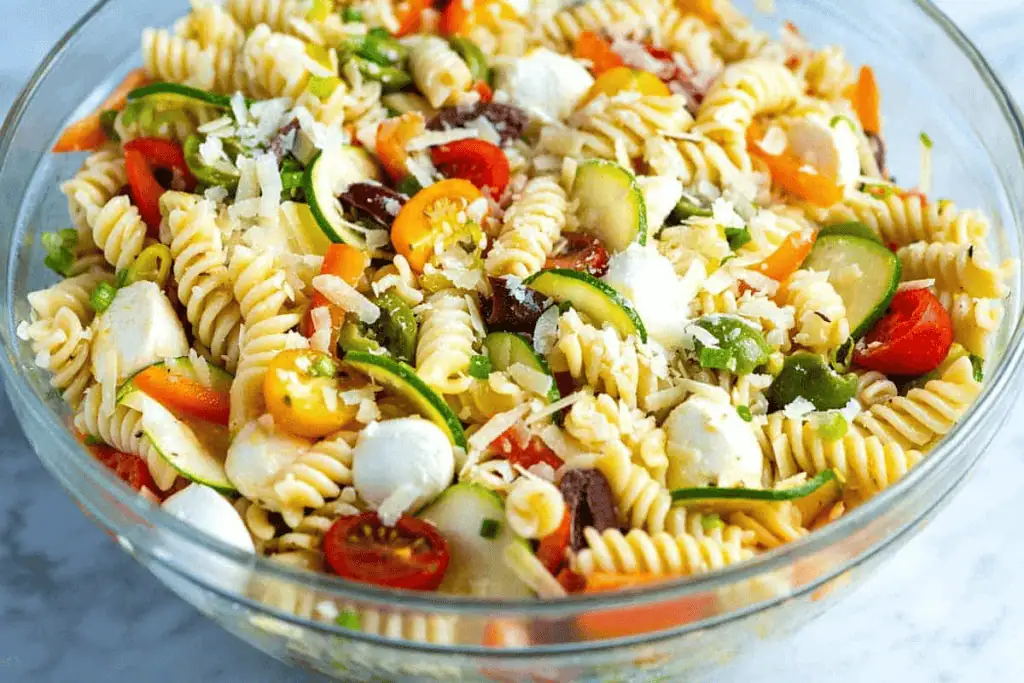
Cold salads sound healthy and light, which makes them appealing on hospital menus. In reality, raw vegetables can be difficult to digest after procedures or while on certain medications. The cold temperature, crunchy textures, and lack of moisture often reduce appetite instead of supporting it. Patients frequently take a few bites and stop, especially when taste sensitivity or nausea is present. Kitchen staff note that salad trays often come back nearly untouched, creating waste from meals chosen with good intentions but poor timing for recovery.
Very Sweet Desserts

Pudding, gelatin, and cakes are commonly ordered for comfort, especially when patients want something familiar or emotionally soothing. The problem is intensity. Excess sweetness can quickly become overwhelming during recovery, triggering nausea or appetite loss rather than pleasure. Many patients crave dessert in theory, then lose interest after a few spoonfuls. Staff regularly collect trays with desserts barely touched. While sweetness feels reassuring on the menu, in practice it often clashes with sensitive stomachs and reduced tolerance during healing.
Multiple Items Ordered “Just in Case”
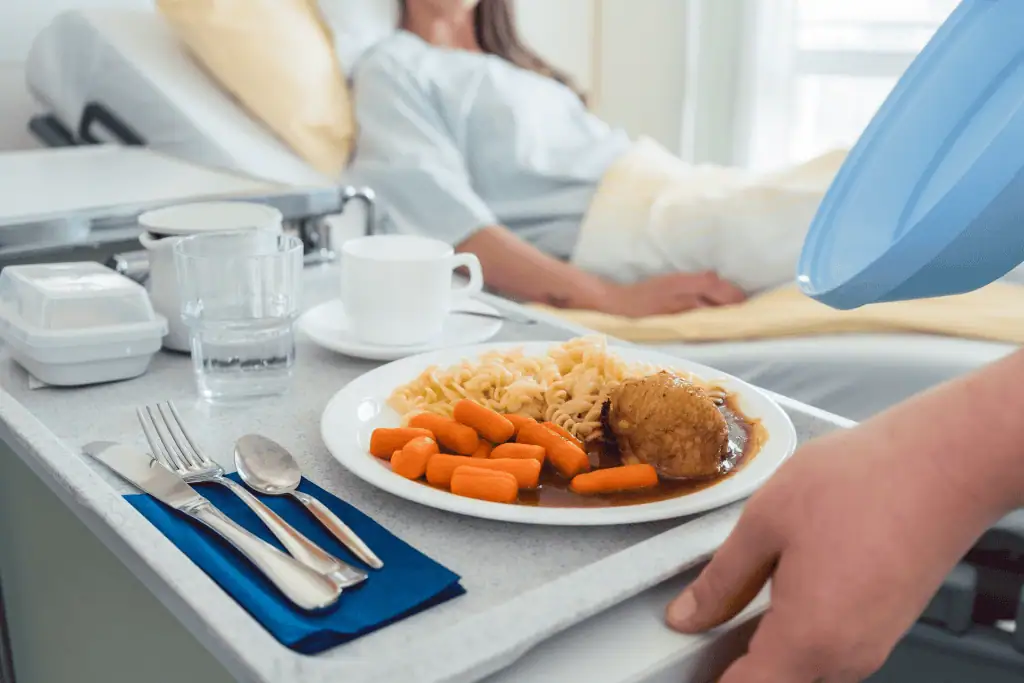
Patients and caregivers sometimes order several items at once, unsure what will be easiest to eat. While understandable, this often backfires. Appetite during recovery is unpredictable, and seeing a crowded tray can feel overwhelming. Staff frequently find multiple untouched items returned, creating frustration and waste. Smaller, simpler orders are far more likely to be finished and enjoyed. Kitchen teams note that choosing one or two manageable items usually leads to better intake than over-ordering in an attempt to cover every possibility.
