
Do You Remember These 10 Weird Food Trends From the 2000s Because I Almost Did Not
The 2000s were a strange and wonderful time to be hungry. It was a decade that gave us green ketchup, bacon-infused everything, and a low-carb craze so intense that restaurants started serving burgers wrapped in lettuce. Style often won out over substance, and the results were unforgettable, even if some of them are better left in the past.
Looking back, these trends tell a story about a culture obsessed with novelty and quick fixes. Cupcakes became a status symbol. Energy drinks promised superhuman stamina. Supersized portions dominated restaurant menus. Some of these fads faded quickly, while others left a lasting mark on how we eat today. Whether you remember these trends with fondness or a cringe, they capture a quirky chapter in food history. Let’s revisit the flavors and fads that defined the early 2000s.
Low-Carb Everything
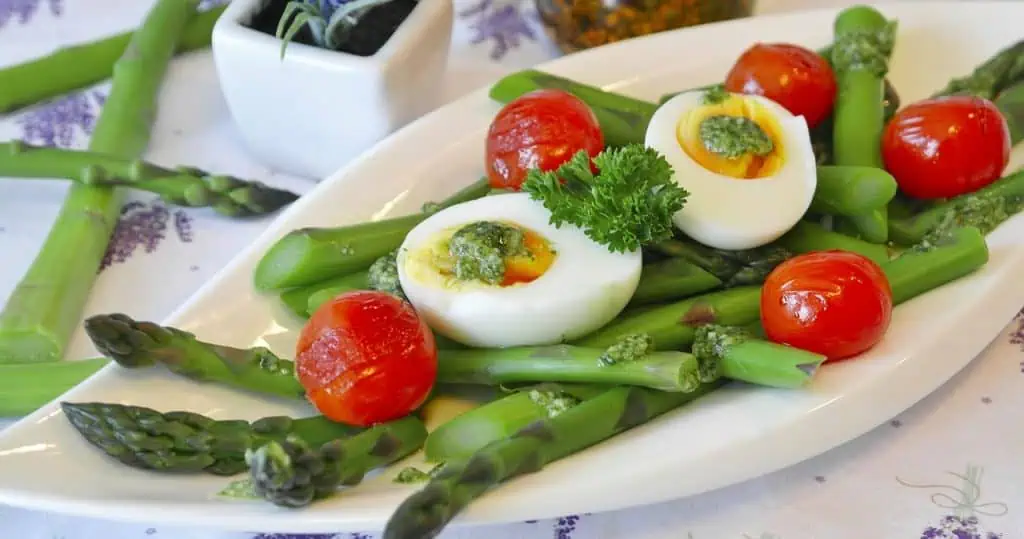
The Atkins craze in the early 2000s had people ditching bread, pasta, and even fruit. Restaurants rolled out bunless burgers, carb-free wraps, and “low-carb” versions of nearly everything. At the same time, it promised quick weight loss, but the trend eventually faded, reshaping menus across the country.
Colored Ketchup
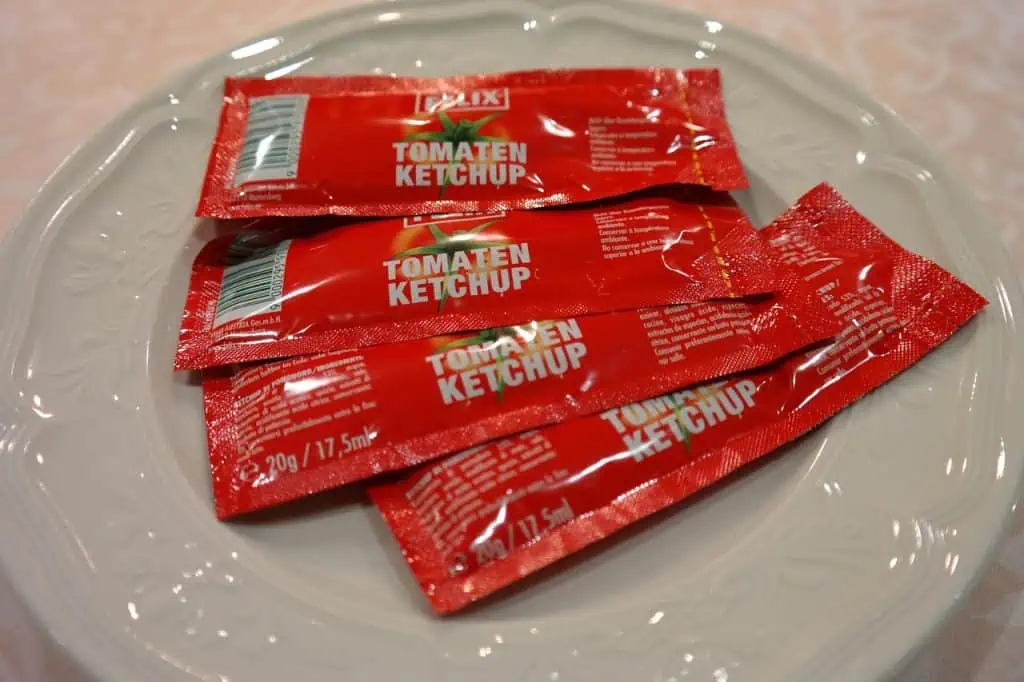
Heinz shocked shoppers in 2000 when it released ketchup in funky shades like green, purple, and even blue. Marketed to kids, the novelty sparked curiosity but often ended in disappointment at the dinner table. By 2006, sales fizzled, and regular red ketchup reclaimed its spot.
Snack Wraps
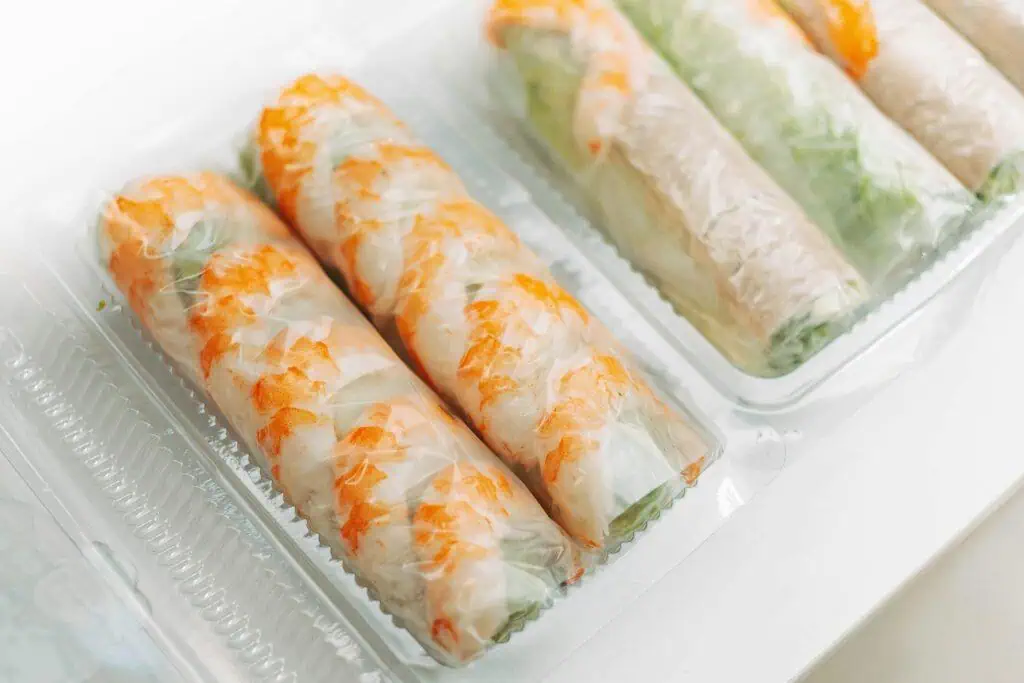
McDonald’s launched snack wraps in 2006 as a smaller, handheld option. Stuffed with chicken, lettuce, and cheese in a tortilla, they became popular with teens and busy professionals. Despite their initial success, snack wraps were eventually discontinued, leaving fans nostalgic for the simple fast-food staple.
Energy Drinks Everywhere
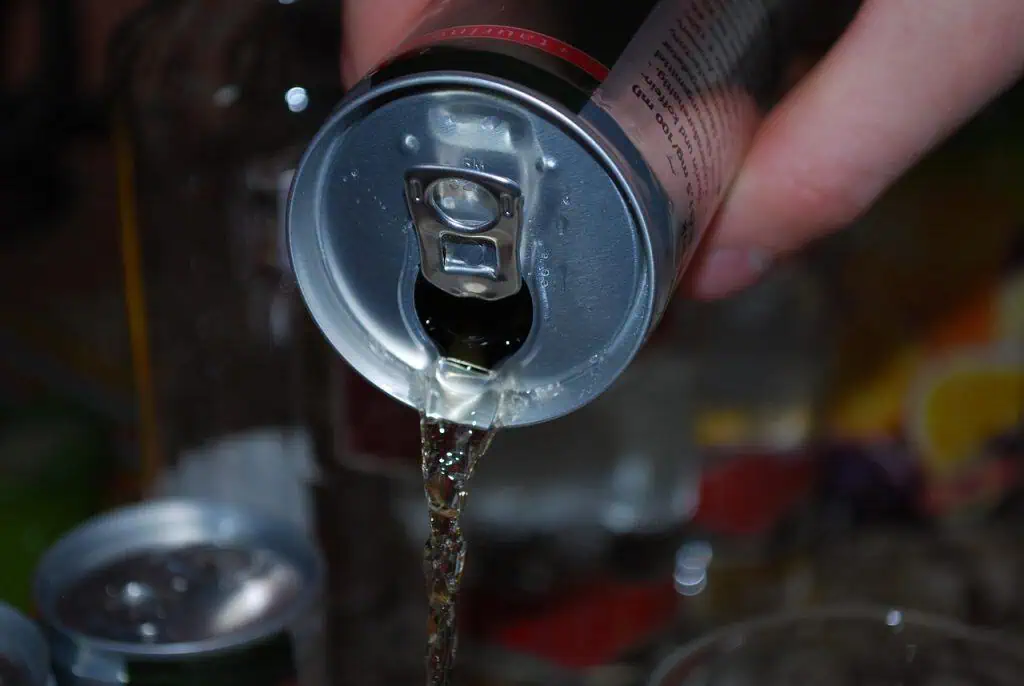
The early 2000s saw an explosion of energy drinks like Red Bull, Monster, and Rockstar. They promised instant stamina, fueling late-night study sessions and parties. Often criticized for their sugar and caffeine levels, they represented the decade’s obsession with quick fixes and high energy.
Cupcake Craze
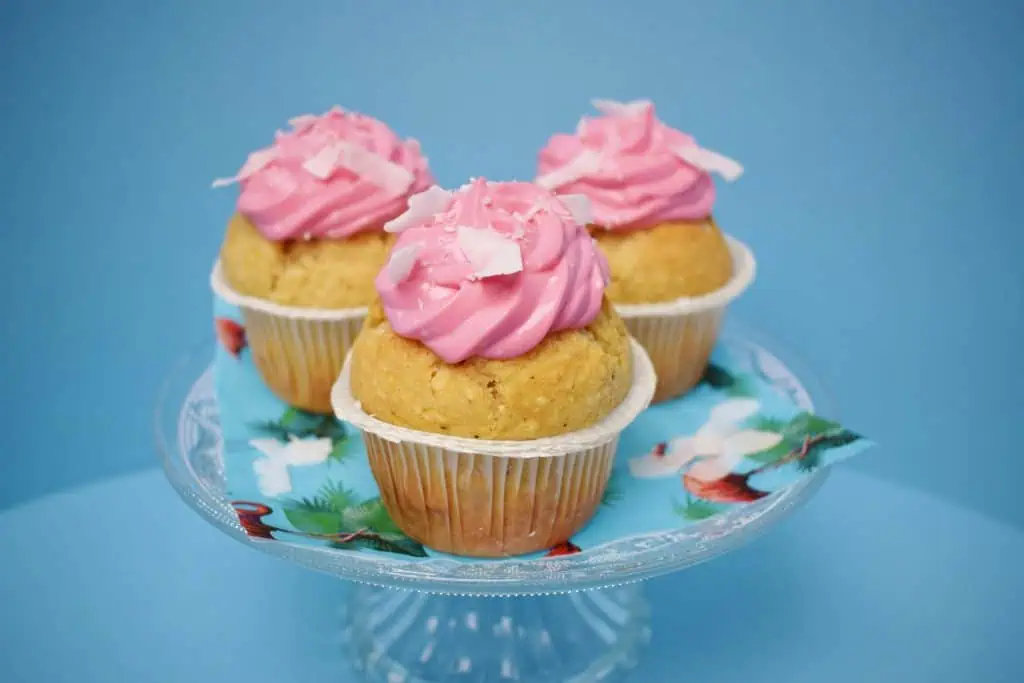
Thanks to shows like Sex and the City and boutique bakeries, cupcakes became the ultimate trendy dessert. Gourmet cupcake shops popped up everywhere, offering elaborate flavors and decorations. By the mid-2010s, the craze cooled, but it left behind a lasting love for personalized, single-serving sweets.
Crystal Pepsi Comeback
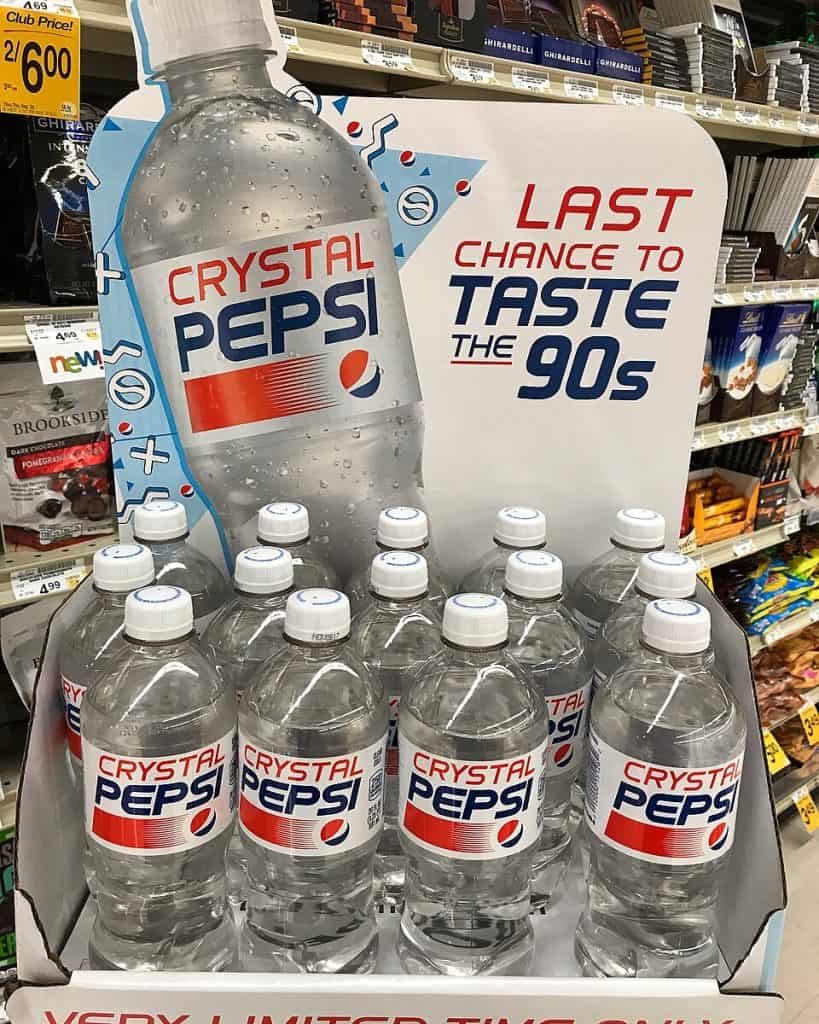
Though first launched in the ’90s, Crystal Pepsi made a nostalgic return in the 2000s. Its clear soda was marketed as “pure” and futuristic, but most people agreed it tasted just like regular Pepsi. Despite several relaunch attempts, it never became a permanent staple.
The Rise of Frozen Yogurt Chains
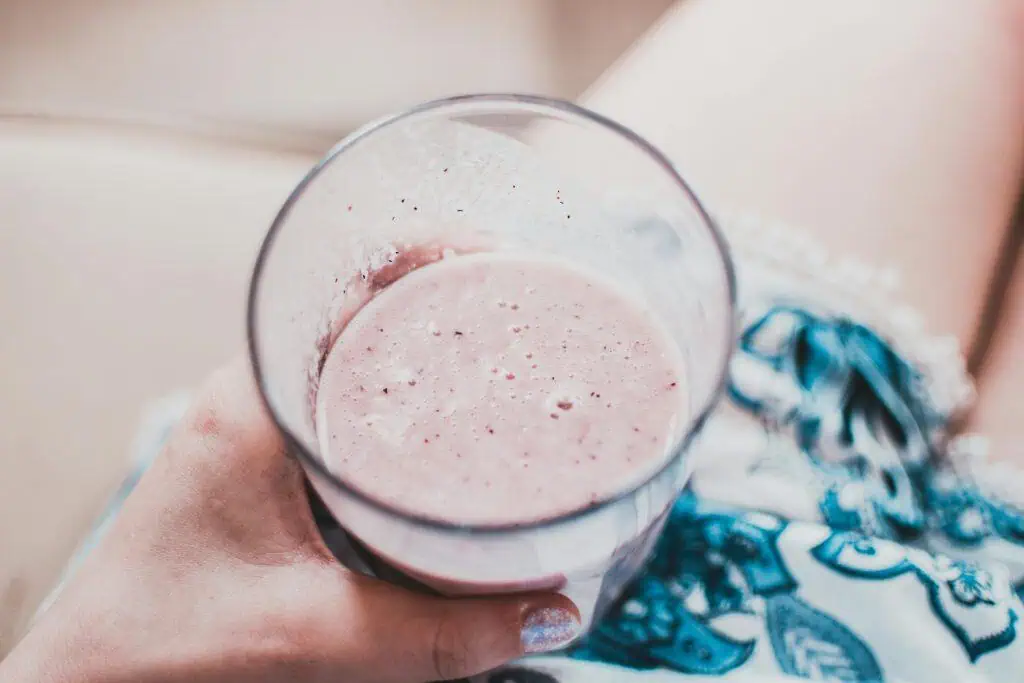
The mid-2000s brought frozen yogurt shops like Pinkberry into the spotlight. Touted as a healthier alternative to ice cream, fro-yo shops encouraged endless toppings and self-serve fun. While the frenzy has slowed, the trend has cemented yogurt as a dessert option beyond breakfast.
Giant Portion Sizes
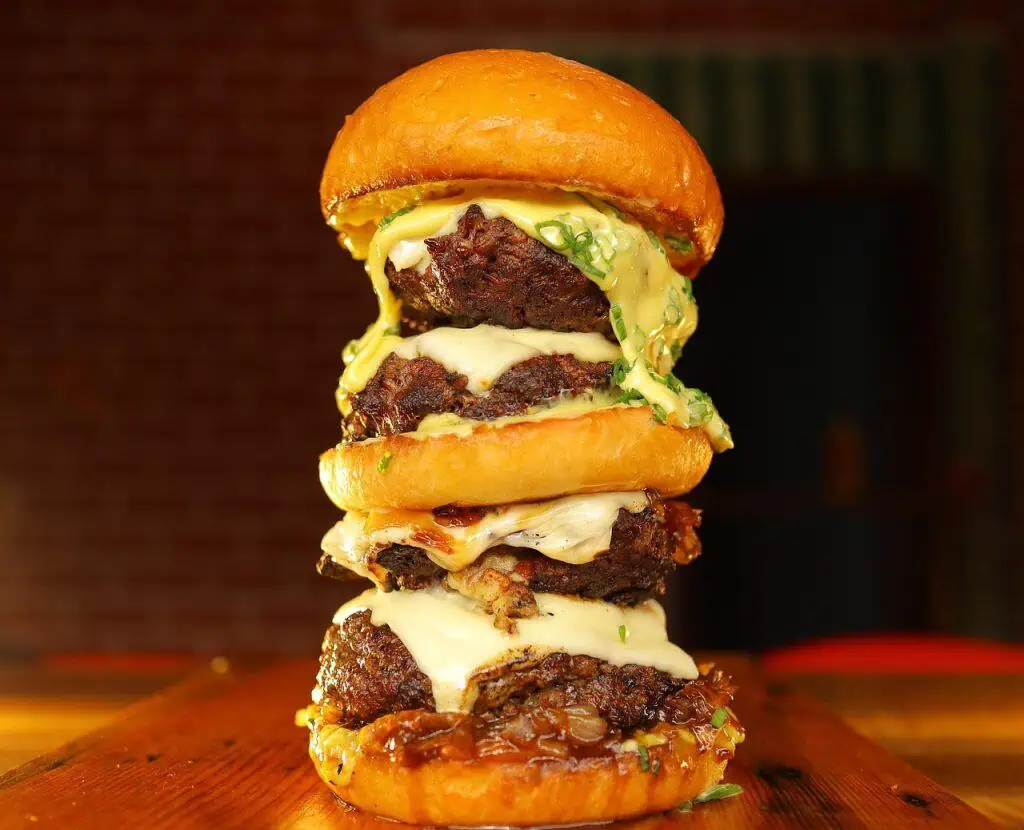
The 2000s embraced supersized portions, with restaurants competing to offer the biggest meals. From oversized burgers to foot-long sandwiches, bigger was considered better. This trend contributed to rising health concerns and eventually gave way to today’s focus on portion control and balance.
Bacon on Everything
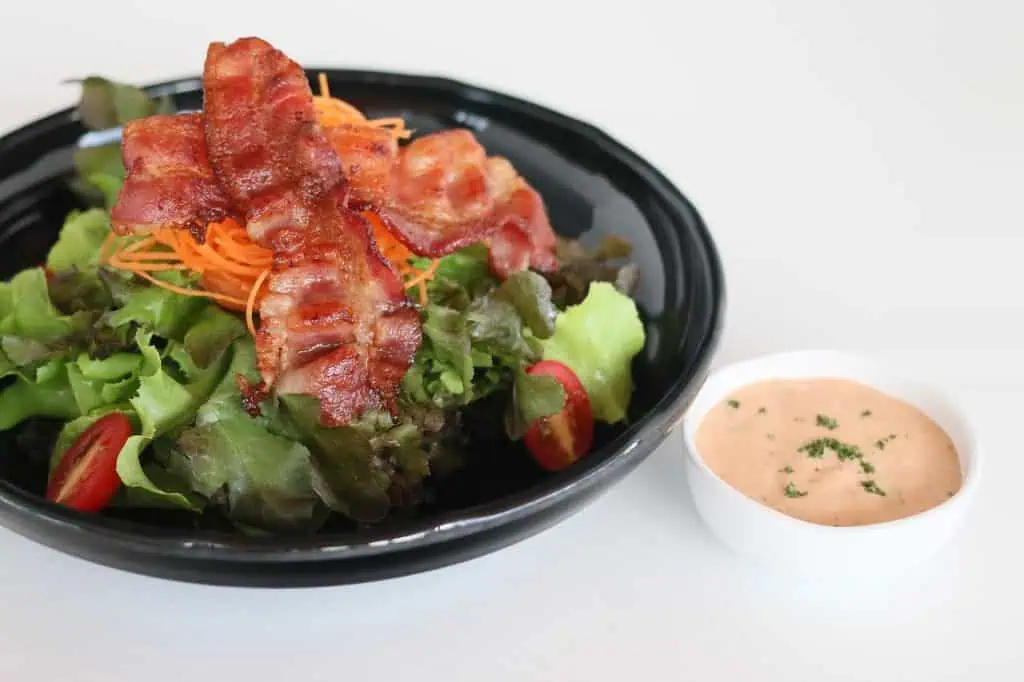
Bacon went from a breakfast side to a pop-culture obsession. By the late 2000s, it was showing up in chocolate, cocktails, cupcakes, and even toothpaste. While the bacon mania has calmed, it highlighted America’s love for indulgence and playful food experimentation.
Diet Soda Domination
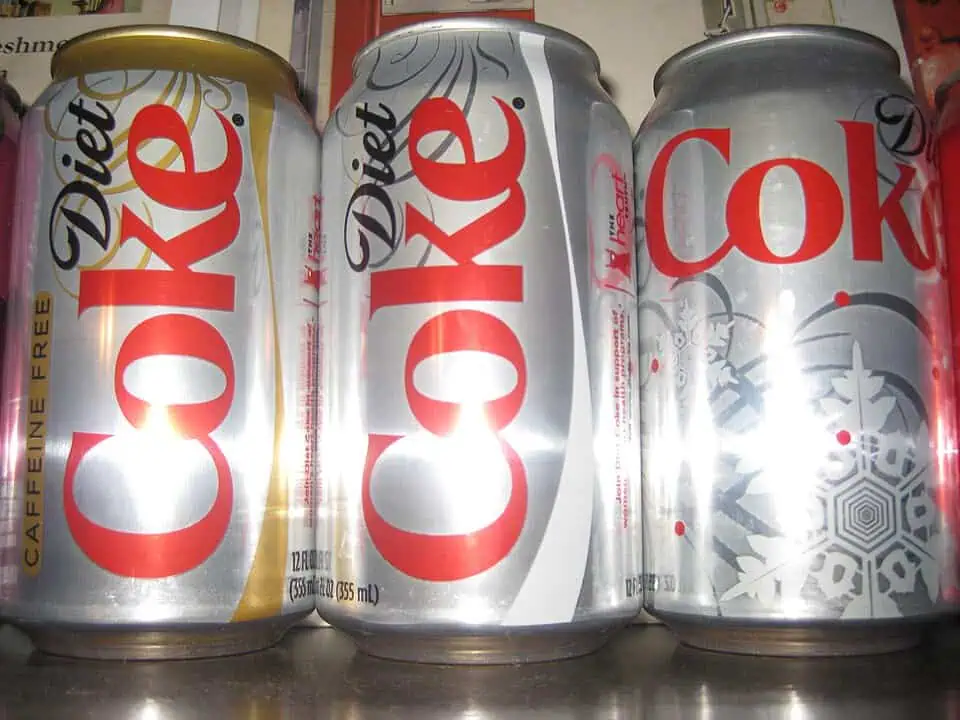
Diet sodas reached peak popularity in the 2000s, marketed as guilt-free alternatives to regular soda. Brands released endless variations Diet Coke with Lime, Diet Pepsi Jazz, and more. With time, concerns about artificial sweeteners shifted consumers toward sparkling water and flavored seltzers instead.
