
10 Unexpected Ways Fast Food Chains Are Using AI Right Now
Artificial intelligence is reshaping how fast-food brands operate, creating faster service, more personalized menus, and even new recipes. What started as a way to automate orders has evolved into a complete digital transformation. From drive-thrus to delivery apps, here are ten surprising ways fast-food chains are using AI right now.
AI-Powered Drive-Thru Voice Assistants
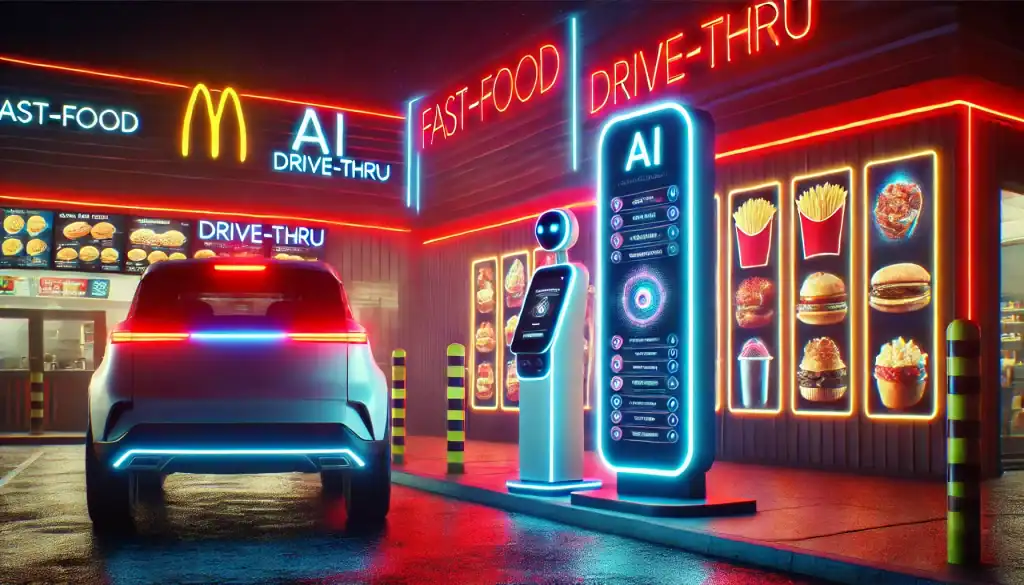
Many major chains now use AI-driven voice systems at drive-thrus to take orders instantly. These assistants recognize accents, adjust to background noise, and speed up service times. McDonald’s and Taco Bell have tested AI to handle complex custom orders, reducing errors and freeing staff to focus on food prep instead of multitasking.
Smart Menu Boards That Adapt in Real Time
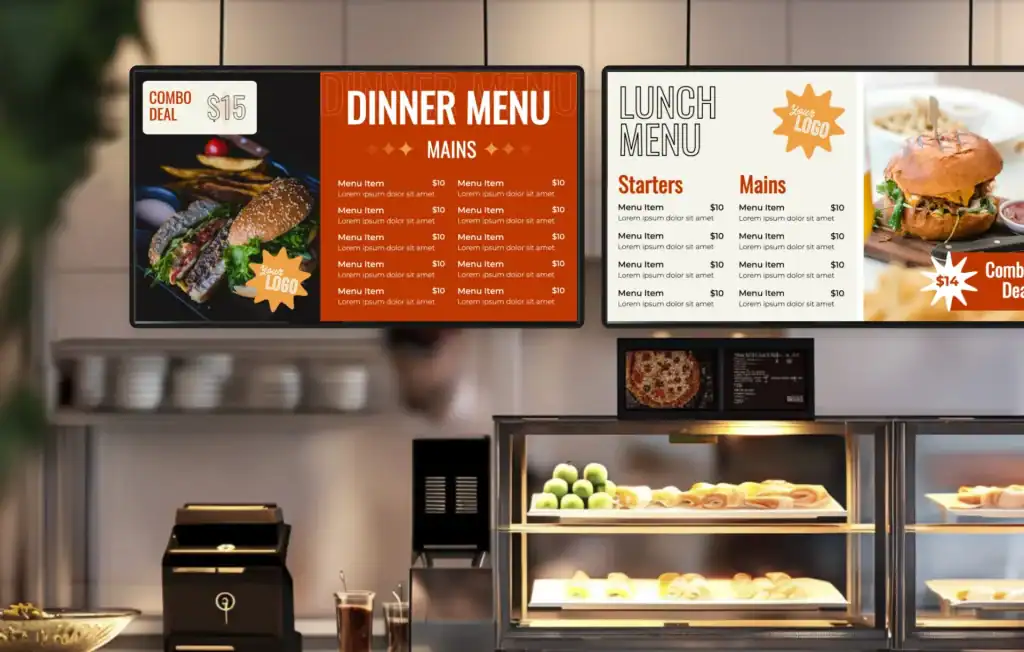
Digital menu boards utilize AI to dynamically adjust the displayed content based on factors such as weather, time of day, and local demand. On hot afternoons, they may highlight cold drinks, while breakfast sandwiches appear during morning rushes. This intelligent adjustment ensures timely promotions and boosts sales without requiring manual updates.
Predictive Demand Forecasting
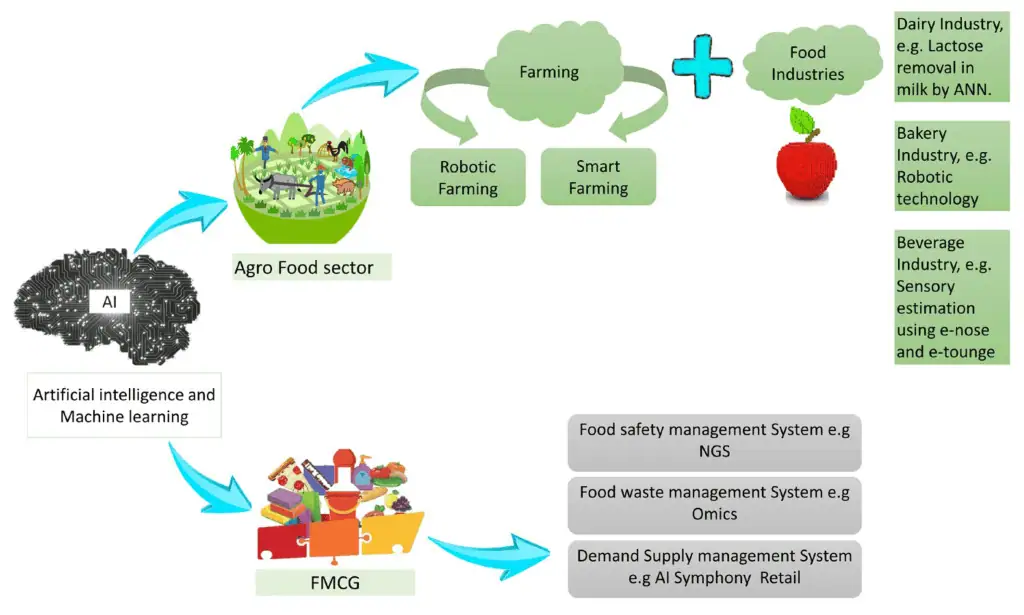
AI tools now predict exactly how much food a location will sell each day. By analyzing weather, local events, and past sales, these systems help managers prepare the right amount of ingredients. This reduces food waste, lowers costs, and ensures that popular items stay available even during busy hours.
Robot Chefs and Automated Fryers
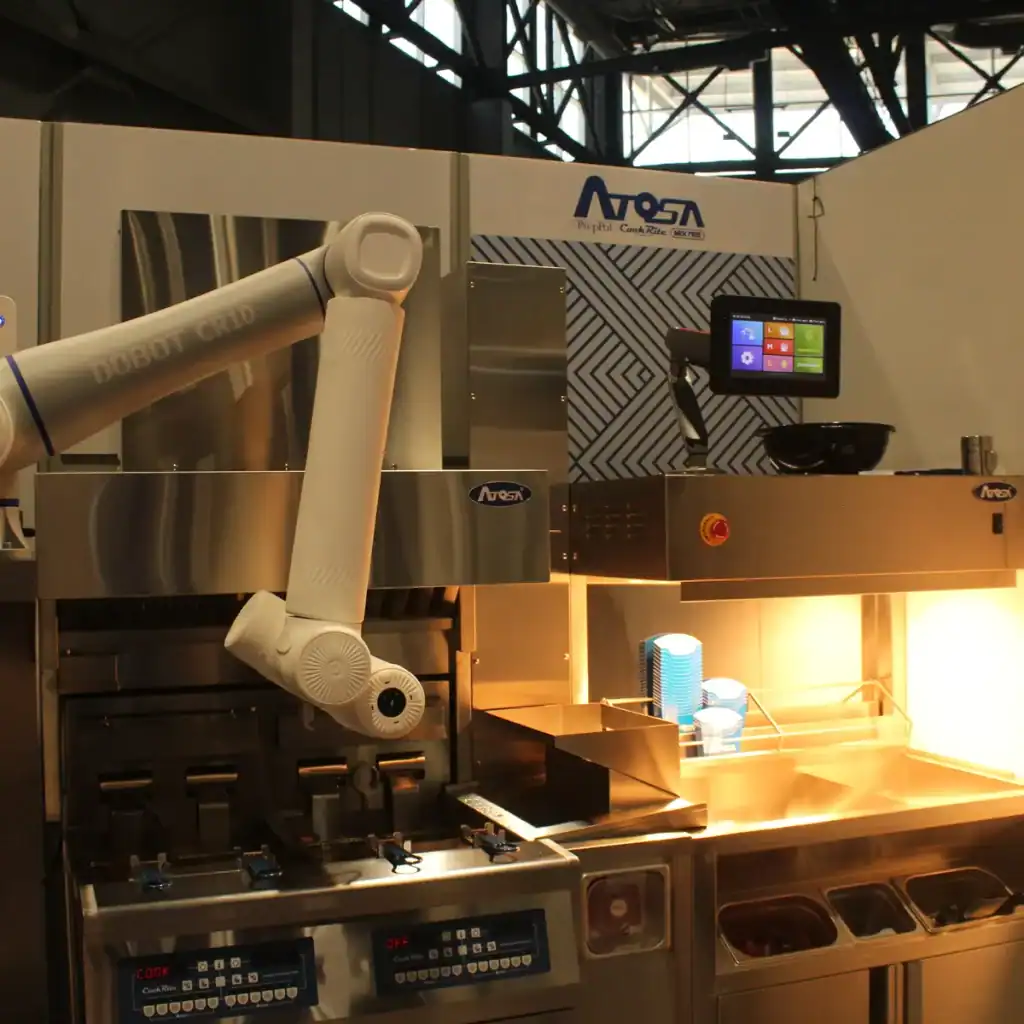
Some restaurants are testing robotic cooking systems guided by AI. These machines can fry chicken, flip burgers, and monitor temperatures with perfect precision. Companies like White Castle and Wing Zone are already deploying these tools, improving consistency and allowing human staff to focus on plating and customer service.
Personalized App Recommendations
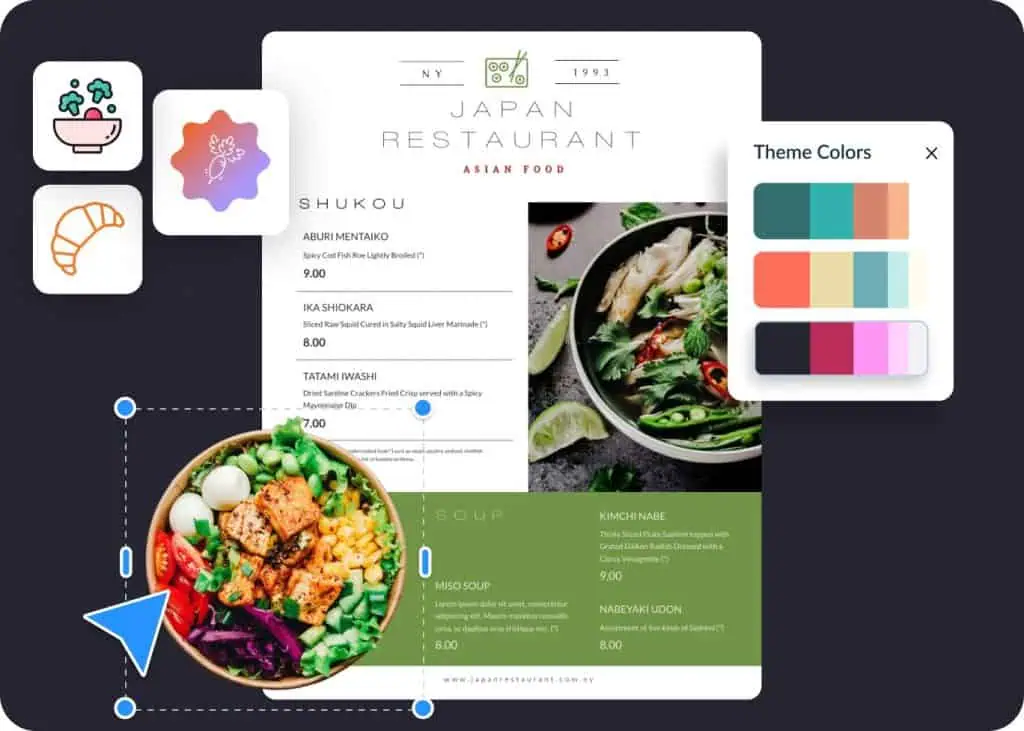
AI analyzes customer data within mobile apps to suggest menu items each person might like. If someone often orders spicy meals, the app highlights similar new products or limited-time offers. This approach mirrors streaming platforms’ recommendation systems, increasing engagement and repeat orders for fast-food brands.
Dynamic Pricing Experiments
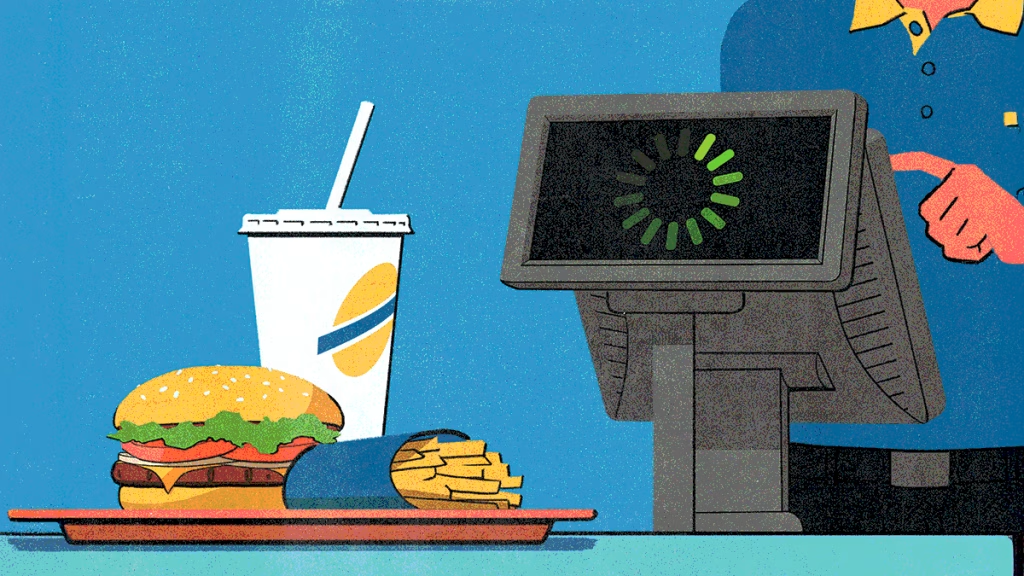
Just as airlines and ride-share apps adjust fares, some fast-food chains are experimenting with AI-based dynamic pricing. It can raise or lower prices depending on demand, traffic, or ingredient costs. While still in testing stages, this could lead to more efficient pricing strategies and optimized profit margins.
Automated Inventory Tracking
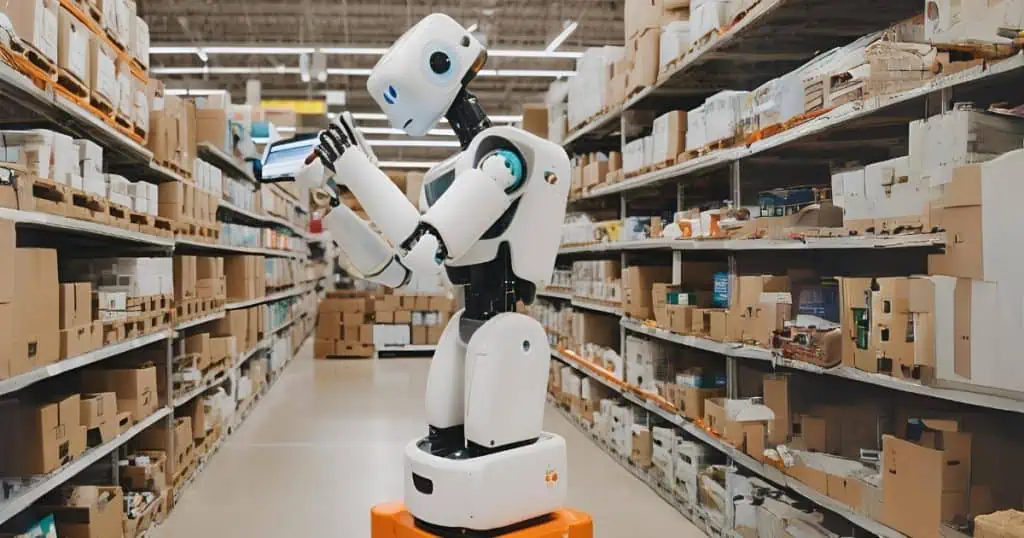
AI systems now monitor inventory levels in real time, automatically reordering supplies when stocks run low. Sensors track ingredient use across shifts and flag irregularities before shortages occur. This ensures smoother operations and minimizes human error, keeping every location stocked and ready for peak hours.
Chatbots for Customer Support

Many chains have adopted AI chatbots to handle delivery queries, refunds, and loyalty-program questions. These virtual assistants offer quick, consistent responses around the clock. They reduce pressure on human support teams while improving response times making the overall customer experience faster and more convenient.
Food Quality and Safety Monitoring

AI cameras and sensors are being introduced in kitchens to detect food freshness, hygiene, and cooking accuracy. The system can alert staff if fries are overcooked or a burger hasn’t reached safe temperature. This real-time monitoring maintains consistency, prevents waste, and protects customers’ health.
AI-Generated Marketing Campaigns
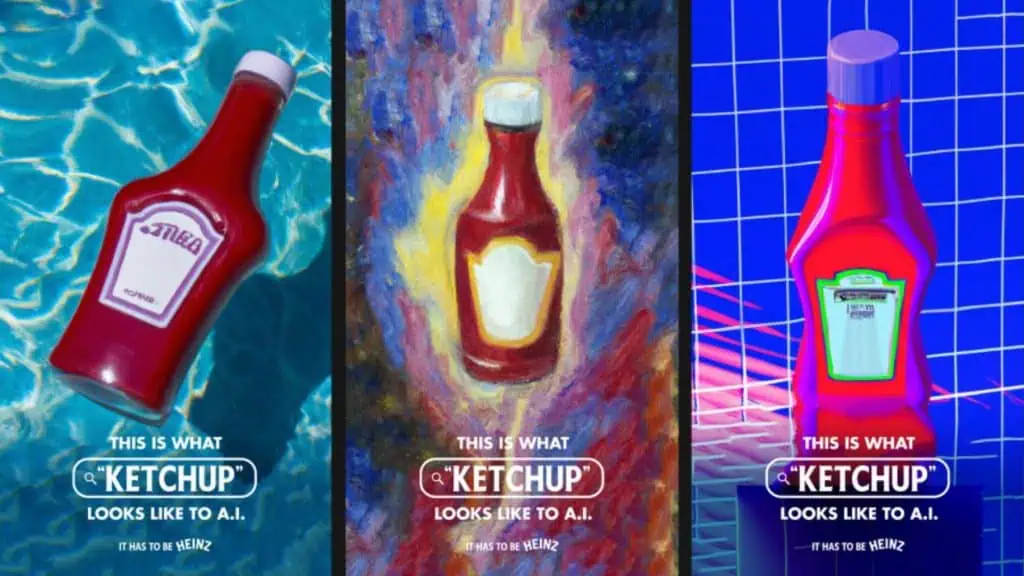
Fast-food marketing teams are using generative AI to create visuals, slogans, and ad scripts in seconds. These tools test multiple versions to see which resonates most with audiences. The approach helps brands react faster to trends such as viral flavors or memes while keeping creative costs low.
