
10 Rare Vegetables Making a Big Comeback in 2025, According to Experts
Once-forgotten vegetables are sprouting back into popularity as chefs, nutritionists, and gardeners look beyond supermarket staples. Driven by climate resilience, biodiversity, and flavor revival, 2025 marks the comeback of rare crops once lost to modern farming. From vibrant roots to fragrant greens, these underappreciated vegetables are reappearing on menus and farmer’s markets bringing nutrition, nostalgia, and culinary excitement back to the table.
Sunchokes (Jerusalem Artichokes)
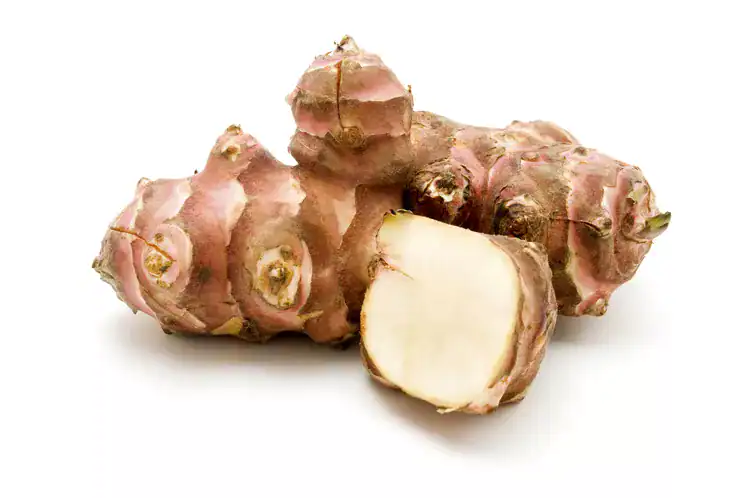
These knobby tubers are reclaiming the spotlight for their nutty flavor and versatility. Once overlooked for their irregular shape, sunchokes are now valued for being high in fiber and low in starch. Chefs roast or puree them for creamy soups, while nutritionists praise their prebiotic benefits that support gut health. As sustainable crops that thrive in poor soil, sunchokes perfectly align with the 2025 farm-to-table movement.
Romanesco Broccoli
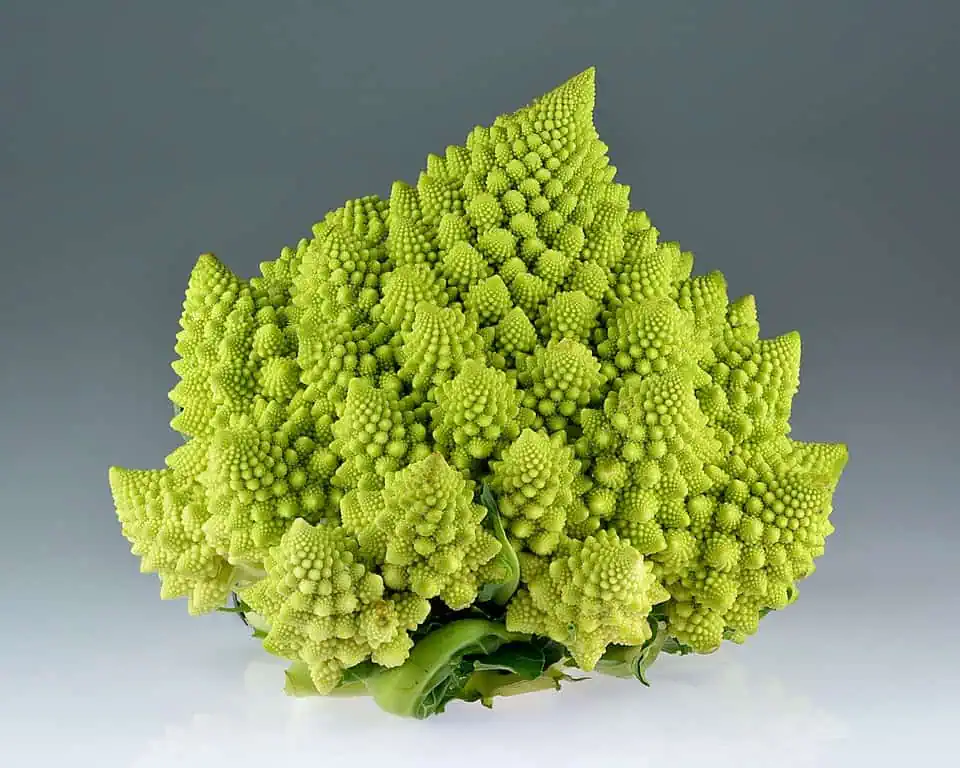
With its mesmerizing fractal spirals, Romanesco is as striking as it is delicious. This Italian heirloom sits between broccoli and cauliflower in taste but offers a nuttier, more delicate texture. Its stunning shape makes it a favorite among chefs focused on plating artistry. Packed with vitamin C and antioxidants, Romanesco’s comeback reflects a growing demand for nutrient-dense, visually captivating produce.
Oca (New Zealand Yam)
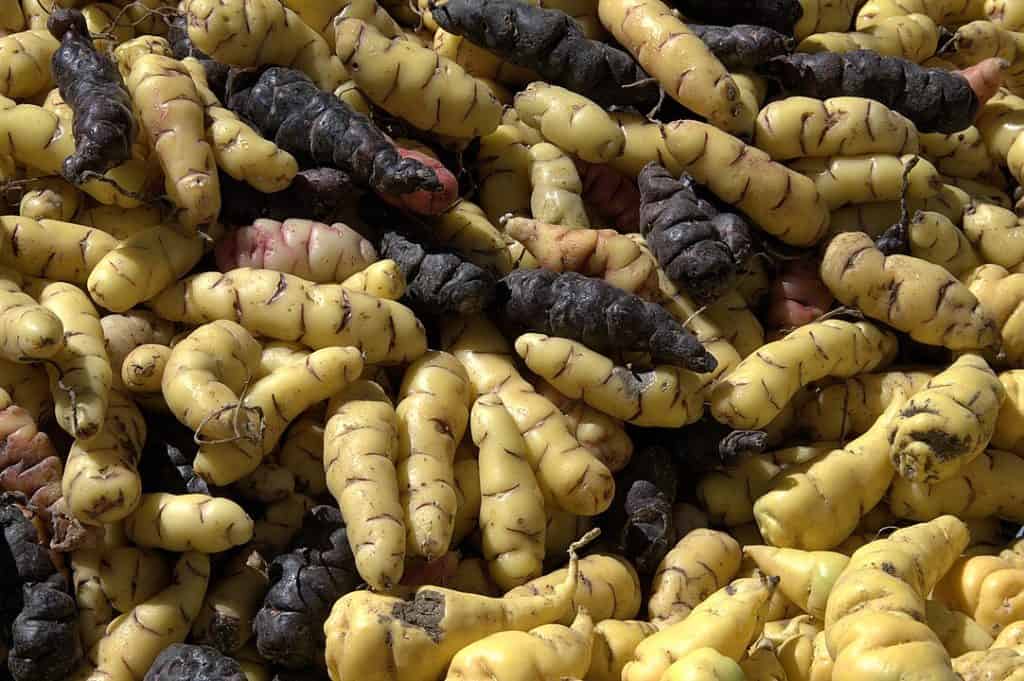
Brightly colored and slightly tangy, oca is an ancient Andean root that’s finally reaching global markets. Rich in vitamin C and complex carbohydrates, it’s prized for its lemony taste and adaptability in roasted dishes. Farmers love it for its resilience in cooler climates, making it a promising alternative to potatoes as weather patterns shift. Oca’s revival symbolizes a return to indigenous farming wisdom and diverse crop systems.
Cardoon

Often called the artichoke’s cousin, cardoon offers a mild, earthy flavor with a hint of bitterness. Its thick stalks, once popular in Mediterranean kitchens, are now returning as chefs revisit traditional recipes. Though tricky to prepare, cardoon rewards patience with depth and texture similar to celery crossed with artichoke. Its renaissance in fine dining reflects the trend toward reviving old-world vegetables with gourmet appeal.
Salsify
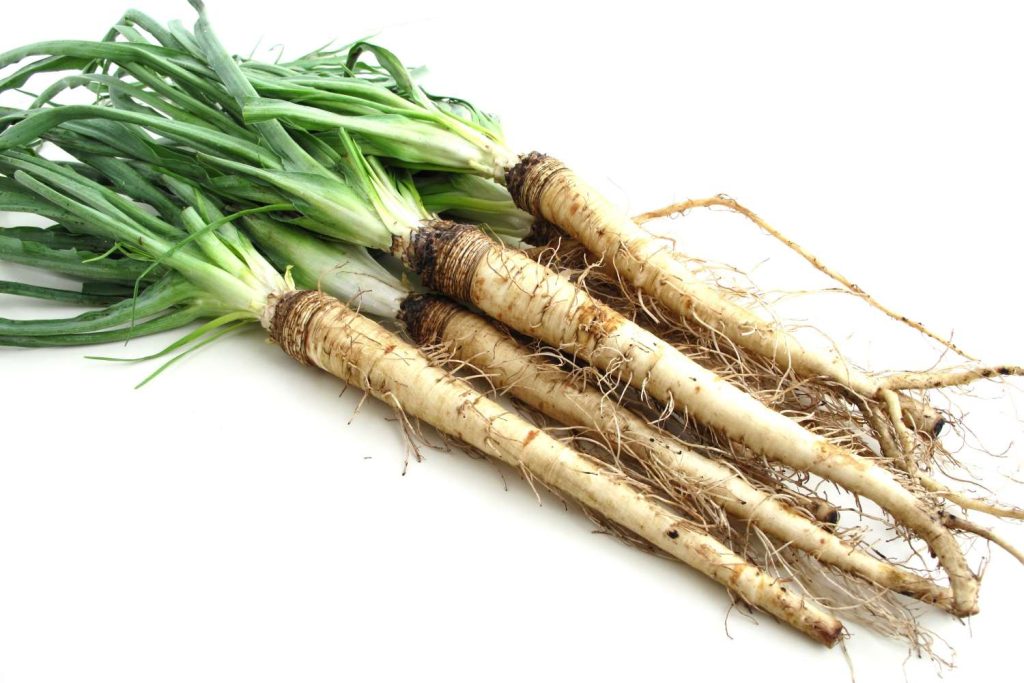
Known as the “oyster plant” for its subtle seafood-like flavor, salsify is making its way back onto farm stands and restaurant menus. This slender root vegetable was once a European favorite but fell out of favor due to its labor-intensive peeling. Now, chefs embrace it for its creamy texture and unique flavor when roasted or mashed. Its rising presence in upscale kitchens marks a return to culinary craftsmanship.
Celtuce (Stem Lettuce)
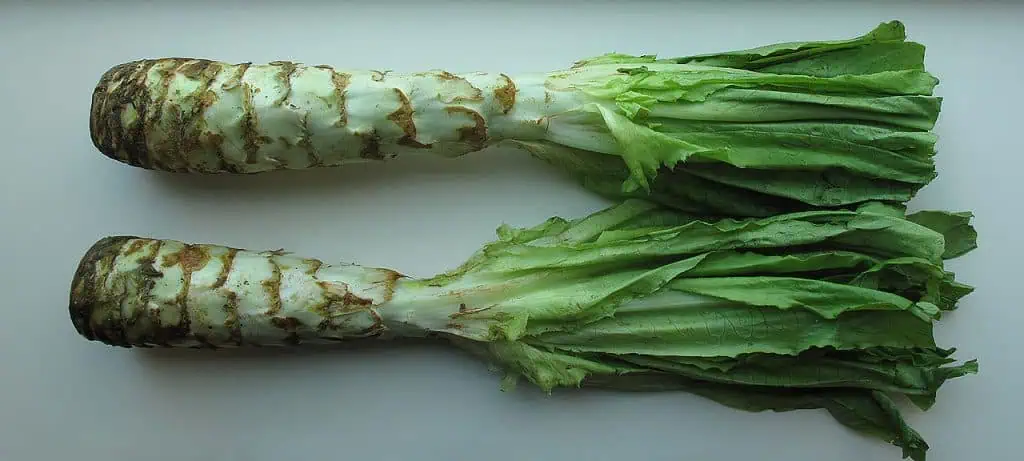
Celtuce, a lettuce variety grown for its crisp, edible stem, is trending among chefs for its refreshing crunch and mild nuttiness. Originally popular in Chinese cuisine, it’s being embraced globally as a sustainable crop with culinary versatility. The stems are stir-fried, roasted, or shaved raw into salads, offering a high-fiber, low-calorie vegetable perfect for modern health-focused dining.
Water Spinach (Kangkong)
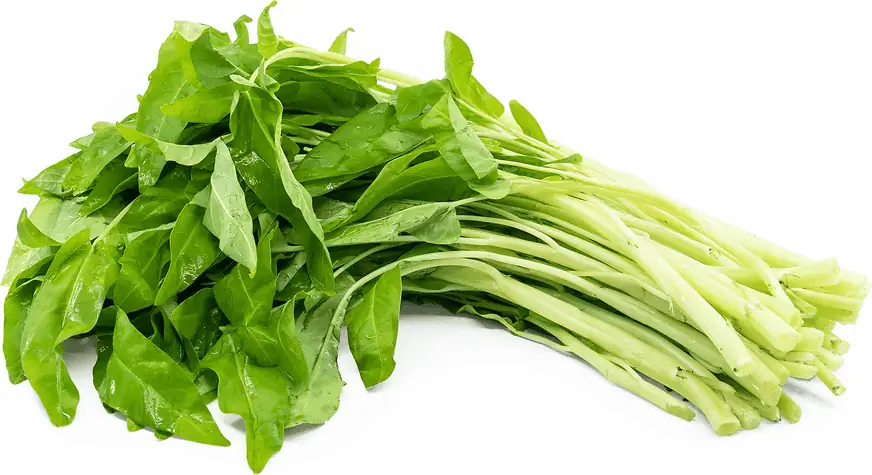
Long loved across Southeast Asia, water spinach is making waves in Western markets for its tender texture and high nutrient value. Also known as “morning glory,” it thrives in wetlands and grows rapidly, making it ideal for regenerative agriculture. Lightly sautéed with garlic or chili, it delivers bright flavor and exceptional iron and calcium content a favorite for chefs exploring global greens.
Malabar Spinach
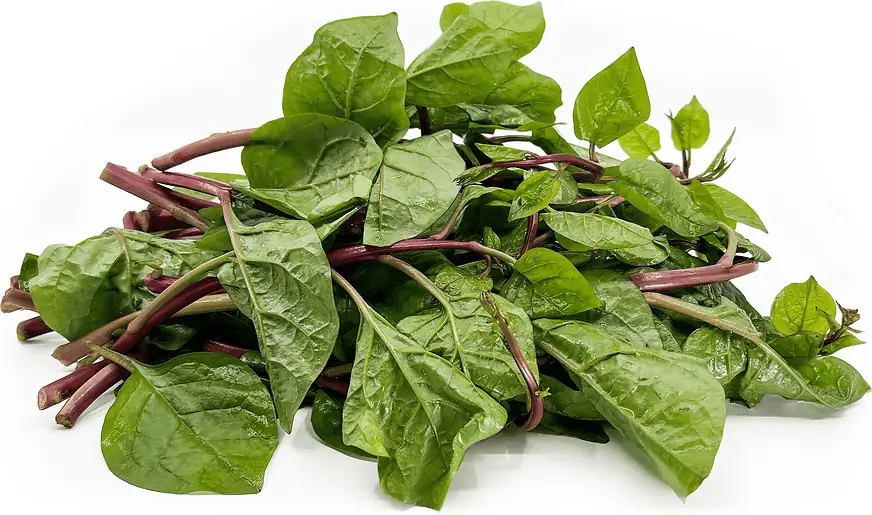
This tropical vine is not a true spinach but mimics its flavor while thriving in heat, where traditional spinach wilts. With glossy, heart-shaped leaves and a slightly mucilaginous texture, it’s popular in Asian and African cuisines. Its rich vitamin A and C profile, along with its resilience to climate extremes, make it a star in the sustainable food movement of 2025.
Chioggia Beets
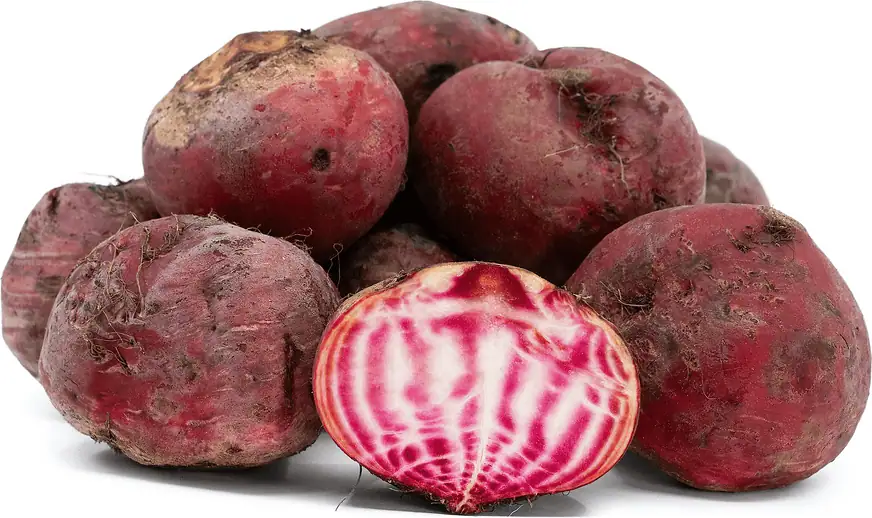
Recognizable by their pink-and-white candy-striped rings, Chioggia beets are heirloom beauties returning to salad bars and farm markets. Sweeter and milder than red beets, they roast beautifully while adding natural artistry to dishes. Their resurgence reflects the push for vibrant, heritage vegetables that combine visual appeal with nutritional value. Expect to see them featured in both restaurant plating and home gardens this year.
Kohlrabi
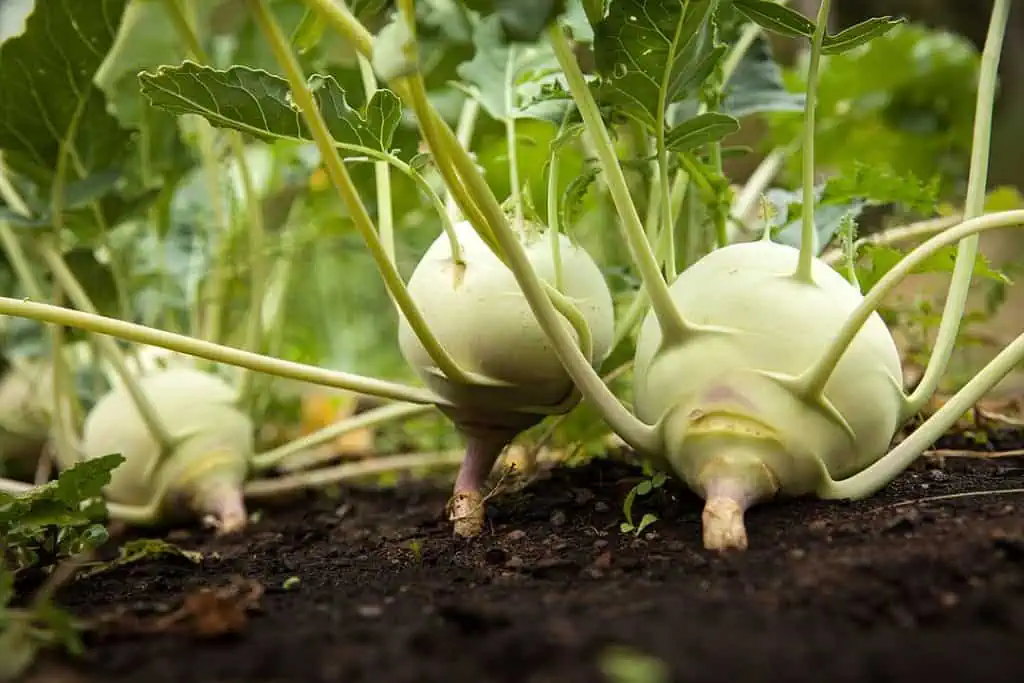
Once a humble German staple, kohlrabi is gaining new fans for its crisp texture and subtle sweetness. A member of the cabbage family, it’s delicious raw, roasted, or spiralized into slaws. Its high vitamin C content and adaptability to different soils make it a favorite among sustainable farmers. As more chefs rediscover its versatility, kohlrabi is reclaiming its place as a vegetable of both substance and style.
