
10 Foods Travelers Keep Getting Confiscated at US Airports
The culinary world is filled with hidden treasures, but not all delicacies are legally welcomed into every country. Several snacks and ingredients are regularly intercepted at U.S. airports, tempting travelers with their unique flavors and cultural significance. These items, often prohibited due to health and safety regulations, continue to entice food enthusiasts who crave authentic experiences beyond their own locale.
The Allure of Unpasteurized Cheeses
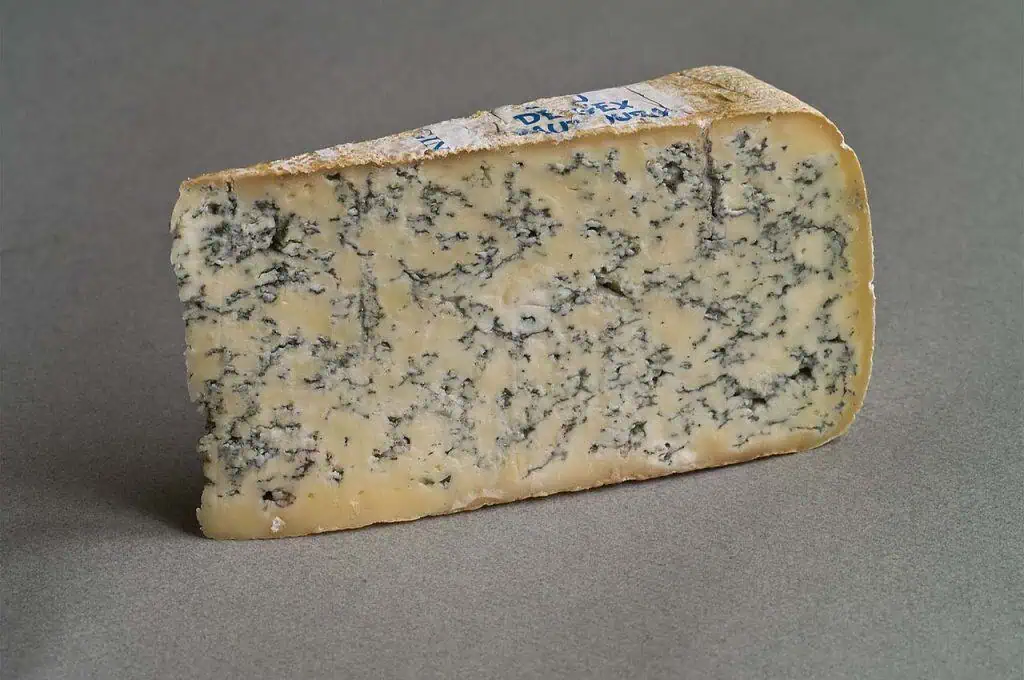
Unpasteurized cheeses, known for their distinct flavors and traditional craft, often capture the interest of cheese lovers. These cheeses, rich in aroma and complexity, are aged using methods that can enhance depth of flavor but may also harbor harmful bacteria. Despite their culinary appeal, many fall afoul of U.S. regulations due to food safety concerns. For those craving these indulgences, seeking out similar domestic counterparts can offer a taste of authenticity without legal complications.
Uncooked Sausages and Cured Meats

Uncooked sausages and cured meats hold a special place in many cultural diets but face stringent control due to the risk of disease transmission. Products like salami and certain hams, known for their robust seasoning and curing techniques, are carefully monitored. The complex melding of spices, herbs, and time results in unmistakably rich meats that delight the palate. Exploring local iterations can satisfy cravings while respecting import laws, providing a taste of tradition with trusted safety.
Exotic Fresh Fruits: A Forbidden Temptation

Exotic fresh fruits might seem innocuous but pose significant threats to agriculture through potential pests and diseases. Fruits such as mangosteen, durian, and certain citrus varieties are often intercepted, yet they tempt adventurers with their vibrant flavors and textures. The appeal lies in their rarity and the burst of tropical essence they promise. When seeking such flavors, sourcing domestically grown alternatives or exploring permitted dried or canned versions can provide a safe and legal sampling.
Banned Fresh Veggies: The Green Contraband
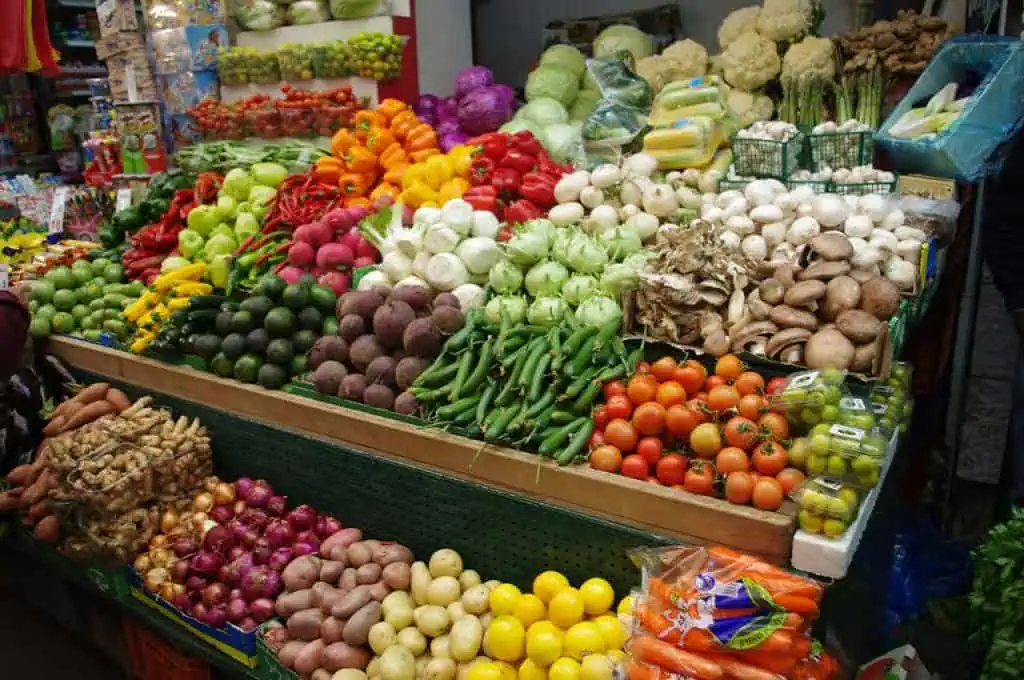
Certain fresh vegetables find themselves on the prohibited list due to similar agricultural risks. Varieties like specific eggplants or peppers may carry pests that threaten ecosystems. Despite these restrictions, their unique profiles, ranging from mild to intensely spicy, draw continued interest. Elevating your culinary repertoire with legally available substitutes can bring a touch of that forbidden intrigue, allowing experimentation with textures and flavors akin to those of the banned counterparts.
Raw Honey Restrictions: A Sticky Situation
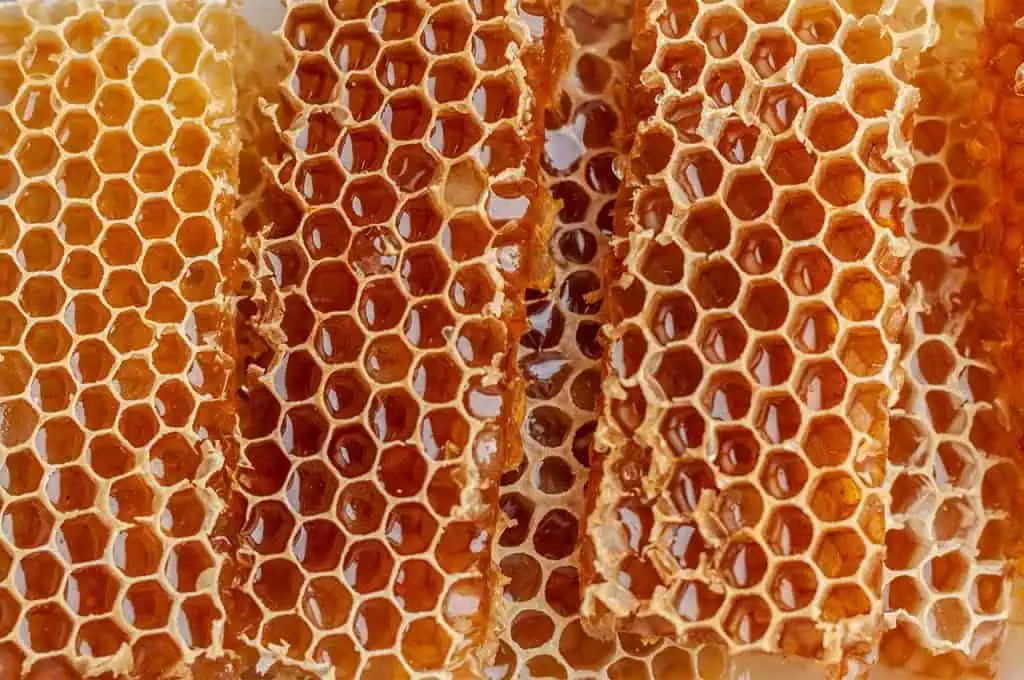
Raw honey, often prized for its unfiltered flavor and purported health benefits, faces strict import regulations into the U.S. due to disease and pest risks. Small-batch producers, particularly from regions like South America or Eastern Europe, may offer enticingly unique floral notes. Yet, these artisanal goods can harbor bacteria like Clostridium botulinum, especially dangerous to infants. When seeking out honey, ensure it’s from a source that complies with FDA standards, removing the temptation to sneak those tantalizing jars home. Instead, explore certified options or domestic producers that adhere to rigorous safety protocols, ensuring quality and flavor without legal concerns.
Meat-Filled Pastries: A Savory Risk

Pastries stuffed with meats, whether spicy empanadas or flavorful samosas, offer a rich and comforting experience. However, when it comes to crossing borders into the U.S., such delicacies often face confiscation due to meat import restrictions aimed at preventing diseases like foot-and-mouth disease. If making them at home, focus on using locally sourced, high-quality meats that ensure safe consumption and compliance. Mastering pastry dough with a perfect balance of flakiness and structure is key. Cook fillings thoroughly, allowing spices to meld seamlessly, ensuring that every bite offers a legal taste of home-cooked excellence.
Plant Cuttings: The Green Thumb’s Dilemma

Sneaking plant cuttings into the U.S. can introduce invasive pests or diseases, endangering local agriculture. Enthusiasts might be tempted by the promise of rare varieties not available domestically, yet these small cuttings carry significant ecological risks. Focus instead on cultivating relationships with reputable nurseries within the U.S. that can offer similar species. When propagating plants, understand the specific requirements of light, moisture, and soil composition. Investing time in learning these details ensures that your garden thrives sustainably, reflecting a commitment to both legal guidelines and healthy horticultural practices.
The Perils of Fresh Eggs and Egg Products
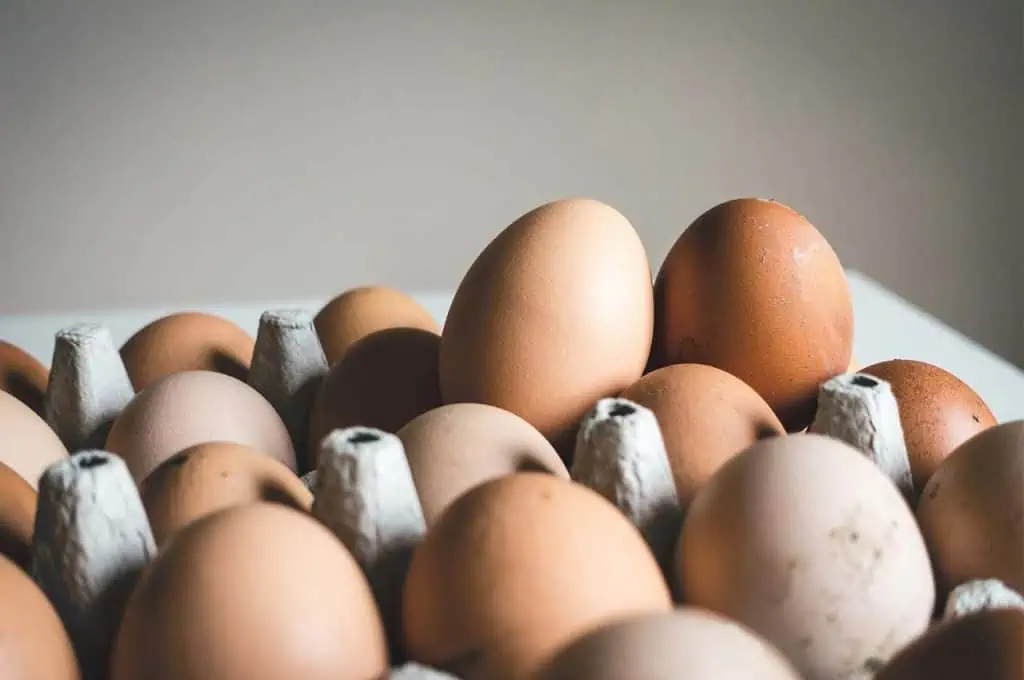
Importing fresh eggs and egg products to the U.S. is fraught with potential pitfalls due to strict biosecurity measures meant to prevent the spread of diseases like Newcastle disease and avian influenza. Instead of risking confiscation, explore local farmers’ markets where freshness and quality are assured. For baking, consider sourcing pasteurized eggs, which offer safety while maintaining consistency in recipes. If seeking distinctive yolk richness or flavor, research heritage breeds that offer unique qualities legally available at local farms. This approach not only supports the community but elevates your culinary creations with reliable, flavorful ingredients.
Live Seafood: A Fresh Catch Challenge
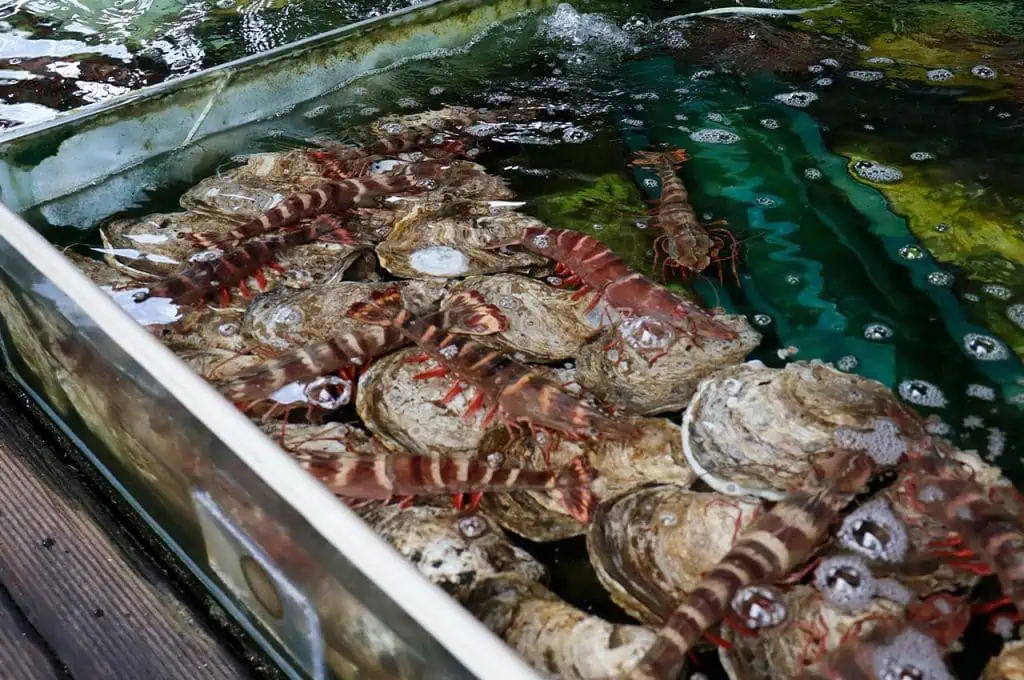
Transporting live seafood across U.S. borders is heavily regulated to protect native ecosystems from invasive species and diseases. Seafood aficionados might long to bring home specific regional specialties, but such actions can lead to significant ecological impacts. Instead, support seafood purveyors who maintain sustainable practices and hold the necessary certifications. At home, learn to prepare seafood with methods that enhance texture and flavor, like searing or poaching. Proper storage is crucial; ensure seafood remains fresh with ice and appropriate refrigeration. This strategy promises a legal and delicious seafood experience without compromising environmental safety.
Nutty Troubles: Aflatoxin and Peanut Products

Peanuts, cherished for their versatility and robust flavor, often harbor a hidden risk: aflatoxin. This toxin, produced by mold, is a potent threat to health, making peanut products closely monitored. To reduce this risk, inspect peanuts for any signs of discoloration or unusual odors. Understanding the origin of your nuts is crucial, as peanuts from regions with warm, humid climates are more susceptible. In the kitchen, roast peanuts at home to enhance their nuttiness and ensure they meet your safety standards. This extra step not only elevates the flavor but also provides control over the final quality of your dish.
