
10 Grocery Stores in US That Transport Boomers Straight to Their Childhood
Before online delivery and self-checkout, grocery shopping was an event part errand, part community ritual. For many Baby Boomers, those aisles still hold the scent of waxed floors, the hum of fluorescent lights, and the taste of after-school snacks. Some stores have vanished; others evolved while keeping their heart. These 10 grocery chains and markets capture the feeling of simpler times when customer service and canned goods ruled the day.
A&P (The Great Atlantic & Pacific Tea Company)
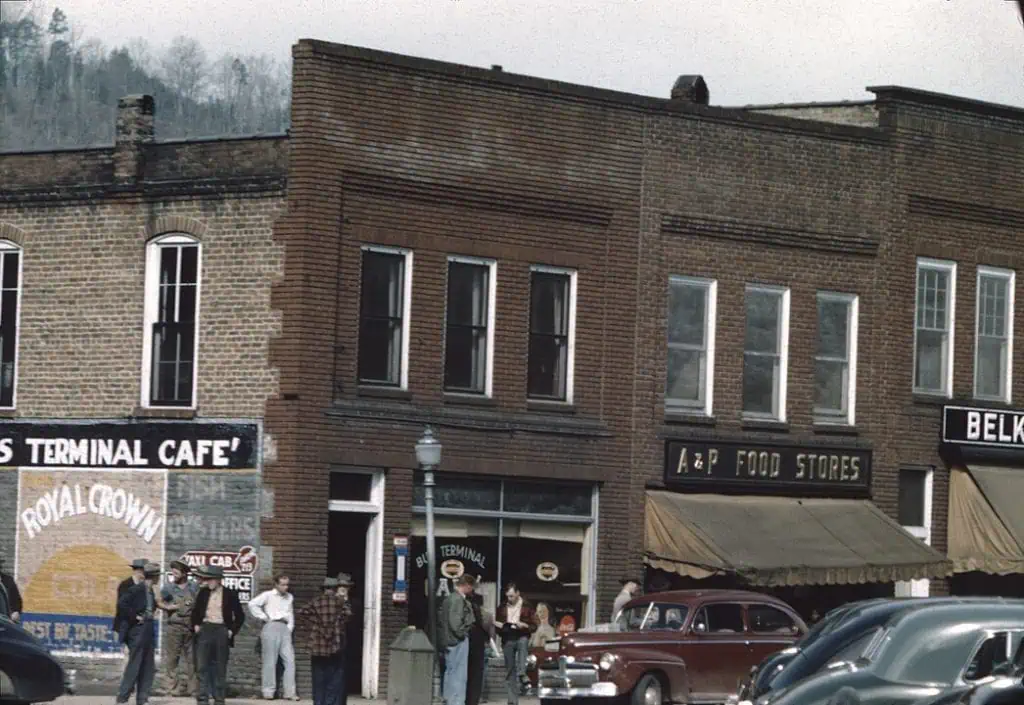
Once the largest grocery chain in America, A&P defined mid-century shopping. From its red “A&P” logo to the smell of freshly ground coffee, it symbolized the rise of the suburban supermarket. Though it closed in 2015, its legacy lives on through nostalgia, vintage packaging, and the generations it fed.
Piggly Wiggly
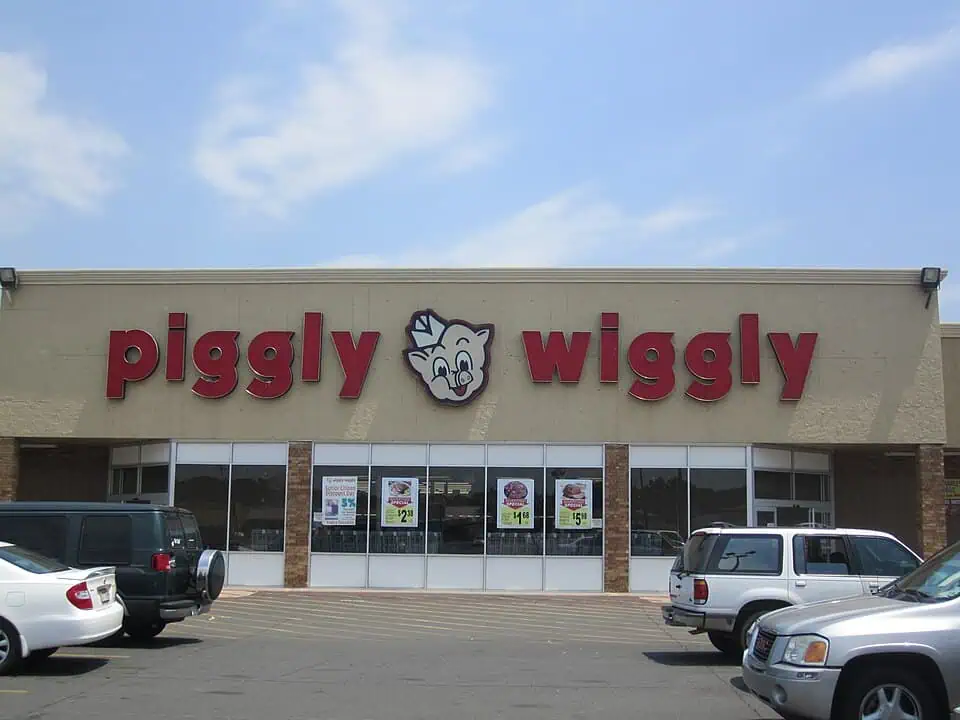
Founded in 1916, Piggly Wiggly was the first self-service grocery store a concept that changed retail forever. Its pig mascot, wide aisles, and friendly service became icons of small-town America. For Boomers, walking those tiled floors meant independence picking your own goods instead of ordering from a clerk’s counter.
Safeway
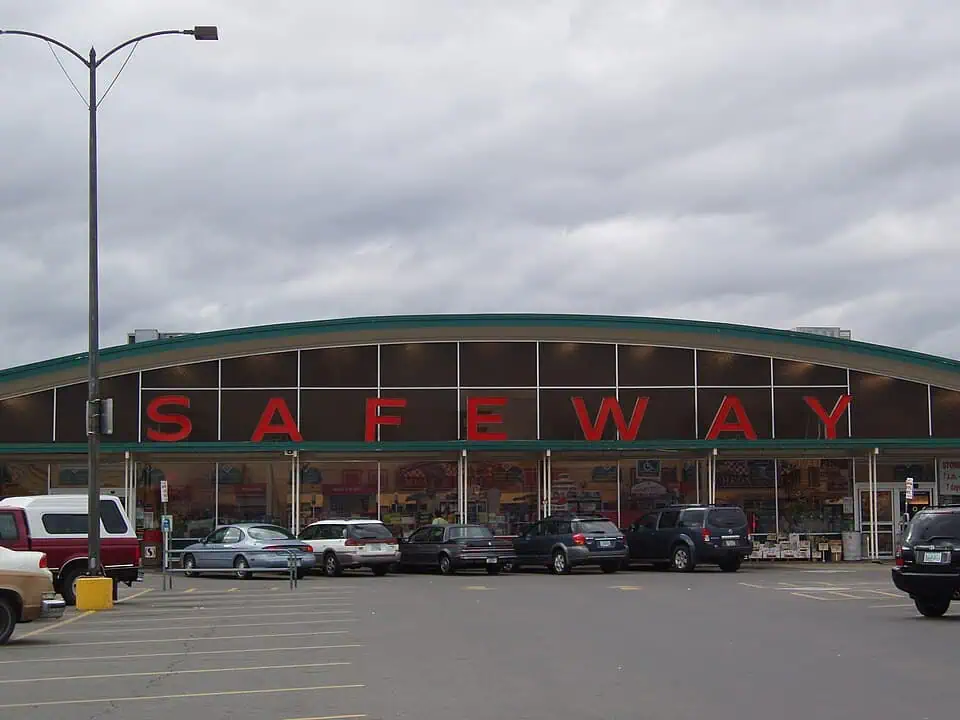
At its peak in the 1950s and ’60s, Safeway represented the modern American dream: clean, efficient, and convenient. Its bright lighting, new refrigeration, and “one-stop shop” approach defined postwar abundance. Even today, its red logo and layout evoke the reliable comfort of weekly family grocery runs.
Kroger
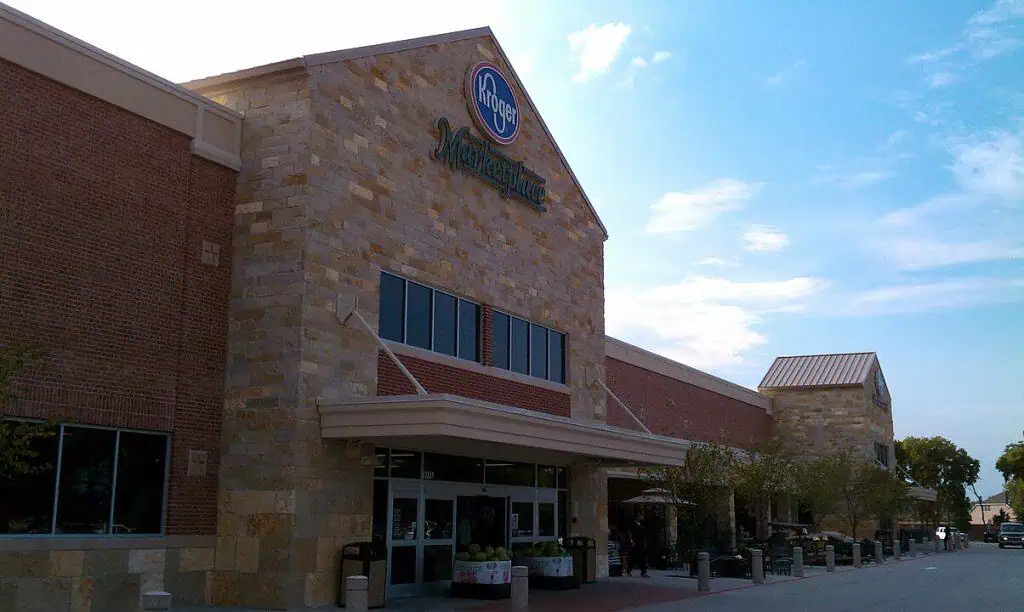
For millions of mid-century families, Kroger meant consistency. Founded in 1883, it grew with America, pioneering private-label products and in-store bakeries. Its steady expansion mirrored suburban growth, turning grocery shopping into a routine of familiarity where both products and people rarely changed.
Publix
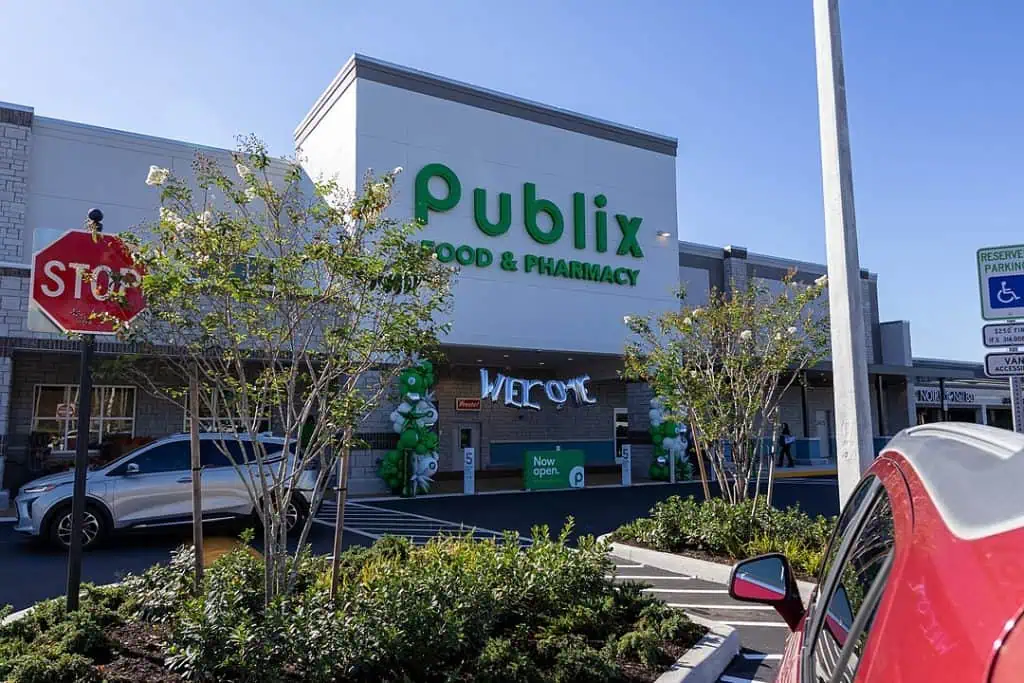
A Southern staple, Publix blended hospitality with mid-century innovation. Known for clean stores, bakery smells, and cheerful service, it became the heart of many hometowns. For Boomers raised in Florida or Georgia, a trip to Publix meant free cookie samples and the feeling that grocery shopping could be joyful.
Aldi (Early European Imports)
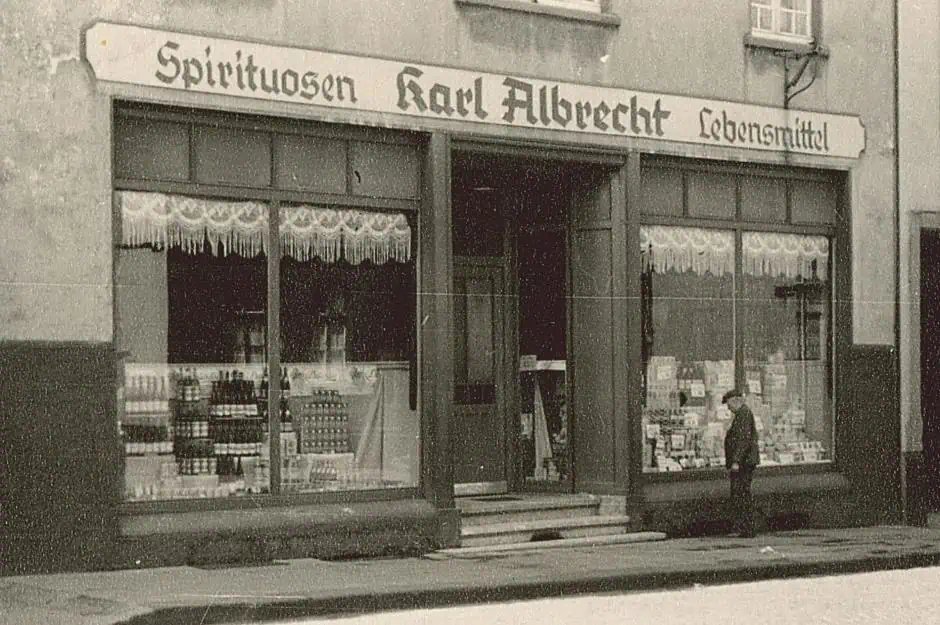
Though Aldi’s modern branding feels new, many Boomers remember its early days in the U.S. during the 1970s no-frills shelves, bag-your-own groceries, and bargain imports. The minimalism appealed to thrifty postwar sensibilities. Today’s Aldi revival echoes that same practical simplicity Boomers grew up valuing.
Food Fair / Pantry Pride
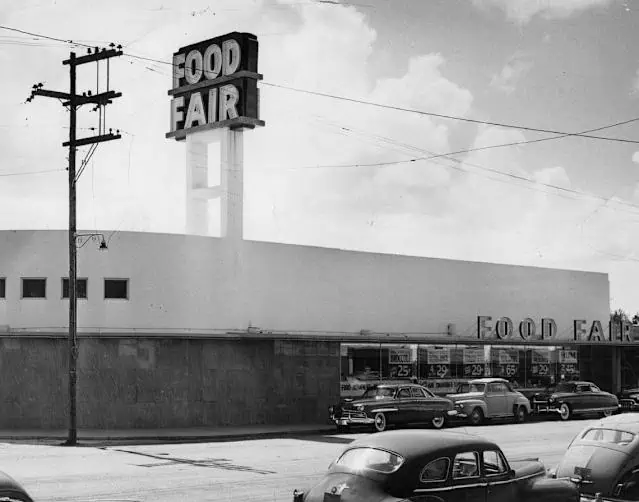
A major East Coast chain in the 1950s–70s, Food Fair was known for bright aisles and hand-stacked produce. Its later rebrand, Pantry Pride, appeared in countless TV commercials and family photo albums. For many Boomers, it was the neighborhood grocery of choice before the rise of national superstores.
Winn-Dixie
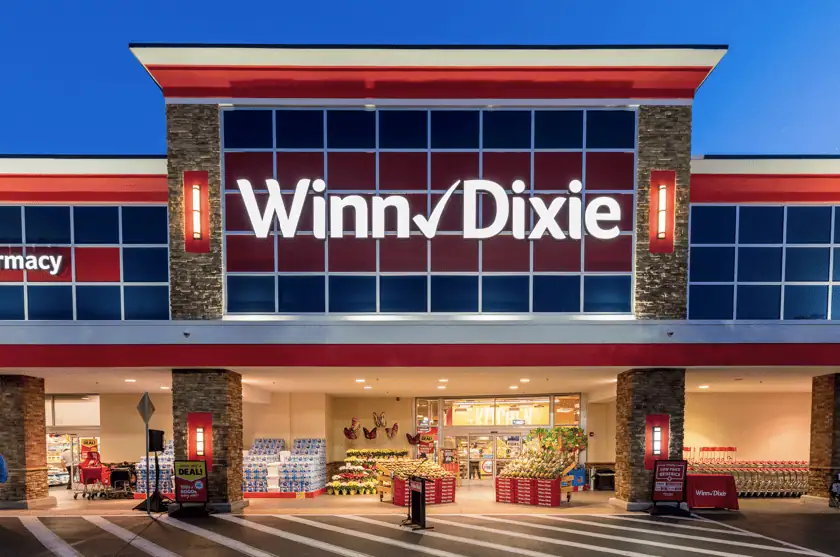
Serving the American South, Winn-Dixie combined low prices with familiar charm. Its red-and-yellow signs and lively deli counters created sensory memories that stuck for decades. Though it’s modernized, stepping into a Winn-Dixie today still recalls after-school trips and grocery carts full of canned peaches and Wonder Bread.
IGA (Independent Grocers Alliance)
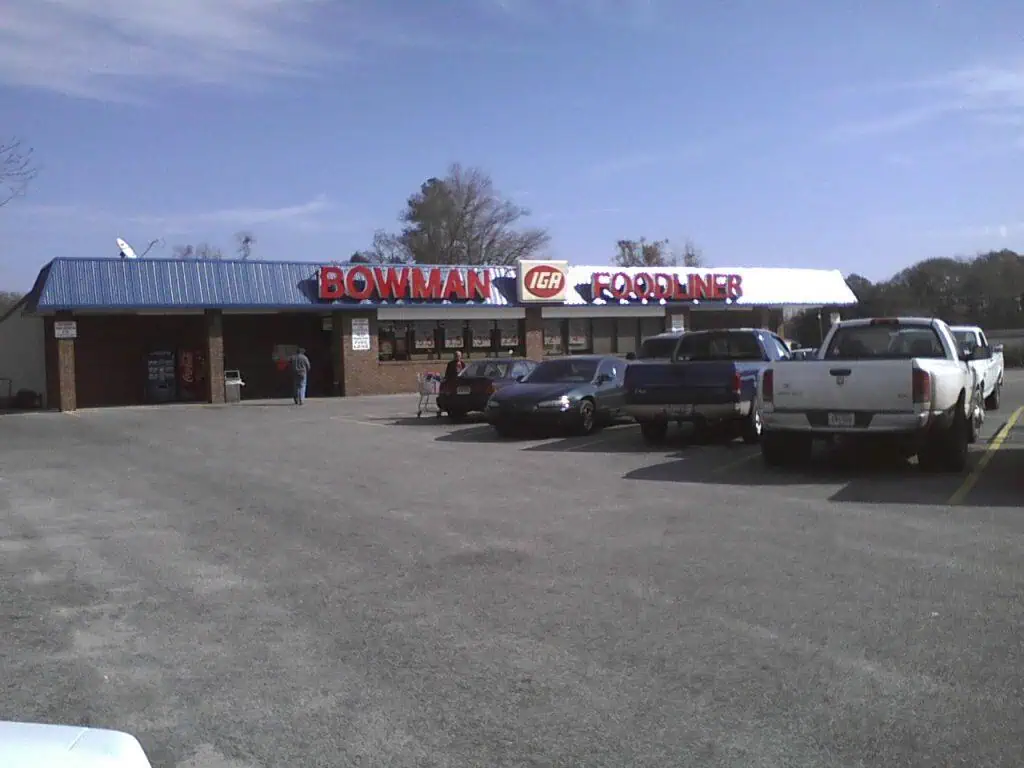
In small towns across America, IGA wasn’t just a store it was community. These independently owned markets gave families local pride and personal service that chain stores couldn’t match. For Boomers, it represents a time when grocers knew your name, your family, and your favorite brand of coffee.
Trader Joe’s (Retro Before Retro Was Cool)
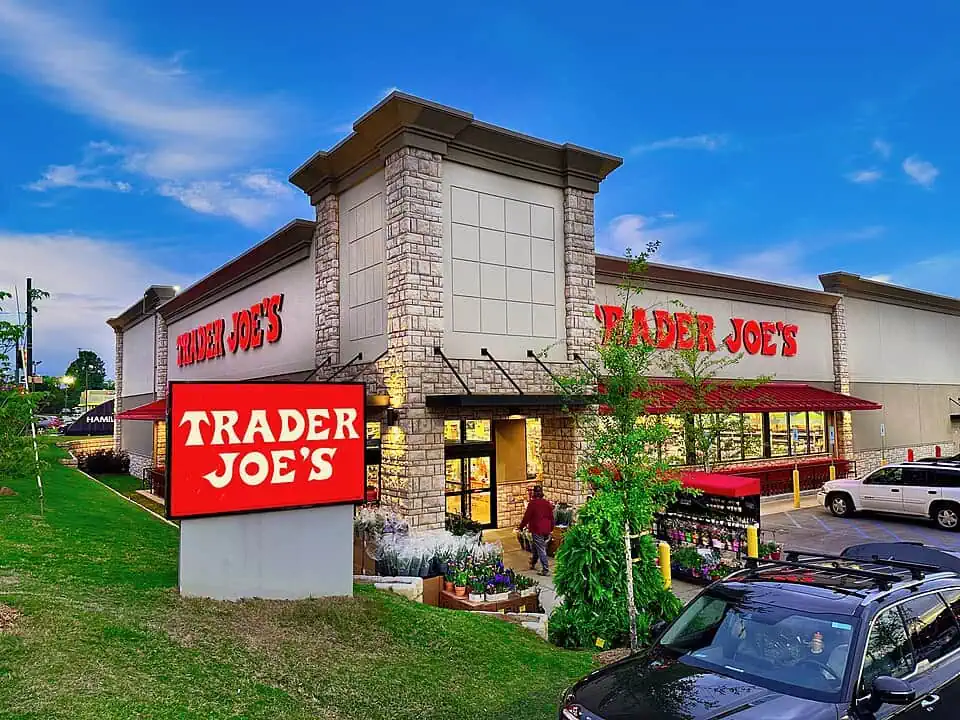
Launched in 1967, Trader Joe’s first catered to a generation discovering international foods. With Hawaiian shirts, hand-drawn signs, and unique imports, it felt fun and rebellious a break from cookie-cutter chains. Its enduring success proves that nostalgia and novelty can happily share one cart.
