
10 Food Shifts Reshaping Latin America’s Food Market in 2026
The Latin American food market is undergoing significant transformation, poised for dramatic shifts by 2026. Emerging trends reflect changing consumer preferences driven by health consciousness, sustainability, and convenience. This evolving landscape presents challenges and opportunities for producers, chefs, and food enthusiasts alike. Understanding these movements will be key to navigating the culinary scene and adapting to the new standards of tastes and expectations.
Plant-Based Proteins Go Mainstream

The rise of plant-based proteins marks a pivotal shift as legumes, grains, and innovative alternatives become everyday staples. Consumers are increasingly drawn to their health benefits and environmental sustainability. Mastering texture and flavor is crucial; think rich lentil stews, quinoa bowls, or jackfruit tacos, seasoned expertly to highlight natural flavors. Experimenting with spices and cooking techniques, such as searing or slow-cooking, enhances these proteins, making them as satisfying as traditional meats.
Ready-to-Eat Meals Take Over
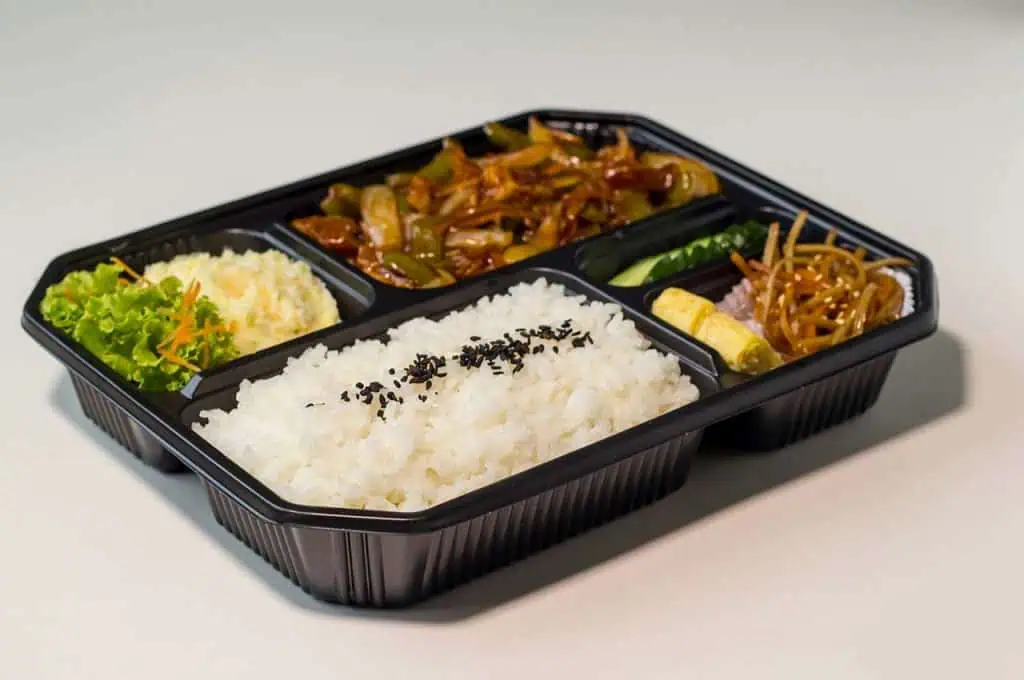
Convenience, without compromising quality, defines the surge in ready-to-eat meals. Busy lifestyles demand quick solutions that still offer home-cooked taste. Freshness is key; focus on using high-quality ingredients and crafting balanced meals that cover nutritional needs. Explore recipes that hold well in packaging, like roasted vegetable grain bowls or tangy ceviche, ensuring vibrant flavors and textures remain intact even after brief microwave reheating.
Functional Beverages Surge

Consumer interest in wellness has led to a booming market for functional beverages. Products infused with probiotics, adaptogens, or antioxidants are becoming staples. The focus is on delicious drinks that deliver health benefits without artificial ingredients. Perfecting balance is key: marry tartness with sweetness, and ensure natural flavors are pronounced. Consider juices with ginger and turmeric for immunity, or chia-infused tropical smoothies for a nutritious energy boost.
Gourmet Snacking Innovations

Gourmet snacks are evolving beyond simple indulgences into sophisticated, health-conscious choices. Crafting these involves more than just flavor; it’s about elevating texture and presentation. Explore innovative combinations like spicy roasted chickpeas or sea salt dark chocolate quinoa bars. Focus on sourcing quality ingredients, and highlight them with artisanal techniques like gentle roasting or spice blending. These snacks should be small but packed with intense flavor and nutritional value.
E-Commerce Grocery Boom

In 2026, Latin America’s grocery sector thrives online, offering exceptional convenience and variety. Fresh produce and staples that once required in-person selection are now just a click away. With this shift, focus on selecting vendors with transparent sourcing to ensure high-quality ingredients. Explore interactive platforms that offer detailed preparation tips, transforming routine purchases into culinary adventures. Home cooks gain unprecedented access to specialty items, fostering creativity and experimentation in everyday meals.
Sustainability Earns Loyalty
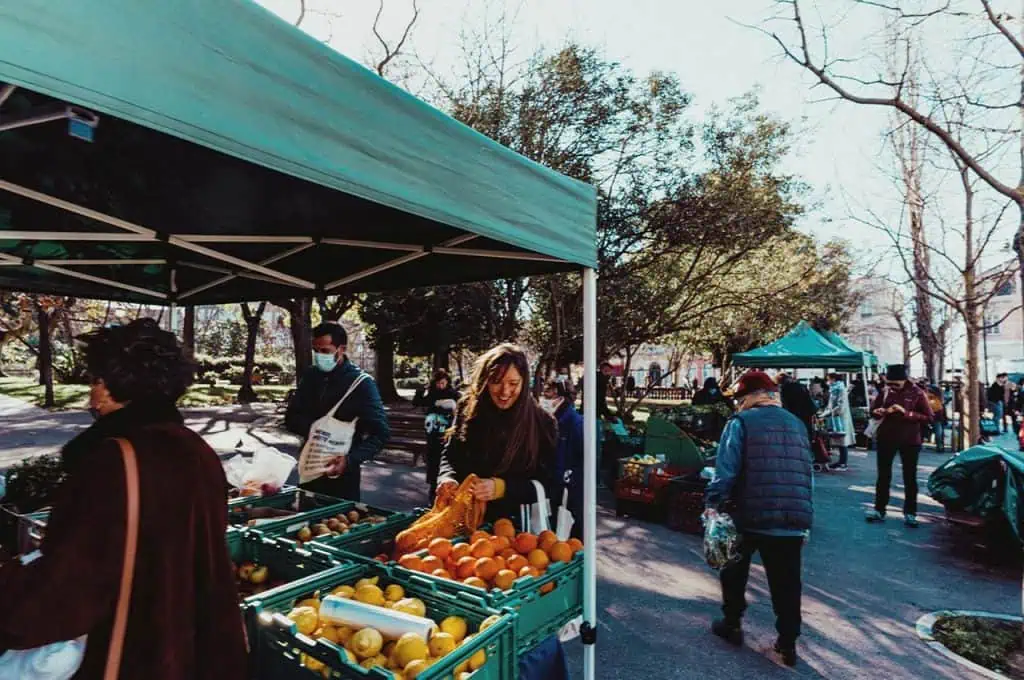
Consumers increasingly prioritize eco-friendly practices, influencing their purchasing habits. Brands focusing on local sourcing, reduced waste, and ethical practices enjoy enhanced customer trust. Look for products with clear labels about their origins and production processes. Understanding the journey from farm to table not only supports the environment but also enriches the cooking experience. Embrace the shift towards plant-forward diets, integrating sustainably grown grains and vegetables that offer vibrant flavors and textures.
Street Foods Packaged Fresh

Street food, a cornerstone of Latin American culinary culture, finds a new home in fresh, portable packaging. These ready-to-eat delights maintain the authentic taste and appeal of traditional street stalls. Products emphasize crispness and bold flavors, capturing the essence of popular dishes like empanadas and arepas. For home cooks, this trend offers inspiration; mimic these flavors by focusing on achieving the perfect texture and spice balance through thoughtful seasoning and cooking techniques.
Convenience Foods Upgrade

The evolution of convenience foods prioritizes quality and nutrition without sacrificing ease. Pre-made meal kits and enhanced frozen options now incorporate premium ingredients and gourmet recipes, perfect for time-strapped cooks seeking indulgence. Look for offerings that feature artisanal touches, like handmade pastas or chef-crafted sauces. At home, take cues from these products by simplifying complex recipes into manageable steps, ensuring that taste and presentation remain top-notch with minimal effort.
Global Flavors Meet Local

Culinary fusion thrives as global influences merge with local flavors, creating dishes that are both exotic and familiar. Discover ingredients like gochujang or miso incorporated into traditional recipes, creating exciting new dimensions. Embrace these influences by experimenting with spice blends or sauces borrowed from various cuisines. This approach enhances traditional Latin American dishes, offering fresh interpretations without losing cultural authenticity. Balance is key, ensuring each ingredient shines harmoniously.
Premium Products Gain Fans

Increasingly, consumers in Latin America are seeking high-quality, premium food products. This shift is driven by an expanding middle class and a growing interest in health-conscious, sustainable options. Artisanal goods and organic staples are becoming more prevalent, offering both enhanced flavors and superior nutrition. Producers focus on refining traditional methods with technology to elevate product standards. Attention to sourcing and ethical supply chains is crucial, meeting demands for transparency. This trend challenges home cooks to explore rich ingredients that celebrate quality over quantity, transforming simple dishes into gourmet experiences.
