
10 Everyday Groceries From the 70s That Would Trigger a Store Shutdown Today
If you walked into a grocery store in the 1970s, you’d probably be shocked. Eggs sitting out at room temperature? Kids digging their hands into bulk candy bins? Loose ground beef just chilling on display? Cigarettes right next to the produce? And what about those returnable soda bottles that weren’t always cleaned properly? It sounds wild now, but back then, it was just how things were. Food safety standards have come a long way. Today, we have strict refrigeration rules, sealed packaging, hygiene protocols, and clear labeling. And while we might look back with nostalgia, we can also be grateful that our food is safer, fresher, and better regulated than it was 50 years ago.
So if you’re curious about how grocery shopping used to be—and how much it’s changed—you’re in the right place. In this article, we’re breaking down 10 surprising grocery practices from the 1970s that would never fly today, from DIY peanut butter machines and all-day open food samples to pull-tab milk cartons and price tags painted on the floor. You’ll learn why these practices were phased out, what modern safety standards replaced them, and even a few tips for bringing safer, smarter practices into your own kitchen. No judgment. Just a fascinating look at how far we’ve come. Let’s take a trip back in time.
Eggs Left Out for Hours
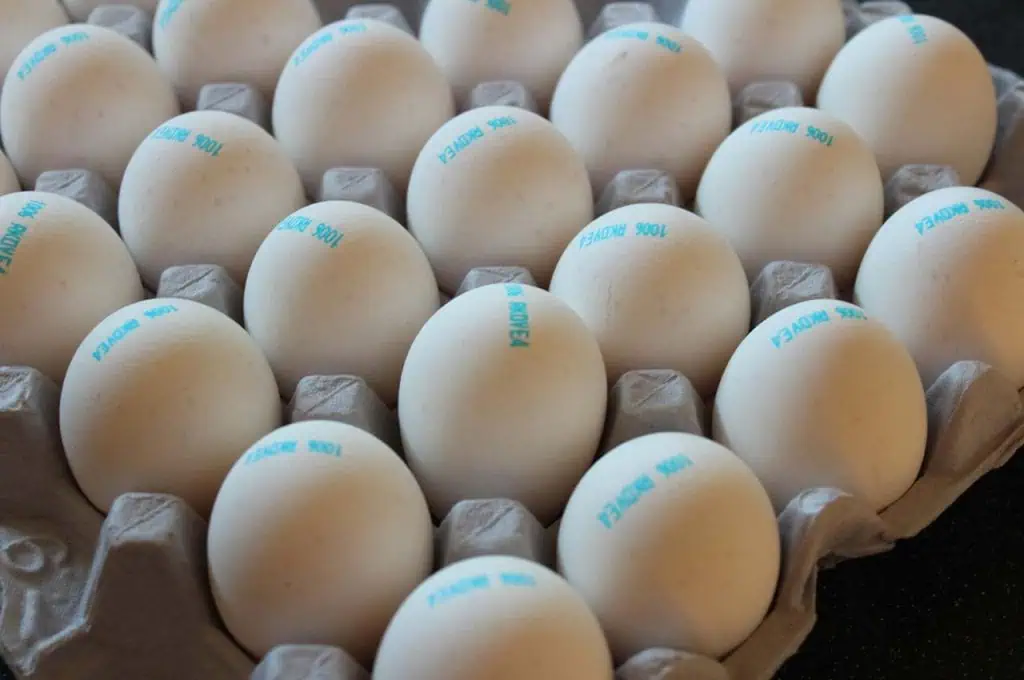
During the 1970s, it wasn’t unusual to find eggs unrefrigerated in grocery stores. Today, we know that eggs are highly perishable and must be kept cold to prevent bacterial growth, such as salmonella. Modern practices ensure eggs are promptly refrigerated, preserving freshness and enhancing safety, thus preventing potential health risks for consumers.
Kids’ Hands in Bulk Candy Bins

Bulk candy bins were irresistible to children in the past, often resulting in little hands dipping into them freely. Present-day stores emphasize hygiene by providing scoops and tongs, preventing direct contact with food. This protects against contamination, maintaining both health standards and consumers’ trust in the quality of their purchases.
Loose Ground Beef Displays

Grocery stores once showcased mounds of ground beef exposed to air and potential contaminants. Today, packaging ensures meat is shielded from germs and maintained at safe temperatures. This not only preserves the meat’s texture and juiciness but also upholds rigorous food safety standards essential for consumer protection.
Cigs Next to Fresh Produce
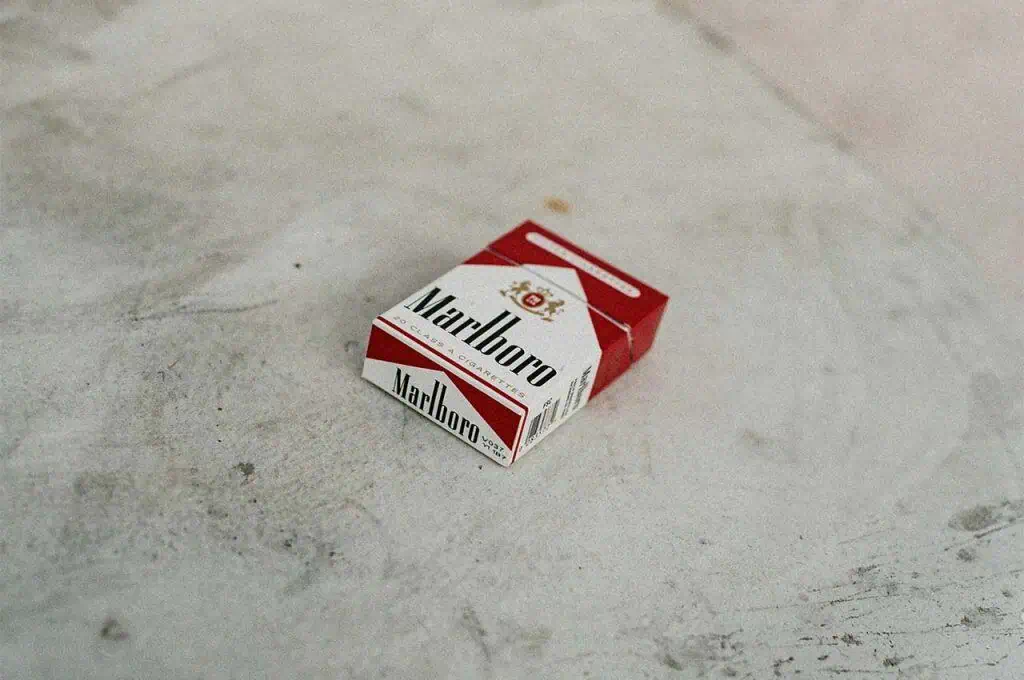
In past decades, cigarettes were often displayed beside fresh produce, a juxtaposition unthinkable today. Modern regulations advocate for the separation of tobacco and food items, recognizing the importance of a healthy shopping environment. This shift reflects a broader understanding of consumer health and the need for clean air in food settings.
DIY Peanut Butter Gone Rogue
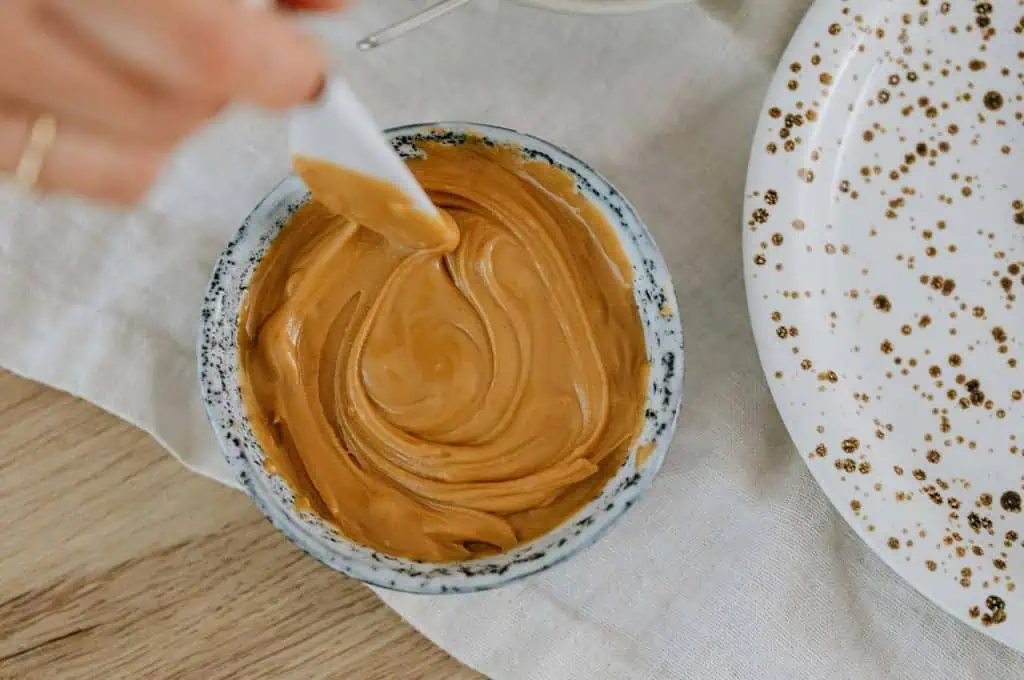
In the 1970s, some grocery stores offered do-it-yourself peanut butter machines. Customers would grind peanuts on-site, resulting in a delightful, fresh spread. However, sanitation was often overlooked, leading to cross-contamination and hygiene issues. Today, health regulations demand precision and cleanliness, preventing such free-for-all operations. Modern home cooks seeking freshness can replicate this by using food processors, ensuring clean equipment and fresh ingredients for a safe, creamy result.
Sticky Soda Bottle Returns

Returnable soda bottles were common in the 70s, where glass containers came back to the stores for reuse. The practice often left sanitation gaps, as residues and germs weren’t fully eliminated. Today, health codes require strict sterilization protocols that these older methods couldn’t meet. For those seeking a sustainable touch, invest in a home carbonation system. This allows control over ingredients and cleanliness, providing modern convenience without the outdated hazards.
Price Tags Painted on Floors
Stores once painted bright, unavoidable price tags directly on the floors. While eye-catching, this method hindered cleanliness and caused slip hazards. Shoppers navigated around peeling paint, oblivious to potential allergens. Today, digital displays and shelf stickers offer precise information while upholding safety standards. For organized home kitchens, label pantry shelves and containers for clarity, using removable adhesive for ease and flexibility instead of dealing with residue.
Uncovered Deli Meat Disasters
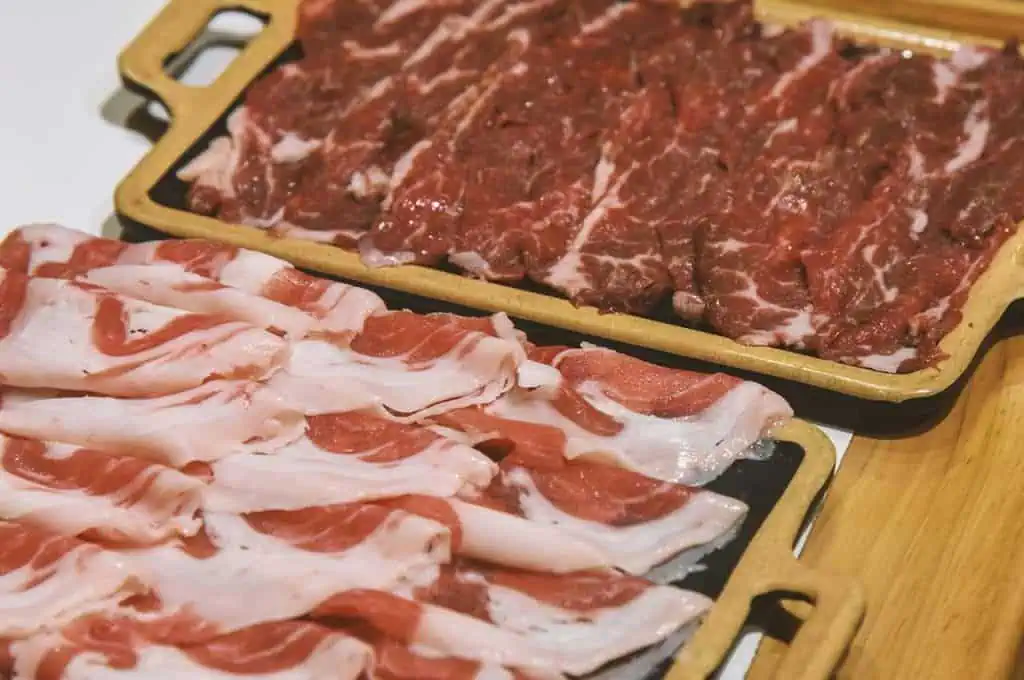
In the past, deli counters often displayed meats without proper covering, exposing them to contamination. This posed serious health risks, especially with the lack of stringent monitoring. Today, packaging insists on airtight seals and proper storage temperatures. For the discerning home cook, invest in vacuum-sealer machines or ensure meats are tightly wrapped in freezer paper to maintain freshness and hygiene, replicating deli-quality conditions without compromise.
Pull-Tab Milk Carton Perils
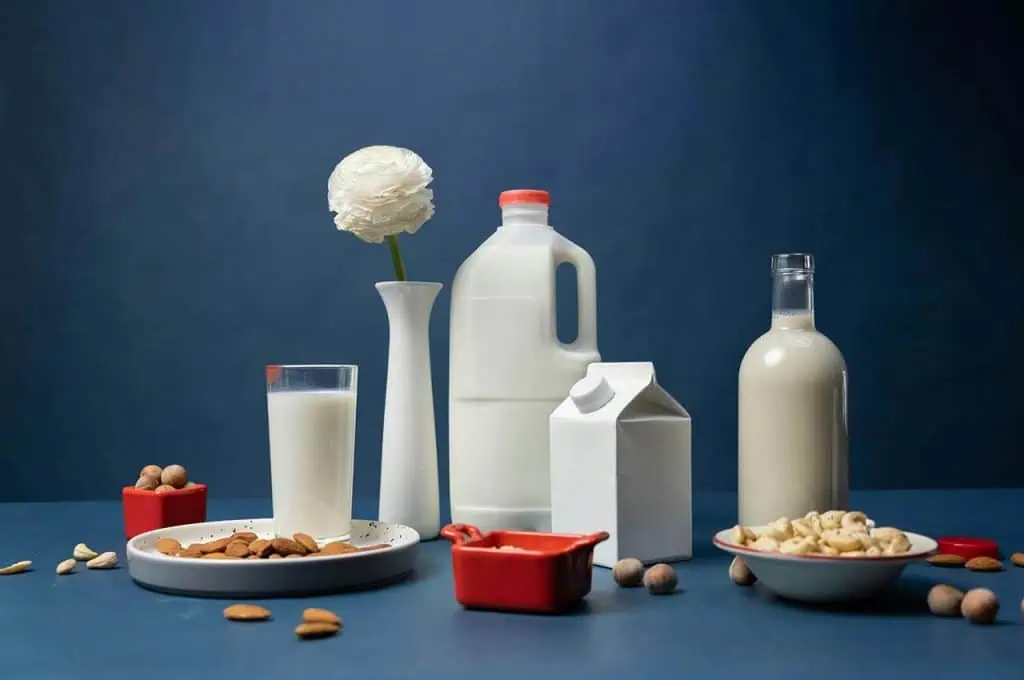
The pull-tabs on milk cartons were once the norm, frequently resulting in spills and leaks due to inefficient sealing. These cumbersome designs didn’t ensure freshness, risking spoilage. Modern cartons boast improved closures that extend shelf life and prevent accidents. For home storage, transfer milk to glass bottles or carafes with secure lids, offering a blend of convenience and durability while preserving the integrity and taste.
All-Day Open Food Samples

In the 1970s, all-day open food samples were a staple in grocery stores, enticing shoppers with free tastes of cheese cubes, deli meats, and crackers. However, today’s stringent health regulations regard the lack of barriers and temperature control as a significant health risk. Back then, these samples sat unprotected for hours, exposed to potential contamination. Nowadays, maintaining food at safe temperatures and shielding from direct contact with customers are essential practices, ensuring consumer safety and meeting health standards.
