
10 Common Cooking Habits That Make Healthy Foods Less Healthy
Small adjustments in cooking habits can significantly enhance the nutritional value of meals. Common practices we rely on might inadvertently strip away essential nutrients or add unnecessary calories. Understanding these habits is key to achieving a healthier cooking repertoire without sacrificing flavor or satisfaction.
Losing Nutrients: A Hidden Cost

Frequent peeling and trimming can remove nutrient-rich layers from fruits and vegetables. Much of a plant’s vitamins lie just beneath the skin, so consider washing produce thoroughly instead. Steaming rather than boiling preserves more nutrients, as excessive water can leach vitamins away. Embrace these subtle changes to maintain maximum nutritional content in your dishes.
Overcooking Veggies: Nutrient Nightmare

Overcooking vegetables diminishes their nutritional value while compromising texture. Aim for crisp-tender results by watching cooking times closely. Quick steaming or stir-frying preserves vitamins, bringing out vibrant flavors and colors as well. Taste and test while cooking to maintain that perfect bite, ensuring your meals are both nutritious and appealing to the senses.
Excessive Oil: More Fat, Less Fit

While oils add depth and flavor, too much can turn a healthy dish into a calorie-laden one. Practice drizzling or brushing oil instead of pouring, and use non-stick pans to reduce quantity. Choose oils like olive or avocado for their heart-healthy benefits and measure carefully to keep dishes light yet satisfying without compromising taste.
The Frying Trap: Grease Overload

Frying food immerses ingredients in oil, dramatically increasing calorie content. To enjoy classic fried textures with less fat, explore techniques like oven-baking with a crispy coating or air frying. These methods offer the indulgence of fried foods while significantly reducing unhealthy grease. Opt for these alternatives to savor flavor without guilt.
Salty Seasoning: Sodium Saboteur

Excessive salt can transform a healthy dish into a nutritional setback. To maintain flavor without overloading sodium, explore herbs and spices such as rosemary, thyme, and garlic powder. These add depth without relying on salt. Taste as you go and consider using citrus or vinegar to brighten flavors subtly. Remember that many ingredients, like soy sauce or canned beans, already contain salt, so adjust accordingly.
Sugar Shock: Sweetening Savory Dishes

Adding sugar to balance savory dishes can quickly turn a meal into a sugar-laden experience. Instead, rely on natural sweetness from ingredients like caramelized onions, roasted carrots, or sweet potatoes. These alternatives offer complexity without the need for refined sugars. They enhance the dish while providing nutritional benefits, keeping meals both delicious and healthy.
White Flour Overuse: Grain Dilemma

Relying heavily on white flour can diminish the nutritional value of your meals. Opt for whole-grain or alternative flours like almond or chickpea, which offer more fiber and nutrients. When baking or frying, experiment with these options to improve texture and flavor. This small change can enhance the healthiness of your dishes significantly, without sacrificing taste or quality.
Too Much Dairy: Creamy Calamities
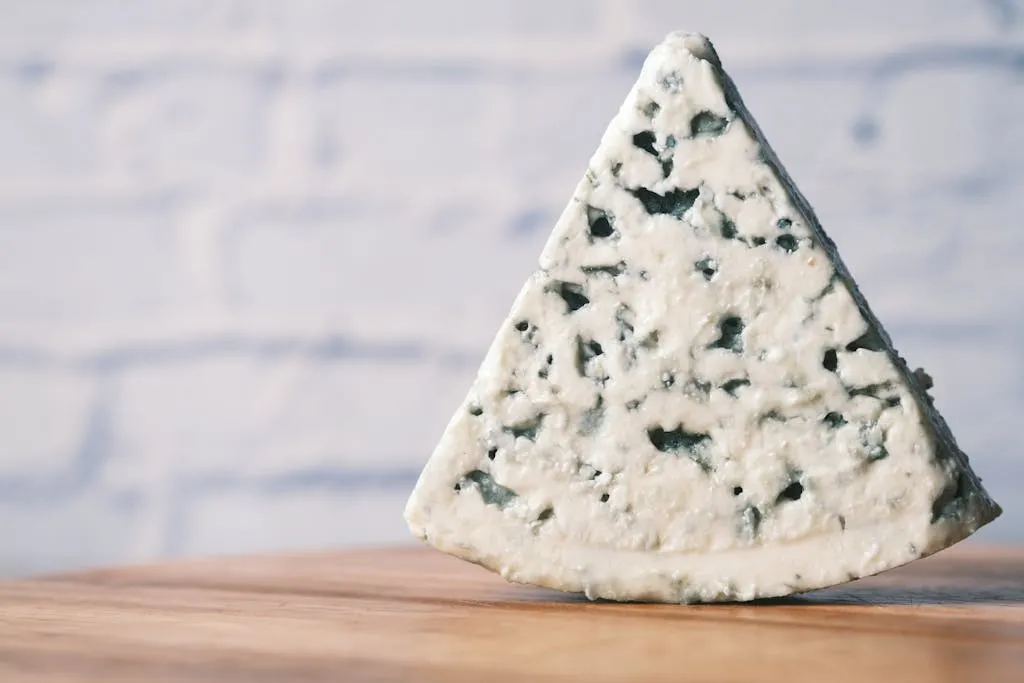
While dairy can add richness, it often packs in unnecessary fats and calories. Try using plant-based oils or avocados for creaminess. Coconut milk or almond milk can be excellent substitutes, offering similar textures with fewer calories. Cheese lovers can downsize portion sizes or choose sharper varieties, as a little goes a long way to maintain flavor intensity without overindulgence.
Ignoring Portions: Serving Size Secrets
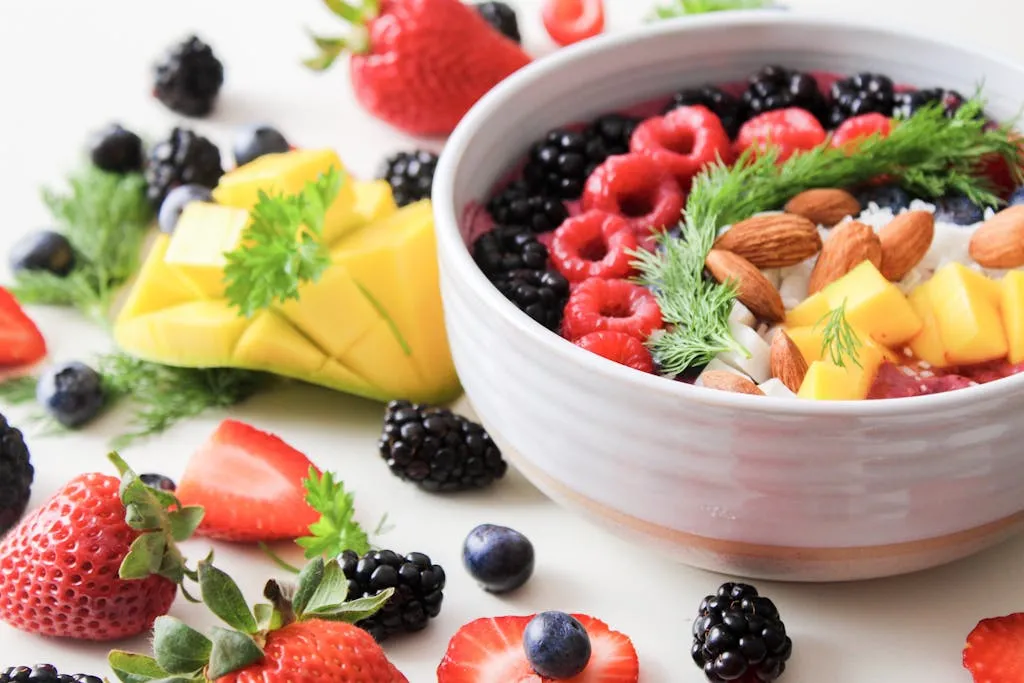
Balancing your portion sizes is key to maintaining a healthy diet. Use smaller plates to naturally reduce servings, and consider the proportions of your plate—aim for half vegetables, a quarter lean protein, and a quarter whole grains. Mindful eating encourages slower consumption and allows you to enjoy the meal fully, reducing the likelihood of overeating and promoting better digestion.
Skipping Whole Foods: Processed Pitfalls
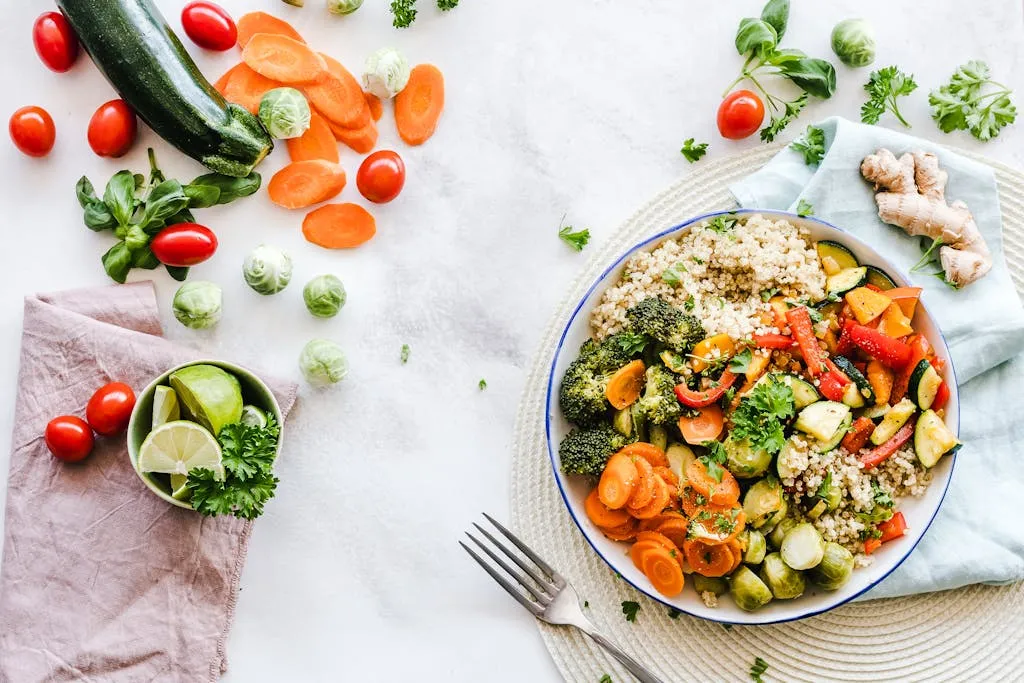
Utilizing whole foods is crucial for maintaining nutritional integrity in meals. When whole grains, fresh vegetables, and lean proteins are swapped for their processed counterparts, vital nutrients and fibers are lost. Processed foods often contain hidden sugars, sodium, and unhealthy fats, which diminish their health benefits. Opting for whole foods not only enhances flavor and texture but also provides a more satisfying eating experience. Prioritize buying fresh produce, whole grains like quinoa or brown rice, and unprocessed meats to ensure your dishes retain their healthful essence.
