
10 American Street Foods That Evolved Into Fine-Dining Favorites
American street food has always been about accessibility, bold flavor, and creativity but in recent years, chefs have transformed many of these humble eats into fine-dining standouts. What once cost a few dollars at a cart or stand is now plated with precision, sourced with premium ingredients, and served in white-tablecloth restaurants. This evolution reflects both nostalgia and innovation, proving that great food doesn’t need elite origins to earn gourmet status. These iconic street foods made the leap from curbside to culinary prestige.
Hot Dogs
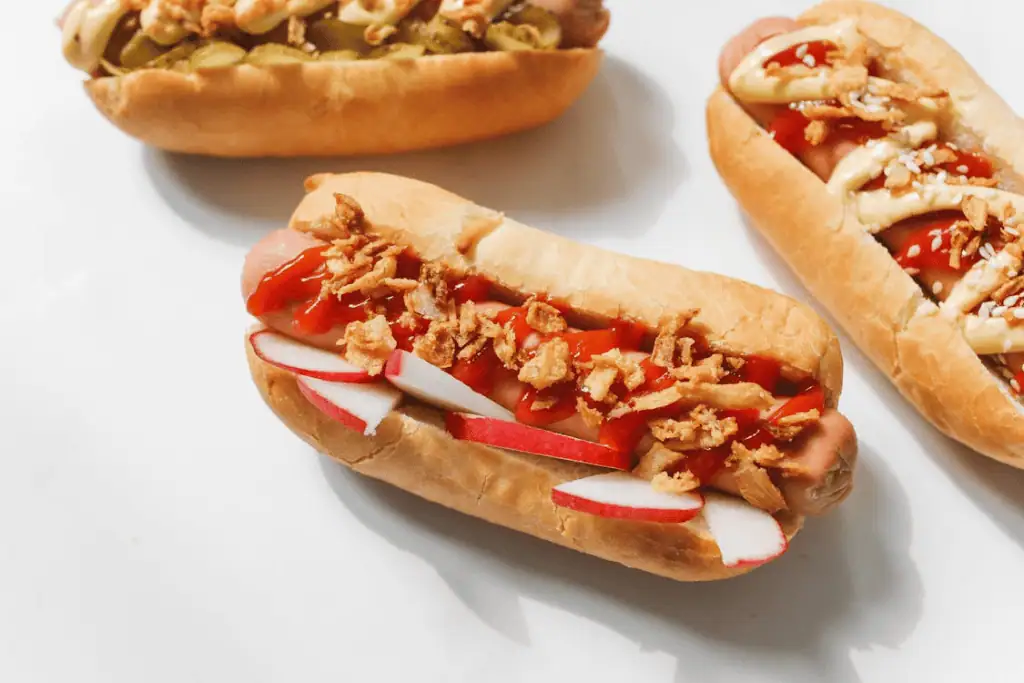
Hot dogs began as inexpensive street fare sold outside ballparks and on city corners, valued for speed and affordability. Fine-dining chefs later reimagined them using house-made sausages, artisanal buns, and gourmet toppings like truffle mustard or foie gras. The essence remains the same a sausage in a bun but technique and ingredient quality elevated it dramatically. What was once a quick bite now appears on tasting menus as a playful nod to American food culture.
Tacos
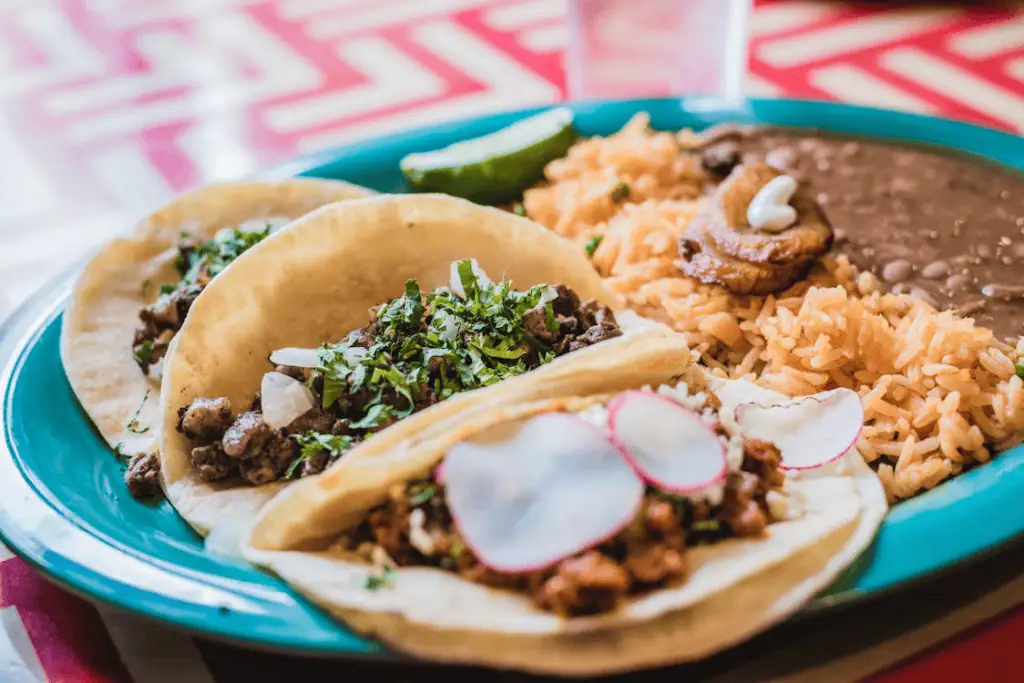
Originally sold from trucks and sidewalk stands, tacos were built on simplicity and regional identity. As chefs explored traditional Mexican techniques and premium sourcing, tacos entered upscale restaurants with handmade tortillas, slow-braised meats, and refined plating. Fine-dining versions preserve bold flavors while emphasizing craftsmanship. The taco’s adaptability allowed it to transition seamlessly from street staple to gourmet centerpiece.
Fried Chicken
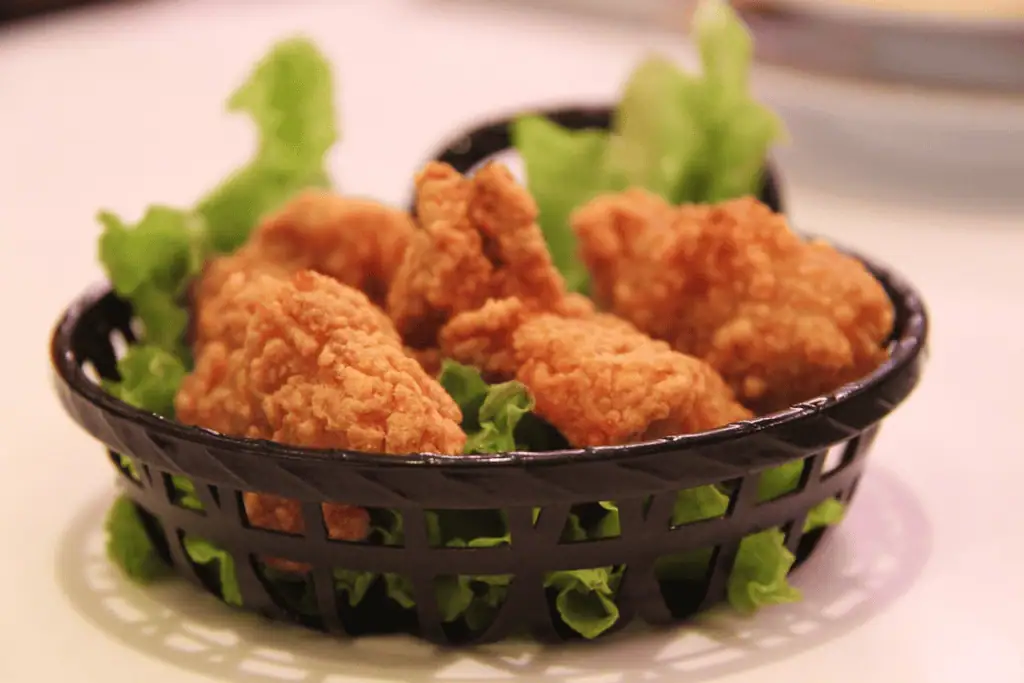
Fried chicken’s street and roadside roots lie in its portability and irresistible crunch. In fine dining, chefs refined the dish by brining carefully, frying with precision, and pairing it with elevated sides like honey gastrique or fermented slaw. The comfort remains intact, but the execution becomes deliberate and polished. This evolution highlights how technique alone can transform a familiar food into a luxury experience.
Burgers
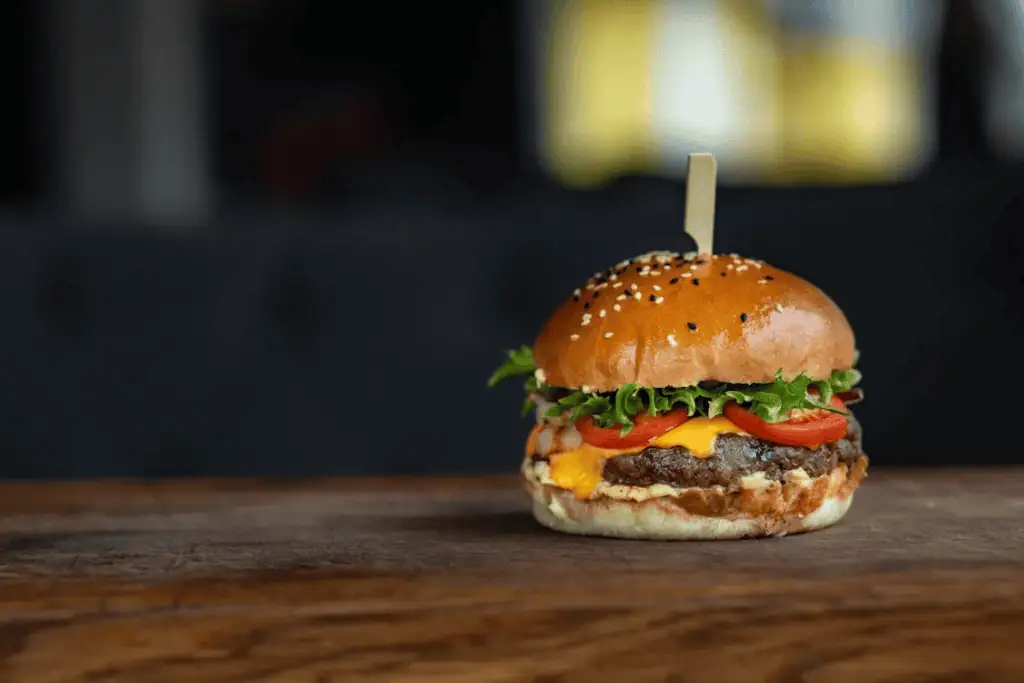
Once the definition of casual street food, burgers have become one of fine dining’s most successful reinventions. Upscale versions feature dry-aged beef, brioche buns, and chef-crafted sauces while retaining the burger’s core appeal. Many high-end restaurants now offer burgers as signature items rather than afterthoughts. The burger’s rise proves that indulgence and sophistication can coexist.
Lobster Rolls
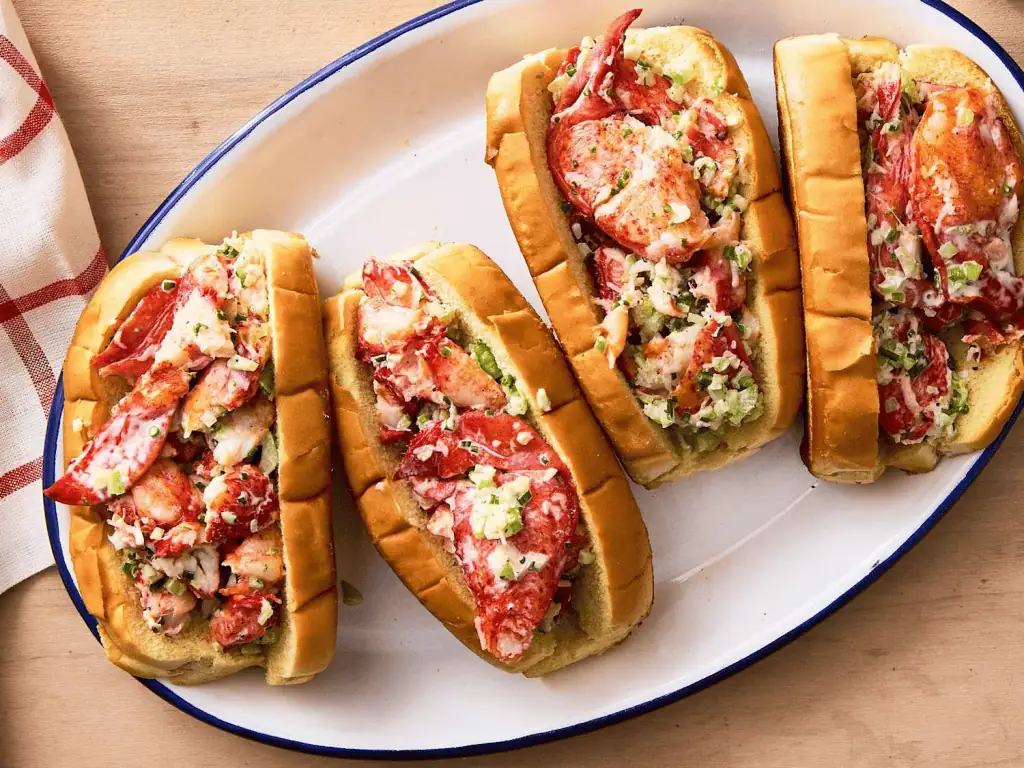
Lobster rolls started as a working-class coastal snack, served simply with butter or mayo. As lobster gained luxury status, the roll followed, appearing on fine-dining menus with premium sourcing and precise preparation. Chefs refined proportions, bread quality, and seasoning, turning a humble seaside food into a high-priced delicacy. Its transformation mirrors America’s changing relationship with seafood.
Pretzels
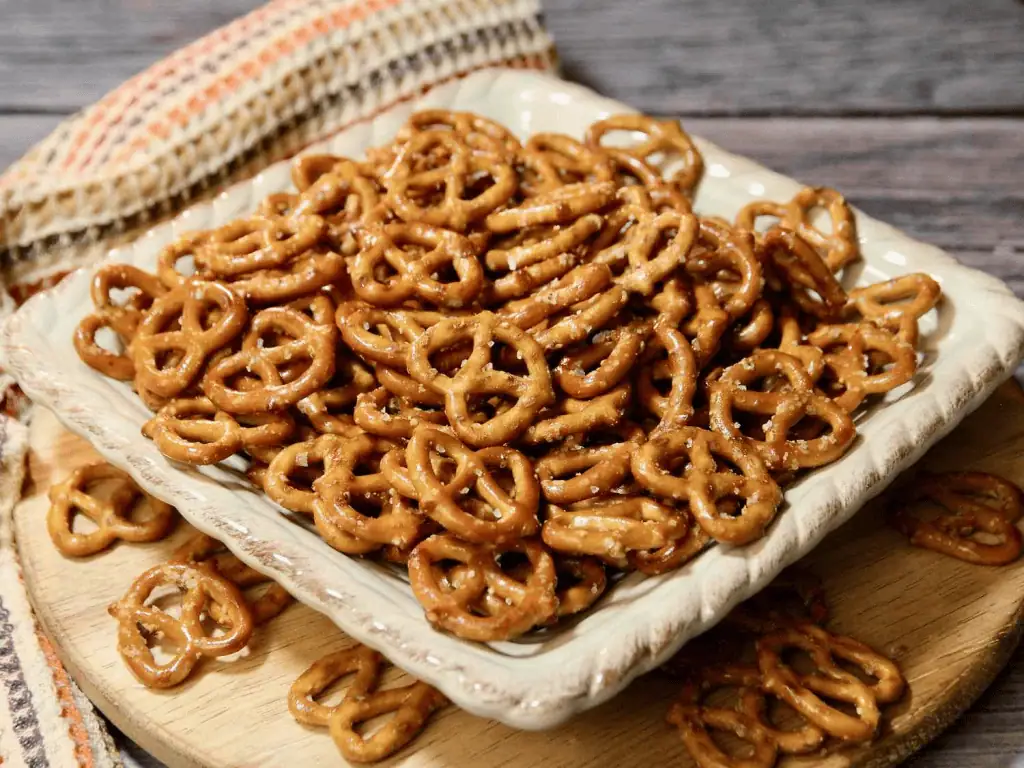
Soft pretzels were once synonymous with street vendors and stadiums. In fine dining, they reemerged as artisanal bread courses, often paired with cultured butter or cheese sauces. Chefs emphasized fermentation, texture, and presentation while maintaining the pretzel’s comforting identity. The result feels nostalgic yet refined, bridging casual snacking and formal dining.
Barbecue Brisket
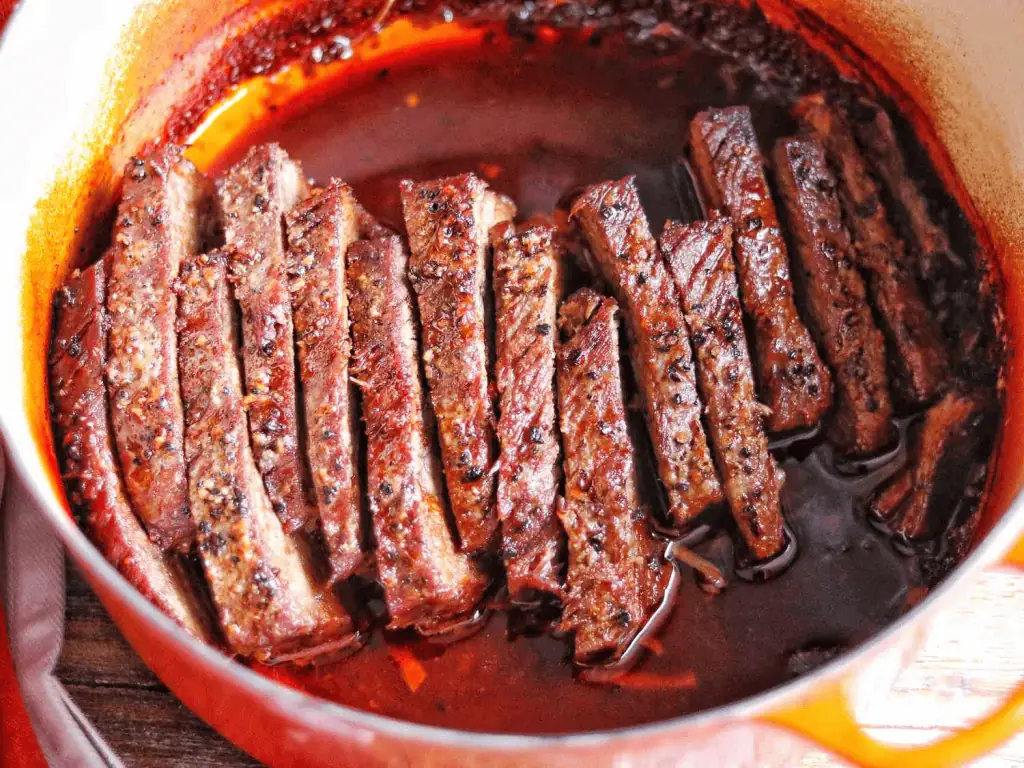
Barbecue brisket was traditionally sold roadside or at informal smokehouses, prized for its low-and-slow preparation. Fine-dining chefs embraced those same techniques but added meticulous sourcing, precise smoking methods, and elegant plating. Brisket now appears in upscale tasting menus as a symbol of American regional cooking. Its rise honors tradition while celebrating culinary discipline.
Corn Dogs
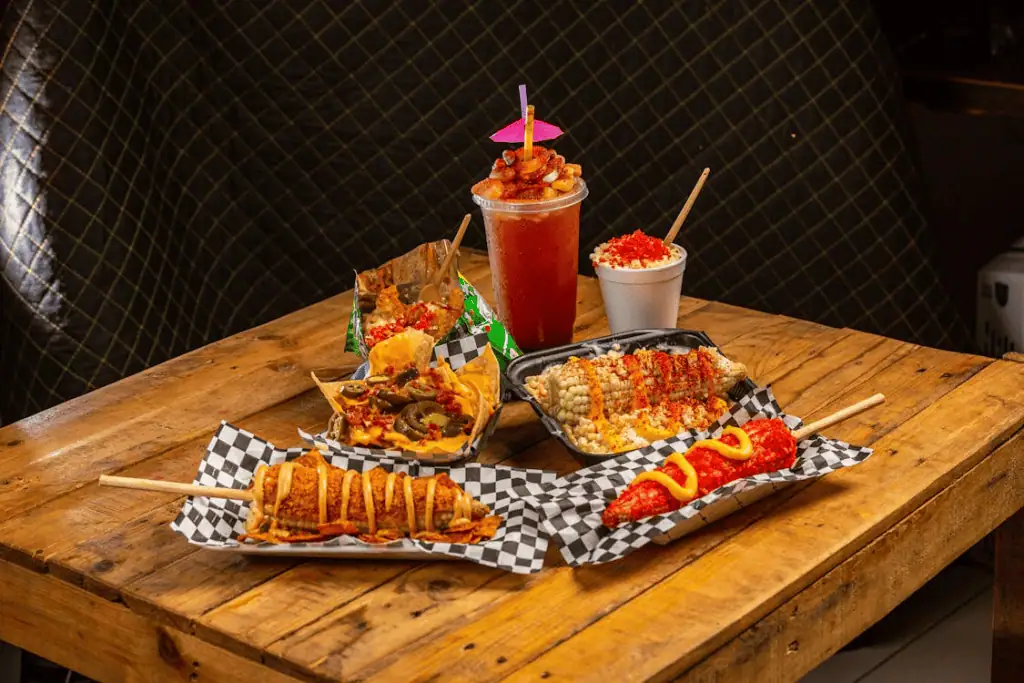
Corn dogs began as fairground novelty foods, designed to be handheld and fun. Modern chefs have reinvented them using high-quality sausages, refined batters, and creative dipping sauces. Presented as small plates or amuse-bouches, they evoke nostalgia while showcasing craftsmanship. The transformation proves even playful foods can earn gourmet respect.
Pizza
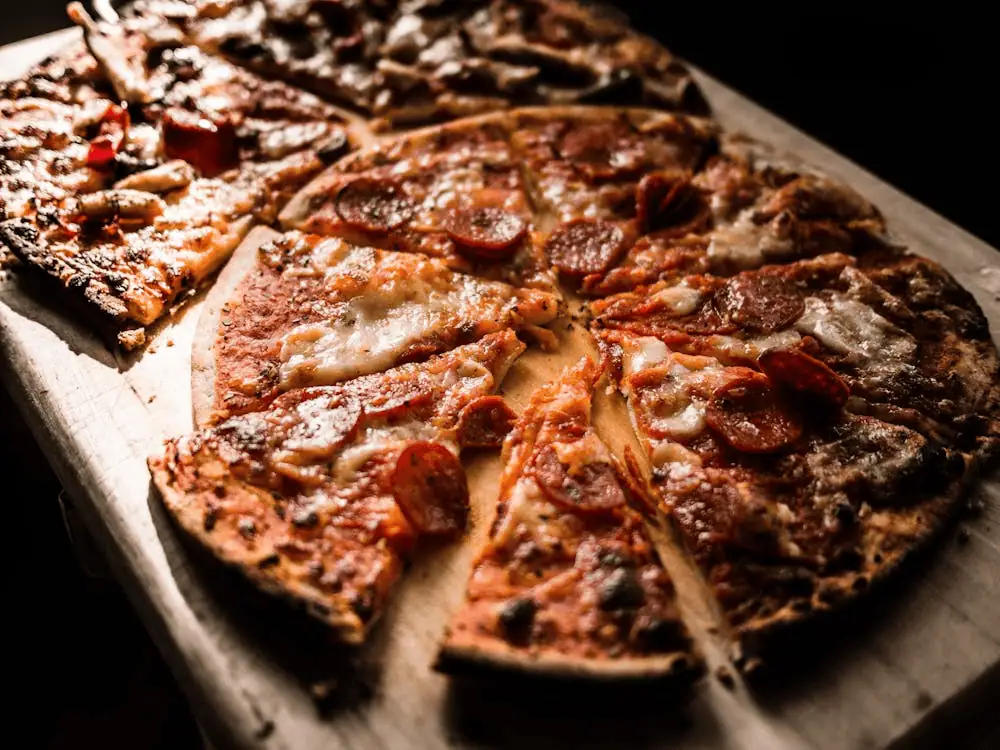
Originally sold by the slice from street counters, pizza has undergone one of the most dramatic fine-dining evolutions. Chefs focused on dough fermentation, premium cheeses, and seasonal toppings to elevate it into an artisanal dish. In upscale settings, pizza becomes intentional and restrained rather than overloaded. Its rise reflects America’s growing appreciation for technique over excess.
Doughnuts

Doughnuts were once cheap street treats meant for quick indulgence. Gourmet bakeries and fine-dining chefs transformed them using brioche doughs, complex glazes, and plated presentations. Some versions now feature unexpected fillings or savory elements, blurring dessert boundaries. Despite the upgrade, the doughnut’s comforting sweetness remains its defining trait.
