
10 American foods that are banned in other countries
That box of mac and cheese or bag of chips in your pantry might look perfectly ordinary in the U.S., but abroad, some familiar American foods raise serious red flags. Different countries have different rules about additives, hormones, dyes, and processing methods, which means a food that’s common here can be banned or heavily restricted somewhere else. Here’s a look at 10 American foods and ingredients that have sparked international pushback.
Farm-Raised Salmon
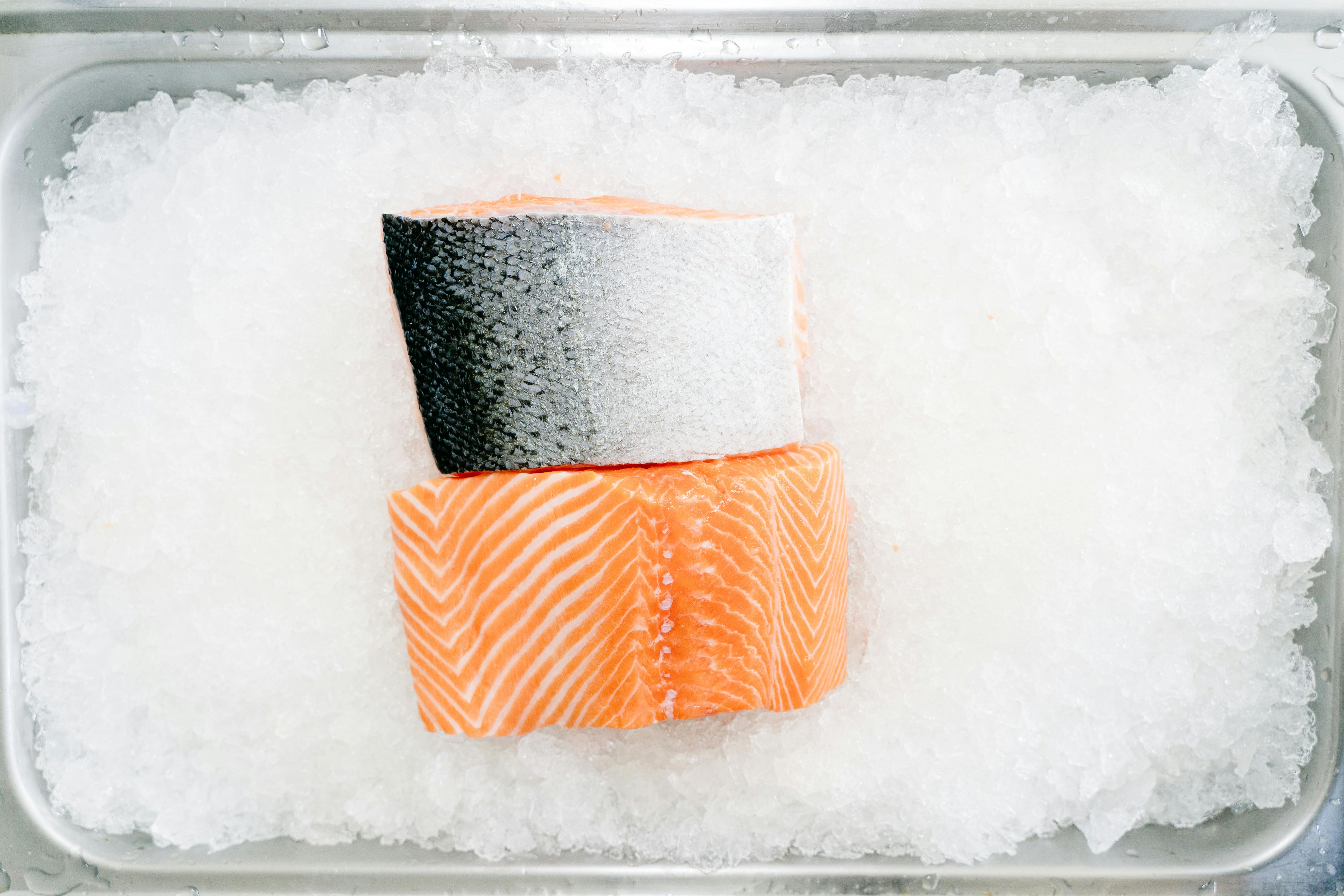
Farm-raised salmon sold in the U.S. often contains synthetic astaxanthin, a coloring added to give the fish that rosy, appetizing hue shoppers expect. It’s one of those ingredients many people never think about, but it has drawn scrutiny in places with stricter food standards.
Australia and New Zealand have taken issue with some forms of synthetic additives used in salmon production, and imported seafood can face tighter review depending on how it was raised and colored. The broader concern isn’t just the fish itself, but the industrial farming practices behind it.
It’s a reminder that “healthy” foods aren’t always viewed the same way everywhere. Even something as wholesome-sounding as salmon can become controversial once additives and farming methods enter the picture.
Chicken Washed With Chlorine
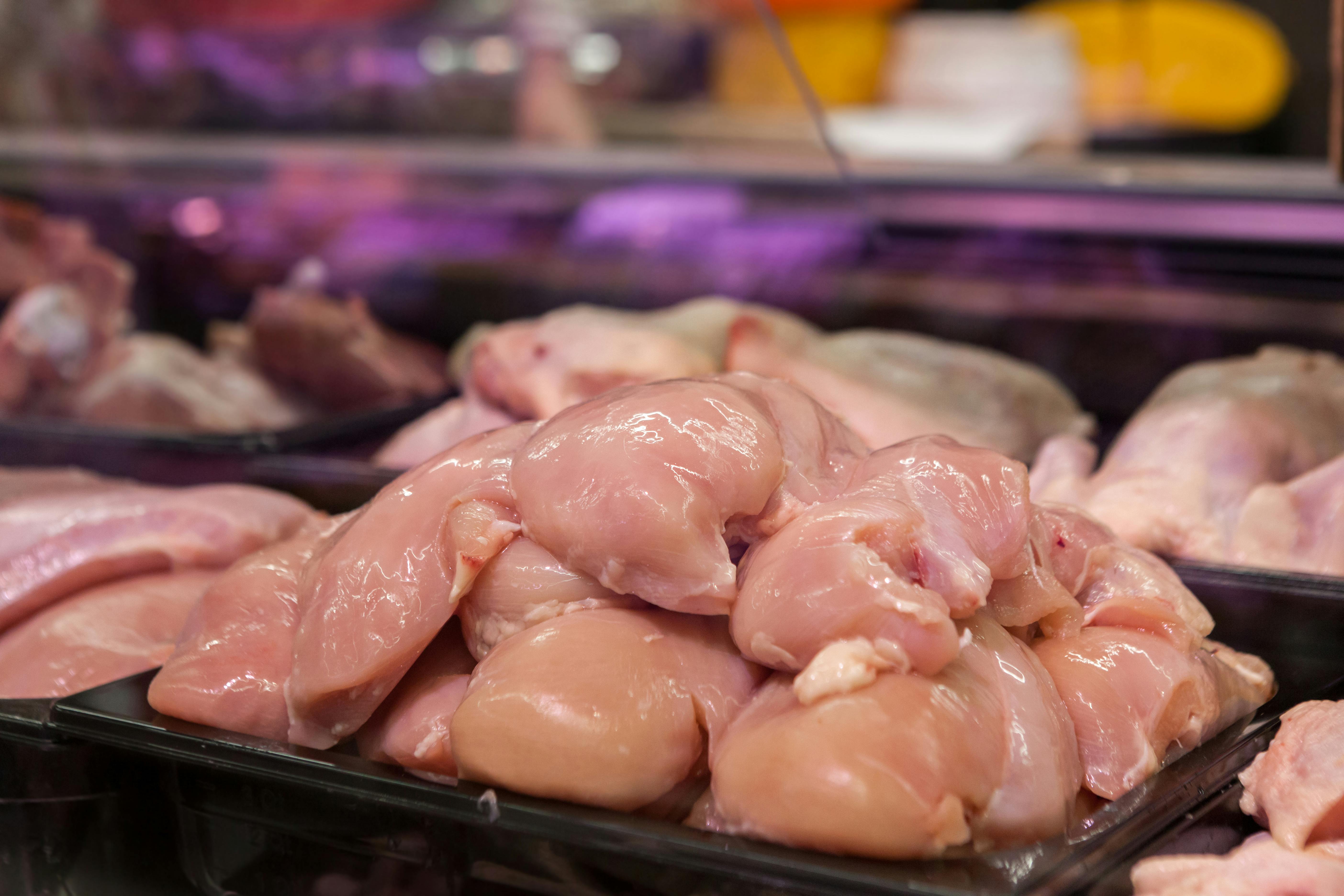
In the U.S., it has long been common for processed chicken to be rinsed or treated with antimicrobial washes, including chlorine-based solutions, to reduce bacteria. American regulators say the practice is safe within approved limits, but plenty of countries are not convinced.
The European Union has famously pushed back on chlorinated chicken for years. The objection is partly about the rinse itself and partly about what it represents: a food system that cleans up contamination at the end instead of preventing it earlier in production.
That’s why this issue shows up so often in trade debates. To many critics overseas, chlorine-washed chicken is less about chemistry and more about agricultural standards from farm to factory.
Milk From rBGH-Treated Cows
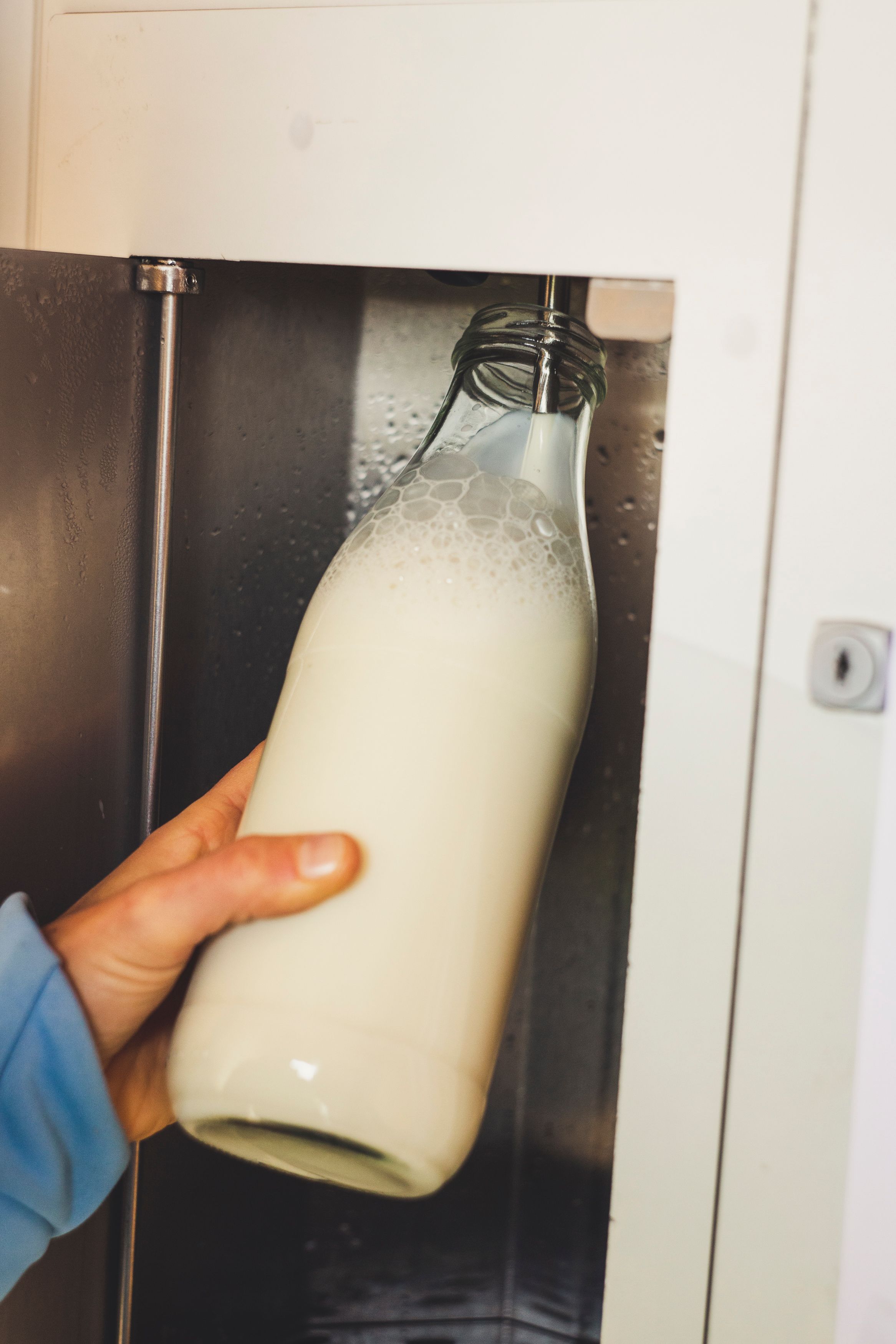
Some American dairy farms have used recombinant bovine growth hormone, or rBGH, to help cows produce more milk. U.S. regulators have approved it, but the ingredient has remained controversial for years among consumer advocates and animal welfare groups.
Countries including Canada and members of the European Union have not approved rBGH for dairy production. Concerns have centered on animal health, possible links to elevated hormone-related compounds, and the broader philosophy of how intensively food animals should be managed.
For American shoppers, this issue often shows up as a label choice, with many brands proudly advertising that their milk comes from cows not treated with rBGH. Abroad, though, the standard can be much stricter from the start.
Pork Products Containing Ractopamine
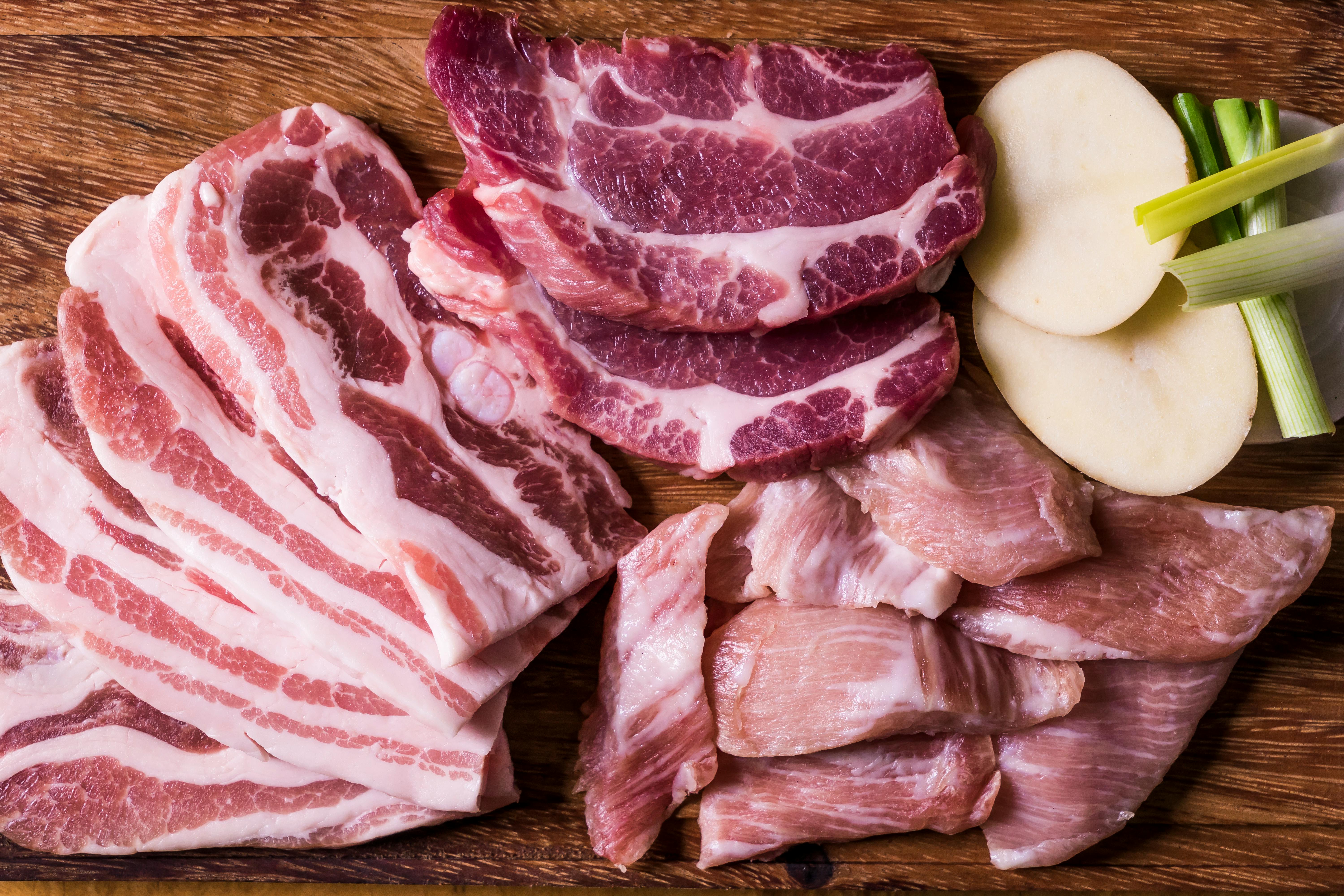
Ractopamine is a feed additive used in the U.S. to promote leaner meat in pigs, and sometimes in cattle and turkeys as well. Supporters say it helps improve efficiency, but it has been one of the most globally disputed substances in American meat production.
Dozens of countries, including China and Russia, have banned or heavily restricted meat from animals treated with ractopamine. Their regulators have cited food safety concerns and residue limits, while U.S. producers have argued that approved use levels are safe.
What makes this one especially tricky is that the disagreement affects international trade in a big way. A pork chop may look ordinary on a dinner plate, but its production history can determine whether it ever crosses a border.
Bread Made With Potassium Bromate

Potassium bromate is a flour additive used to strengthen dough and help bread rise higher with a neat, uniform texture. It has been used in some American baked goods for decades, especially in commercial bread production, though many brands have moved away from it.
The ingredient is banned in the European Union, Canada, and several other countries because of concerns tied to animal studies and potential carcinogenic effects. In the U.S., it remains legal, although California requires warning labels on products containing it.
This is one of those cases where a simple loaf of bread turns unexpectedly complicated. What seems like a basic pantry staple can carry a chemical additive that much of the world would rather leave out entirely.
Breakfast Cereals With Artificial Dyes
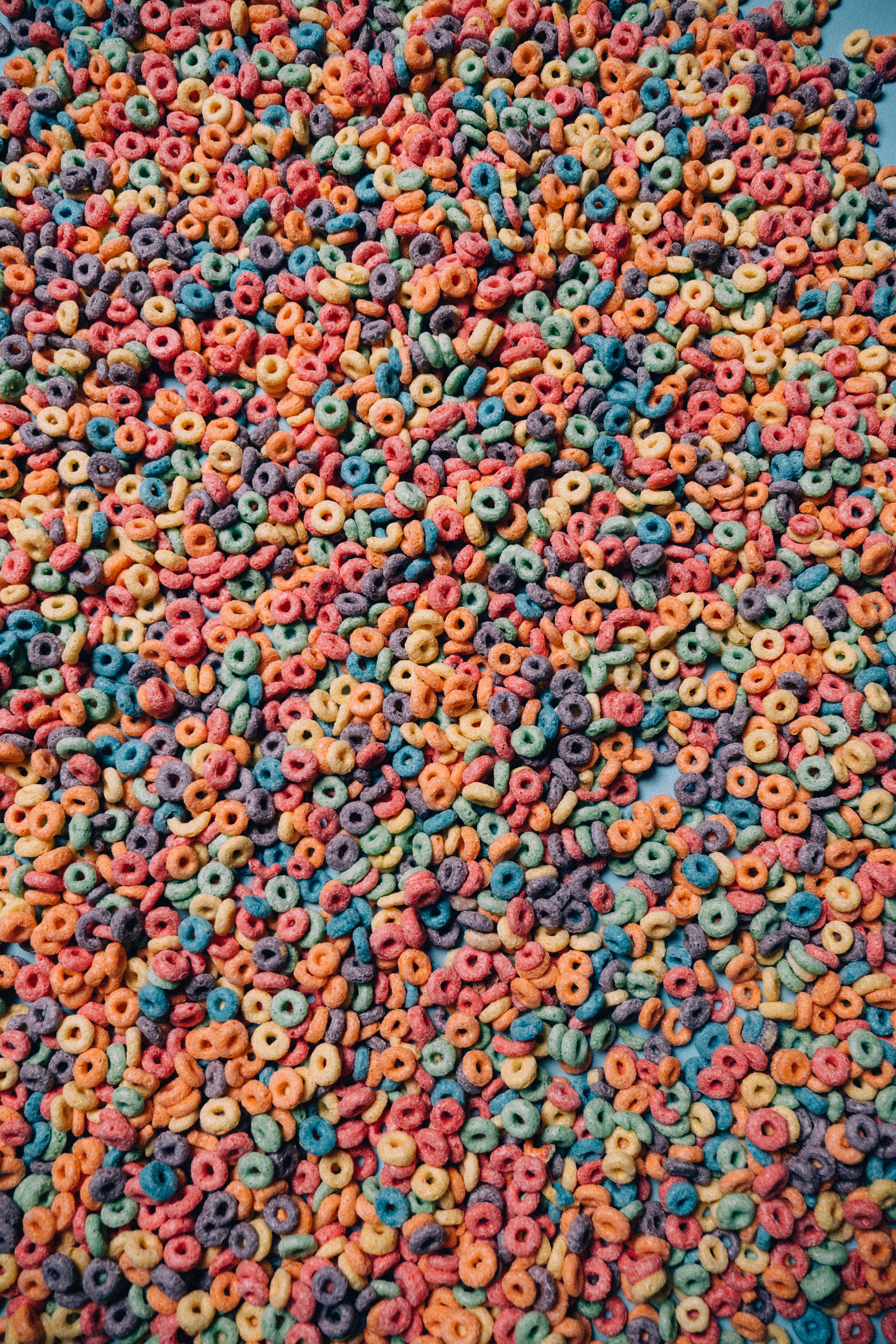
Brightly colored cereals are practically a childhood rite of passage in the U.S., but some of those neon reds, yellows, and blues come from artificial dyes that have faced restrictions elsewhere. Ingredients like Yellow 5, Yellow 6, and Red 40 are especially common in American packaged foods.
In parts of Europe, products containing certain synthetic colorings may require warning labels, and some formulations sold there are made with natural alternatives instead. That means the same cereal brand can look and taste a little different depending on the country.
It’s a fascinating example of how food companies adapt when regulations change. A cartoon-covered cereal box may scream fun in an American aisle, while overseas it often gets a much cleaner ingredient list.
Mac and Cheese Made With Yellow Dyes
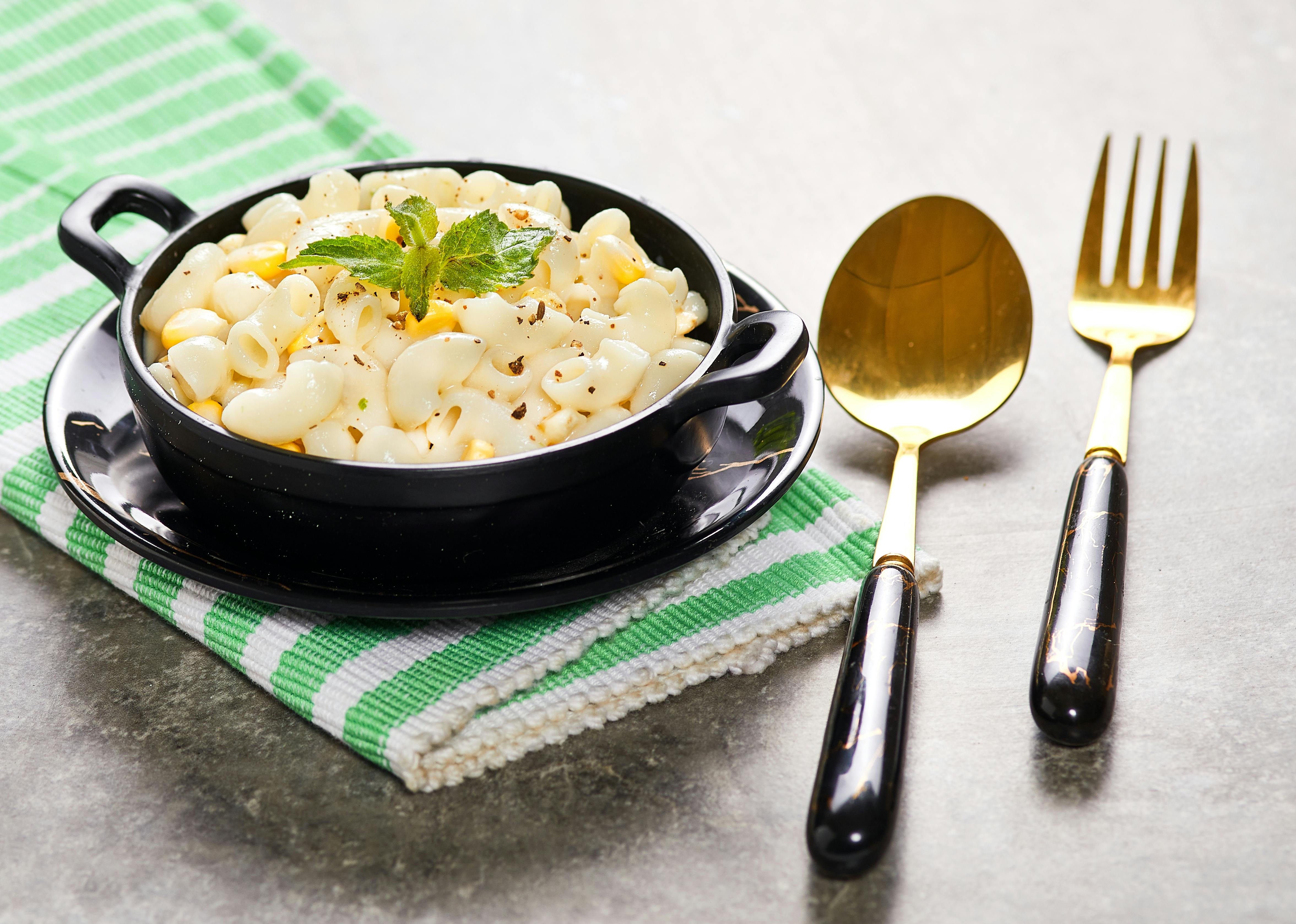
That glowing orange powdered cheese in boxed mac and cheese has become a comfort-food icon in the U.S. For years, some versions relied on artificial colorants like Yellow 5 and Yellow 6 to create that signature shade people instantly recognize.
Those dyes have faced restrictions or labeling requirements in countries including Norway and Austria in the past, and European formulations have often used paprika, beta carotene, or other natural coloring alternatives. Same familiar dinner, very different ingredient strategy.
This slide isn’t really about whether mac and cheese is good, because everyone already knows the answer to that. It’s about how a beloved American staple can look suspiciously synthetic once it’s judged by another country’s food rules.
Brominated Vegetable Oil in Soft Drinks
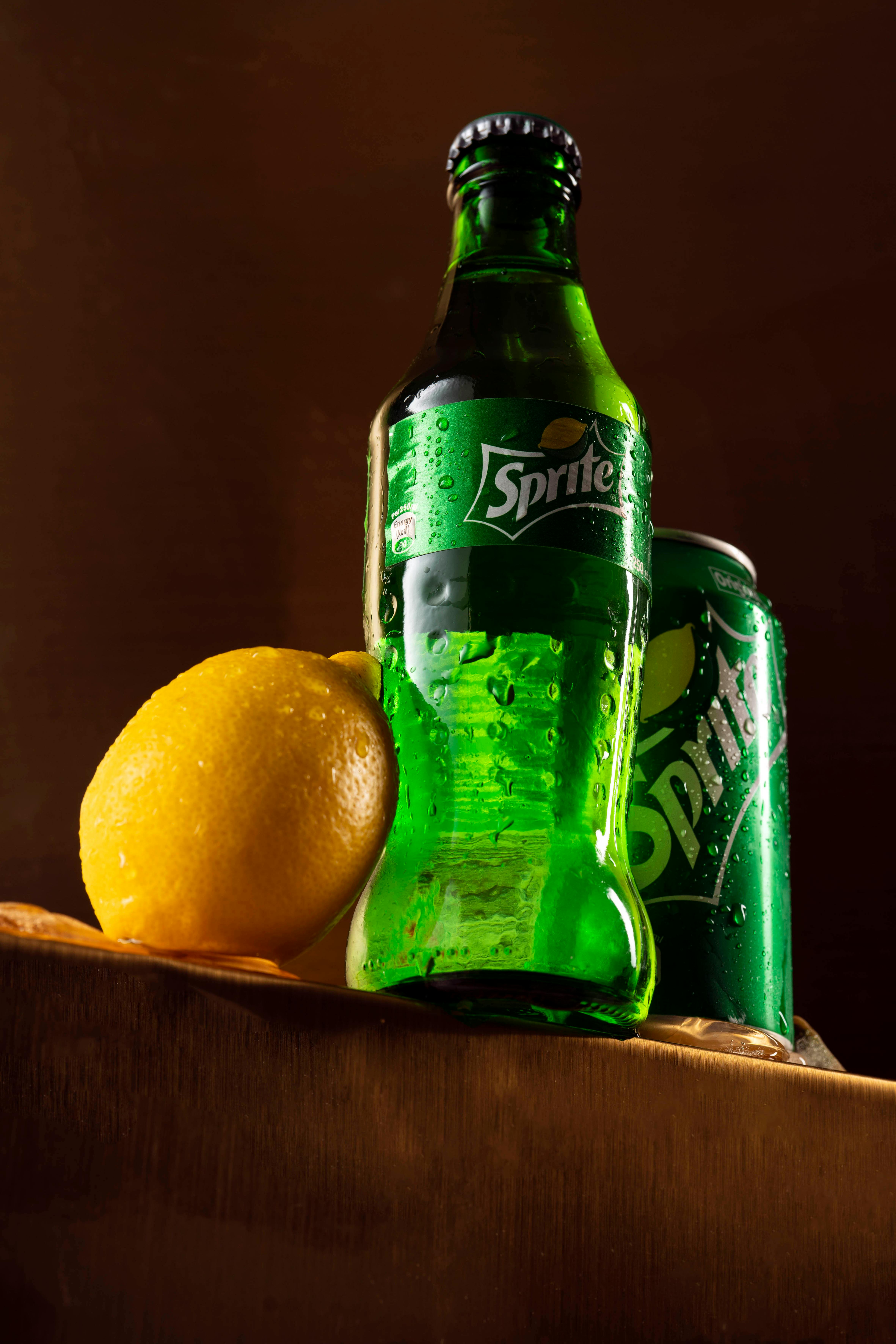
Brominated vegetable oil, often shortened to BVO, has been used in some citrus-flavored sodas and sports drinks to help keep flavoring evenly distributed. It sounds technical because it is, and that alone has made it a lightning-rod ingredient for years.
BVO has been banned in countries including Japan and across the European Union, where regulators have taken a harder line on the additive. In the U.S., public pressure has also grown, and several major beverage companies have reformulated products to remove it.
This is the kind of ingredient most people never notice until they read a label closely. Once they do, it’s hard not to wonder why a drink needs such a chemistry-lab-sounding helper in the first place.
Packaged Snacks With Olestra
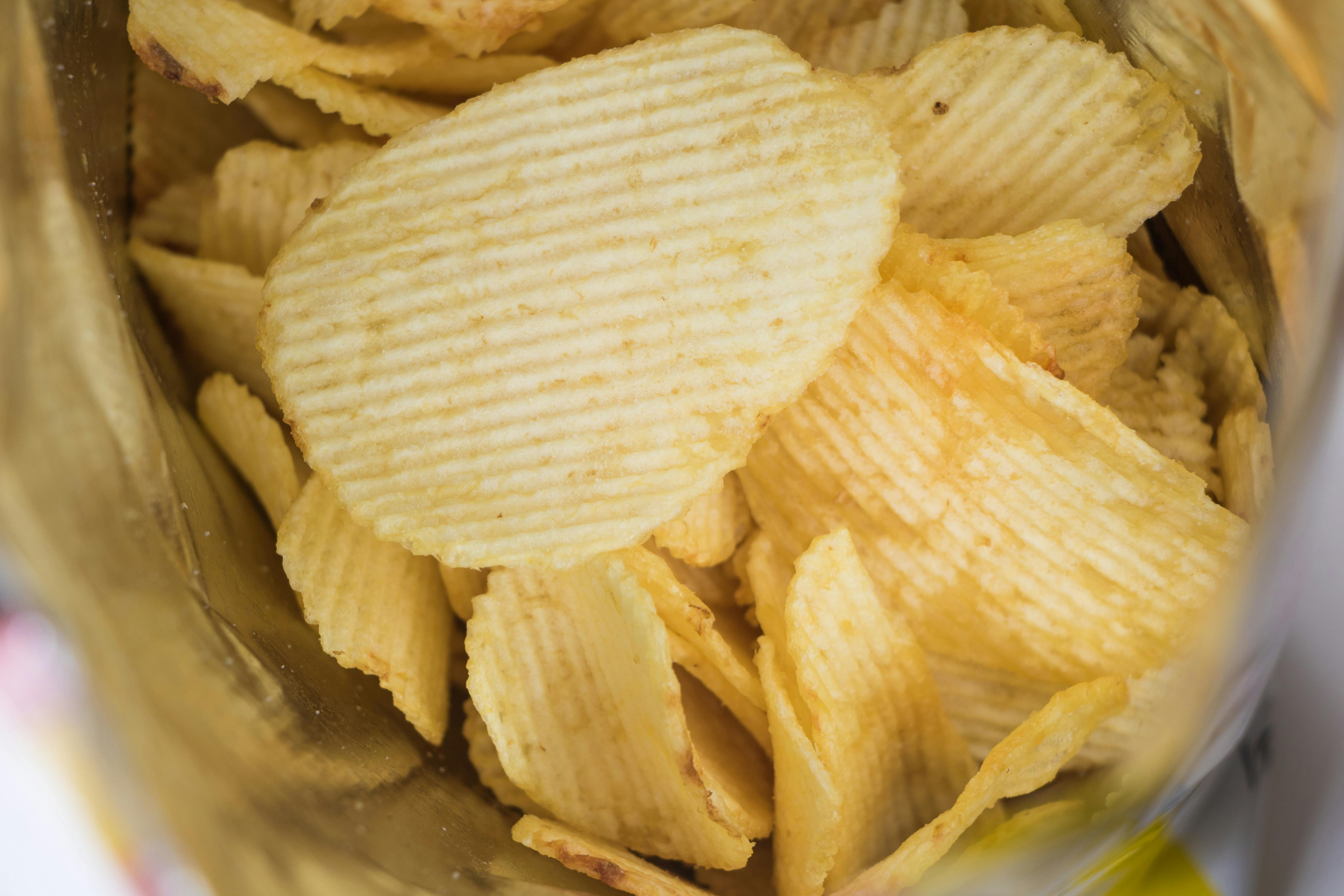
Olestra was introduced as a fat substitute that promised the indulgence of snack foods without all the fat. On paper, it sounded like a dream for chip lovers. In real life, it quickly became infamous for digestive side effects and a very awkward reputation.
Countries including the United Kingdom and Canada have not embraced olestra the way some U.S. products once did. Concerns focused not only on stomach issues but also on the ingredient’s potential to interfere with absorption of certain vitamins.
Few food additives have had such a dramatic rise and fall in public image. It was marketed as a smart workaround, but for many consumers, it became the textbook example of why engineered convenience foods can backfire spectacularly.
Beef From Hormone-Treated Cattle
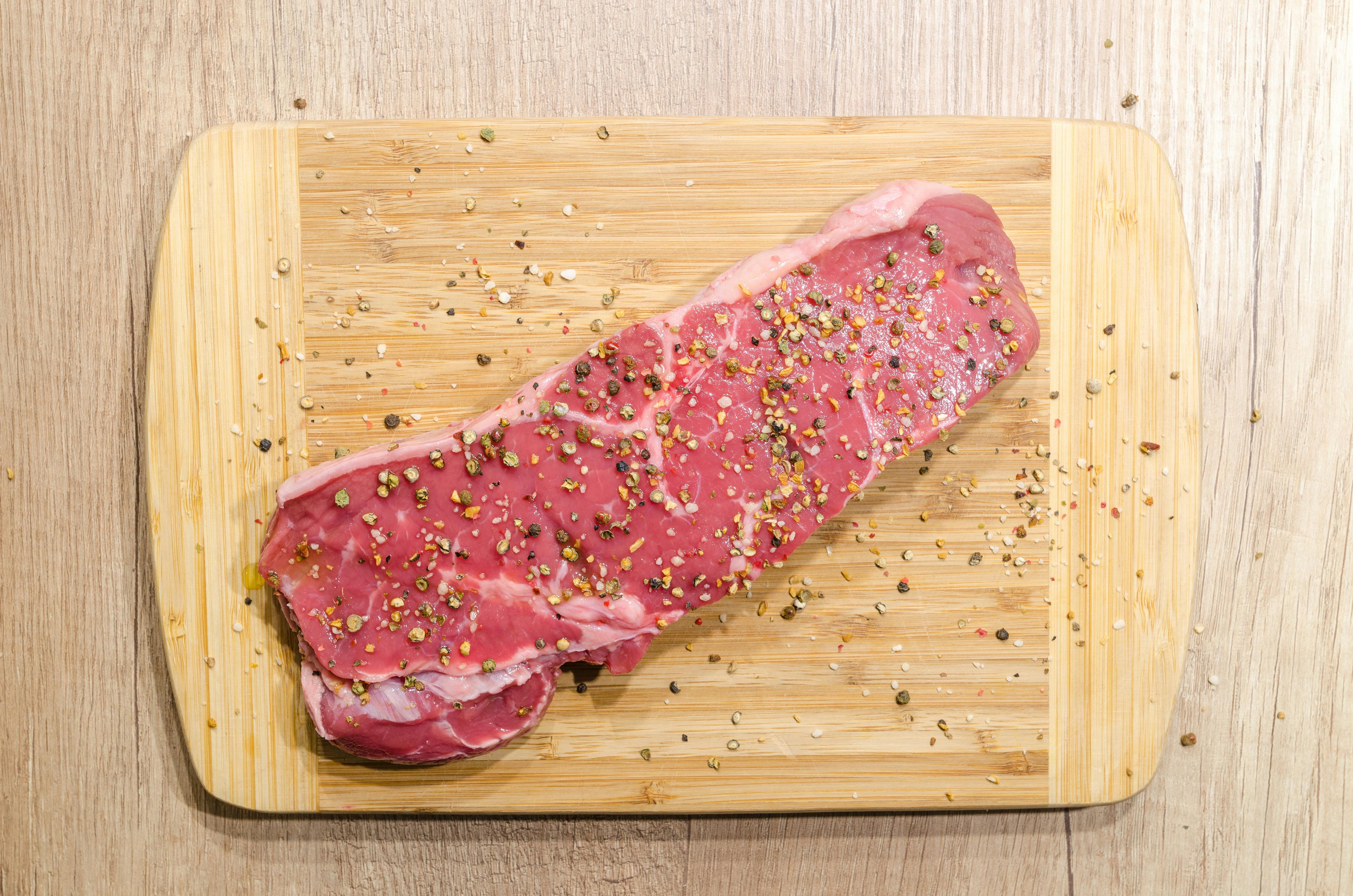
Hormones are commonly used in parts of the American beef industry to help cattle grow more efficiently. U.S. regulators maintain that the practice is safe, but other countries have taken a much more skeptical approach and built major import rules around it.
The European Union has long banned beef from cattle treated with certain growth hormones, citing health concerns and a precautionary approach to food safety. The dispute has fueled years of trade tension, proving that what happens on a ranch can ripple all the way into global politics.
For shoppers, the difference can feel invisible because a steak doesn’t come with its backstory attached. But internationally, that backstory matters enough to keep some American beef off the menu entirely.
Processed Foods With Azodicarbonamide
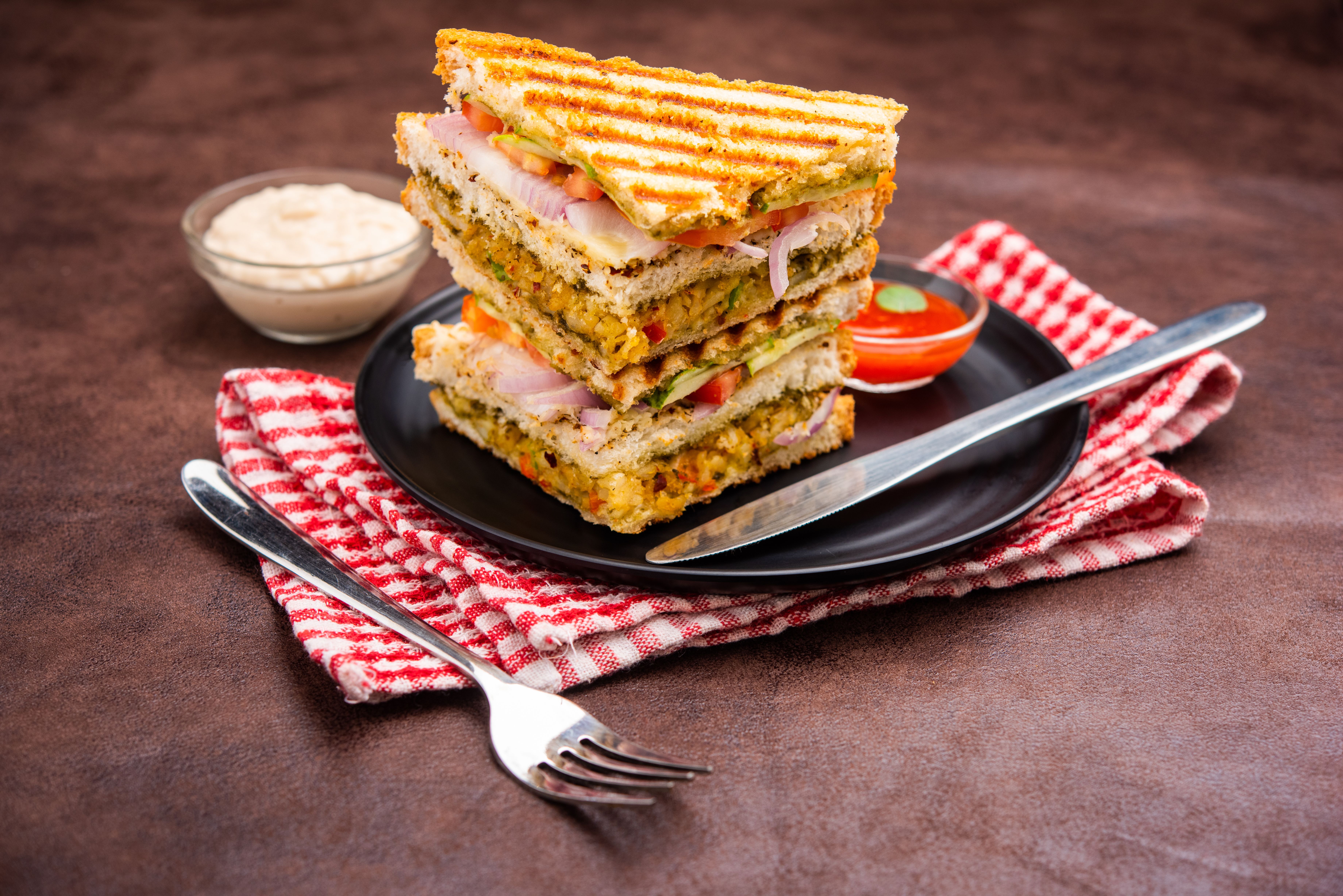
Azodicarbonamide has been used in some American breads and baked goods as a dough conditioner, helping create a softer texture and more consistent product. It’s one of those ingredients that stayed mostly under the radar until consumers started asking why it was there at all.
The additive is banned in the European Union and Australia for use in food, and it became widely discussed in the U.S. after high-profile campaigns targeted major restaurant chains and packaged bread makers. Several companies eventually reformulated in response.
This ingredient became famous partly because of its industrial associations, which made people suddenly look at sandwich bread very differently. It turns out consumers are far less relaxed about food science when the name sounds like it belongs in a factory.
Why These Foods Face Pushback Abroad
The big takeaway here is that food bans are rarely about one dramatic ingredient alone. More often, they reflect totally different philosophies about risk, regulation, farming, processing, and how much uncertainty governments are willing to tolerate in the food supply.
The U.S. tends to allow certain additives and production methods unless harm is clearly established, while many other countries lean harder on precaution. That difference can turn everyday American groceries into international controversies, even when the products have been sold here for years.
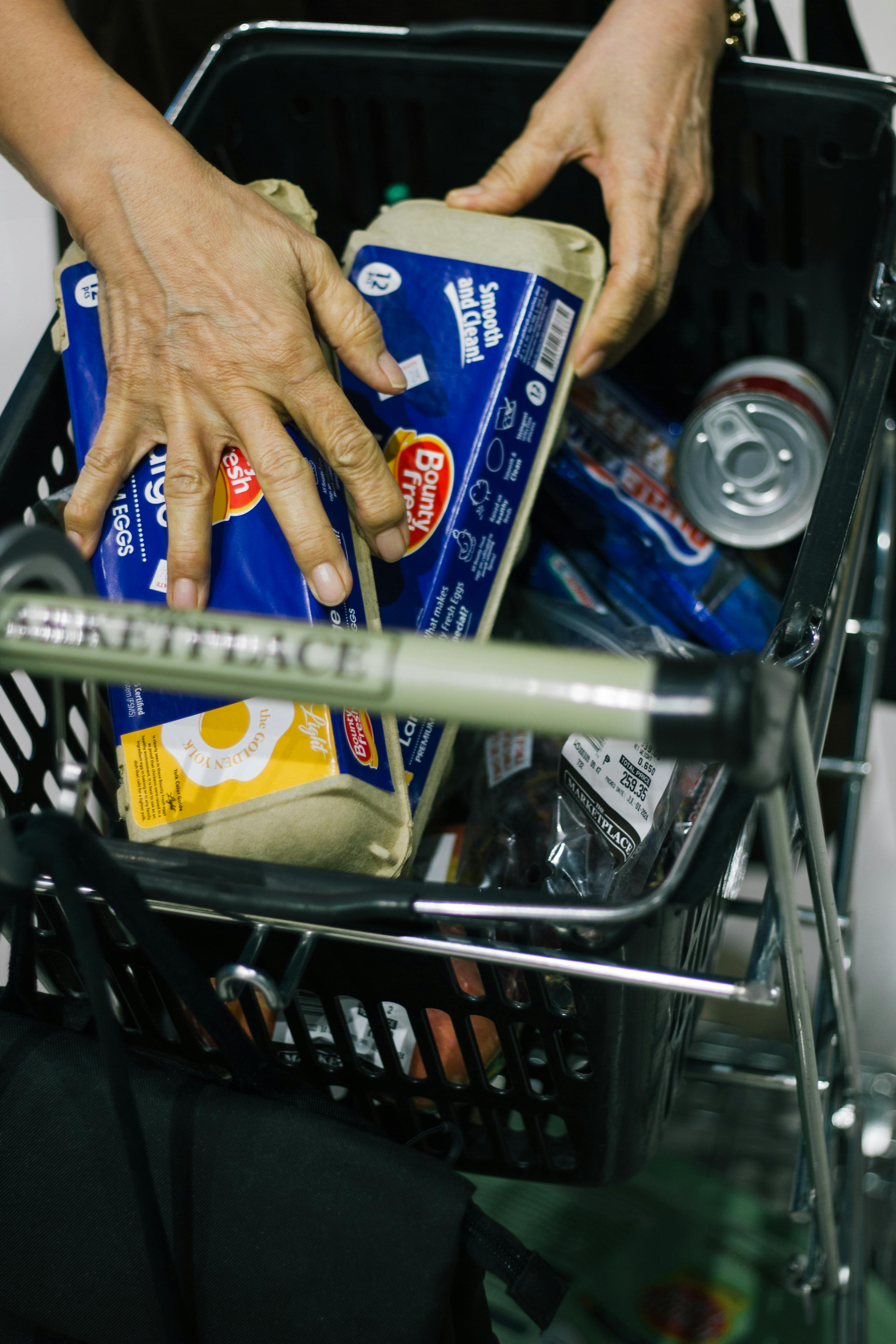
So the next time you toss cereal, bread, soda, or boxed pasta into your cart, it’s worth remembering that “normal” is a local idea. In another country, that same food might need a new recipe or might not make it onto shelves at all.
