
You won’t Believe what people Used to Eat for Dessert 500 Years Ago
If you traveled back to 1526, you would find that the concept of “dessert” as we know it, a separate, sugary course at the end of a meal, barely existed. For the nobility of the Renaissance, sugar was not a common ingredient, but a high-status luxury spice used to showcase extreme wealth. This led to a culinary culture that loved blurring the lines between savory and sweet in ways that would shock a modern palate.
Instead of chocolate cake or fruit tarts, a grand banquet might conclude with dishes that mixed heavy meats, animal fats, and pungent spices with sugar. It was an era where “sweetness” was meant to be complex, medicinal, and often incredibly meaty. Here are five of the most bizarre “desserts” and treats from five centuries ago that prove how much our tastes have changed.
Shredded Chicken “Blancmange.”
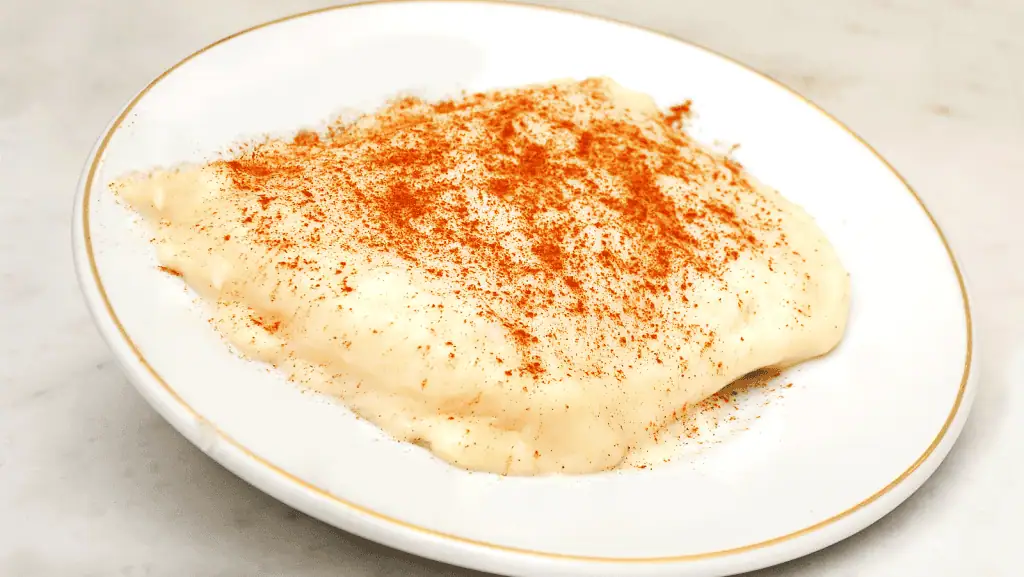
Today, blancmange is a simple, wobbly almond pudding, but in the 1500s, it was a decadent, meaty “white food.” The Renaissance version featured boiled chicken breast that was shredded and pounded into a fine paste. This meat was then simmered with almond milk, rice flour, and a generous amount of expensive white sugar.
The goal was to create a perfectly white, creamy consistency that looked like a modern pudding but tasted like sweetened poultry. It was served at the end of banquets as a refined, easily digestible treat for the elite. To a diner in 1526, the idea of a “white pudding” without shredded capon or chicken would have seemed incomplete.
Real “Meat” Mince Pies
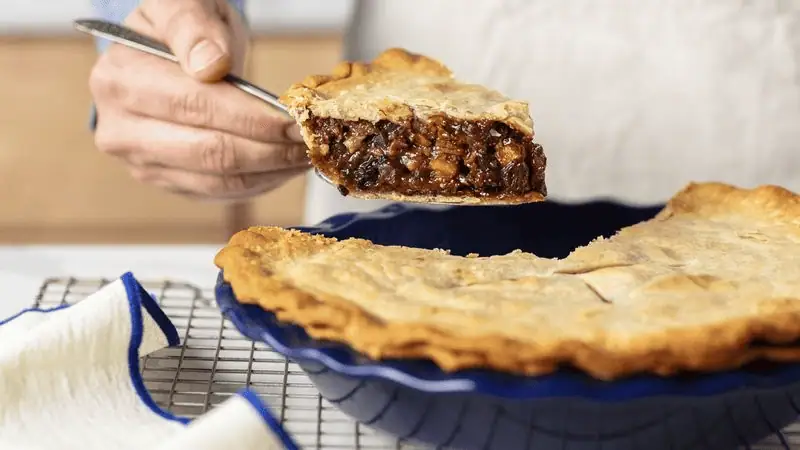
During the reign of the Tudors, a “mince pie” was not just filled with fruit and spices; it was packed with ground mutton, beef, or pork. These pies, often called “coffins” due to their rectangular crusts, were a festive staple during the Christmas season. The recipe combined lean meat with suet (raw animal fat), raisins, cloves, and mace to create a dense, sweet-and-savory explosion.
The high sugar and spice content helped preserve the meat during the long winter months without refrigeration. It wasn’t until the Victorian era that the meat was slowly phased out, leaving us with the fruity version we eat today. In 1526, biting into a sweet pie and finding beef was the expected, delicious norm.
“Cock Ale” (The Poultry-Infused Beer)

While technically a beverage, Cock Ale was often consumed as a “restorative” treat or a festive drink at the end of a long day. The recipe was as literal as it sounds: a whole, skinned cockerel (rooster) was parboiled and then pounded in a stone mortar until its bones were broken. This “chicken paste” was stuffed into a canvas bag with raisins, nutmeg, dates, and mace, then lowered into a barrel of fermenting ale.
The resulting drink was thick, slightly oily, and incredibly rich in nutrients, making it a favorite of King William III. It was believed to “invigorate the lungs” and provide soft nourishment for the sickly or the wealthy. It is perhaps the most extreme example of the era’s obsession with adding meat to everything.
Ambergris and Musk-Scented Sweets
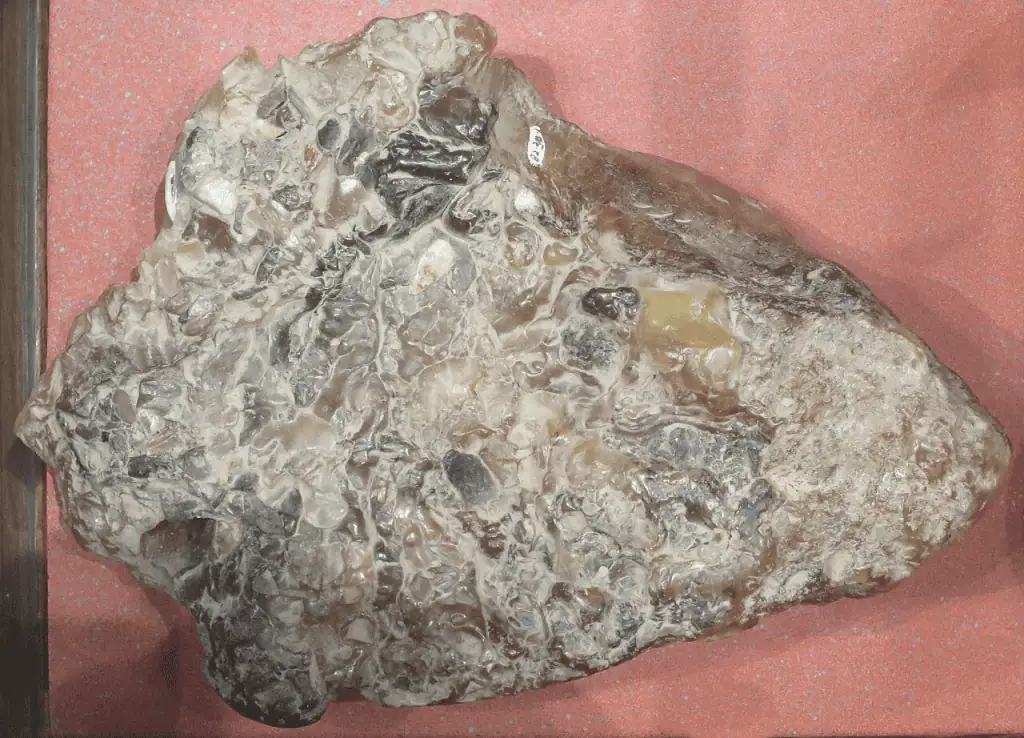
If you wanted to truly impress guests 500 years ago, your desserts wouldn’t just be sweet, they would be “perfumed.” One of the most expensive ingredients of the time was ambergris, a waxy substance produced in the digestive system of sperm whales. It has a complex, earthy, and marine scent that was used to flavor jellies, creams, and even hot chocolate when it first arrived in Europe.
Musk, derived from the scent glands of deer, was also frequently added to sugar pastes and marzipans to give them a “carnal” aroma. These ingredients were believed to be powerful aphrodisiacs and were symbols of the highest possible social status. Eating whale-stomach secretions was considered the peak of 16th-century sophistication.
Sweetened “Sanguinaccio” (Blood Pudding)
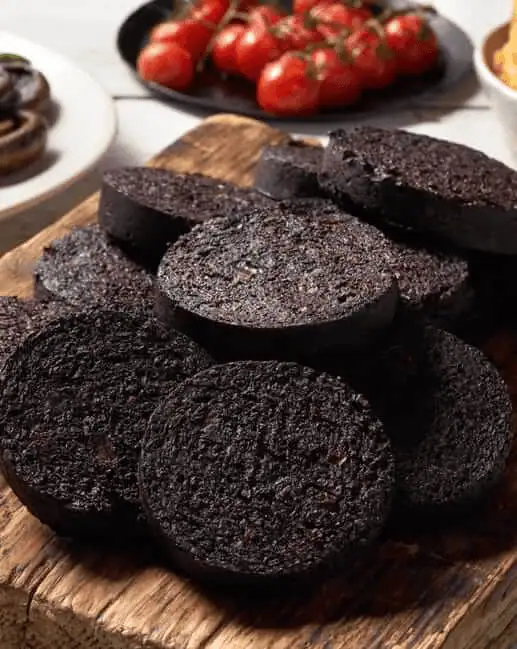
In many parts of Europe, especially Italy, pig’s blood was not just for savory sausages; it was the base for a rich, chocolatey dessert. Sanguinaccio Dolce was a thick, dark pudding made by simmering fresh pig’s blood with sugar, cocoa (after it arrived from the Americas), nuts, and orange zest. The blood acted as a powerful thickener, giving the pudding a velvety, custard-like texture that was incredibly decadent.
While the modern version often omits the blood, the traditional 1500s recipe relied on it for both color and richness. It was a “nose-to-tail” dessert that ensured no part of the animal went to waste during winter slaughtering. It remains a fascinating reminder that “sweetness” has always been a matter of perspective.
