
Y2K to Now: The Evolution of American Comfort Food
Think back to the food you loved as a kid. Maybe it was mac and cheese from a blue box, a warm chicken pot pie, or your mom's meatloaf. Now think about what you ate last week. Chances are, those same dishes look a little different now. And that's not just you getting older—it's American comfort food changing right along with the times.
Over the past two decades, our favorite cozy classics have been on quite a journey. From the quick-and-easy convenience foods of the early 2000s to the wellness boom of the 2010s and today's plant-powered, globally inspired creations, what we consider “comfort” has shifted in surprising ways. But one thing hasn't changed: we still want food that feels like a hug on a plate.
So how did we get from frozen casseroles to cauliflower mac and cheese? In this article, we're taking a tasty trip through three decades of comfort food evolution—the 2000s, 2010s, 2020s, and even a peek into the 2030s. You'll see how convenience culture gave way to health-conscious twists, then to plant-based innovations, and now to fusion flavors like kimchi mac and curry chili. We'll explore why kale and quinoa found their way into our bowls, how jackfruit became a BBQ star, and what “feel-good” food really means today. Whether you're a nostalgic eater or a trend watcher, this journey will make you see your favorite classics in a whole new light. Grab a spoon and let's dig in.
2000s: Convenience Meets Nostalgia

In the 2000s, easy-prep meals reigned supreme, blending quick-fix convenience with comforting nostalgia. Ready-made casseroles and microwaveable chicken pot pies became staples in the American kitchen. However, even as packaged goods thrived, home cooks began experimenting with retro favorites like meatloaf and mac and cheese, adding gourmet twists such as artisanal cheeses or fresh herbs. This era cleverly balanced speedy prep with a longing for familiar flavors, setting the stage for future culinary creativity.
2010s: The Wellness Wake-Up
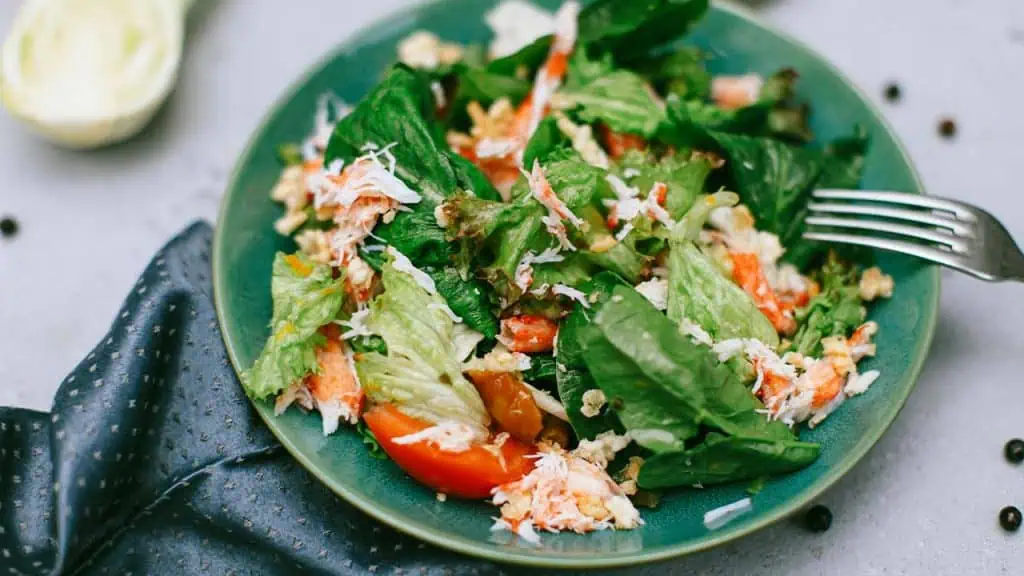
The 2010s brought a wellness revolution, urging a reevaluation of indulgent classics. Comfort foods were reimagined with health-conscious twists, incorporating whole grains, lean proteins, and an abundance of vegetables. Kale salads and quinoa-stuffed bell peppers replaced heavier options, while gluten-free and dairy-free alternatives opened new doors. This decade emphasized nutritional enhancement, ensuring these dishes provided both satisfaction and nourishment, aligning comfort with conscious eating.
2020s: Plant-Based and Proud
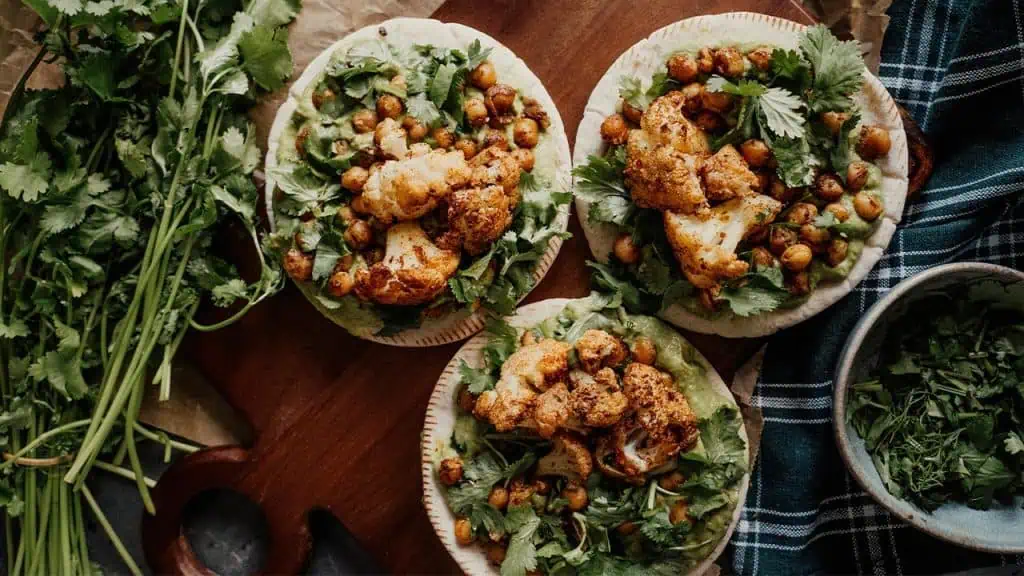
Comfort food in the 2020s embraces sustainability, as plant-based eating surged forward. Innovative ingredients like jackfruit and cauliflower offer vegan counterparts to pulled pork and mashed potatoes, while legumes and nuts provide satisfying protein. The focus is squarely on flavor, with umami-rich mushrooms and spices taking center stage. This era celebrates environmental consciousness without sacrificing the hearty and rich qualities that define traditional comfort foods, appealing to both vegans and omnivores alike.
2030s: Fusion and Feel-Good

Looking toward the 2030s, comfort food is expected to become a tapestry of global flavors, layered with diverse culinary influences. By integrating techniques and spices from various cuisines, traditional dishes will gain renewed vitality and complexity. Imagine kimchi-infused mac and cheese or curry-laced chili – these are the hallmarks of future comfort cooking. Here, innovation meets tradition, offering rich, cross-cultural experiences that promise not just sustenance but joy and connection.
