
Why Food is Considered the New Skincare
The notion of food as skincare highlights the deep connection between diet and skin health. What you consume directly affects your skin’s appearance, vitality, and resilience. Focusing on nourishing ingredients can complement topical products, offering a holistic approach to beauty. Incorporating certain foods into your routine enhances skin texture, elasticity, and radiance, making your dietary choices as crucial for beauty as your skincare regimen.
Beauty From the Inside Out
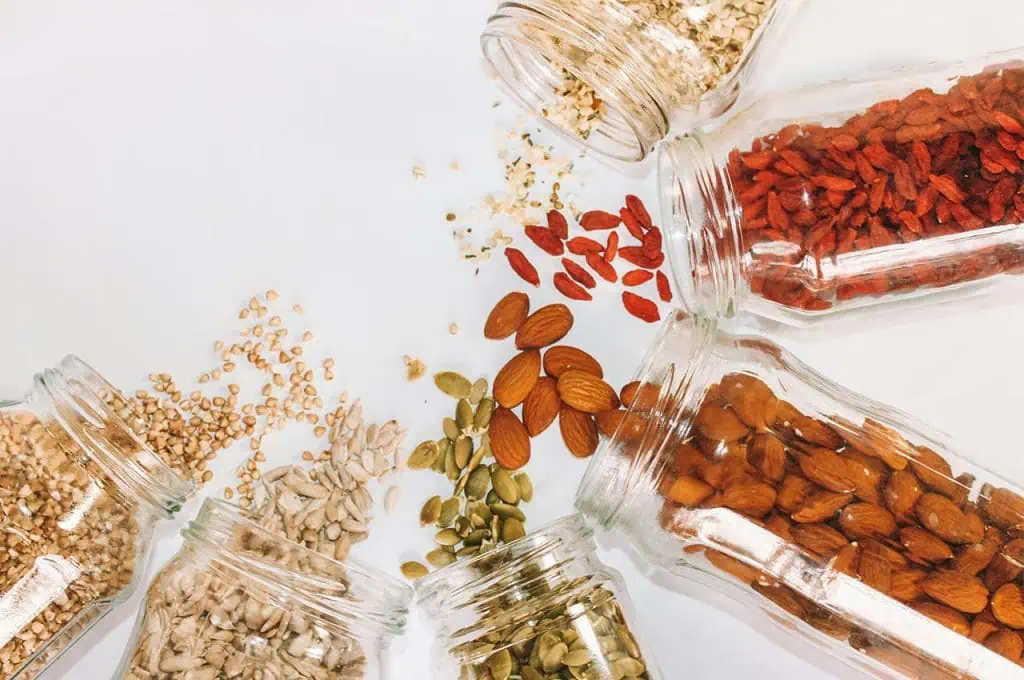
The concept of beauty from the inside out emphasizes the impact of nutrition on skin health. A diet rich in vitamins, minerals, and antioxidants supports cellular repair and regeneration, essential for maintaining youthful skin. Integrating whole foods such as berries, greens, nuts, and seeds offers a natural way to improve your complexion and prevent premature aging. This approach underscores how internal nourishment can manifest as external beauty, reinforcing the symbiotic relationship between diet and skin.
Antioxidant-Rich Foods for Youth
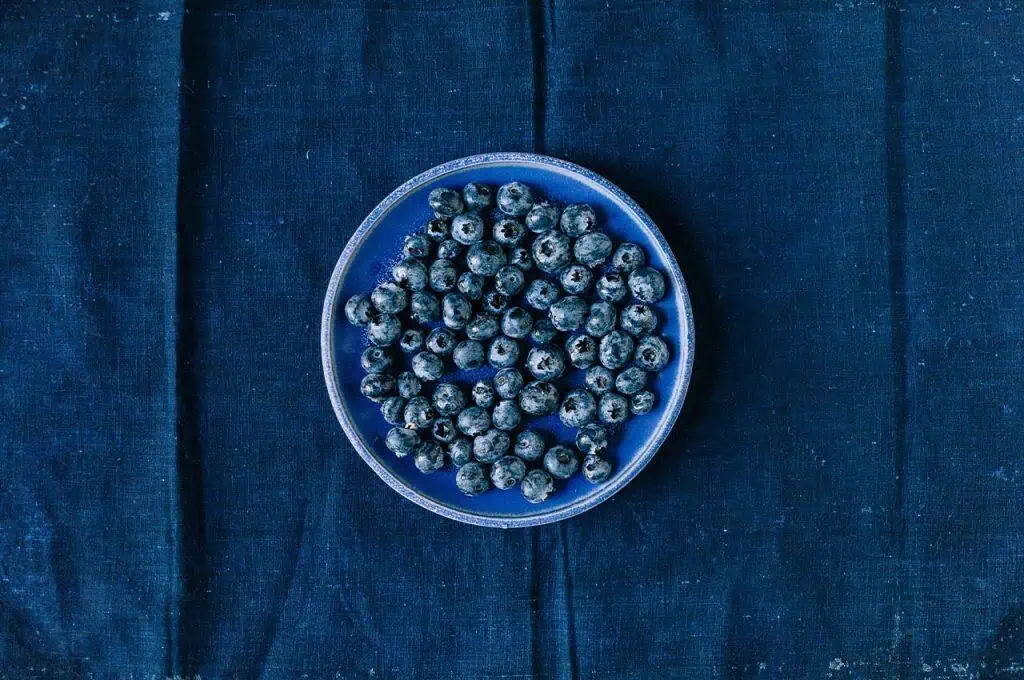
Antioxidants are crucial in combatting oxidative stress, which can lead to premature skin aging. Foods high in antioxidants, such as blueberries, dark chocolate, and kale, protect skin cells from damage and promote a youthful appearance. Incorporating these into your meals aids in neutralizing free radicals, reducing inflammation, and enhancing skin resilience. Consistent consumption of antioxidant-rich foods supports a smoother, more vibrant complexion, making them a staple in a skin-conscious diet.
Healthy Fats for Natural Glow
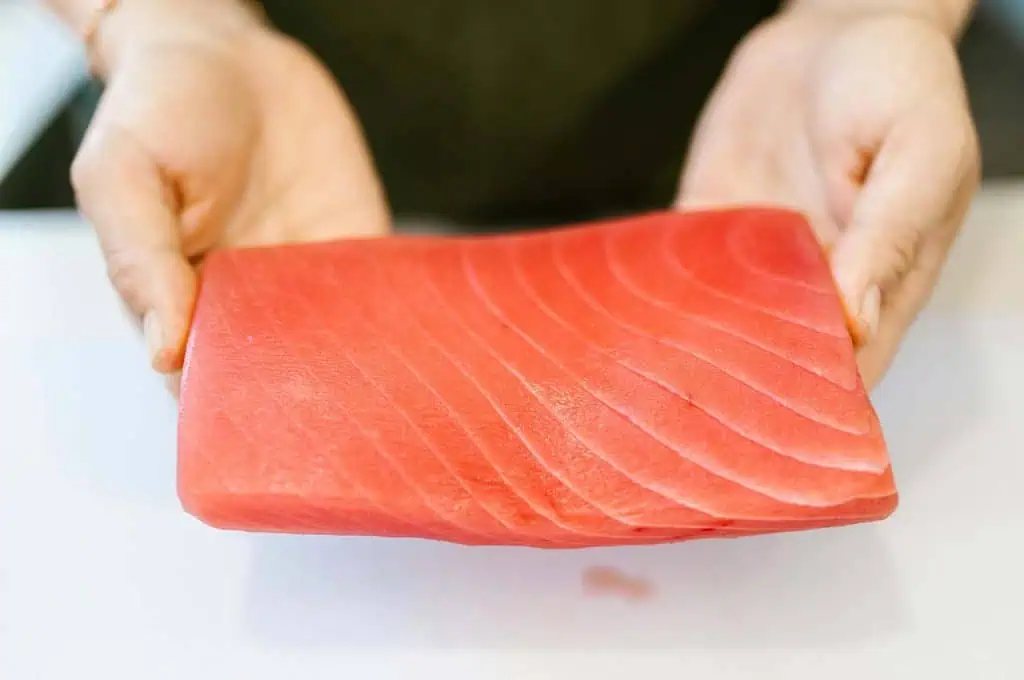
Healthy fats are vital for maintaining skin’s hydration and plumpness. Omega-3 fatty acids, found in fish like salmon and seeds such as flaxseed, help regulate oil production and reduce inflammation, leading to a more balanced complexion. Meanwhile, avocados provide monounsaturated fats that enhance skin elasticity and moisture retention. Including these fats in your diet supports a glowing appearance, emphasizing the importance of fat in maintaining skin’s structural integrity and radiance.
Hydration on Your Plate
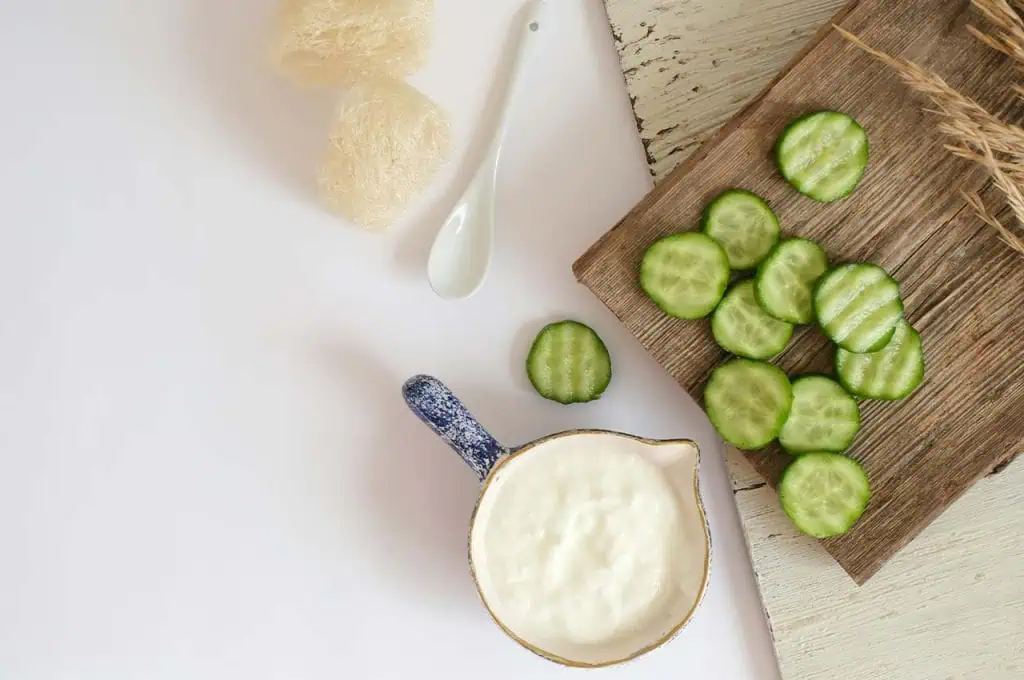
Proper hydration is essential for healthy skin, and this extends beyond just drinking water. Consuming foods with high water content, like cucumbers, watermelon, and celery, aids in maintaining skin’s moisture balance. These foods are also rich in essential vitamins and minerals, further supporting skin health. By incorporating hydrating foods into your meals, you contribute to overall skin suppleness and elasticity, reinforcing the role of diet in achieving and maintaining a hydrated, youthful complexion.
Gut Health and Clear Skin

The connection between gut health and skin clarity is rooted in the gut-skin axis, where a balanced microbiome supports a clear complexion. Incorporating abundant sources of probiotics such as yogurt, kefir, and fermented vegetables can enhance gut flora. Prebiotic-rich foods like garlic, onions, and asparagus further nourish these beneficial bacteria. The result is a reduction in inflammation and skin conditions like acne. When preparing meals, focus on integrating these ingredients to promote digestion and nutrient absorption, reflecting positively on skin health.
Sugar and Processed Food Risks

Consuming high amounts of sugar and processed foods can accelerate signs of aging and worsen skin conditions by triggering inflammation. These foods contribute to the formation of advanced glycation end-products (AGEs), which damage collagen and elastin. Opt for meals rich in whole foods, such as fresh fruits, vegetables, and lean proteins, to mitigate these effects. Skillful use of spices like cinnamon can add flavor without the need for excess sugar, supporting skin elasticity and a youthful glow.
Superfoods as Skincare Allies
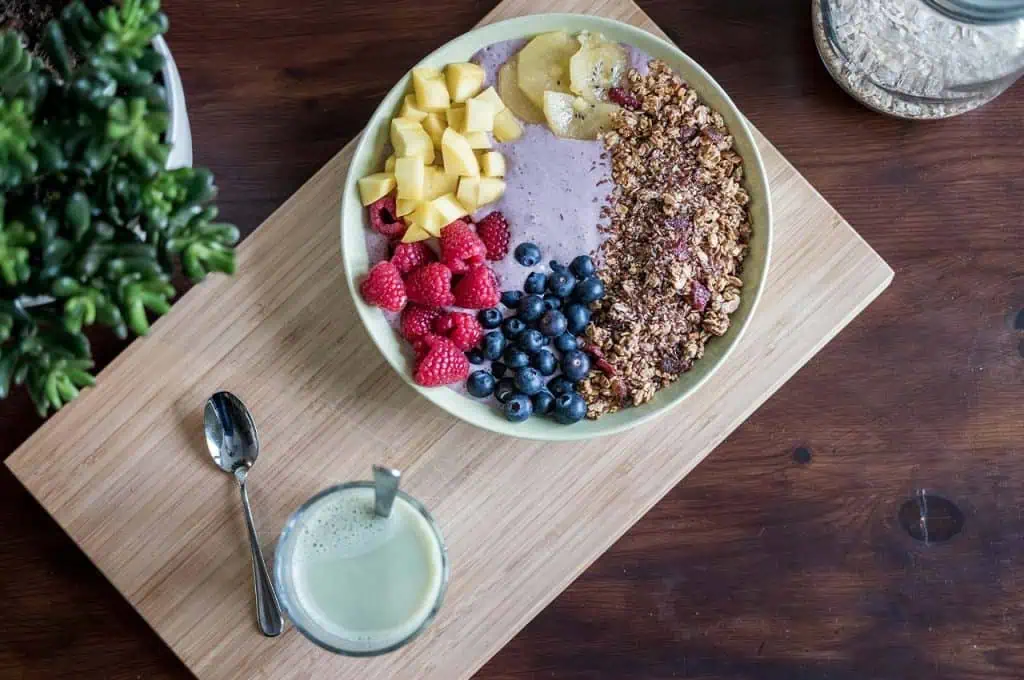
Incorporating superfoods into your diet can provide potent skin benefits. Foods like blueberries, avocados, and turmeric boast high levels of antioxidants and anti-inflammatory properties. These combat oxidative stress, which can age the skin. Experiment with smoothies combining spinach, chia seeds, and citrus for a nutrient punch. Use fatty fish like salmon, rich in omega-3 fatty acids, to enhance skin moisture. These ingredients contribute to collagen production and skin vitality, providing results beyond topical applications.
Food vs. Topical Products
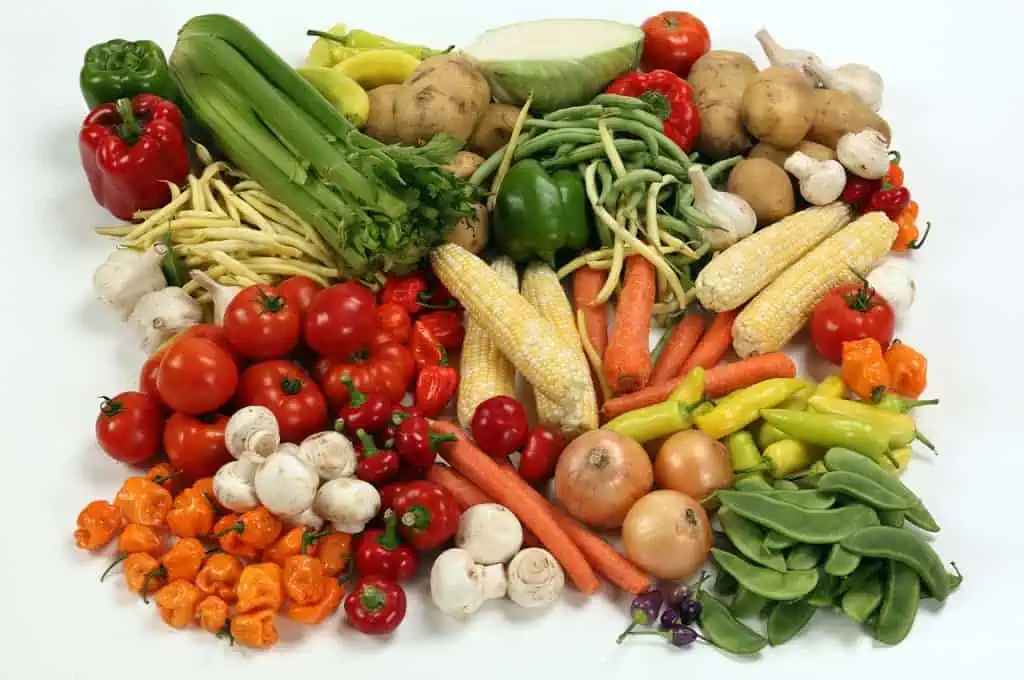
While topical products target the skin’s surface, the nutrients from food work to rejuvenate from within. Vitamin-rich fruits, whole grains, and lean proteins feed the body at a cellular level, which topical creams cannot reach. Emphasize nutrient density over trendy ingredients. Moderate roasting or steaming preserves nutrients in vegetables, enhancing their skin-boosting properties. This internal nourishment approach complements rather than replaces topical skincare, offering a comprehensive strategy for radiant skin.
Personalized Nutrition for Radiance
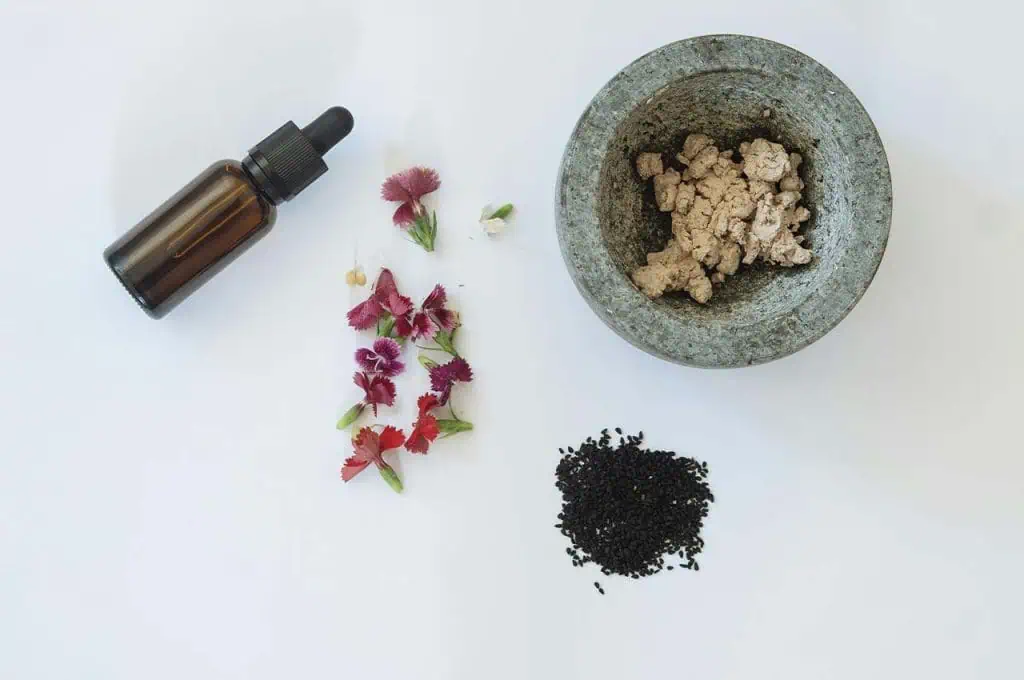
Tailoring nutrition to individual needs is crucial for achieving luminous skin. Understanding personal dietary responses can guide the inclusion of certain foods over others. Consulting with a nutritionist or keeping a food journal can uncover patterns affecting skin health. Emphasize diversity in diet with a variety of colors and textures, each offering unique benefits. Incorporate seeds, nuts, and a host of vibrant vegetables regularly to ensure a balanced intake of vitamins and minerals essential for skin vitality.
The Future: Eating Your Skincare

In recent years, the connection between diet and skin health has gained significant attention, highlighting how nourishing your skin from the inside can be more effective than topical treatments alone. Foods rich in antioxidants, healthy fats, and essential vitamins can enhance skin elasticity, combat inflammation, and promote a natural glow. Ingredients like fatty fish, avocados, nuts, seeds, and colorful fruits are particularly beneficial. Consuming these regularly supports collagen production and guards against environmental damage, offering a comprehensive approach to skincare straight from your kitchen.
