
Umami Uncovered: Where This Mysterious Fifth Taste Is Hiding
You know sweet. You know sour, salty, and bitter. But there's a fifth taste hiding in your food, and you've probably been loving it your whole life without even knowing its name. It's called umami, and it's that savory, mouthwatering, “what is that amazing flavor?” sensation that keeps you coming back for more. Think about a perfectly seared steak, a bowl of miso soup, or a slice of pizza with melted Parmesan.
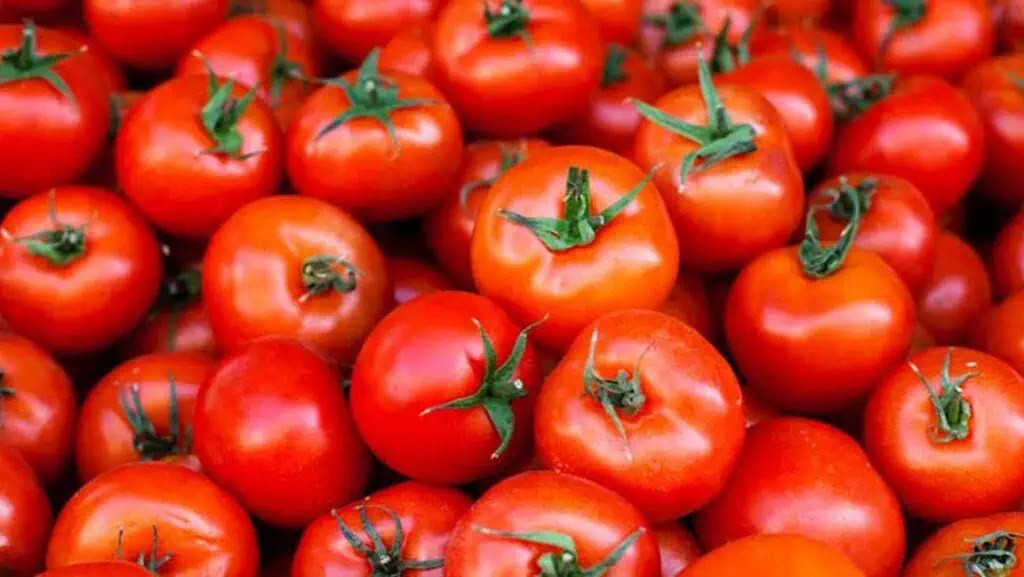
That deep, rich, almost meaty deliciousness? That's umami at work. And here's the cool part: umami isn't rare or fancy. It's in everyday ingredients like tomatoes, mushrooms, soy sauce, and even green peas. Once you know where to find it, you can use it to make almost anything taste better.
So how do you unlock this secret flavor weapon in your own kitchen? In this article, we'll break down what umami actually is (spoiler: it comes from an amino acid called glutamate), where to find it in surprising places, and how to combine ingredients for maximum savory impact. You'll learn why searing meat or roasting veggies brings out umami, how fermentation works its magic in miso and fish sauce, and why a little umami can actually help you use less salt while keeping food delicious. Whether you're a seasoned cook or just starting out, mastering umami is like learning a secret handshake for amazing flavor. Let's dive in.
Umami: A Global Flavor Palette
Umami transcends culinary borders, playing a pivotal role in diverse cuisines worldwide. In Japanese cooking, ingredients like miso and kombu are rich in umami, while Italian cuisine benefits from the umami of Parmesan cheese and tomatoes. Anchovies and Worcestershire sauce contribute to the umami in many Western recipes. Each culture utilizes umami in unique ways, demonstrating its universal appeal and versatility in crafting deliciously satisfying meals.
Surprising Sources of Umami
Beyond well-known umami-rich foods, there are unexpected ingredients that can bring this umami boost to your cooking. Mushrooms, particularly dried varieties like shiitake, are excellent umami enhancers. Seaweed, including types like nori and wakame, also offers a concentrated umami kick. Even unlikely candidates such as green peas and sweet corn have natural glutamates. Exploring these lesser-known sources can add an intriguing depth to your recipe repertoire, amplifying flavors in every bite.
Crafting Umami-Rich Dishes
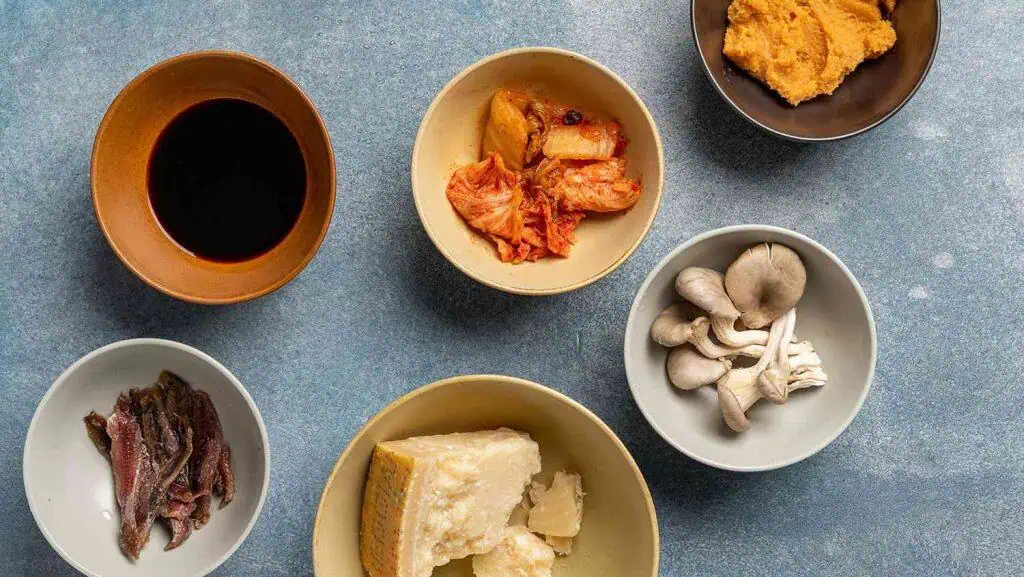
Success in enhancing umami flavors boils down to selecting the right ingredients and techniques. Use naturally umami-rich foods like tomatoes, mushrooms, soy sauce, and aged cheeses to build depth in your dishes. Fermentation also intensifies umami, making miso and fish sauce excellent additions. Incorporate searing or roasting to develop browning, which releases savory notes, particularly in meats and vegetables. Balancing umami with sweetness or acidity can create complex flavors, so consider adding a splash of citrus or a hint of sugar to brighten the dish.
The Health Benefits of Umami
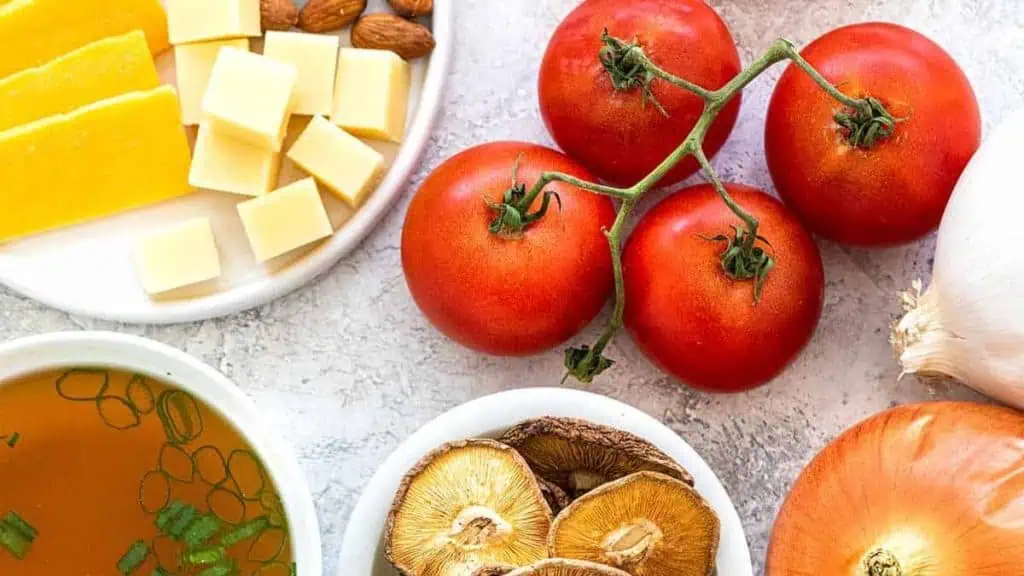
Umami contributes more than just robust flavor; it also has nutritional benefits. Foods rich in this taste often contain essential amino acids like glutamate, which can promote digestive health by stimulating saliva production and improving appetite. Umami can be a helpful ally in reducing sodium intake, as it enhances taste without the need for extra salt. Furthermore, umami-rich ingredients are often packed with vitamins and minerals, supporting overall well-being. By understanding these health advantages, you can craft meals that are both delicious and nutritious.
