
The Reality of American Grocery Shopping: 5 Things You’re Overpaying For
Grocery prices are a major concern for millions of American households in 2026. While inflation has cooled slightly, the total at the checkout still feels surprisingly high every week. Most shoppers try to use coupons or look for sales to save a few extra dollars. However, many people are overpaying for common items without even realizing they have cheaper options. Retailers often use clever shelf placement and convenient packaging to nudge you toward higher-priced goods. By identifying these five common budget-killers, you can immediately reduce your monthly food spending. It is time to take a closer look at what is actually sitting in your shopping cart.
Pre-Cut Fruits and Vegetables
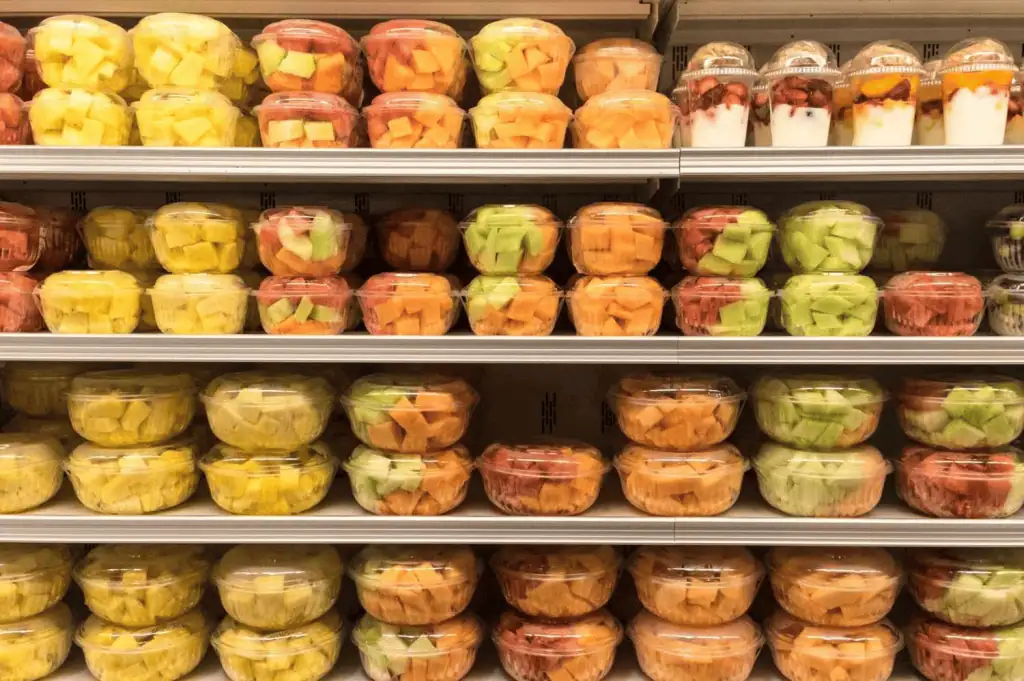
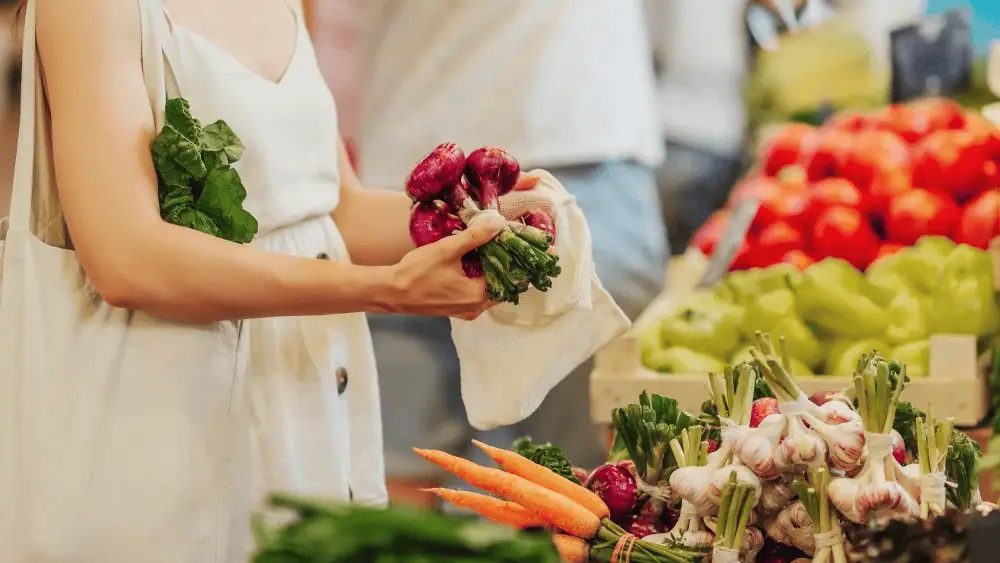
The convenience of pre-sliced onions or cubed watermelon comes with a massive markup in the produce aisle. Grocery stores often charge two to three times more for produce that has been washed and cut. You are essentially paying a high hourly rate for someone else to do five minutes of kitchen work. Additionally, pre-cut items have a much shorter shelf life and tend to lose nutrients faster than whole produce. Buying whole carrots or a full head of lettuce is a simple way to save significant money. Investing a small amount of time in prep work can keep more cash in your wallet every month.
Name-Brand Spices and Seasonings
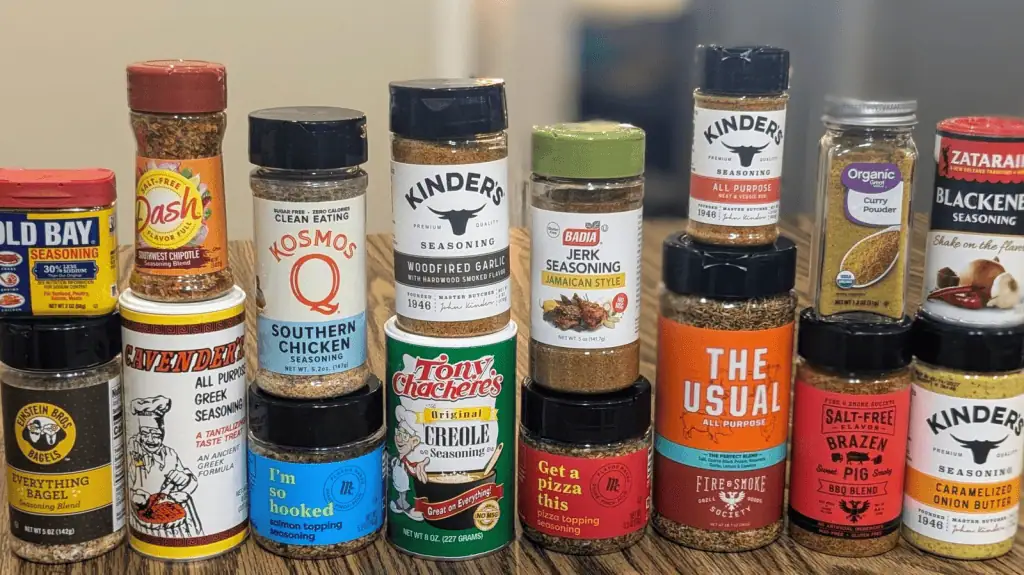
The spice aisle is one of the most profitable sections of the grocery store for major national brands. Famous labels often charge premium prices for basic herbs like oregano, garlic powder, or ground cinnamon. In many cases, the store-brand version contains the exact same high-quality ingredient for a fraction of the cost. Savory blends and “gourmet” rubs are also significant budget-drainers that you can easily mix at home. Check the international or bulk sections of your store for even deeper discounts on common pantry spices. Switching to generic spices is one of the easiest ways to cut costs without sacrificing any flavor.
Individual Snack Packs
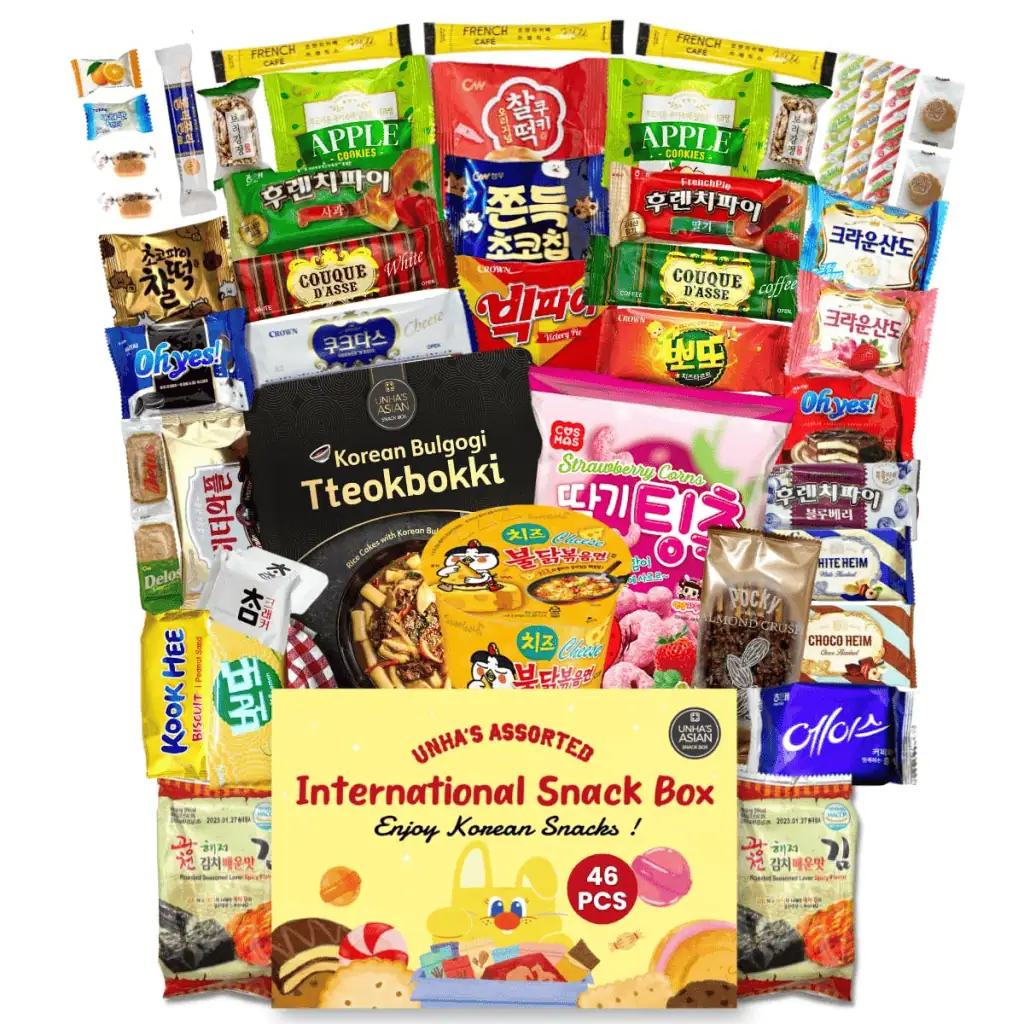
Single-serve bags of chips, crackers, and cookies are a classic example of paying extra for plastic packaging. While they are great for lunchboxes, you are paying a huge premium for the convenience of portion control. Buying the “family size” bag and portioning it into reusable containers yourself is a much smarter financial move. This strategy also reduces plastic waste, making it a win for both your budget and the environment. You can often save 40% or more by avoiding the convenience of those tiny, pre-measured snack pouches. A few seconds of packing at home can lead to hundreds of dollars in annual savings.
Bottled Water
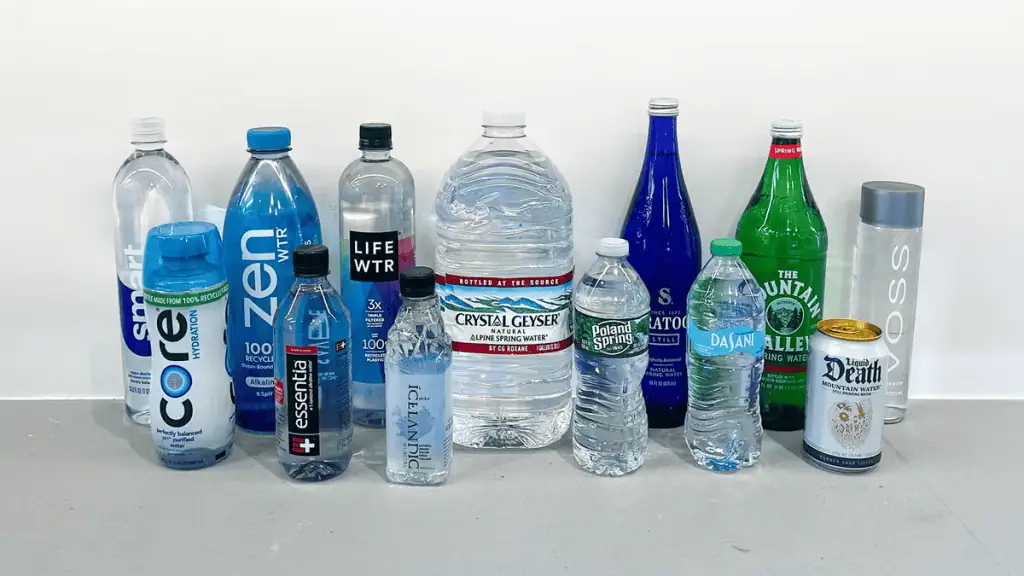
Unless you live in an area with unsafe tap water, buying bottled water is a major unnecessary expense. The cost of a single case of water can be hundreds of times more expensive than filtered tap water. Many people also pay extra for “alkaline” or “enhanced” waters that offer very few scientifically proven health benefits. Investing in a high-quality reusable bottle and a simple home filter is a far better long-term investment. This change eliminates a recurring cost from your grocery list and reduces the amount of plastic in landfills. It is a simple habit that pays for itself within just a few weeks of use.
Out-of-Season Produce
Trying to buy fresh strawberries in February or asparagus in October usually results in a much higher price tag. When produce is out of season, stores must pay more to ship it from distant climates or greenhouses. These costs are always passed down to the consumer, leading to disappointing flavor at a premium price. Shopping the seasonal sales ensures you are getting the freshest food at the absolute lowest possible cost. If you truly need a specific fruit out of season, the frozen aisle is often a better deal. Frozen fruits and veggies are picked at peak ripeness and cost significantly less than “fresh” imports.
