
The Global Olive Oil Shortage, Explained
The global olive oil shortage presents a pressing concern for culinary enthusiasts and home cooks alike. As the backbone of Mediterranean cuisine and an essential component in countless recipes, understanding the factors behind this shortage can help consumers make informed choices. From skyrocketing demand to climate challenges, multiple forces drive this supply crisis, affecting both availability and quality.
Demand Surge: Why Olive Oil Soars
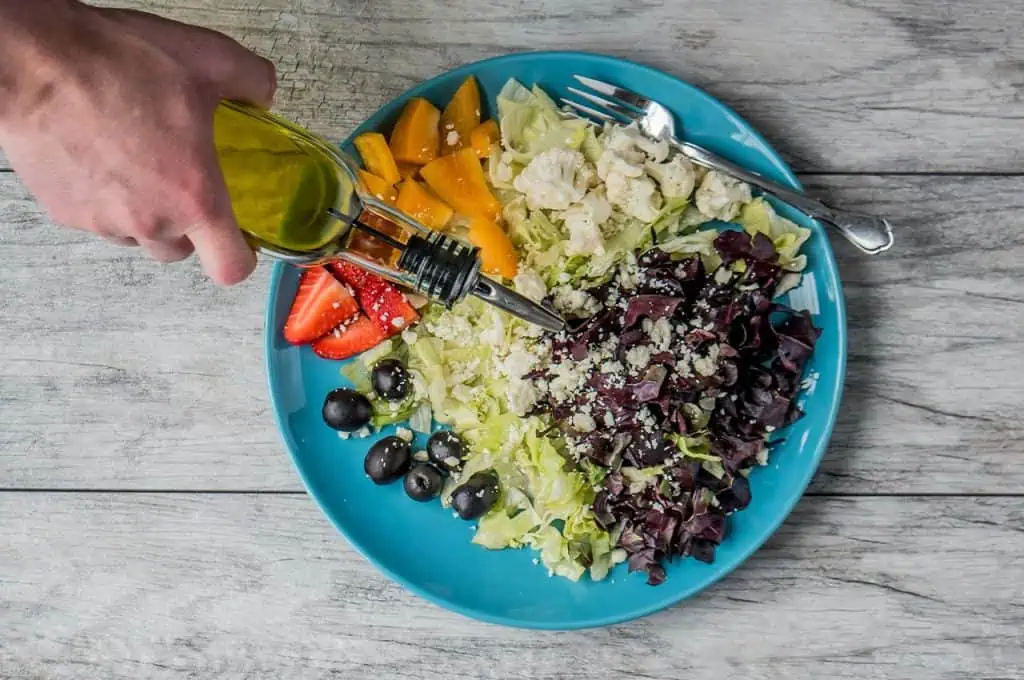
Recent years have seen a notable increase in olive oil's popularity, driven by its health benefits and versatile use in cooking. As consumers prioritize heart-healthy diets, this liquid gold's demand has surged beyond traditional Mediterranean borders. Chefs and home cooks alike are turning to olive oil for its rich flavor and nutritional properties, further straining existing supplies. This rising demand is a significant factor contributing to the current shortage.
Climate Crisis Hits Olive Production

Adverse weather patterns and climate change severely impact olive yields. Unpredictable rainfall, extended droughts, and extreme temperatures affect olive trees' productivity, leading to decreased harvests. Regions traditionally known for olive oil production, like Spain and Italy, are experiencing fluctuating crop outputs, exacerbating the shortage. These environmental challenges underscore the need for sustainable agricultural practices to secure future supplies.
Economic Strain Raises Olive Oil Prices

The combination of heightened demand and reduced supply has inevitably led to rising olive oil prices. Production costs increase with scarcity, influencing market prices and making this staple less accessible to average consumers. As olive oil becomes more expensive, it poses a challenge for those who rely on it for everyday cooking. Monitoring market trends and exploring alternative oils can help consumers adapt to these economic pressures.
Fraud Threatens Olive Oil Integrity

In response to scarcity and rising prices, fraudulent practices have emerged in the olive oil market. Mislabeling and adulteration threaten the integrity of available products, deceiving consumers and undermining trust. To ensure quality, it's crucial to look for certifications and reputable brands. Understanding common fraud tactics can help buyers remain vigilant, ensuring they receive genuine olive oil amidst the ongoing shortage.
Tariffs and Trade: A Supply Chain Story

The global olive oil shortage is intricately linked to the complexities of international trade policies and tariffs. Major olive oil-producing countries face fluctuating tariffs, which alter the cost dynamics significantly. These economic measures, often aimed at protecting domestic markets, can lead to decreased imports and increased prices for consumers. Understanding how tariffs impact supply and demand can help producers and buyers anticipate changes, ensuring they remain adaptable in a volatile market. By exploring diverse trade sources and building resilient supply chains, stakeholders can better navigate this challenging landscape.
New Players in the Olive Oil Arena

Recently, non-traditional olive oil-producing countries have emerged on the scene, diversifying the market and offering new flavor profiles. Nations with favorable climates and innovative agricultural practices are stepping into production, providing alternatives as traditional growers struggle with shortages. The emergence of these new players introduces fresh competition and variety, encouraging established producers to refine their methods and offerings. For consumers, this means access to a broader spectrum of olive oils, each with distinct characteristics driven by terroir and cultivation techniques.
Tech Innovations Revolutionize Production
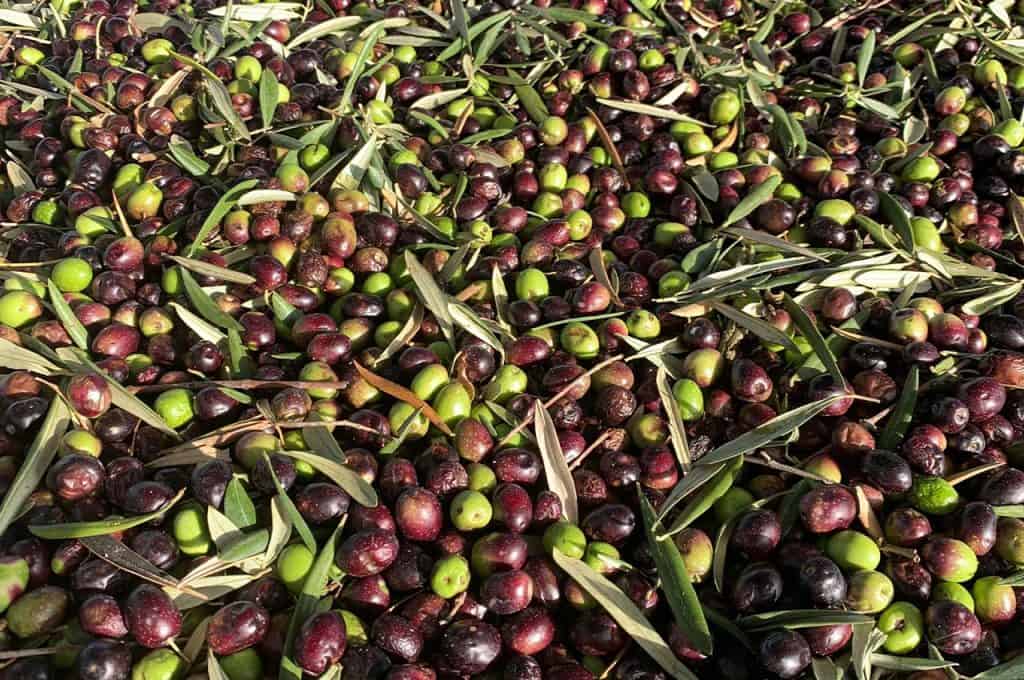
Advancements in technology are transforming olive oil production, making it more efficient and sustainable. From precision agriculture to enhance yield quality, to smart sensors that monitor crop health, tech innovations are addressing many challenges faced by growers. Automated systems for harvesting and processing have streamlined operations, reducing costs and improving consistency in oil quality. As producers adopt these technologies, the market sees a shift towards more sustainable practices that can withstand environmental uncertainties, ultimately benefiting consumers with better products.
Consumers Choose Quality Over Quantity

In the face of scarcity, consumers are prioritizing quality, seeking out high-grade olive oils with authentic flavors and provenance certifications. Discerning buyers are willing to pay a premium for oils that elevate their cooking, ensuring they source from reputable producers. This shift places emphasis on quality assurance and traceability, as producers highlight the unique attributes of their oils. For home cooks, this means embracing a more mindful approach to olive oil usage, enhancing dishes with carefully chosen bottles that reflect both heritage and innovation.
Future Outlook: Adapting to a New Market

The olive oil industry must pivot towards a future that embraces adaptability and resilience. Changing climates, economic pressures, and evolving consumer preferences demand a flexible approach from producers and retailers alike. Emphasizing sustainable practices, investing in new regions, and leveraging innovations will be crucial. As the market reorients, producers who are proactive in diversification and technological adoption will lead the way. Consumers, in turn, will find themselves exploring a dynamic, exciting olive oil landscape, enriched by variety and quality-driven options.
