
Tapioca 101: 10 Sweet Surprises Behind the Boba Craze
Tapioca, a versatile staple, has surged in popularity due to the boba tea craze. This ingredient, with its chewy texture and neutral flavor, adapts beautifully to sweet treats. Understanding the nuances of tapioca can enhance your cooking skills, enabling you to craft delicious desserts effortlessly. Discover the journey from its origins to the role it plays in today’s culinary landscape.
From Cassava to Tapioca Pearls
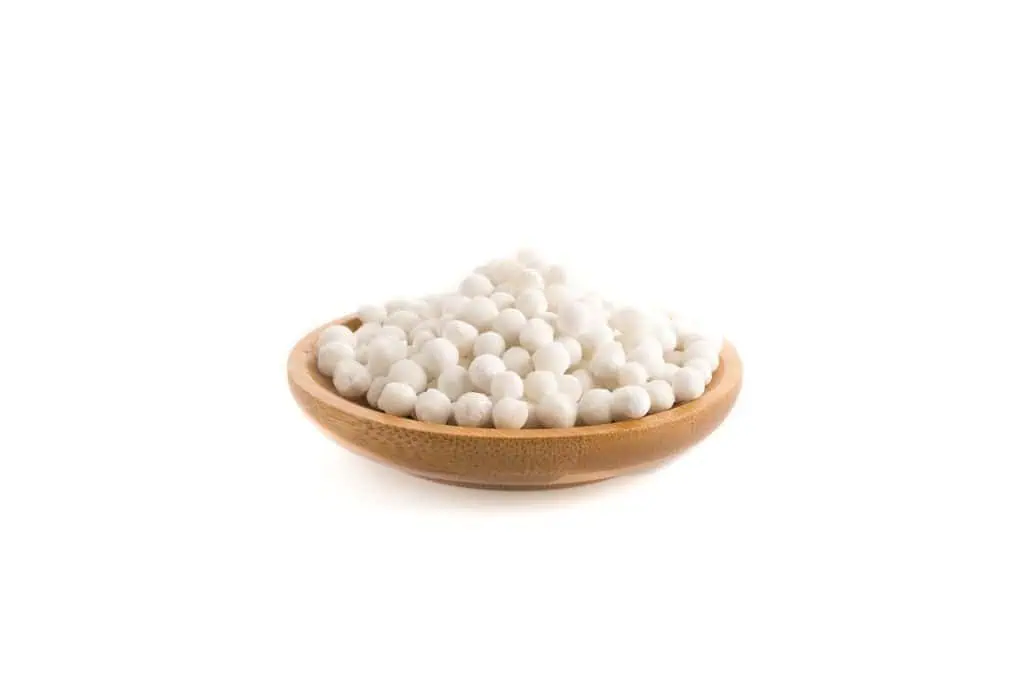
Tapioca originates from cassava, a root native to South America. Transforming it into pearls involves extracting starch from the root, drying it, and forming spherical shapes. This process highlights the simplicity and adaptability of cassava. Tapioca pearls, when cooked, imbibe flavors wonderfully, making them perfect for both sweet and savory dishes.
Taiwan’s 1980s Bubble Tea Invention
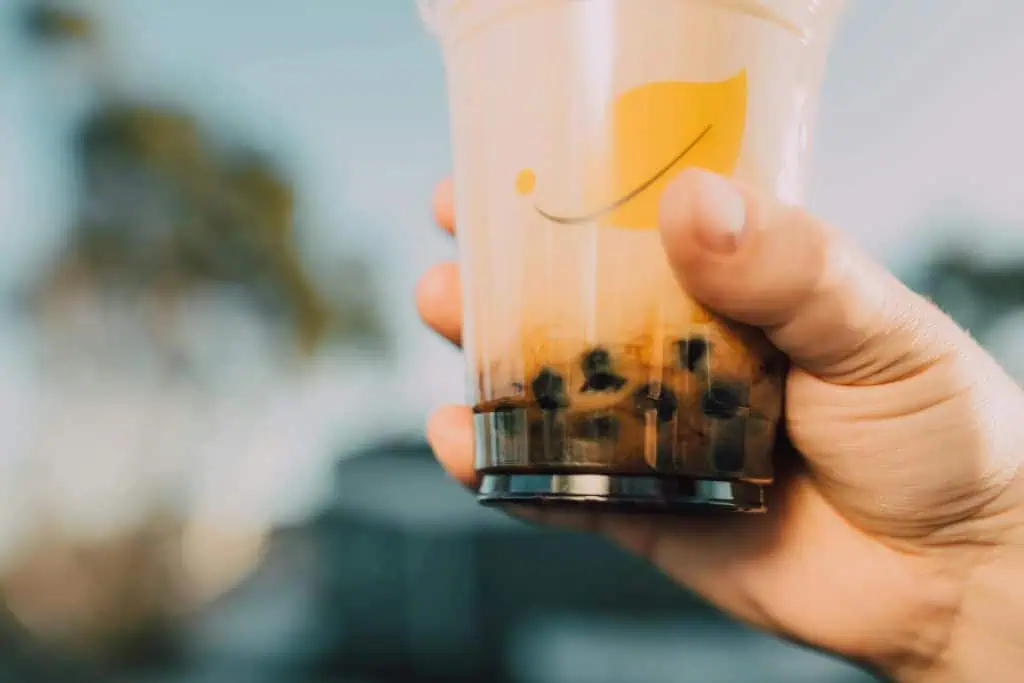
Bubble tea, or boba tea, emerged in Taiwan in the 1980s, driven by innovative tea makers seeking to add texture to beverages. Traditionally, it combines tea, milk, and tapioca pearls, offering a satisfying chewy element against smooth liquid. This ingenious combination grew into a global phenomenon, highlighting regional creativity in food innovation.
Two Types of Boba: What’s the Difference?

In the world of boba, differentiation lies primarily between ‘traditional’ and ‘popping’ boba. Traditional boba boasts a chewy texture due to tapioca starch, while popping boba encapsulates juice in a gel-like shell, creating bursts of flavor. Your choice between them can dramatically alter the sensory experience of your drink, each offering unique appeal.
Brown Sugar Boba: A Sweet Revolution
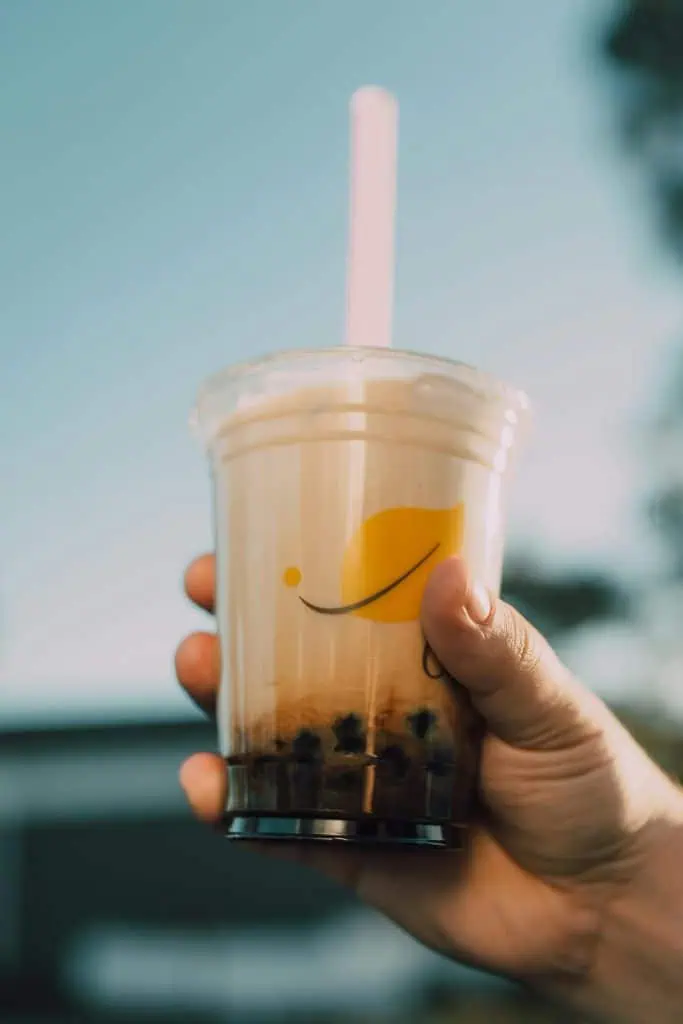
Brown sugar boba elevates traditional pearls by simmering them in rich, caramel-like syrup. This process imbues the pearls with a warm, molasses flavor and a glossy sheen. Incorporating brown sugar boba into desserts or drinks not only adds complexity but also creates a harmonious balance between sweetness and texture.
Hot or Cold? Serving Boba Your Way
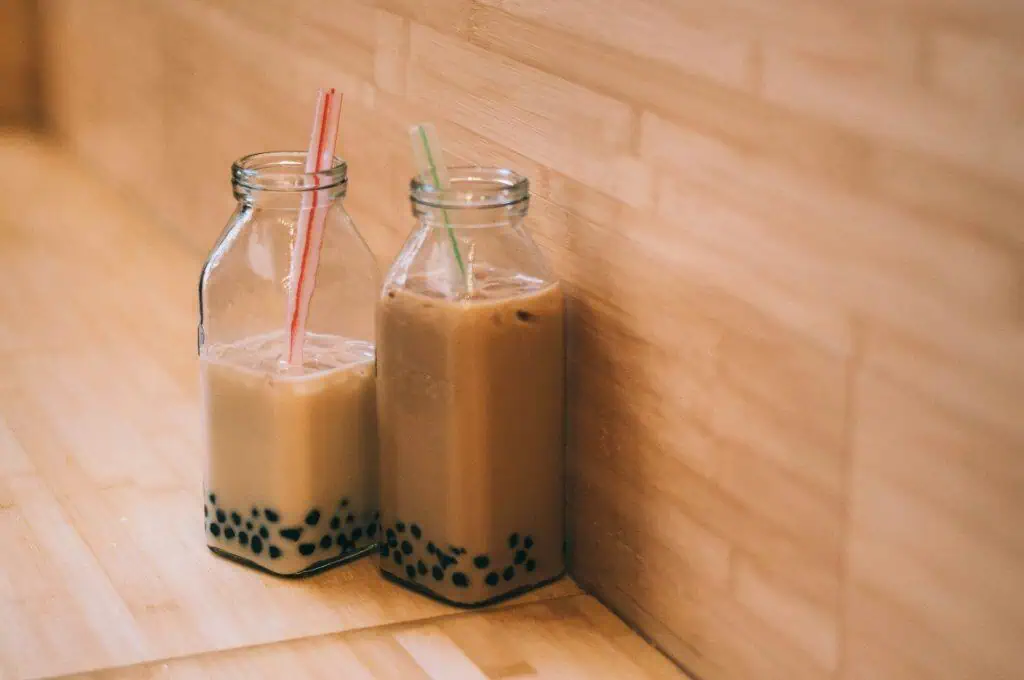
The versatility of boba drinks allows them to be enjoyed either hot or cold, each offering a unique experience. For a refreshing option, a cold boba tea highlights the chewy texture of the pearls, contrasting with icy liquid that ranges from creamy milk teas to fruity infusions. Alternatively, a hot boba strikes a comforting balance, where the warmth enhances the caramel notes of the tapioca. Carefully consider the temperature of your chosen beverage to complement its core flavors, ensuring an optimal sensory experience.
Beyond Tea: Fruit and Coffee Varieties
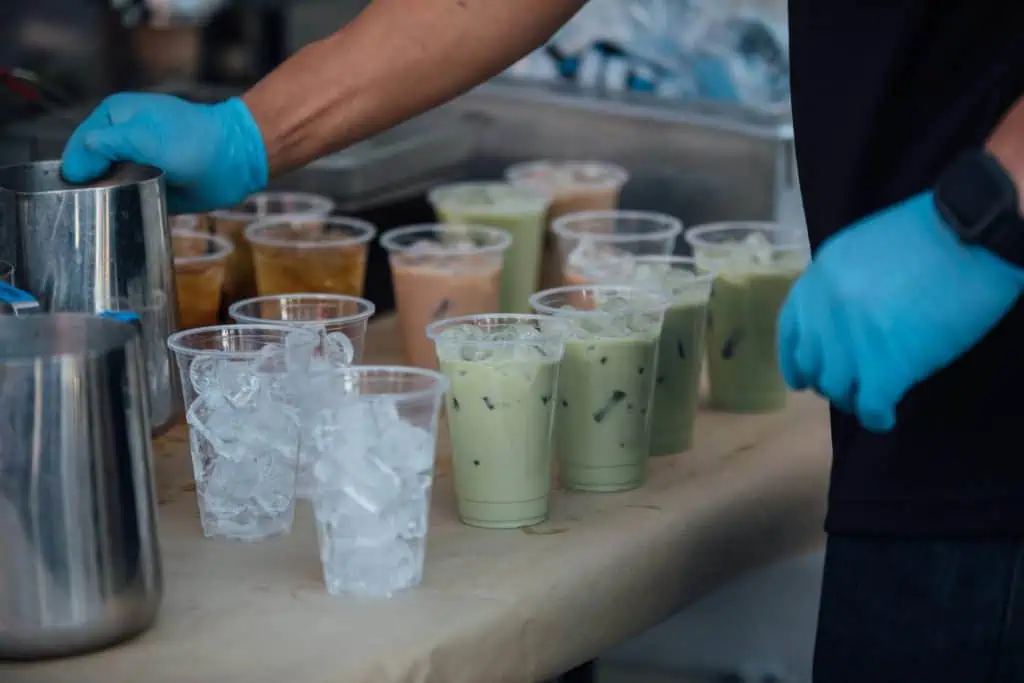
Boba drinks extend far beyond traditional tea bases. Fresh fruit additions create vibrant, refreshing options like mango or strawberry, offering natural sweetness and color. Coffee boba presents a robust alternative, combining the deep tones of espresso with chewy pearls, perfect for coffee lovers looking for a twist. Experimenting with these varieties introduces new flavor dimensions and encourages innovation. When crafting these drinks, consider balancing the natural acidity and sweetness to achieve a beautifully rounded, satisfying refreshment.
Customize Your Boba Experience
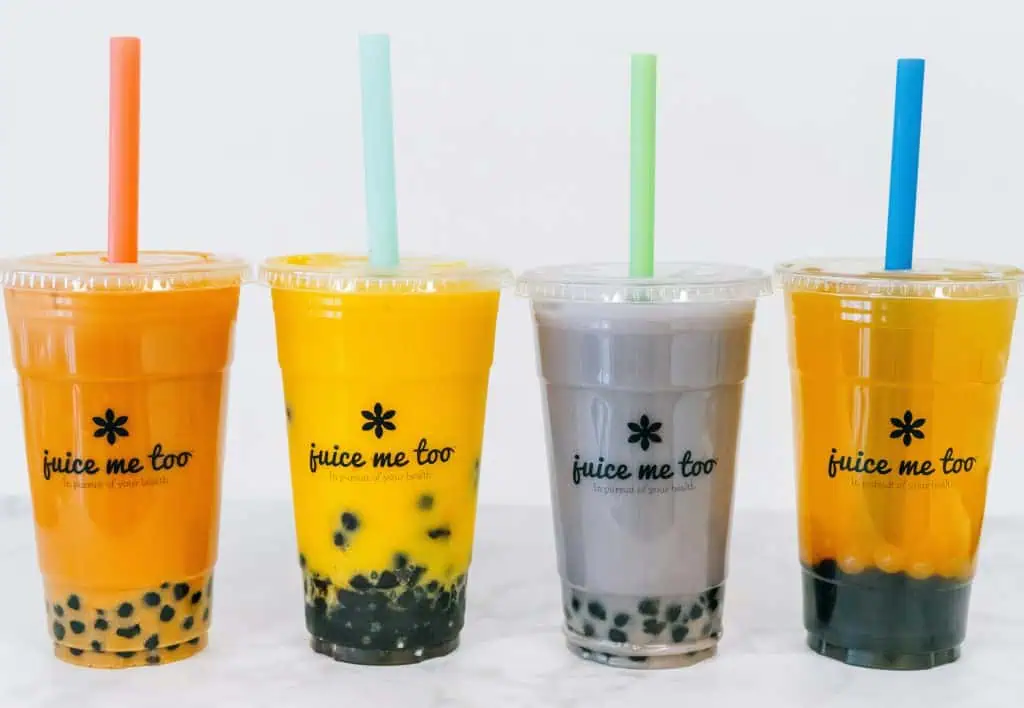
Customizing boba drinks allows for personalized indulgence. Adjusting the sweetness level, selecting the type of milk, or incorporating diverse toppings like coconut jelly or aloe vera elevates the experience. Choose your boba pearls’ firmness by varying cooking time—firmer for a satisfying bite or softer for a melt-in-mouth texture. Mastering these adjustments transforms boba from standard to signature, aligning perfectly with individual preferences and making each sip a unique personal treat.
Hidden Calories in Your Favorite Drink
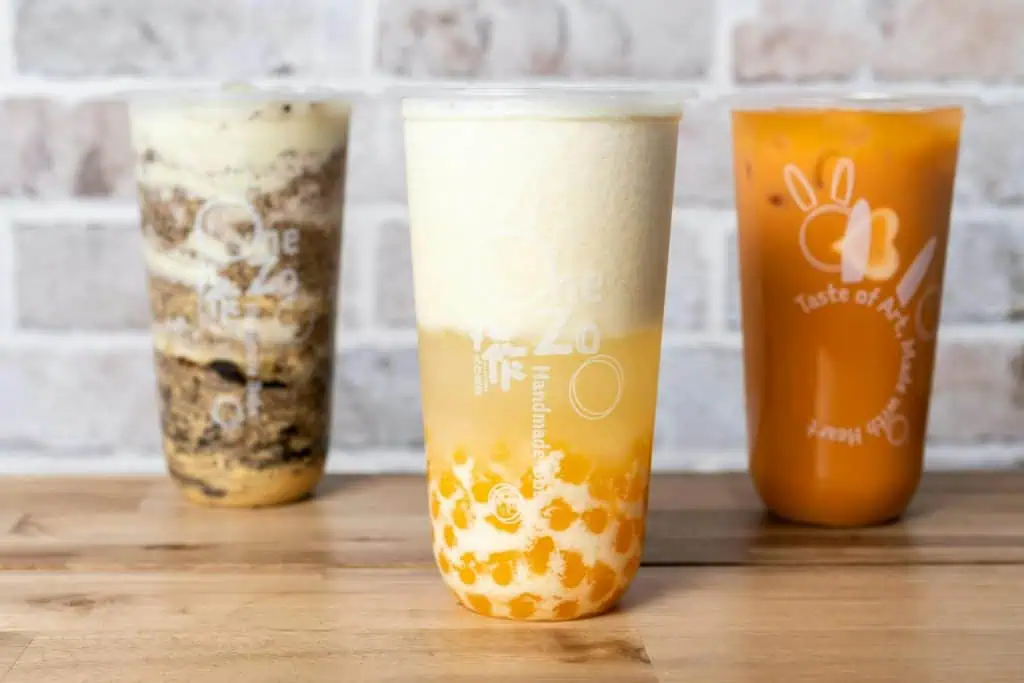
Understanding the caloric makeup of boba can guide healthier choices. While the pearls themselves provide the characteristic chew, they also contribute significantly to the calorie count, often adding up to 150 calories per serving. Sweetened teas, flavored syrups, and creamy milk bases can further escalate the total. Opting for less sugar, using skim or plant-based milks, and minimizing additional toppings can effectively reduce the drink’s caloric impact. Being aware of these elements empowers more mindful sipping without sacrificing enjoyment.
DIY Boba Kits: Crafting at Home
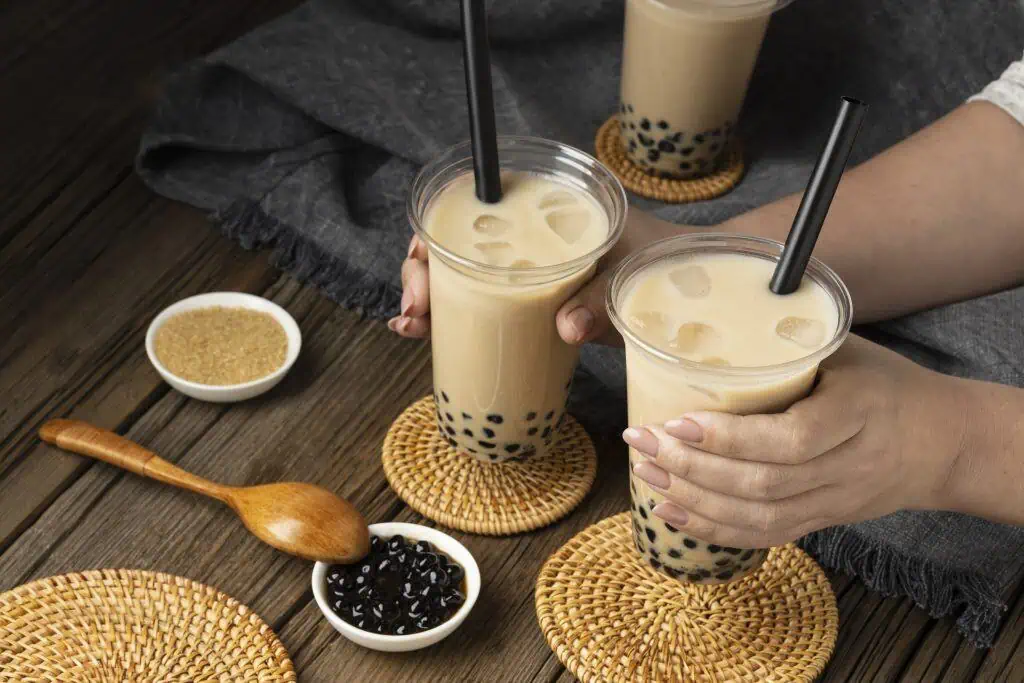
DIY boba kits offer an inviting opportunity to bring the boba experience into your kitchen, providing precisely measured ingredients and clear instructions. These kits simplify the process—reconstituting pearls and preparing flavorful bases with ease. Enthusiastically explore pairing various tea flavors and sweetness levels, or experiment with innovative ingredients like matcha or lemongrass. The hands-on approach enriches appreciation, delivering satisfaction from crafting a custom drink that rivals café offerings. Engage in the creative and rewarding practice of mastering homemade boba.
Worldwide Phenomenon: The Growing Boba Craze
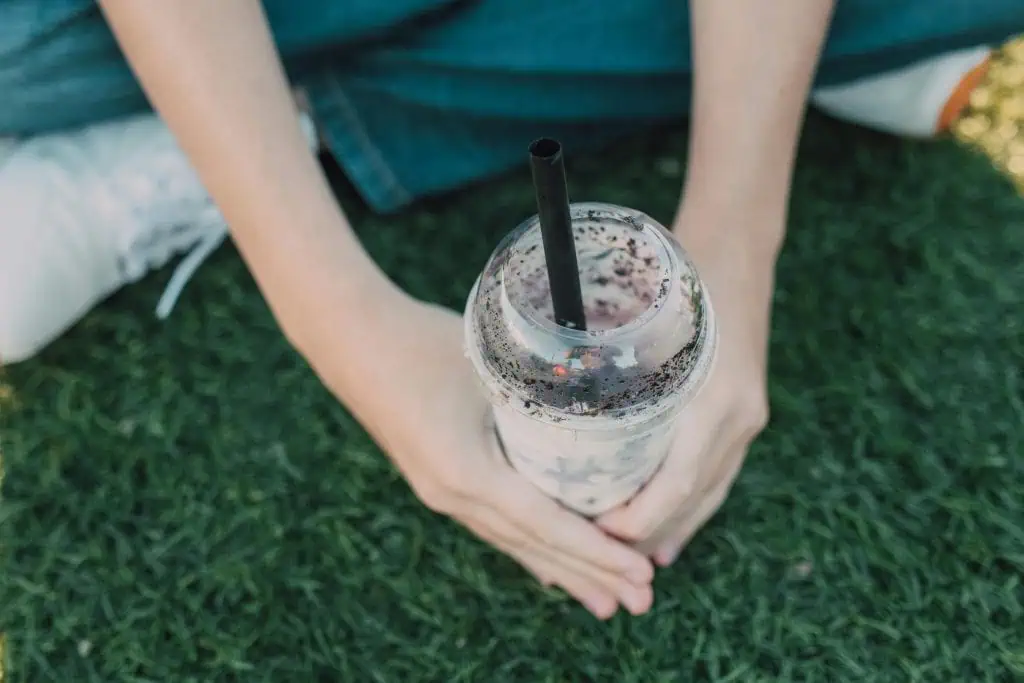
Boba tea, with its chewy tapioca pearls, has taken the world by storm, transforming from a local Taiwanese delight into a global sensation. Its appeal lies in the textural contrast between the creamy, often sweetened tea and the resilient chew of the tapioca balls. Key to perfecting this drink at home is understanding the balance of flavors; using high-quality tea ensures a robust base, while crafting a simple syrup—merely equal parts sugar and water boiled together—adds the right touch of sweetness. Mastering the pearls requires boiling them until they achieve that distinct blend of softness with a slight resistance at the core. Finishing with milk or fruit flavors provides endless customization options, allowing each creation to be both a personal and sensory experience. As this drink continues to gain global traction, mastery of these techniques brings both novelty and satisfaction to home kitchens everywhere.
