
Take a Trip Down Memory lane: McDonald’s brings back iconic 1980s toys
Few childhood rituals were as memorable as opening a Happy Meal box and discovering the toy tucked inside. During the 1980s, those brightly colored plastic prizes became more than simple giveaways, they became part of pop culture. Now, McDonald’s is bringing back select iconic toys from that era, tapping directly into nostalgia. For many adults who grew up during that decade, the revival isn’t just about collectibles. It’s about revisiting a time when fast-food outings felt like events, shaped by branding, television tie-ins, and shared family experiences.
The Golden Age of Happy Meal Toys
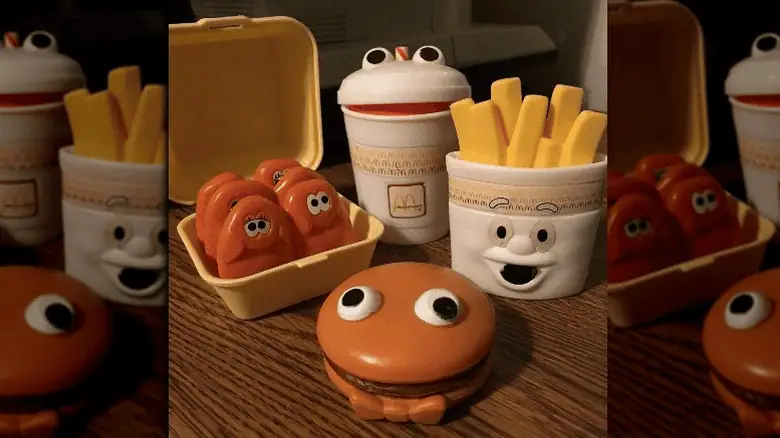
The 1980s marked a turning point for Happy Meal promotions. Toys evolved from basic trinkets into character-driven mini collectibles tied to entertainment franchises and McDonald’s mascots. Durable plastic builds, bright colors, and themed sets encouraged repeat visits, as children aimed to collect entire series. Promotions often aligned with major film releases or Saturday morning cartoons, blending fast food with mainstream entertainment. This strategy transformed a simple meal into an interactive experience, reinforcing McDonald’s presence in childhood routines.
Why Nostalgia Marketing Works
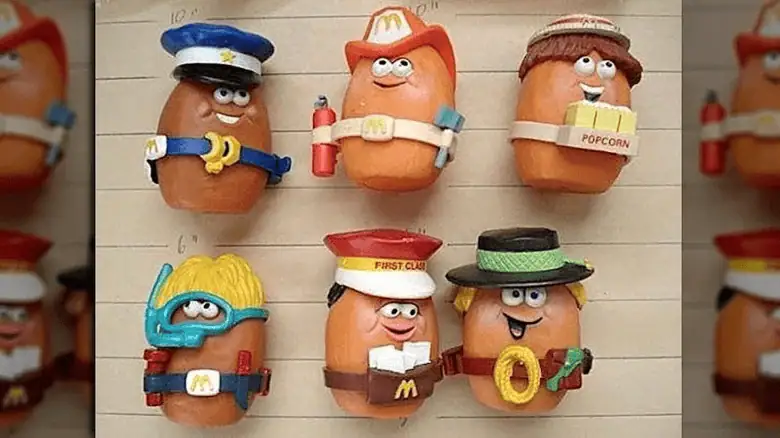
Reintroducing 1980s toys targets a generation now well into adulthood. Nostalgia marketing works because it connects present purchases to positive emotional memory. For many customers, those toys symbolize carefree afternoons, birthday parties, or family road trips. Revisiting them creates familiarity and warmth in a fast-changing world. Rather than relying solely on novelty, the revival leans into memory as a marketing asset. Emotional recall often proves more powerful than product innovation, especially when tied to formative experiences.
Collectibility in the Modern Era
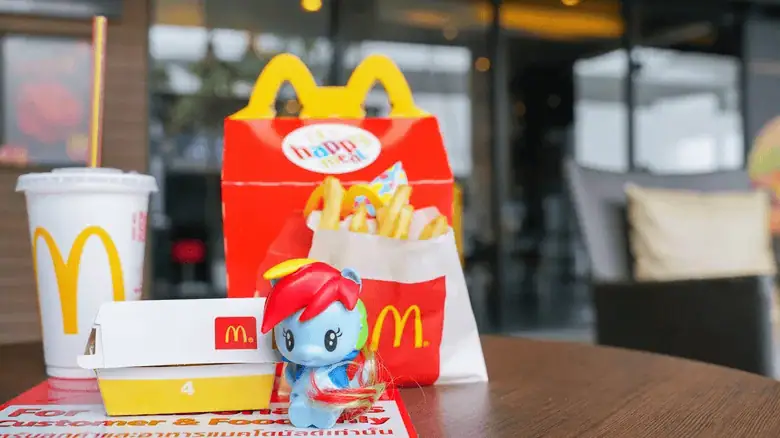
Unlike the original releases, today’s toy revivals often operate within limited runs that encourage urgency. While children remain part of the target audience, adult collectors now play a significant role. Social media amplifies demand, as fans share photos and track down complete sets. Limited-edition framing increases perceived value, even for small plastic figures. What once existed as a child-focused promotion now bridges generations, transforming nostalgic toys into cross-generational collectibles.
How Happy Meals Have Changed
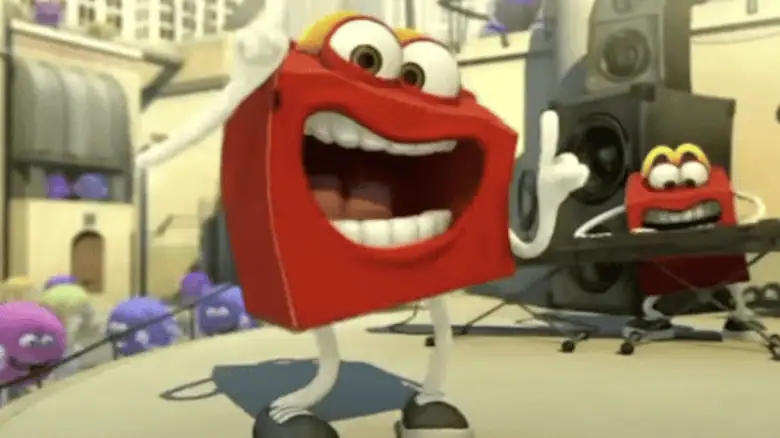
Since the 1980s, Happy Meal promotions have adapted to changing regulations and cultural expectations. Materials have shifted, safety standards have tightened, and some promotions incorporate digital components rather than solely physical toys. The return of earlier designs highlights the contrast between tactile, durable keepsakes and today’s evolving formats. Looking back underscores how marketing strategies shift over time while still depending on emotional resonance to connect with audiences.
More Than Just a Toy

The revival of 1980s toys represents more than a limited-time promotion; it reflects how brands strategically mine their archives to reconnect with longtime customers. In a crowded fast-food landscape where new menu launches compete for attention, familiarity can be just as powerful as innovation. By spotlighting iconic items from decades past, McDonald’s invites parents to revisit formative memories and share them with their own children. The campaign underscores how emotional continuity strengthens brand loyalty. Even small plastic toys, once tucked inside cardboard boxes, can carry lasting cultural weight, bridging generations through shared nostalgia and collective memory.
