
Pantry Upgrade: 10 Easy Swaps Nutritionists Recommend
Eating healthier can feel overwhelming. You think you need to overhaul your whole kitchen, buy expensive “superfoods,” and learn a whole new way to cook. But here’s the secret: small swaps make a big difference. You don’t need to change everything at once. Just start with your pantry. Trade white rice for quinoa (more protein and fiber). Swap sugar for honey (natural sweetness with trace nutrients). Ditch white bread for whole grain (more vitamins and lasting energy). Replace cooking oils with olive oil (heart-healthy fats). These aren’t big, scary changes. They’re simple, one-for-one swaps that boost nutrition without sacrificing flavor. And the best part? You probably already know how to cook with these ingredients.
So if you’re ready to make your meals healthier without a total kitchen revolution, you’re in the right place. In this article, we’re sharing 10 nutritionist-approved pantry swaps—from Greek yogurt instead of sour cream to sea salt instead of table salt, frozen veggies instead of canned, and dark chocolate instead of milk. You’ll learn simple tips like why you should rinse quinoa before cooking, how to use herbs instead of store-bought sauces, and why sparkling water with citrus beats soda every time. No complicated recipes. No expensive gadgets. Just easy swaps that add up to big results. Let’s upgrade your pantry—one ingredient at a time.
From White Rice to Quinoa
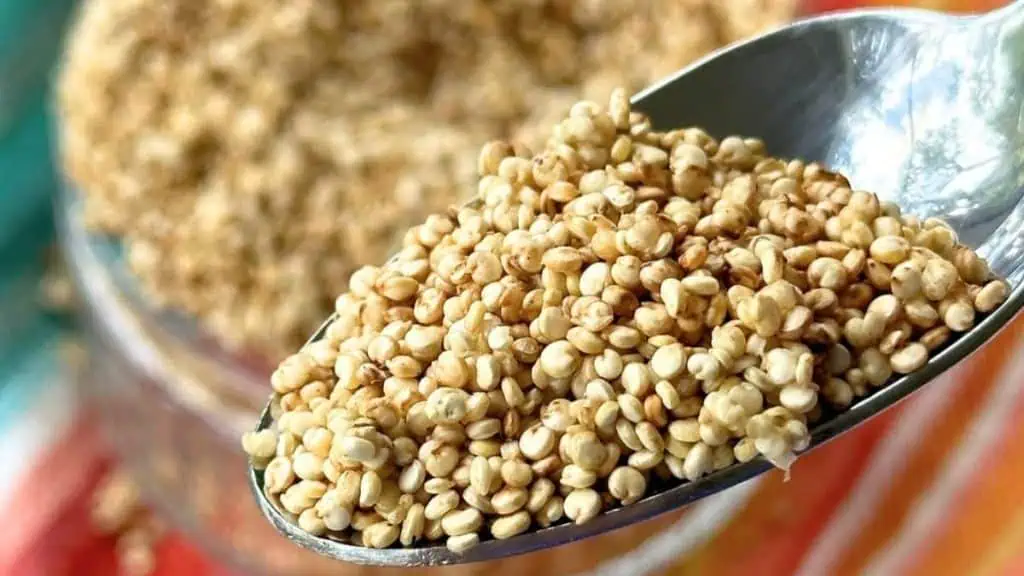
Replacing white rice with quinoa is a simple swap that adds both protein and fiber to your meals. Quinoa cooks quickly and can be used in the same amount as rice. Its nutty flavor and slight crunch add depth to salads and stir-fries. Remember to rinse quinoa before cooking to remove its natural coating, saponin, which can taste bitter. This grain-like seed offers a complete protein profile, making it an excellent choice for plant-based diets.
Switch Sugar for Honey

Trading white sugar for honey offers a natural sweetness along with trace nutrients. Use honey in baking by reducing the liquid in recipes, as honey adds moisture. Its floral notes can enhance both desserts and savory dishes, like glazes for roasted meats. It also boasts higher fructose content, so you may need less. Always choose raw or organic honey to benefit from its antioxidants and enzymes. Be mindful of its stronger flavor when substituting.
Ditch White Bread for Whole Grain
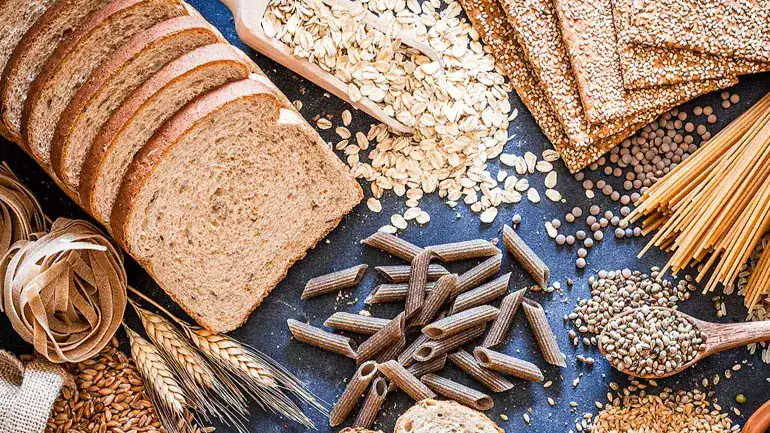
Substituting whole-grain bread for white bread adds essential nutrients and more fiber, aiding digestion and providing sustained energy. Whole grains maintain their bran and germ, which are rich in vitamins and minerals. Opt for bread with visible grains and seeds to maximize these benefits. The denser texture works well for sandwiches and toasts, offering a hearty base that complements various toppings. Look for labels indicating at least 3 grams of fiber per serving.
Replace Cooking Oils with Olive Oil

Swapping out traditional cooking oils for olive oil elevates your dishes with healthy monounsaturated fats known to support heart health. Extra virgin olive oil is perfect for dressings and low-heat cooking, imparting a fruity aroma and rich taste. For sautéing or frying, a lighter olive oil can withstand higher temperatures. Its antioxidants and anti-inflammatory properties offer additional health benefits, making it a versatile staple in the kitchen.
Opt for Greek Yogurt Over Sour Cream

Greek yogurt offers a creamy texture with less fat and more protein than sour cream. Its versatility makes it an ideal substitute in dips, dressings, and even baking. For equal richness, use full-fat Greek yogurt. To enhance flavor without overpowering, a dash of lemon juice or a pinch of salt can mimic sour cream’s tanginess. Its live cultures support gut health while thick consistency ensures a vibrant finish in any dish.
Swap Table Salt for Sea Salt

Sea salt provides a subtle complexity due to its natural mineral content. Unlike refined table salt, it enhances the depth of flavors without the harshness. Opt for fine-grain sea salt for precise seasoning or flaky varieties for a crisp texture in salads and finished dishes. Add it sparingly during cooking to prevent over-salting, as its slightly larger crystals dissolve more slowly than conventional salt.
Canned Veggies to Frozen Goods

Trading canned vegetables for frozen varieties preserves nutrients and flavor while reducing sodium intake. Frozen veggies are typically flash-frozen at peak ripeness, maintaining both taste and nutritional value. Sauté or steam them lightly to retain crispness and vibrant color. Available year-round, they offer convenience without sacrificing quality, making them an excellent choice for quick, wholesome meals.
Trade Soda for Sparkling Water

Switching to sparkling water reduces sugar intake while still satisfying cravings for fizzy refreshment. Infuse with citrus slices, berries, or herbs for natural flavor without added calories. To recreate the soda experience, choose zero-calorie varieties that mimic popular flavors. This simple swap enhances hydration and supports healthier choices without compromising on enjoyment.
Use Herbs Instead of Store-Bought Sauces

Herbs impart fresh, aromatic qualities that enhance dishes naturally without added sugars or preservatives found in many sauces. Incorporate basil, cilantro, or rosemary to enrich flavors in marinades, salads, or roasts. Fresh herbs work wonders when added at the end of cooking to preserve their vibrancy. Dried herbs, when used effectively, can develop deeper notes when added early and blended with other spices.
Choose Dark Chocolate Over Milk Chocolate

Dark chocolate offers a more complex flavor profile and greater nutritional benefits compared to milk chocolate. Rich in antioxidants, specifically flavonoids, it supports heart health and improves blood flow. When selecting dark chocolate, aim for a cocoa content of 70% or higher. This ensures a richer taste and higher concentration of beneficial compounds. Enjoy it in moderation, using it in desserts or as a standalone treat. Its depth of flavor pairs well with nuts and fruits, creating a satisfying and healthier indulgence.
