
Nutrition Experts Share 15 Foods That May Be Easier on the Kidneys
When you hear “kidney-friendly diet,” you probably think bland, boring, and complicated. But here’s the truth: eating for kidney health can be delicious, colorful, and surprisingly simple. The key is focusing on low-sodium, low-potassium, and nutrient-rich foods that support kidney function without sacrificing flavor. Think cauliflower (a versatile veggie hero), blueberries (tiny antioxidant powerhouses), egg whites (lean protein with purpose), red bell peppers (sweet and vitamin-packed), and cabbage (crunchy and crucial). Add in garlic, onions, apples, pineapple, and even olive oil, and you’ve got a pantry full of flavor. These foods are not only kidney-friendly—they’re genuinely tasty and easy to cook with.
So if you or someone you love is managing kidney health, this one’s for you. In this article, we’re highlighting 15 kidney-friendly staples recommended by nutrition experts—from turnips and radishes to white rice, cranberries, and skinless chicken. You’ll learn simple tips like how to roast cauliflower to bring out its natural sweetness, why egg whites are better than whole eggs for kidney health, and how to use garlic and olive oil for flavor without salt. No complicated diets. No weird ingredients. Just real, accessible food that supports your kidneys and your taste buds. Let’s cook—the kidney-friendly way.
Cauliflower: A Versatile Veggie Hero
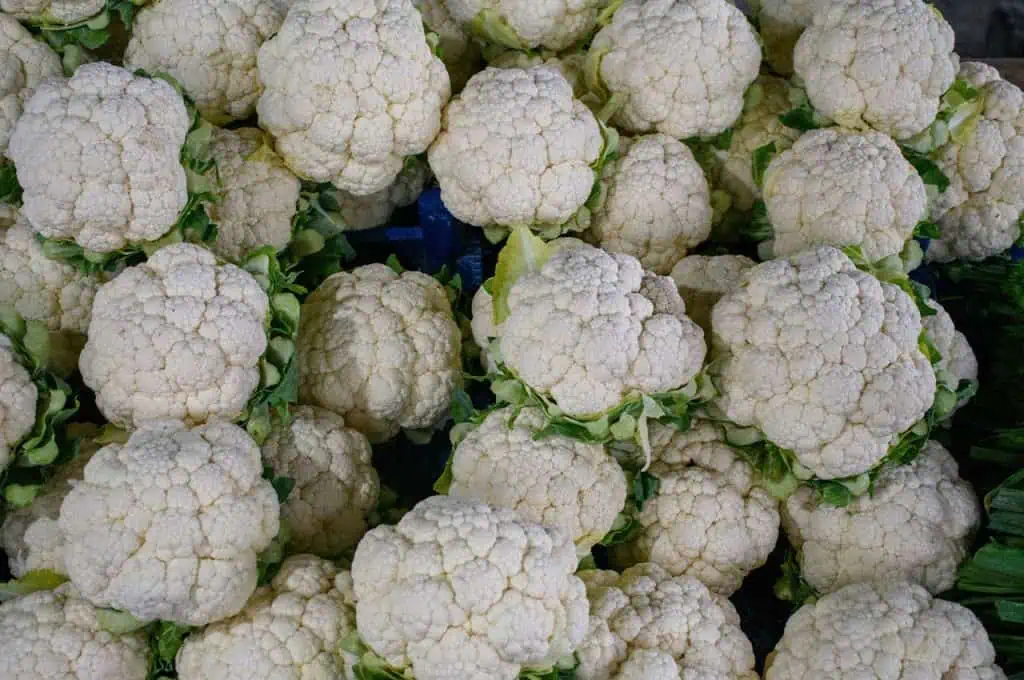
Cauliflower is a low-potassium vegetable offering fiber, vitamin C, and anti-inflammatory compounds. Its neutral flavor makes it adaptable, perfect for steaming, roasting, or mashing as a potato alternative. Sauté florets with a touch of garlic and olive oil to enhance its natural sweetness, or steam and blend it into soups for a creamy texture without added dairy. This flexibility makes cauliflower a staple for kidney-friendly dishes.
Blueberries: Small but Mighty

Blueberries are packed with antioxidants, especially vitamin C, that support immune health without overloading the kidneys. Enjoy them fresh, adding a handful to morning oats or smoothies. Alternatively, incorporate them into salads for a pop of color and flavor. Freezing blueberries extends their shelf life and retains their nutritional value, allowing for easy addition to various desserts or as a refreshing snack on their own.
Egg Whites: Protein with a Purpose
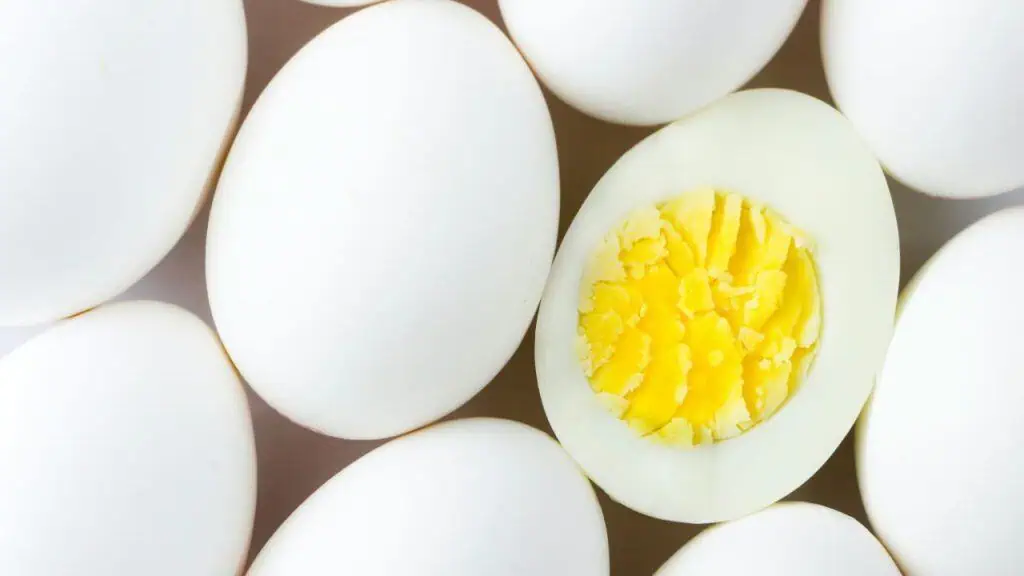
Egg whites provide high-quality protein without the phosphorus content found in yolks, making them ideal for kidney health. Use them in omelets or scrambled preparations for a light breakfast. When baking, egg whites can replace whole eggs for a lower phosphorus option. Whisk with herbs and vegetables for a simple and satisfying meal. They also serve as an excellent binder in meatless patties and loaves.
Red Bell Peppers: Vibrant and Vitamin-Rich

Red bell peppers are low in potassium and packed with vitamins A and C, offering a sweet, crisp addition to meals. When roasted, they develop a deep, caramelized flavor perfect for salads or sandwiches. Dice them into salsas or stuff them with grains and lean proteins for a colorful entrée. Including them in stir-fries or as a pizza topping adds both nutritional value and visual appeal to any dish.
Cabbage: Crunchy and Crucial
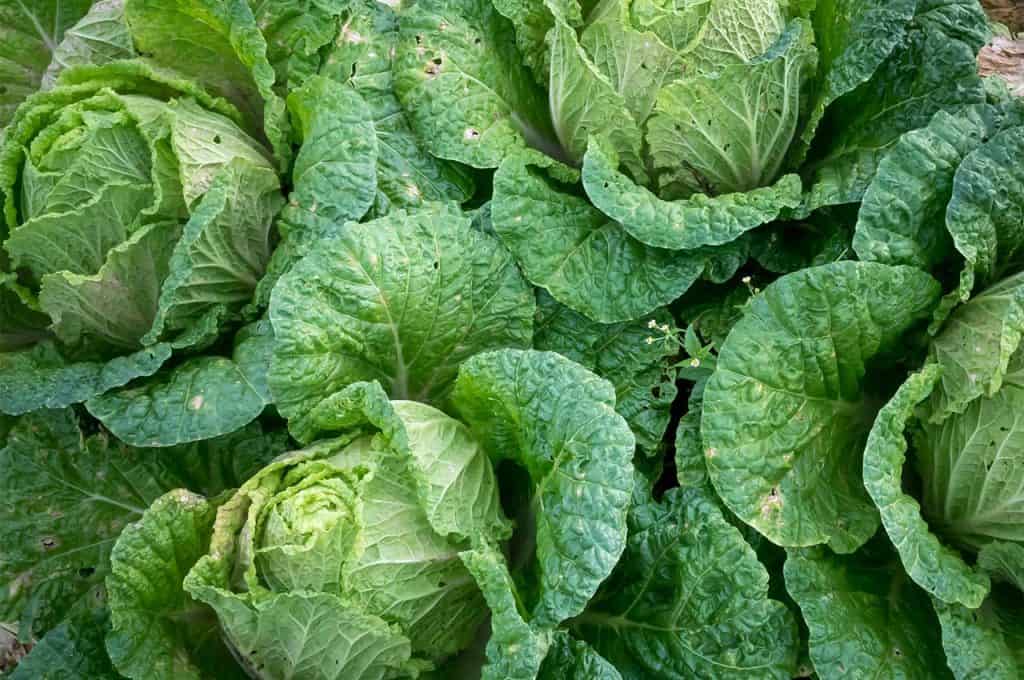
Cabbage is a versatile choice for those mindful of kidney health, offering a satisfying crunch while being low in potassium. Shred it finely to enhance its texture in salads, or lightly steam to retain its ample vitamin C and K content. For an extra depth of flavor, try roasting wedges until they develop a caramelized edge. Top with a sprinkle of caraway seeds or a dash of apple cider vinegar to uplift its natural sweetness. This simple preparation makes cabbage an excellent complement to any meal devoted to wholesome eating.
Garlic: Flavor with Benefits

Garlic not only boosts flavor profiles but also contributes compounds that support overall health. Use fresh cloves by crushing them to activate allicin, the compound responsible for its health benefits. Sauté garlic gently in olive oil to release its aromatic qualities without burning. This enhances sautéed vegetables or lean proteins. Add minced garlic towards the end of cooking to retain its potency, or incorporate it raw into dressings for a pungent, yet healthful, kick. Fresh garlic remains a kidney-friendly seasoning choice that adds depth to a variety of dishes.
Apples: Daily Dose of Health

Apples bring a crisp texture and a natural sweetness that complements an array of dishes while being gentle on the kidneys. For a refreshing salad, dice crisp varieties and toss with fresh greens and a touch of lemon juice. Baking apples softens their flesh, bringing out a richer dimension of flavor—perfect for a comforting, low-sugar dessert when sprinkled with cinnamon. Apple slices also add a satisfying crunch to sandwiches and pair beautifully with nut butters. Their versatility and nutritional profile make them an everyday staple for maintaining health.
Onions: Layers of Nutrients

Onions, with their robust flavor and nutrient-rich profile, enhance many kidney-friendly recipes. Sautéing onions slowly brings out their natural sweetness, making them an excellent base for soups and stews that require depth. When consumed raw, they add a sharp zest perfect for salads or topping on tacos. Consider using red onions for a milder taste and vibrant color. Their sulfur compounds support health, and their versatility in both cooked and raw forms make onions a foundational ingredient in creating balanced meals that appeal to the senses.
Pineapple: Sweet and Supportive
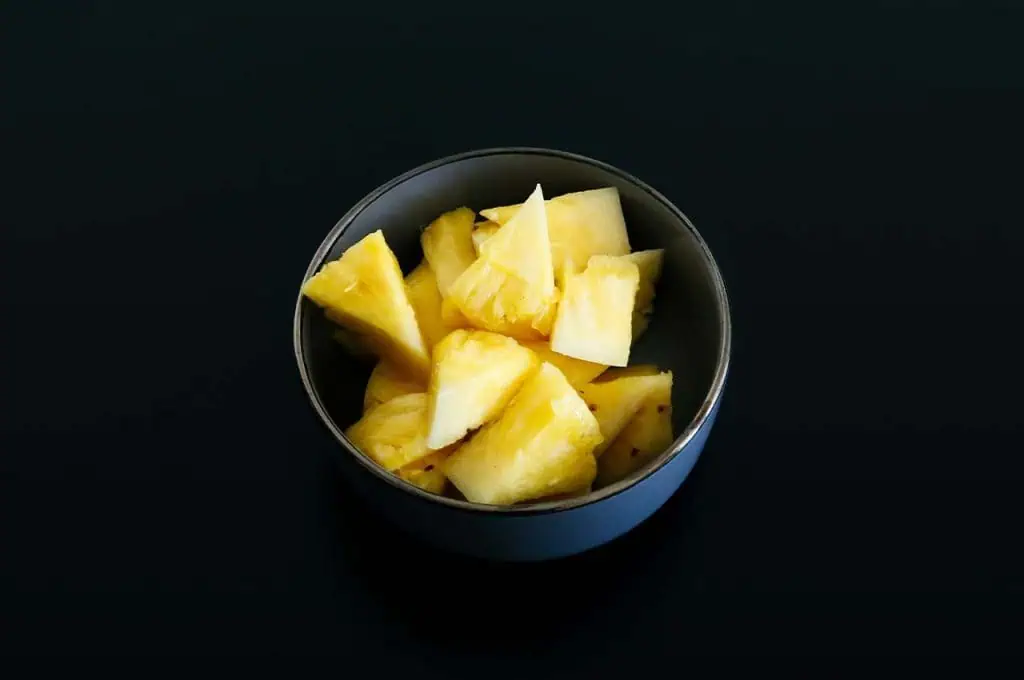
Pineapple offers a tropical touch to dishes and is considered supportive of kidney health due to its low potassium content. Enjoy it fresh, juiced, or grilled to enhance its natural sweetness. Cut into chunks, pineapple can boost the flavor of salads, or become a delightful topping for yogurt. When grilling, allow slices to develop slight charring for a caramelized burst of flavor—a method enhancing both savory skewers and desserts. Pineapple’s balance of tart and sweet provides a refreshing note capable of enlivening a variety of culinary experiences.
Skinless Chicken: Lean and Clean

Preparing skinless chicken provides a high-quality source of protein while reducing saturated fats, making it gentle on the kidneys. Begin by selecting fresh, skinless chicken breasts or thighs. Opt for poaching or baking methods to preserve moisture without adding extra oil. When seasoning, use herbs like thyme and rosemary, avoiding heavy salt. Pair with a light lemon zest or a sprinkle of paprika to enhance flavor. Cook to an internal temperature of 165°F, ensuring safety and juiciness. The result is a versatile, tender option that’s both nourishing and harmonious with a kidney-friendly diet.
Cranberries: Tiny Protectors
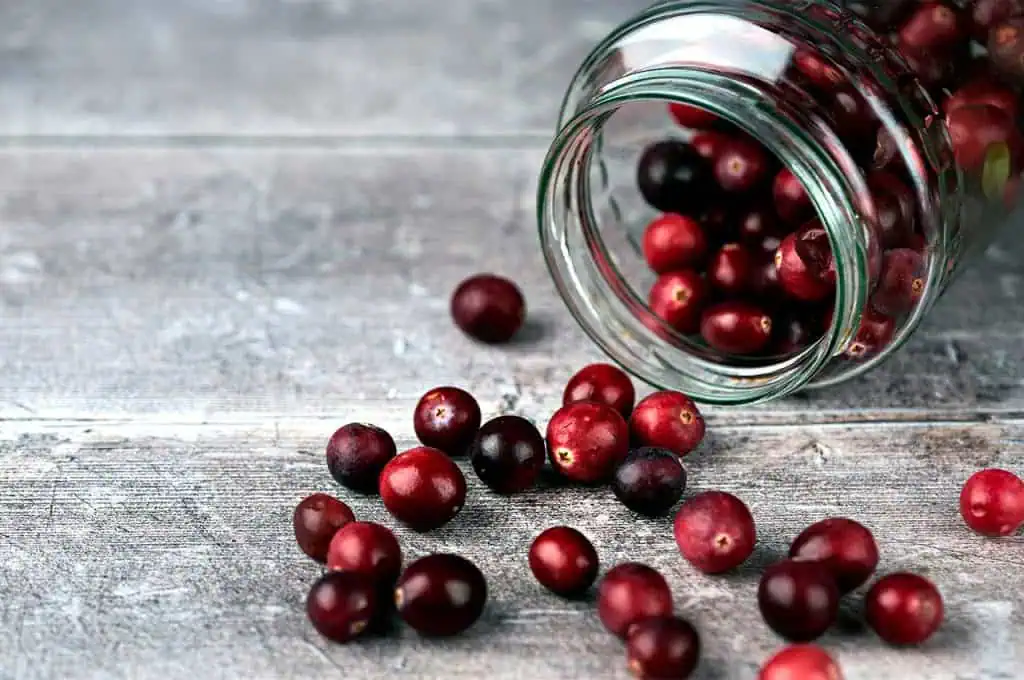
Cranberries offer natural support for kidney health due to their ability to prevent bacterial adhesion. Use them fresh or dried, free from added sugars. For a refreshing infusion, simmer fresh cranberries with water and a hint of honey or agave to balance their tartness. This brew can serve as a vibrant dressing for salads or a base for a soothing tea. Alternatively, include dried cranberries in oatmeal or yogurt, where their tanginess adds a pleasing contrast. Choose methods that highlight their inherent qualities, making cranberries both a functional and flavorful addition.
Turnips: Underestimated and Useful

Mild and nutrient-dense, turnips are an excellent choice for those seeking kidney-friendly vegetables. Peel and dice turnips into small cubes for even cooking. Roast them at 400°F with a drizzle of olive oil and a dash of black pepper until golden brown. Alternatively, boil until tender and mash with a hint of garlic and a splash of cream for a comforting side dish. The subtle sweetness of turnips can complement various proteins, making them adaptable to numerous culinary settings while providing a gentle dietary option.
Radishes: Colorful and Crunchy
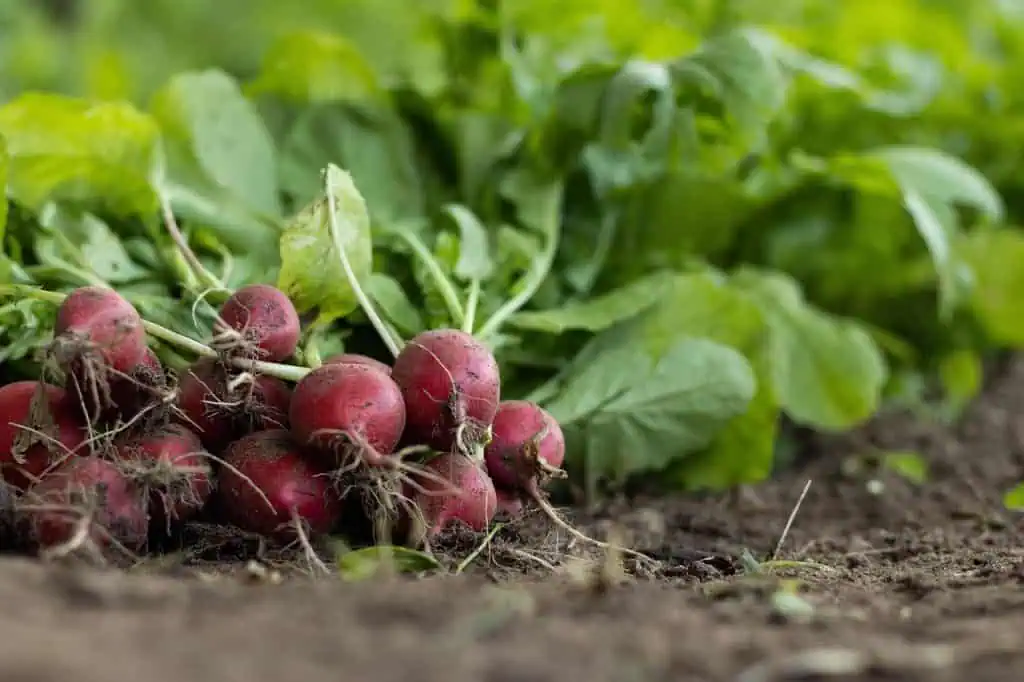
Radishes, with their crisp texture and peppery bite, add a refreshing element to meals without burdening the kidneys. Slice thinly to enhance their crunch and include them in salads or slaws for a bold splash of color. For a milder flavor, try roasting with a touch of olive oil until they soften slightly. Pair with a squeeze of lemon juice to lighten their earthy undertones. Their vibrant presence not only elevates the visual appeal of dishes but also contributes essential nutrients, making radishes a smart choice for a kidney-conscious diet.
White Rice: Simple and Soothing

As a staple in many diets, white rice is gentle on the digestive system and a safe option for kidney health. Rinse thoroughly under cold water to remove excess starch, resulting in a lighter texture. Cook using a 2-to-1 water-to-rice ratio, slowly simmered until tender. For added dimension, stir in a bit of unsalted butter or a sprinkle of chopped parsley post-cooking. Its subtle flavor profile serves as a versatile base, complementing a variety of proteins and vegetables. White rice thus offers simplicity and adaptability in a kidney-friendly meal plan.
Olive Oil: A Liquid Gold Standard

Olive oil is an exceptional choice for those mindful of kidney health. Its high levels of monounsaturated fats support heart health without overburdening the kidneys with excess sodium or phosphorus. When selecting olive oil, opt for extra virgin varieties, as they are minimally processed and retain more antioxidants. Use it to sauté vegetables at medium heat to preserve its rich, fruity flavor and nutrient profile. Drizzle it over salads and roasted vegetables to enhance taste while maintaining a kidney-friendly diet. Store olive oil in a cool, dark place to keep it fresh longer.
