
Is the Banana Doomed? The Truth About a Global Fruit Crisis
Here's something that might ruin your morning smoothie. The bananas you buy at the grocery store—the bright yellow, perfectly curved, sweet ones—are in serious trouble. Like, possibly-going-extinct trouble. It sounds crazy, right? Bananas are everywhere. They're the most popular fruit in America. But here's the problem: almost every banana you've ever eaten is the exact same variety, called the Cavendish. And a nasty soil fungus called Tropical Race 4 is sweeping through banana farms around the world, wiping out entire plantations. This exact same thing already happened once before, when the previous popular banana—the Gros Michel—was practically wiped out in the 1950s. History might be about to repeat itself.
So why can't we just fight the fungus? That's the scary part. The fungus lives in the soil for decades, resists most chemicals, and the Cavendish has no natural defense against it. Add in climate change, fragile supply chains, and the hidden costs of intensive farming, and you've got a perfect storm. But don't panic yet—scientists are working on solutions, from genetic editing to breeding new resistant varieties. In this article, we'll break down what's threatening your favorite fruit, how it affects farmers and economies around the world, and what you can do to help. Grab a banana (while you still can) and let's dig in.
The Rise and Fall of the Cavendish
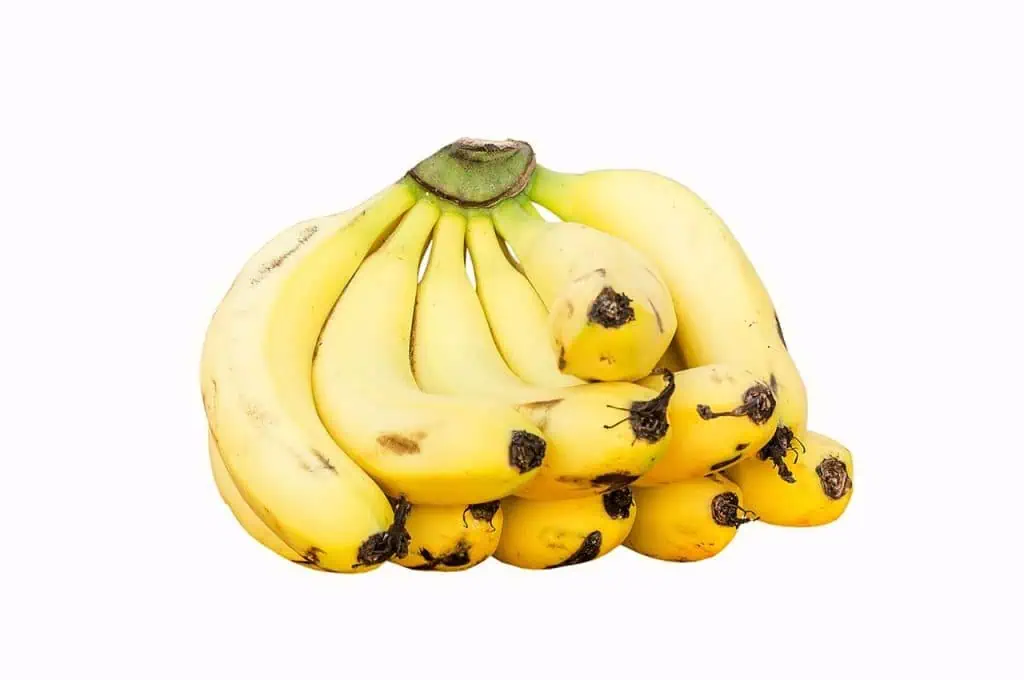
The Cavendish banana dominates the global market, cherished for its sweet flavor and robust shelf life. However, its rise to fame replaced the Gros Michel variety, which was devastated by disease. This transition left the Cavendish vulnerable due to its genetic sameness. As the primary banana consumed worldwide, any threat to this variety poses significant economic and supply chain risks. Its downfall could mirror the Gros Michel's, revealing the fragility of dependency on a single cultivar.
Fusarium Wilt: A Growing Threat
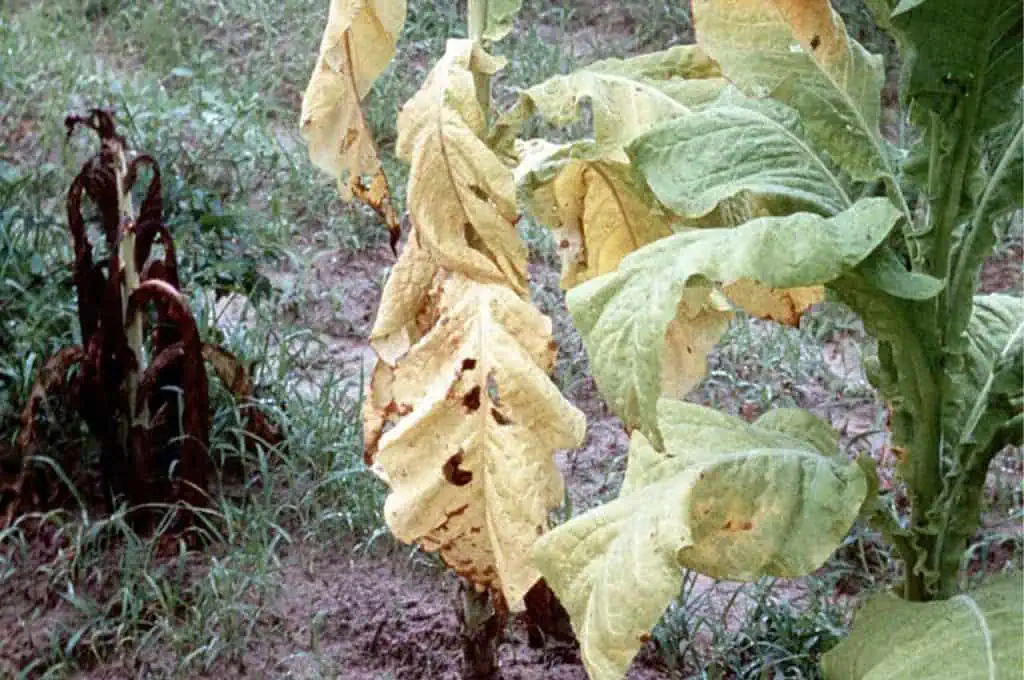
Fusarium wilt, particularly Tropical Race 4, is a soil-borne fungus causing significant devastation to banana crops. Resistant to both chemical treatments and traditional control methods, this pathogen spreads rapidly across plantations. The Cavendish variety is particularly susceptible, exacerbating the risk. Understanding the biological warfare waged by this fungus is key to developing countermeasures. By implementing quarantine measures and researching resistant strains, we can work towards mitigating its impact.
Genetic Diversity: The Banana's Weak Link
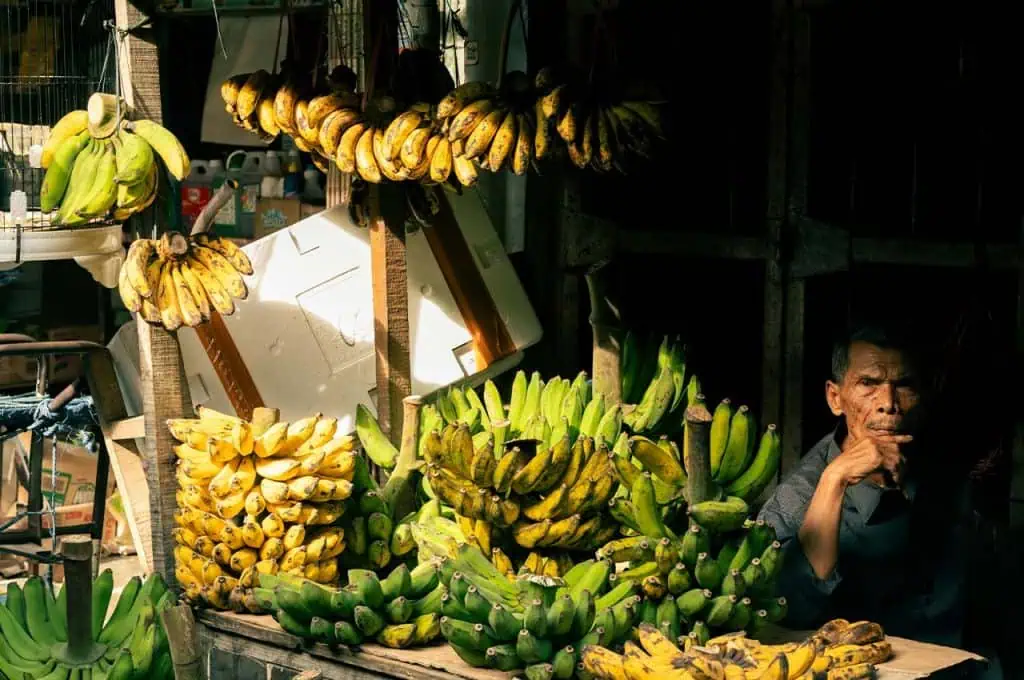
Bananas' genetic uniformity is a critical vulnerability in battling diseases like Fusarium wilt. With limited genetic variation, the banana lacks the natural resistance found in more diverse crops. Breeding programs aim to introduce new varieties with enhanced resilience. Integrating other banana species into cultivation could provide a buffer, but this requires consumer acceptance of differing tastes and textures. Addressing genetic diversity holds promise in enhancing the crop's future stability.
Monoculture: A Crisis in the Making
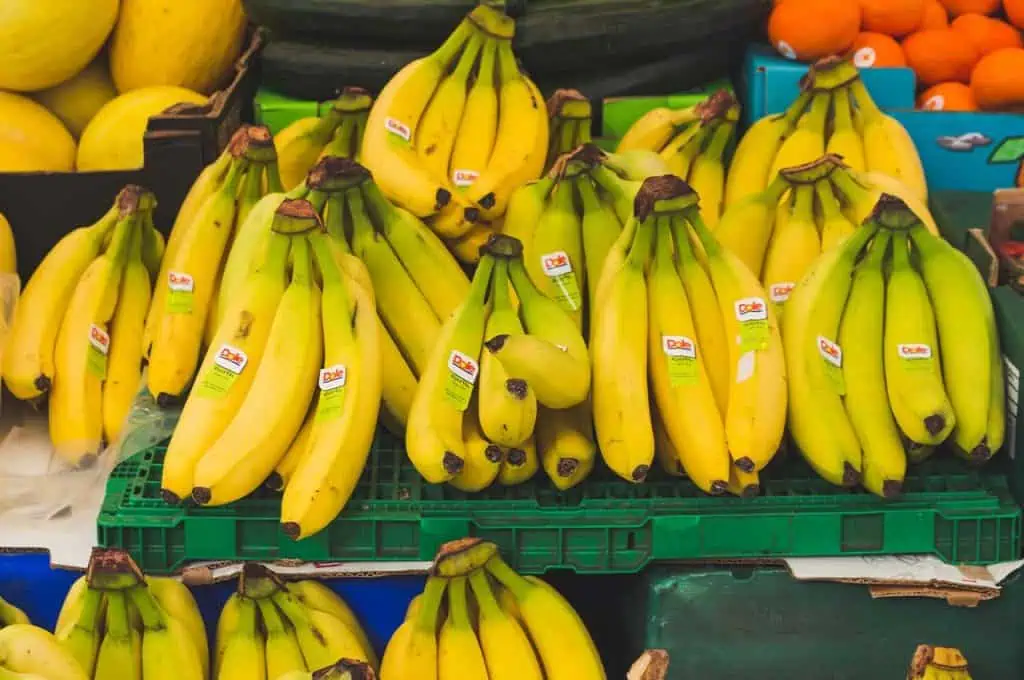
Relying heavily on monoculture practices, the banana industry faces heightened risks as it amplifies vulnerability to disease outbreaks. These homogenous plantations promote ecosystem imbalances, enabling pathogens to thrive. Diversifying cropping systems could reduce these threats, fostering healthier soil and ecological resilience. Encouraging mixed cropping and sustainable farming techniques can significantly lower disease incidence, offering a sustainable path forward for banana cultivation.
Climate Change and Bananas
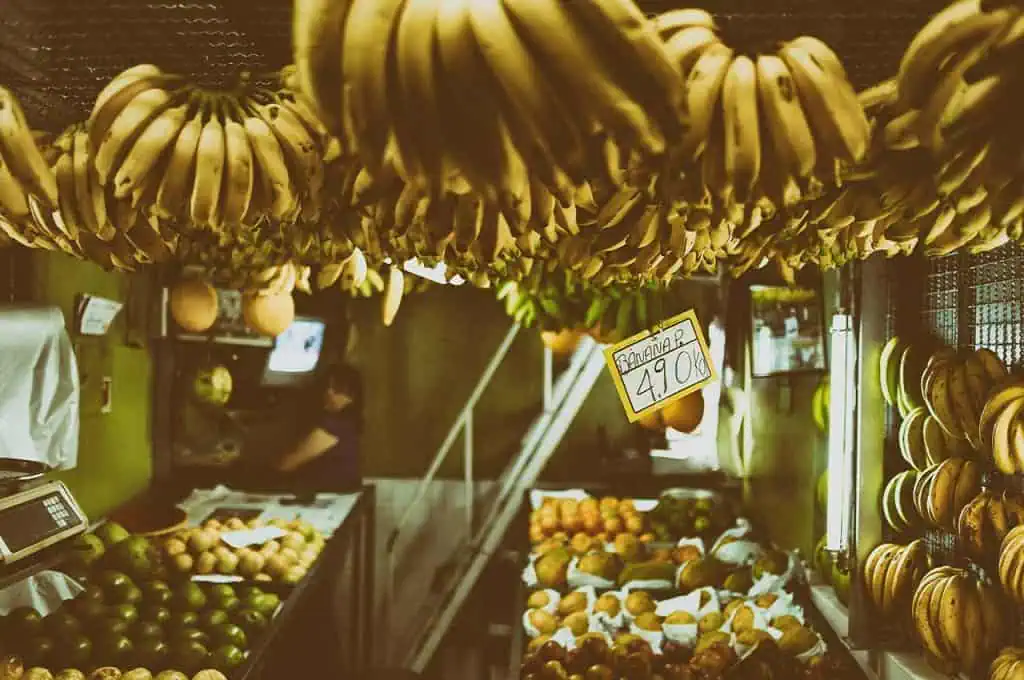
Changes in global climate significantly threaten banana production. Shifts in temperature, rainfall patterns, and increased frequency of extreme weather events affect banana growing conditions, making them less predictable. Banana plants, particularly those of the Cavendish variety, are sensitive to temperature fluctuations and require consistent warmth and humidity. Adapting cultivation practices is crucial, with improved irrigation and heat-tolerant varieties being explored. Growers face the challenge of implementing these changes quickly to sustain yields and quality.
Demand vs. Fragile Supply Chains
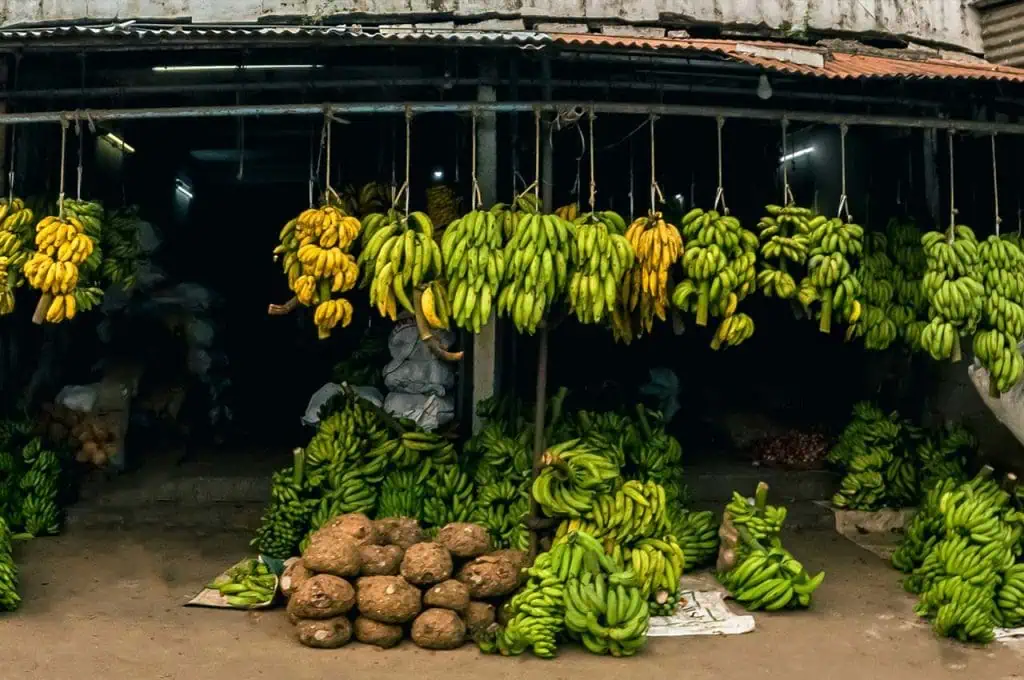
Global demand for bananas remains high, contrasting sharply with vulnerable supply chains. The monoculture production of bananas leaves them particularly susceptible to diseases like Panama disease. Logistic disruptions—whether from political instability or pandemics—underline the fragility of these supply chains. Diversifying banana varieties and source regions can mitigate these risks. Shifting towards local markets and reducing dependency on long, complex logistics can help stabilize availability and price fluctuations for consumers.
The Hidden Costs of Banana Farming
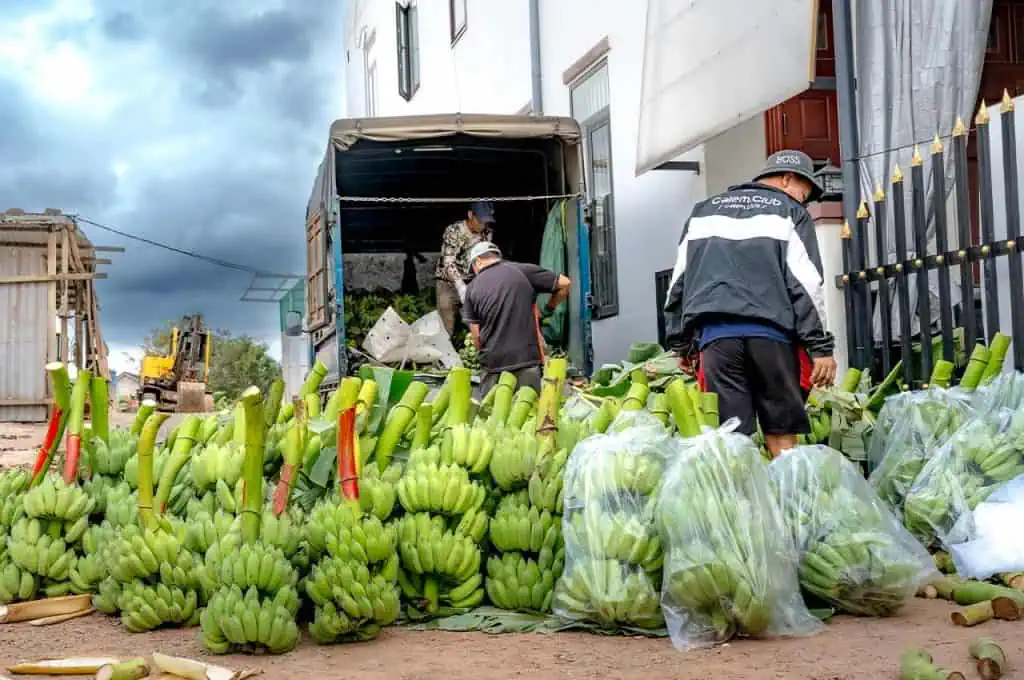
Banana farming often entails hidden environmental and social costs. Intensive pesticide use, necessary to combat pests and diseases, results in biodiversity loss and water contamination. Labor conditions in plantations can be harsh, with low wages and inadequate protections for workers. Sustainable cultivation practices, such as integrated pest management and fair labor standards, are essential for reducing these impacts. Embracing organic methods and supporting fair trade initiatives helps ensure a shift towards more ethical banana production.
Can Science Save the Banana?
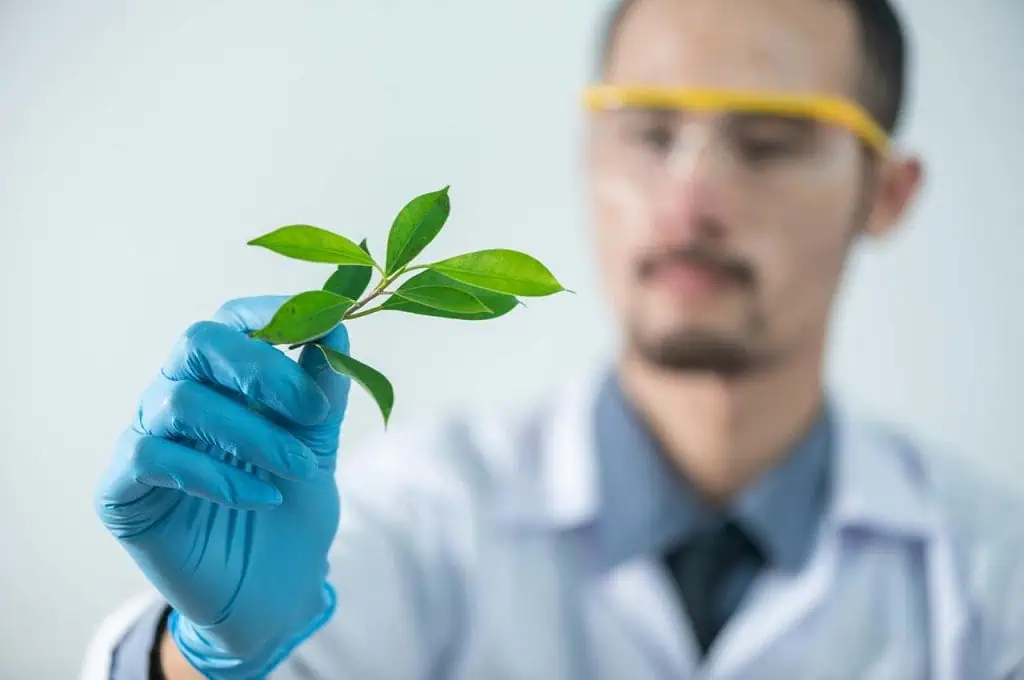
Scientific advancements hold promise for banana cultivation, particularly through genetic modification and breeding programs. Developing disease-resistant banana varieties is a priority. Techniques such as CRISPR offer precise genetic editing capabilities, potentially creating bananas that can withstand Panama disease and other threats. Collaboration between geneticists and banana growers is key to bringing these innovations to market. Ultimately, consumer acceptance of these genetically modified bananas will determine their viability in addressing the crisis.
Impact on Farmers and Economies
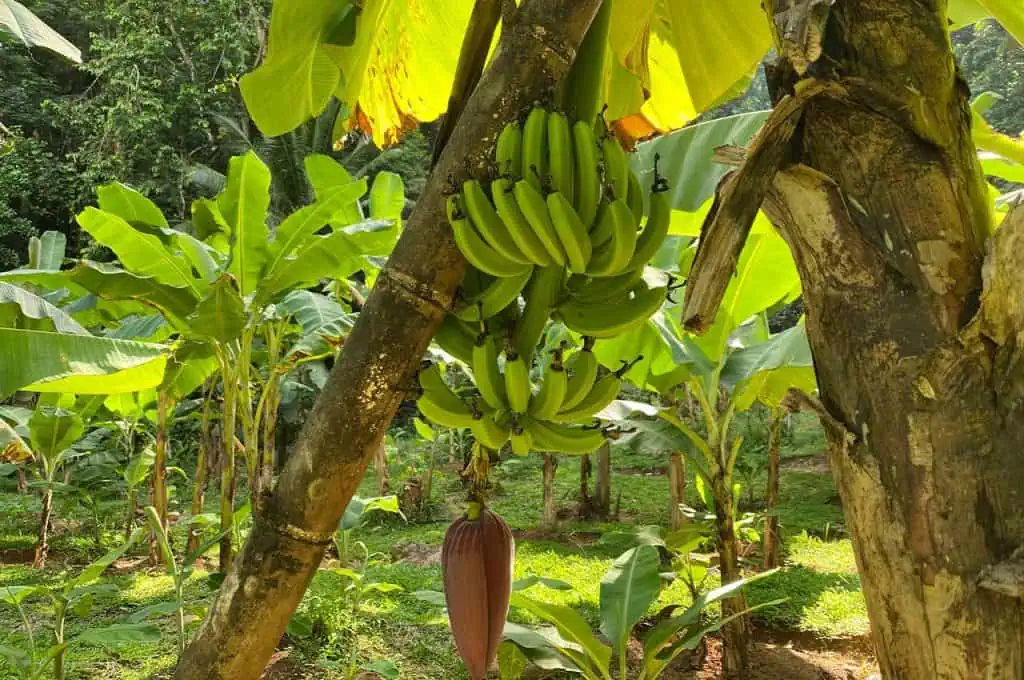
The banana crisis significantly affects farmers and the economies reliant on banana exports. Smallholder farmers, in particular, face financial instability due to fluctuating yields and crop failures. National economies, especially in countries where bananas are a primary export, suffer from the reduced income and job losses in the agricultural sector. Supporting agricultural training, financial aid, and infrastructure development can help buffer these impacts, enabling farmers to adapt to changing conditions and secure more stable livelihoods.
Supporting Sustainable Banana Production
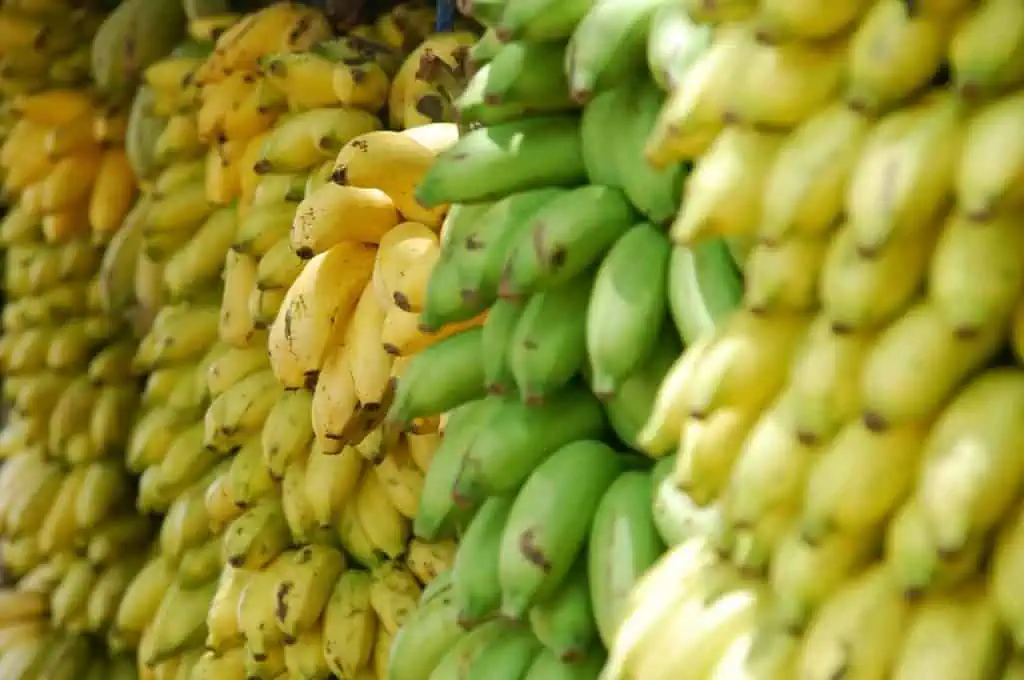
Addressing the challenges facing bananas involves supporting sustainable farming practices. Encourage growers to diversify banana cultivars, which helps combat diseases like Panama disease and protects genetic plant diversity. Implementing integrated pest management reduces reliance on harmful chemicals, promoting ecological balance. Farmers should also adopt agroforestry techniques, intercropping bananas with compatible trees, to enhance soil health and manage water resources efficiently. Supporting fair trade ensures farmers receive a fair price, fostering community resilience and long-term viability. Consumers can drive change by choosing sustainably certified bananas, supporting the shift towards more resilient and environmentally friendly cultivation methods.
