
If You Want to Cook Like a Pro Chef, These Are the 5 Tools You Should Already Own
Great cooking is not just about talent or expensive ingredients. More often, it comes down to having the right tools within arm’s reach and knowing why they matter. If you want your food to look better, cook more evenly, and feel a lot less stressful to pull off, these are the five kitchen essentials chefs would never want to work without.
The difference good tools really make
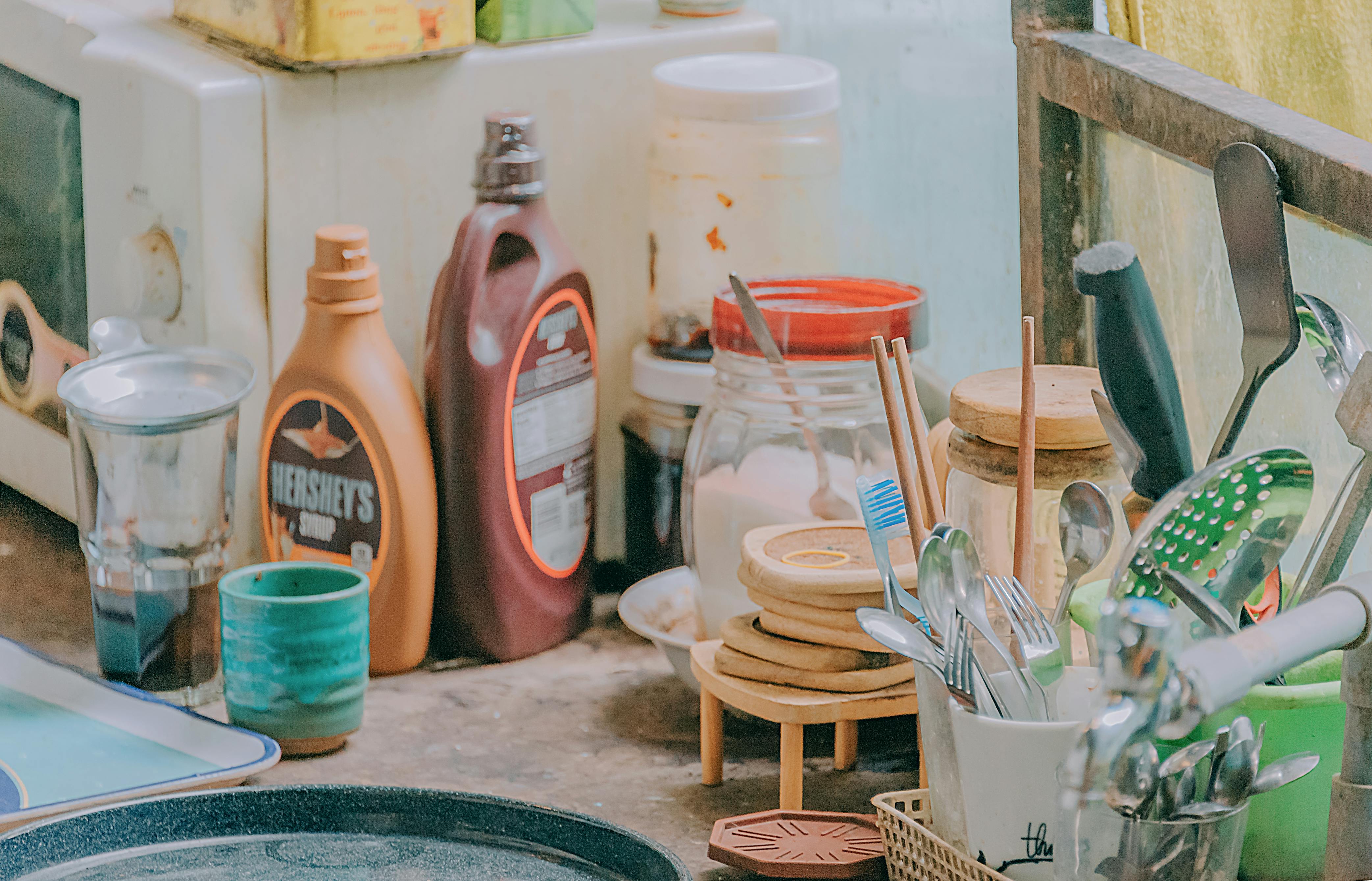
Professional chefs make difficult dishes look effortless, but a lot of that confidence starts with equipment they trust. The right tools save time, improve consistency, and remove the little frustrations that can derail a meal before it ever reaches the plate.
At home, that matters even more. You do not need a restaurant kitchen or a drawer full of gadgets to cook better food. You just need a few workhorses that pull their weight every single day.
Think of this as your shortcut to a more capable kitchen. These five tools are the ones that help with prep, heat control, texture, and precision, which is really where better cooking begins.
A sharp chef’s knife
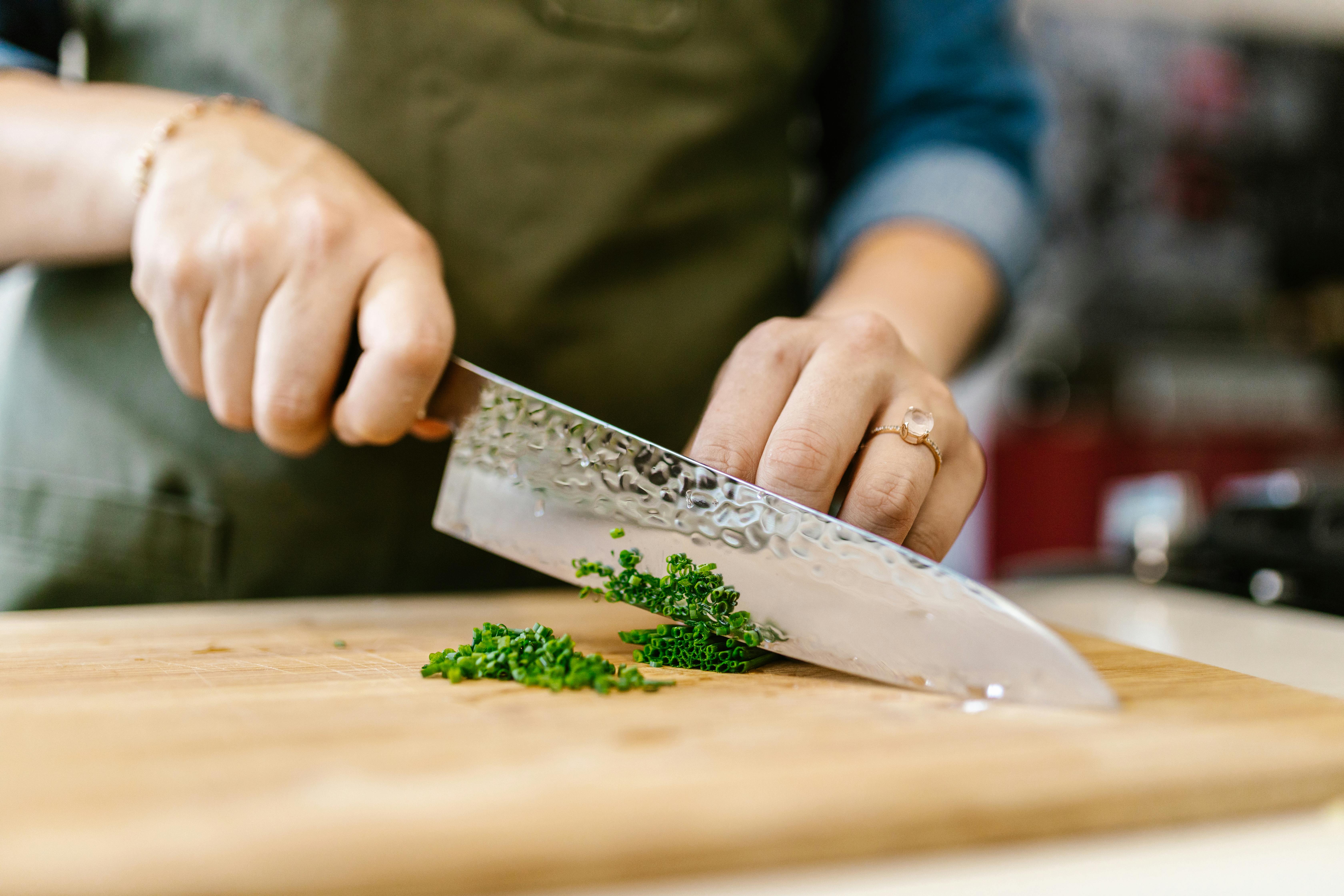
If there is one tool that instantly changes the way you cook, it is a properly sharp chef’s knife. It makes slicing onions, mincing herbs, and breaking down vegetables faster, safer, and a whole lot less messy.
A dull knife crushes food instead of cutting it cleanly, which affects both texture and presentation. A sharp blade glides through tomatoes, herbs, and proteins with far more control, and that control is what makes prep feel smooth instead of exhausting.
You do not need the most expensive knife in the store. You need one that feels balanced in your hand, holds an edge well, and gets sharpened regularly so it stays useful.
A heavy cutting board

A good cutting board does more than protect your counters. It creates a stable, roomy workspace that makes every bit of prep easier, from slicing fruit to trimming raw chicken to piling up chopped herbs for dinner.
Chefs tend to prefer boards that are solid and heavy because they do not slide all over the place. That stability gives you better knife control, which means safer cuts and a more comfortable rhythm when you are prepping several ingredients at once.
Wood and thick composite boards are especially popular because they are durable and gentle on knife edges. Once you upgrade from a flimsy board, the whole kitchen starts to feel more serious in the best way.
A cast-iron or stainless steel skillet
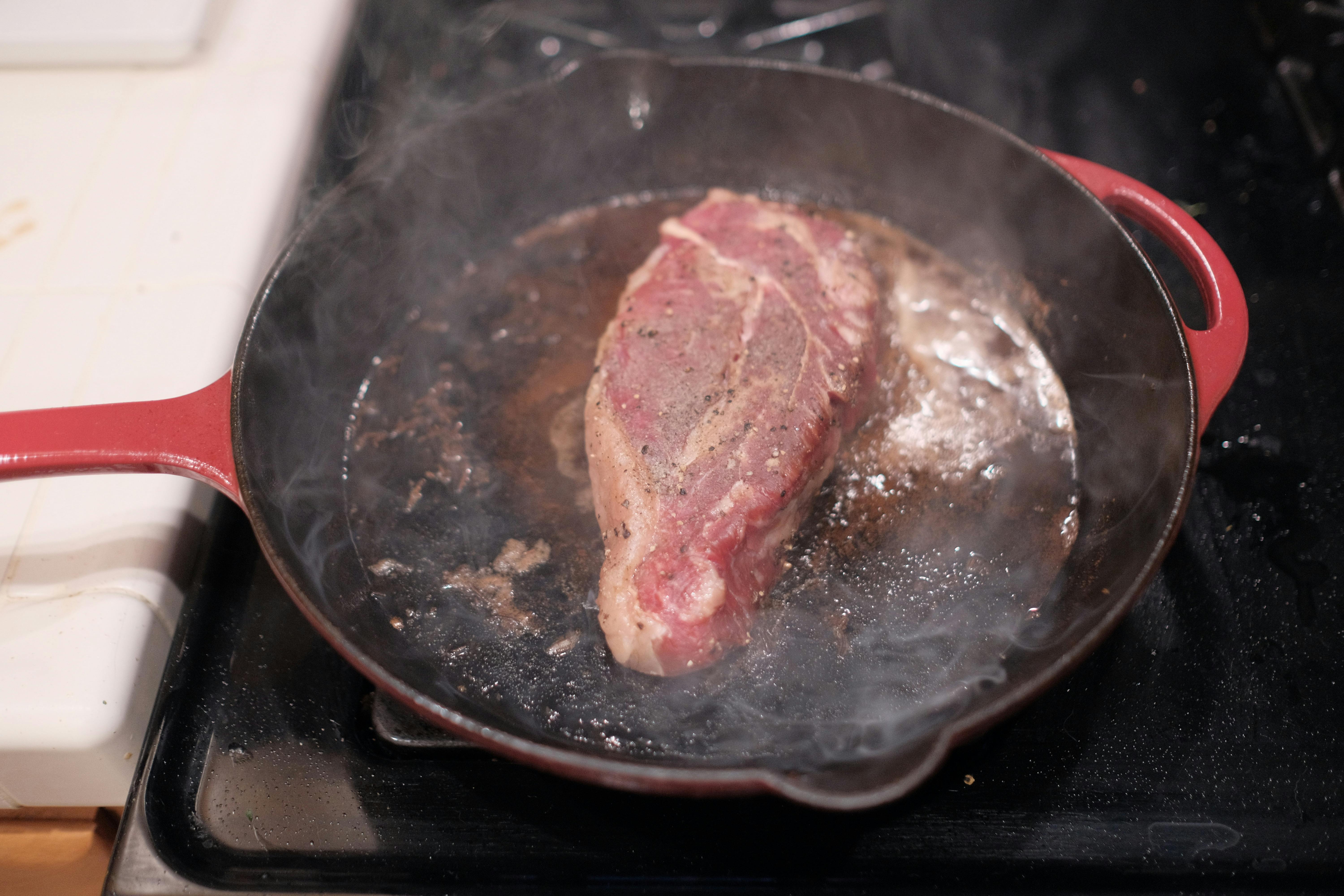
A dependable skillet is where a lot of restaurant-quality flavor begins. Whether you choose cast iron or stainless steel, the big advantage is the same: strong heat retention and the ability to build a beautiful sear on meats, fish, and vegetables.
Nonstick pans have their place, but they are not usually the pan chefs reach for when they want deep browning. A heavier skillet gives you better contact with the cooking surface, which helps create the crisp edges and caramelized bits that make food taste more developed.
It is also incredibly versatile. You can use it for eggs, pan sauces, roasted chicken thighs, blistered green beans, or finishing a dish in the oven without missing a beat.
An instant-read thermometer
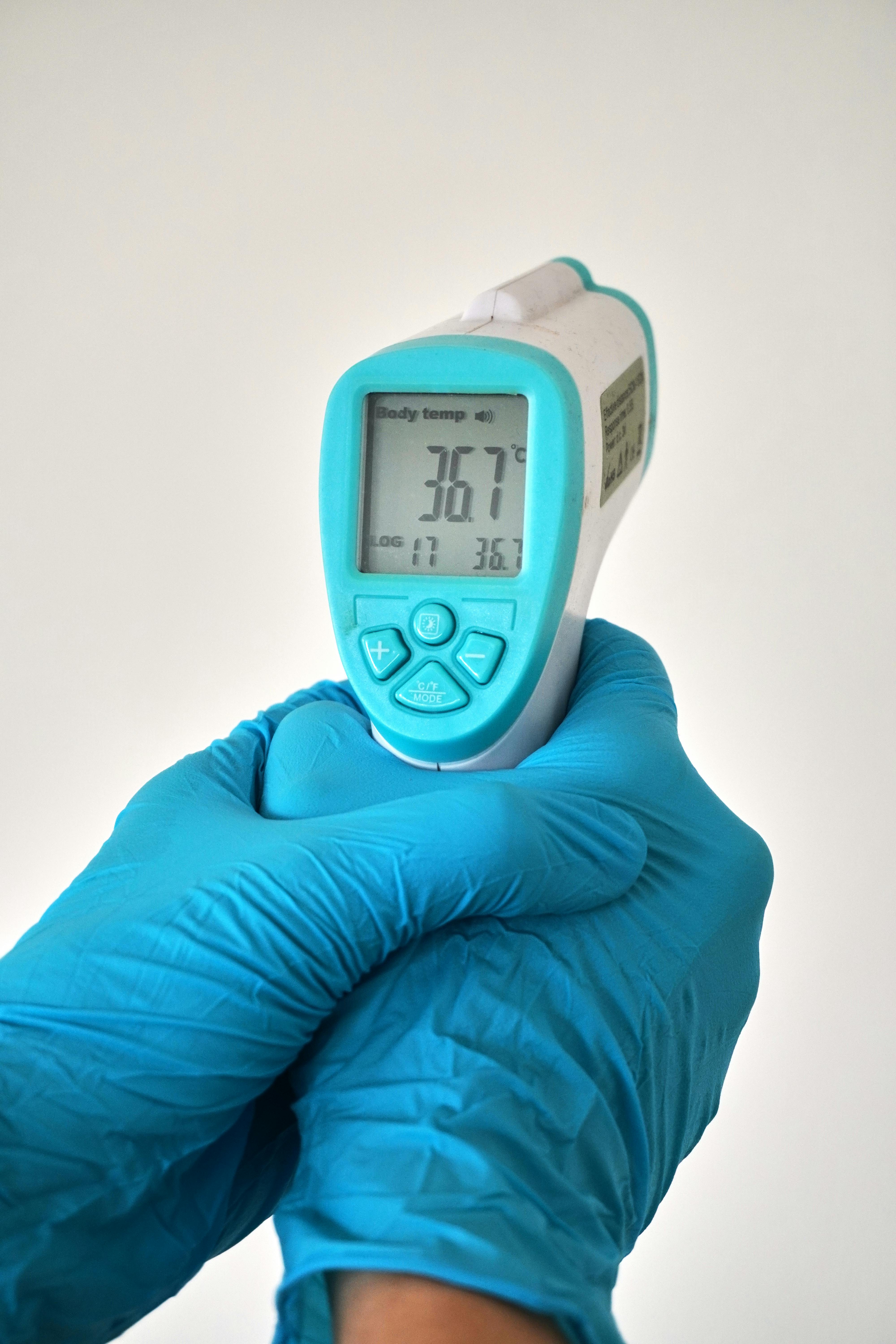
The fastest way to cook with more confidence is to stop guessing. An instant-read thermometer takes the mystery out of doneness, whether you are roasting chicken, grilling burgers, baking salmon, or checking if bread is fully baked.
This is one of those tools that feels almost too simple until you start using it. Instead of cutting into meat and hoping for the best, you get a precise answer in seconds, which helps you avoid both undercooking and that heartbreak of dry, overdone food.
Chefs rely on thermometers because consistency matters. At home, that same precision can make weeknight meals better, holiday dinners less stressful, and expensive ingredients a lot less risky to cook.
