
Health Alert: 10 Regional US Foods Linked to Rare Bacterial Risks
Regional American foods often reflect deep cultural heritage, local agriculture, and generations of culinary tradition passed down through families. While the vast majority of these dishes are safe when handled and prepared correctly, certain specialties have occasionally been linked to rare bacterial or parasitic concerns. In most cases, the risk does not come from the dish itself but from undercooking, improper storage, or cross-contamination during handling. Understanding how preparation methods influence food safety allows consumers to enjoy beloved regional favorites confidently while minimizing avoidable health risks.
Raw Oysters (Gulf Coast & Atlantic Regions)
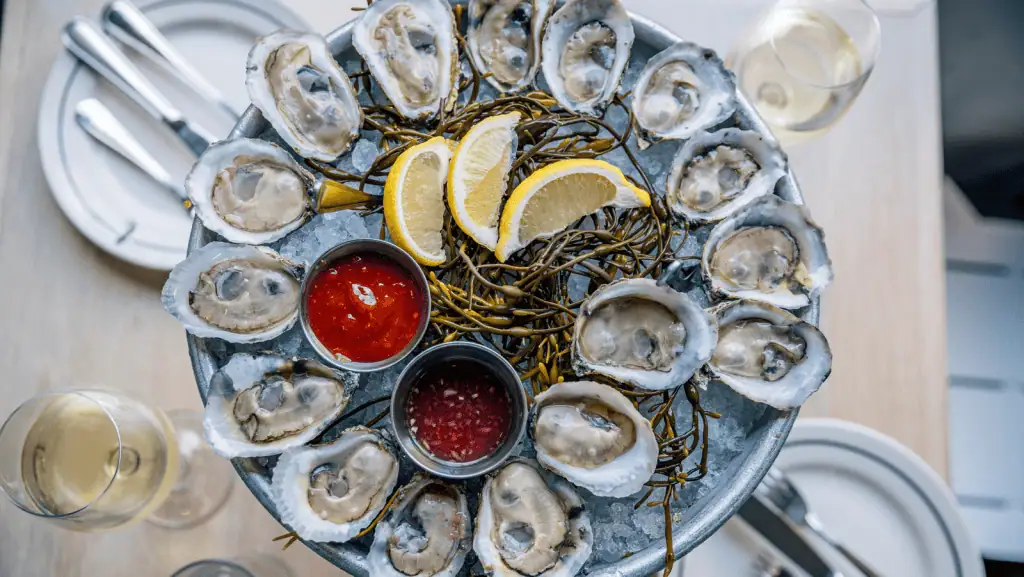
Raw oysters remain a celebrated staple in coastal communities along the Gulf Coast and Atlantic seaboard, often served chilled on the half shell. Because oysters are filter feeders, they can sometimes harbor Vibrio bacteria that naturally thrive in warm seawater. Most healthy individuals who become ill experience mild digestive symptoms, but those with weakened immune systems or certain underlying conditions face higher risk of severe complications. Careful sourcing from regulated waters and strict refrigeration standards help reduce exposure, while thoroughly cooking oysters significantly lowers bacterial risk.
Undercooked Pork Dishes (Southern & Midwestern Regions)
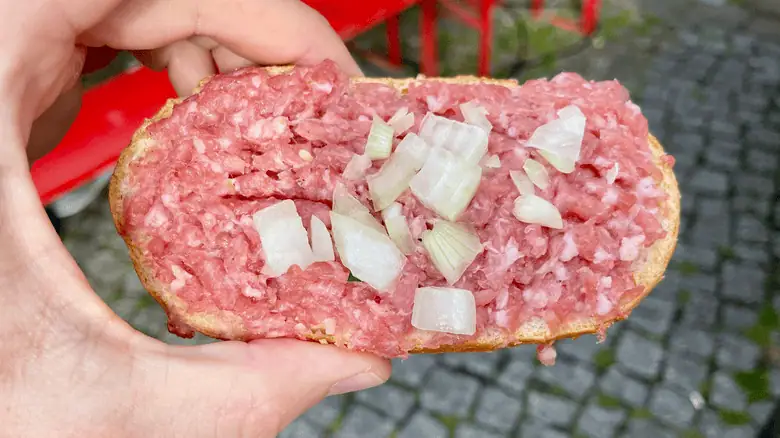
Pork-centered dishes hold an important place in Southern and Midwestern cuisine, from skillet-seared chops to slow-roasted preparations. Historically, undercooked pork carried a small risk of parasites such as Trichinella. Today, modern farming practices, improved feed controls, and routine inspections have dramatically reduced that concern. Even so, proper cooking remains essential. Pork should reach recommended internal temperatures to ensure safety, and freezing combined with reputable sourcing further minimizes risk. Safe preparation practices matter far more than the ingredient itself.
Unpasteurized Dairy (Rural & Farm Markets)
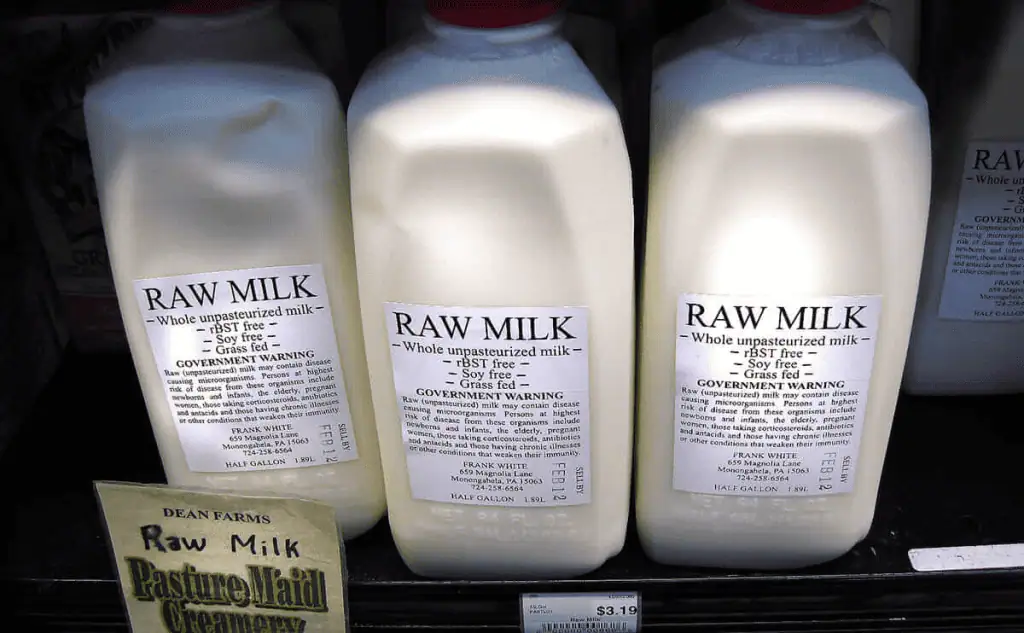
Raw milk and unpasteurized cheeses continue to attract consumers in rural communities and farm markets who prefer minimally processed foods. However, because these products skip pasteurization, they can occasionally carry harmful bacteria such as Listeria, Salmonella, or E. coli. Pasteurization is specifically designed to reduce these pathogens without stripping away core nutrients. Public health guidance generally advises pregnant individuals, older adults, and those with weakened immune systems to avoid raw dairy, as they face a higher risk of severe complications if exposed.
Crawfish Boils (Louisiana & Gulf States)
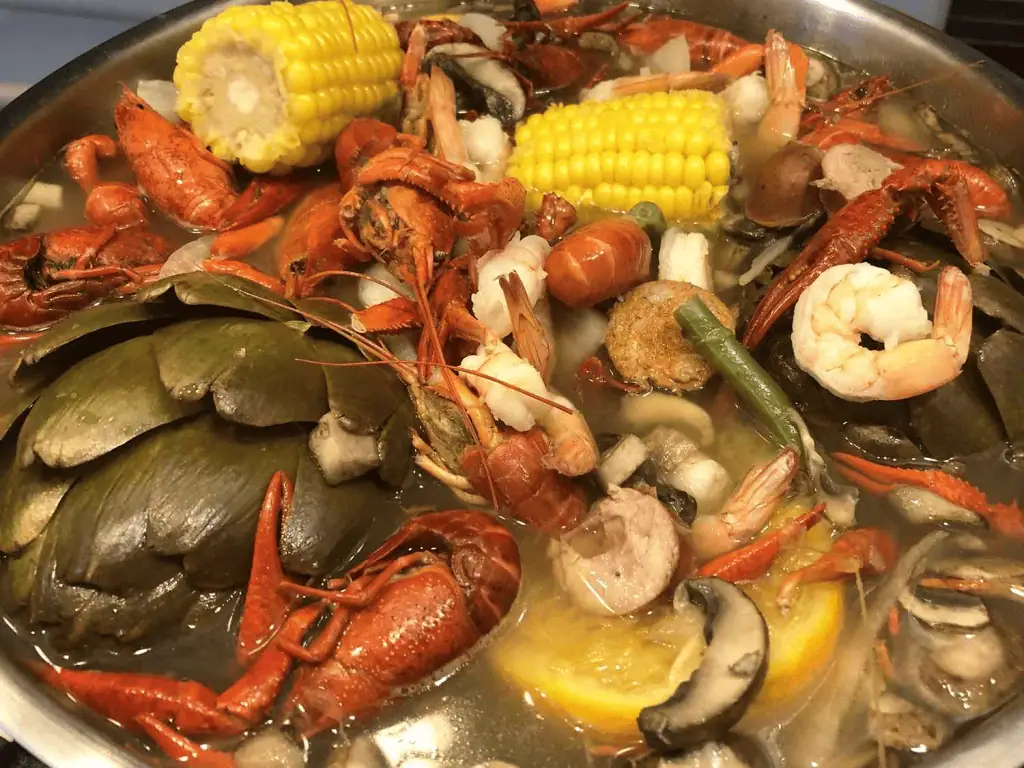
Crawfish boils are a seasonal tradition across Louisiana and other Gulf states, bringing communities together around large outdoor gatherings. When properly prepared, crawfish are safe to enjoy. However, like other shellfish, they can harbor bacteria such as Vibrio species if undercooked or stored at unsafe temperatures. Because boils often take place outdoors, maintaining consistent refrigeration before cooking and preventing cross-contamination can be challenging. Keeping seafood well chilled and ensuring a full, rolling boil help reduce food safety risks significantly.
Wild Game Meat (Mountain & Midwest Regions)
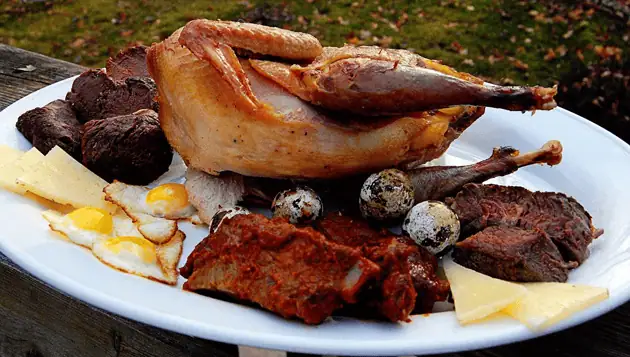
Venison and other wild game meats are widely consumed in hunting communities throughout mountain and Midwestern regions. These meats are often praised for being lean and nutrient-dense, but they require careful handling from field to table. Because wild game is not processed under commercial inspection systems, safety depends entirely on individual preparation practices. Proper field dressing, prompt refrigeration, and thorough cooking are critical steps in minimizing potential exposure to bacteria or parasites that may be present.
Fresh Sprouts (Nationwide, Popular in Health Foods)
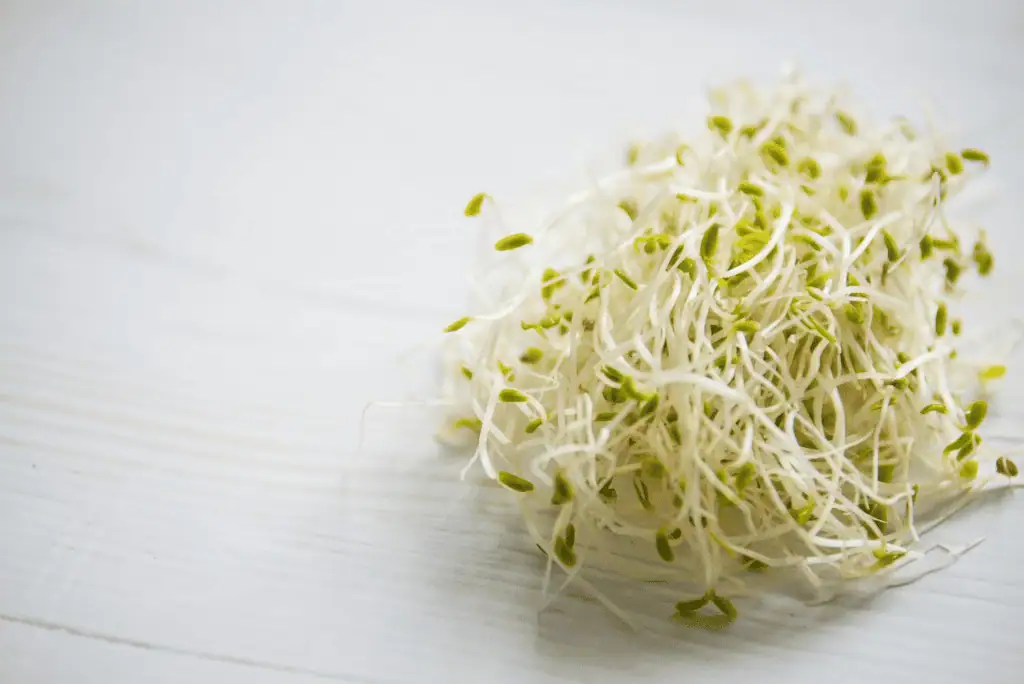
Alfalfa and bean sprouts are frequently added to salads, wraps, and sandwiches for their crisp texture and fresh flavor. Because they are grown in warm, humid environments designed to encourage rapid germination, those same conditions can also promote bacterial growth if contamination occurs. Past outbreaks involving Salmonella and E. coli have been traced to raw sprouts. Rinsing them at home does not reliably remove harmful bacteria. Lightly cooking sprouts before eating can significantly reduce potential health risks.
Soft Cheeses (Various Regional Varieties)

Soft cheeses, especially those produced from unpasteurized milk, have occasionally been associated with Listeria contamination. Regional artisan varieties are often prized for their traditional methods and distinctive flavors, but moisture content in soft cheeses creates an environment where bacteria can grow more easily. Verifying that products are made with pasteurized milk and keeping them properly refrigerated are important safety steps. Individuals in higher-risk groups are generally encouraged to exercise caution, while hard cheeses tend to present lower risk due to reduced moisture.
Smoked Fish (Pacific Northwest & Northeast)
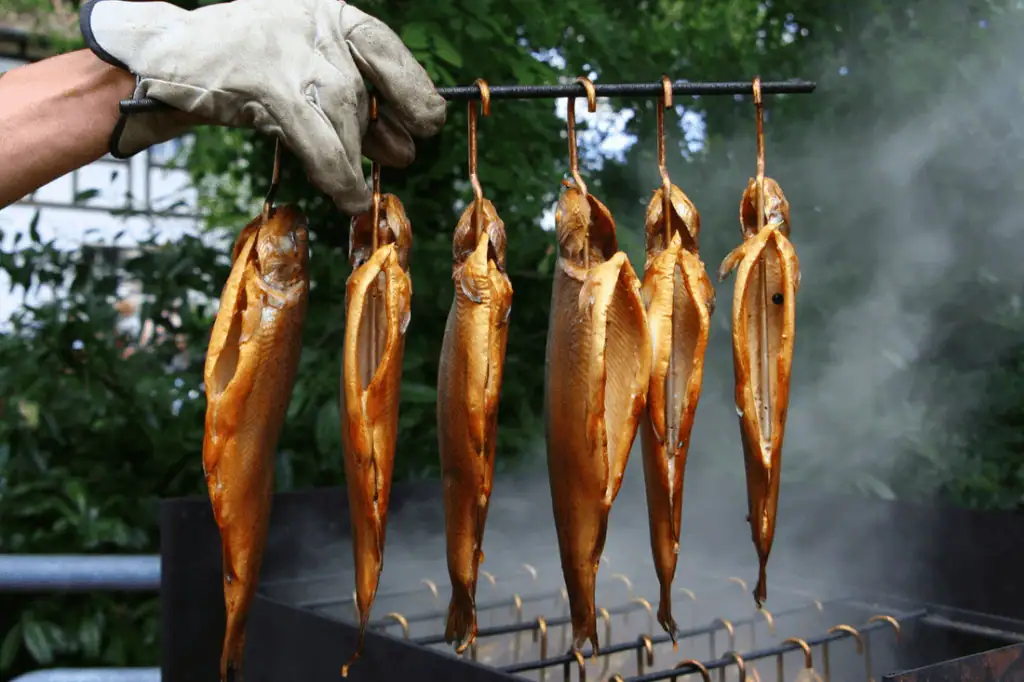
Smoked salmon and other cured fish products are regional favorites in areas like the Pacific Northwest and parts of the Northeast. While the smoking process enhances flavor and extends shelf life, it does not always eliminate all potential pathogens. If refrigeration is inadequate, bacteria can still multiply in ready-to-eat products. Proper cold storage, careful handling, and attention to expiration dates are essential for maintaining safety, particularly since these foods are often consumed without additional cooking.
Fermented or Pickled Foods (Various Regions)
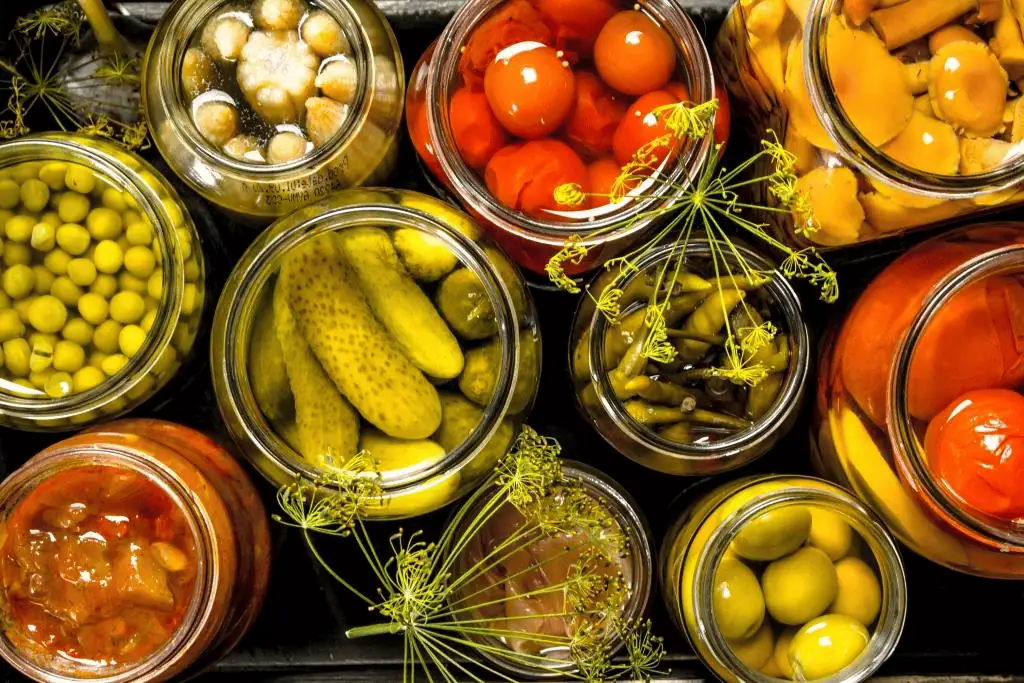
Homemade fermentation and pickling traditions remain deeply rooted in many regions, from backyard cucumber pickles to small-batch sauerkraut and other preserved vegetables. When done correctly, fermentation relies on beneficial bacteria and proper acidity to create a safe environment. However, if acidity levels are too low or recipes are not carefully followed, harmful bacteria can potentially grow. Using tested preservation guidelines and maintaining correct salt or vinegar ratios are essential safety steps. Commercially produced fermented foods are typically regulated and safe when stored and handled according to label directions.
Undercooked Ground Beef (Nationwide Classic)
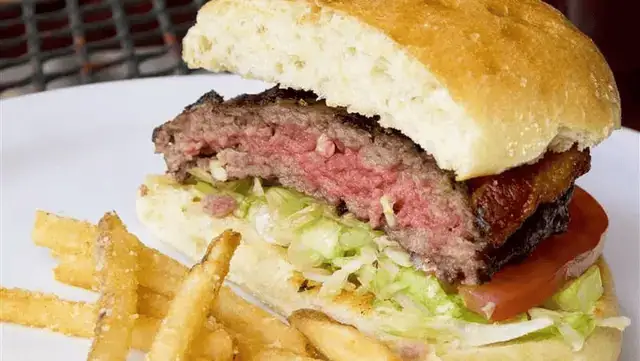
Burgers and other ground beef dishes are nationwide favorites, and some regional traditions emphasize rare or medium-rare preparation. Unlike whole cuts of beef, ground meat carries higher risk because surface bacteria can become mixed throughout during grinding. If internal temperatures are not high enough, pathogens such as E. coli may survive. Cooking ground beef to recommended internal temperatures significantly lowers exposure risk. Using a food thermometer and avoiding cross-contamination during preparation are simple but important steps in ensuring safety.
