
10 Foods That Drifted So Far from Their Roots, Even Cowboys Would be Confused
Frontier food wasn’t fancy, but it was practical, flavorful, and deeply tied to ranch life. The vaqueros of northern Mexico helped define that cooking tradition, yet many foods sold as rustic, cowboy, or Tex-Mex today have drifted far from those roots. This gallery rounds up modern versions and odd descendants that would probably leave an old-school horseman staring at the plate in disbelief.
Neon Orange Nachos
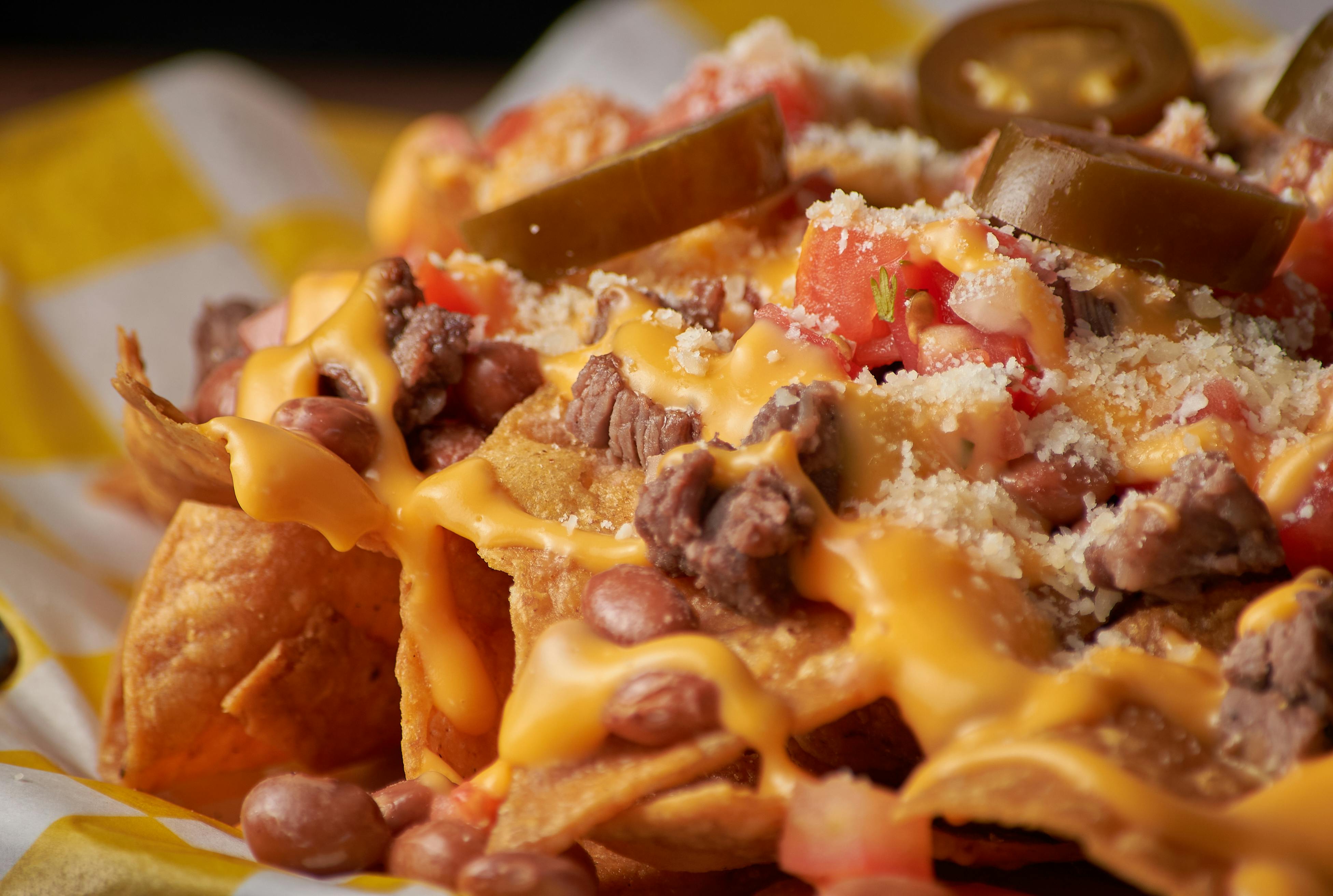
A frontier vaquero would have understood tortillas, beans, dried meat, and maybe a little fresh cheese if the day had gone well. What he likely would not recognize is a stadium tray of chips drowned in glowing orange cheese sauce and crowned with jalapeños from a pump-top condiment station.
The basic idea of layering crisp tortillas with toppings isn’t the shocking part. It’s the industrial makeover that feels worlds away from ranch cooking, where ingredients were cooked close to the fire and used with intention. Modern nachos are less about making do and more about piling on excess, one sticky layer at a time.
Breakfast Tacos Stuffed Like Burritos

Eggs tucked into a tortilla would not have seemed strange on the frontier. That part tracks just fine. But today’s oversized breakfast tacos, packed until they barely fold, often feel more like burritos in disguise than the simple morning fare a working cowboy might grab before sunrise.
A vaquero’s breakfast had to be portable, sturdy, and not too precious. Modern versions can include hash browns, bacon, sausage, shredded cheese, avocado, crema, and three kinds of salsa before noon. Delicious, yes, but the sheer abundance would probably seem like luxury eating, not trail food meant to fuel a day in the saddle.
Chili With Everything In It
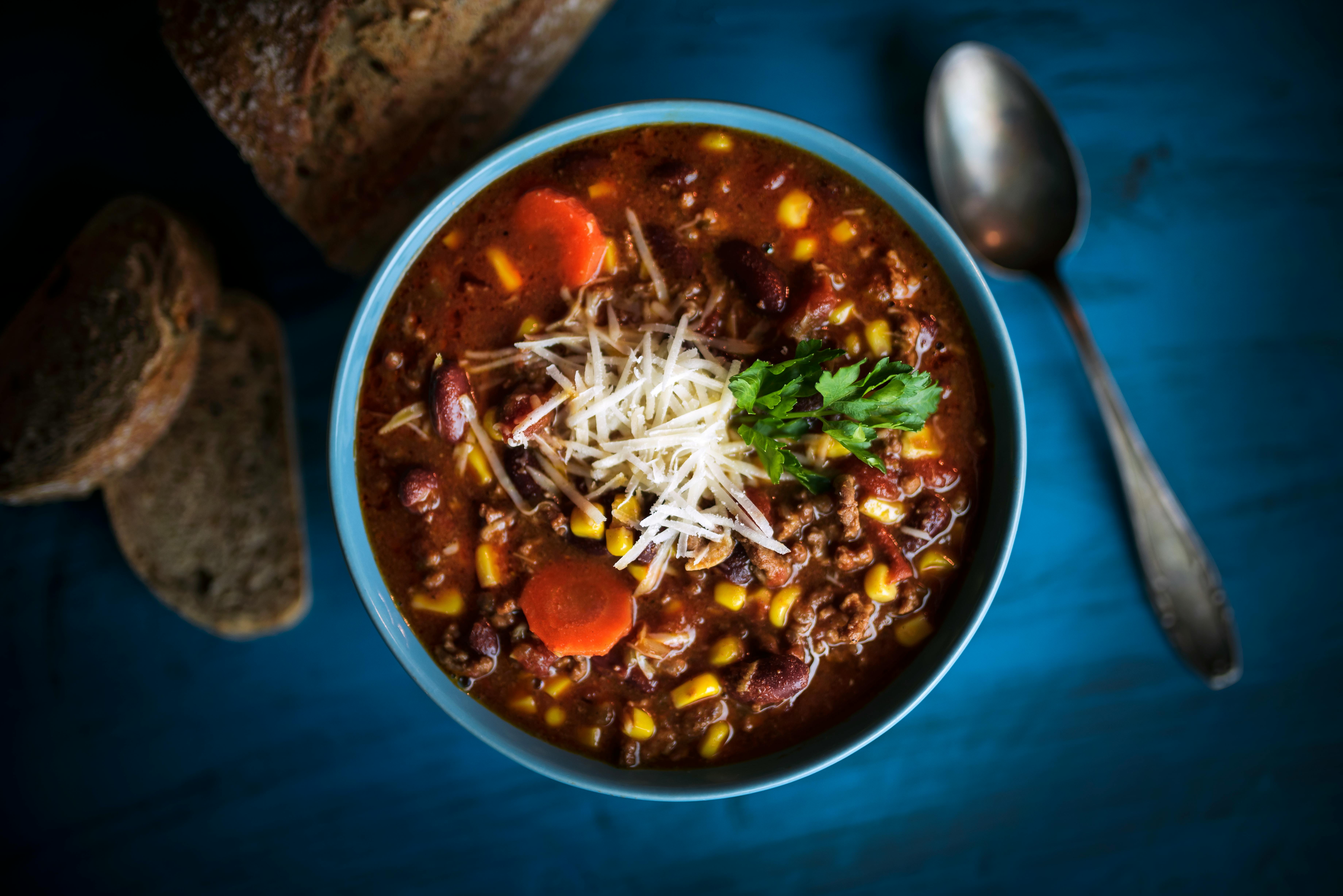
Early chili was a practical pot food, built from what was available and what could hold up over heat. Meat, chiles, maybe onions, and time did the heavy lifting. A frontier cook would have recognized the spirit of that. What might confuse him is the modern bowl loaded with beans, tomatoes, cheese, sour cream, crackers, and sometimes even pasta.
Today chili can be a regional argument disguised as dinner. That’s part of its charm, but it also shows how far the dish has stretched from its stripped-down origins. For a vaquero used to straightforward camp cooking, all the toppings and rule-bending add-ins might feel less like chili and more like a costume party.
Dessert-Sweet Cornbread

Corn was a frontier essential, but the sweet, cake-like cornbread common on many modern tables would likely raise some eyebrows. Ranch cooks relied on coarse, sturdy breads that paired with beans, stews, or coffee. They were meant to satisfy hunger, not pass for dessert before the main meal even arrived.
Today’s versions often come rich with sugar, honey, butter, and a softness that leans bakery more than campfire. None of that is bad, of course. It’s just a different mission entirely. To someone shaped by scarcity, weather, and long workdays, sweet cornbread might seem less like bread and more like an unexpected treat masquerading as supper.
Queso Dip From a Slow Cooker
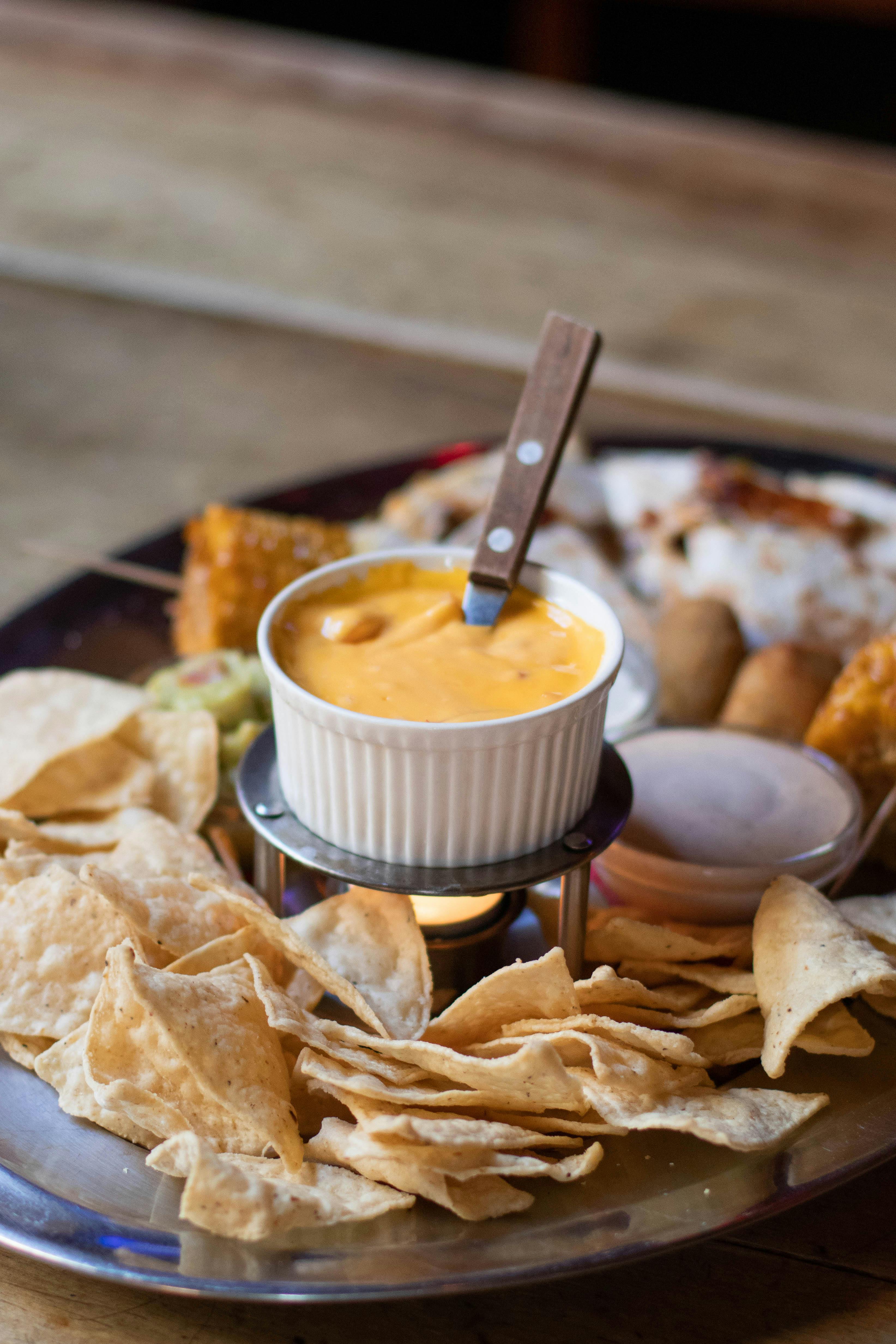
Cheese on the frontier existed, but it was a simpler, more fragile thing than the molten dip bubbling away at a modern party. A vaquero would have known fresh cheeses and practical dairy, not a creamy vat of processed queso kept warm for hours beside tortilla chips and canned salsa.
The modern queso ritual is all about convenience and crowd appeal. It’s made for gatherings, game days, and repeat scooping without much fuss. That easy richness is exactly what makes it popular now, but it also marks a major shift from the old ranch approach, where food had to travel well, keep well, and rarely came with the luxury of endless melted cheese.
Fajitas on a Sizzling Restaurant Platter
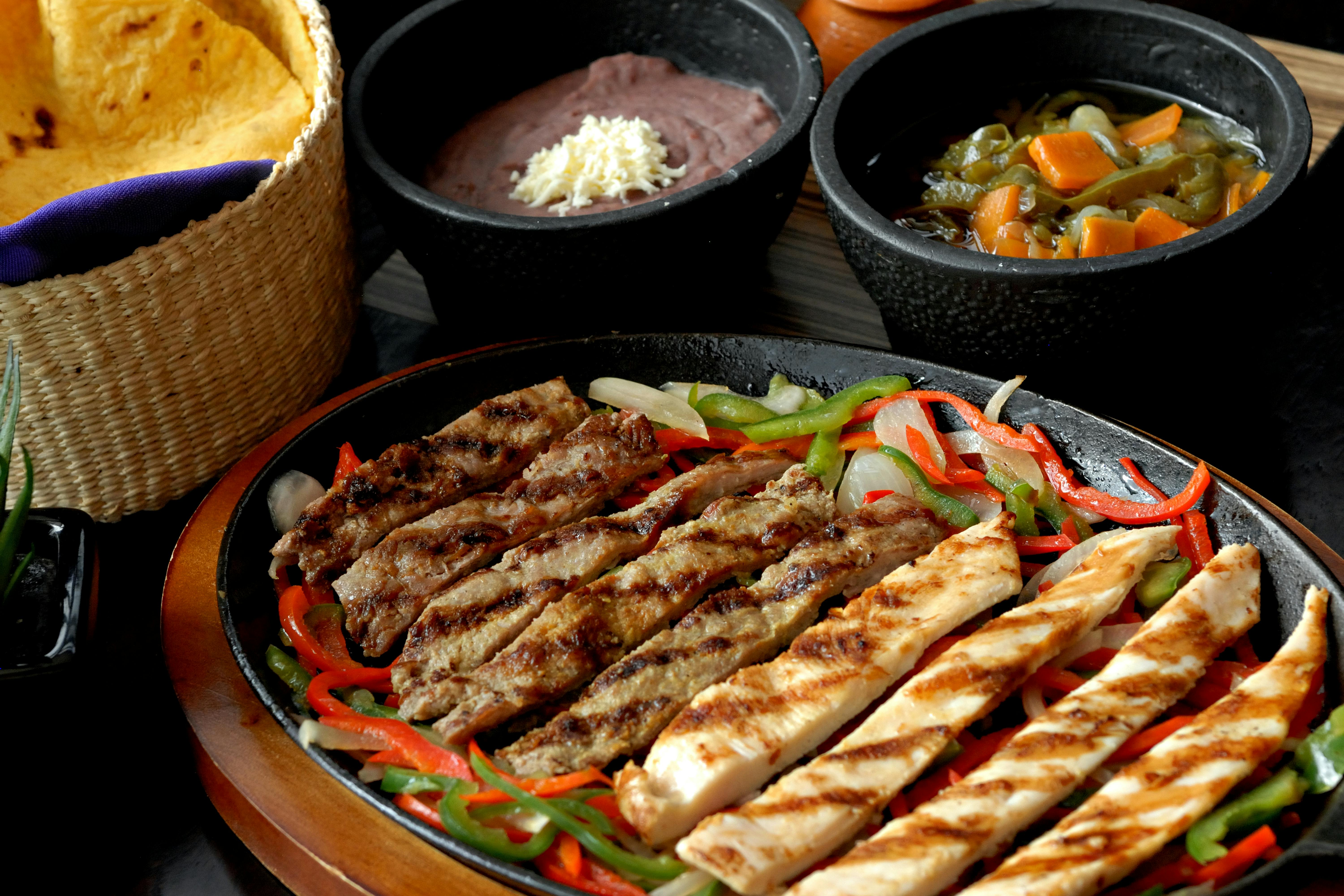
Skirt steak has real working-class roots, and that part would not be lost on a frontier cowboy. Cuts once overlooked often became the backbone of practical cooking. But the theatrical restaurant entrance, complete with smoke, metal platter, and heads turning across the dining room, would probably feel downright surreal.
Fajitas today are as much performance as meal. They arrive with neatly separated tortillas, guacamole, sour cream, and peppers glistening in oil, all curated for the table. A vaquero would understand grilled meat and fire-charred flavor immediately. The spectacle, though, belongs to a modern dining culture that turned humble ranch food into a signature event.
Frozen Taquitos in a Box
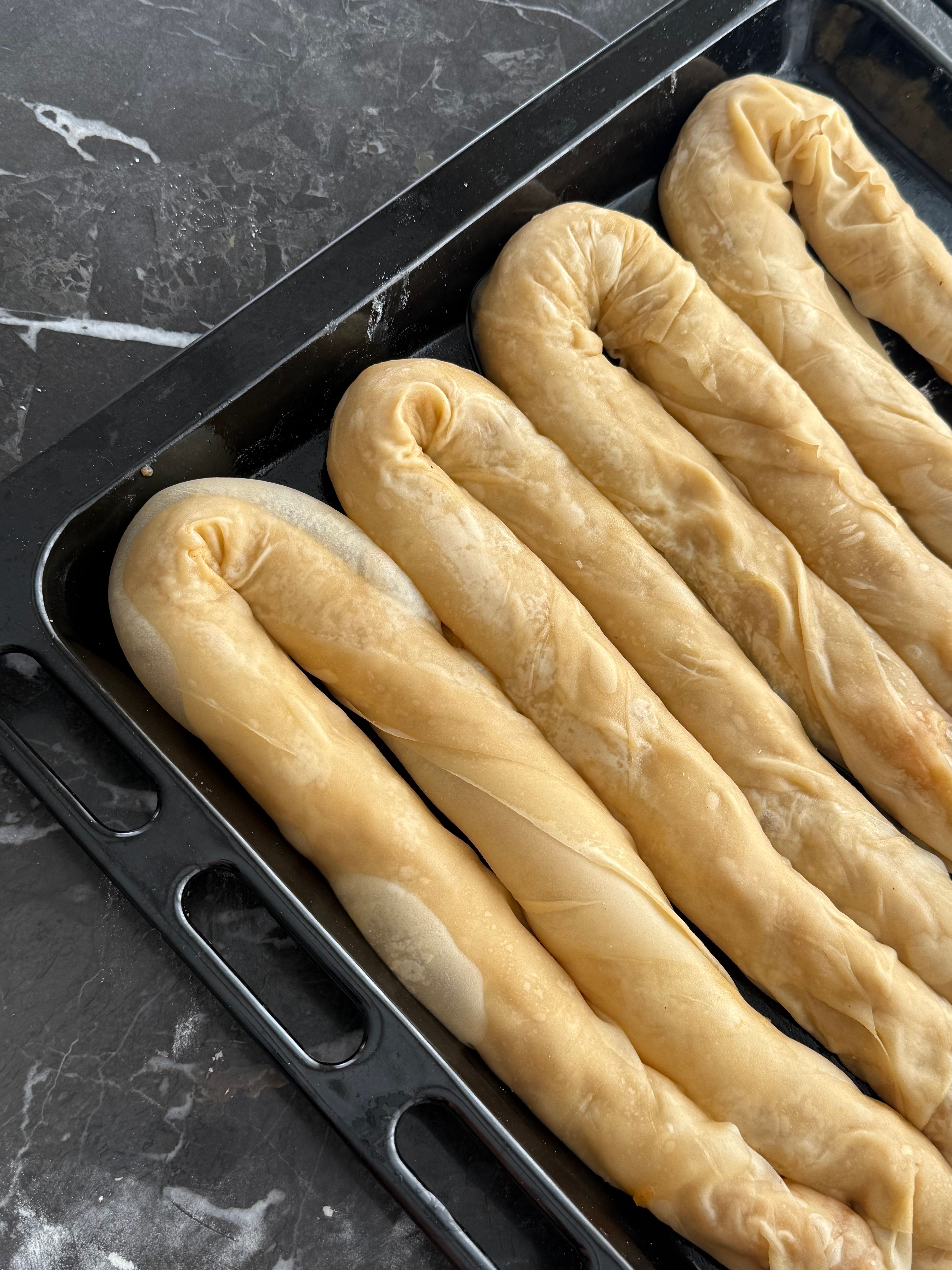
Rolled tortillas filled with meat are not some outrageous modern invention. The surprising part is finding them lined up in a freezer aisle, identical in size, ready for a toaster oven, and marketed as a quick snack between meetings. That kind of mass-produced uniformity would have been impossible to imagine on the open frontier.
Vaquero cooking leaned on improvisation, leftovers, and whatever the day allowed. Frozen taquitos represent the opposite impulse: standardization, convenience, and long shelf life. They still nod to older food traditions, but only faintly. To someone used to hand-pressed tortillas and fire-cooked fillings, the box itself might be the strangest ingredient of all.
Taco Salad in a Fried Shell Bowl
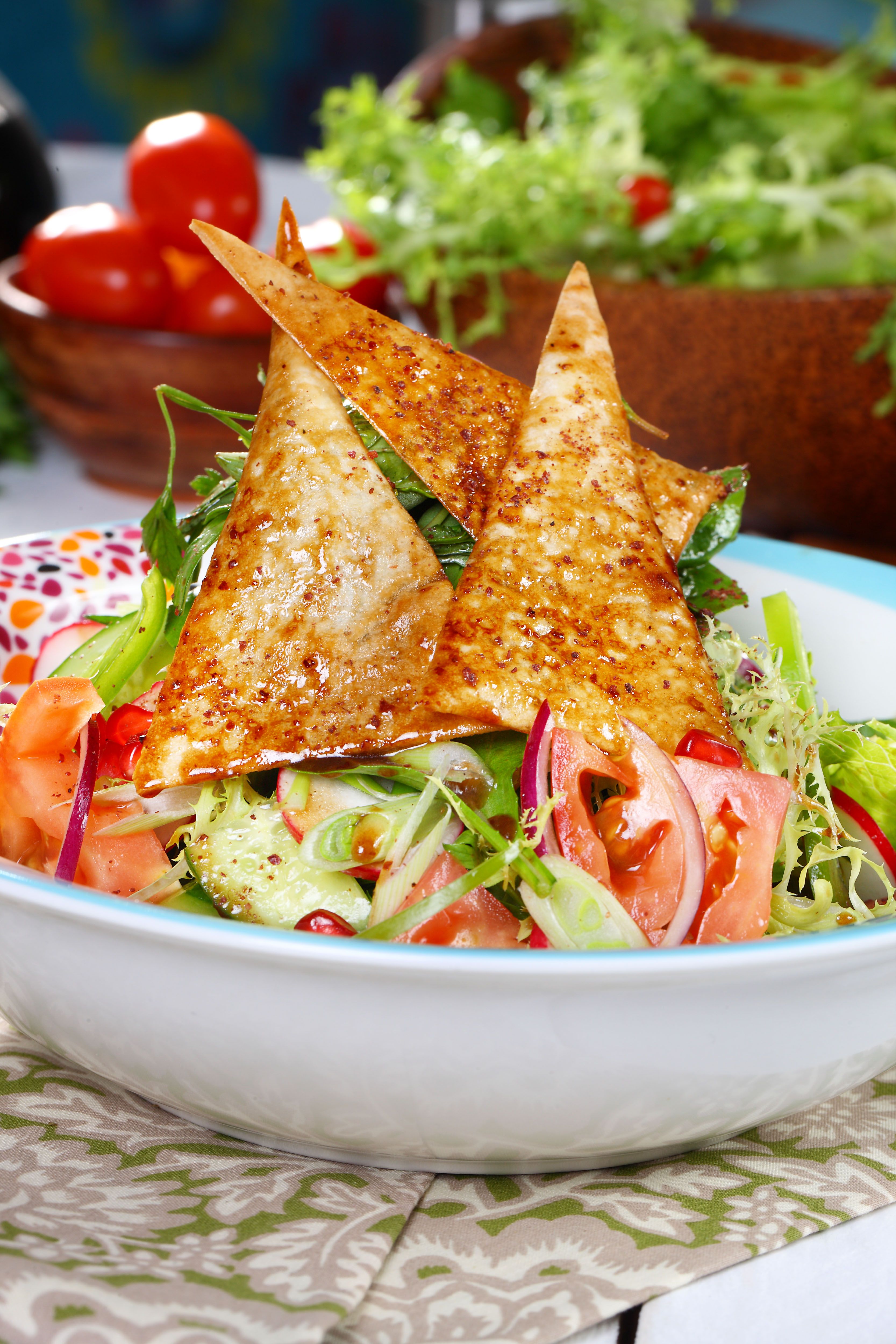
The frontier table had no shortage of practical ways to use tortillas, beans, and whatever produce was available. But a giant edible bowl made from a deep-fried tortilla, stuffed with lettuce, seasoned beef, shredded cheese, olives, and bottled dressing, belongs to a much later chapter in the story.
Taco salad is one of those dishes that says more about modern restaurant creativity than old ranch habits. It turns familiar ingredients into something oversized, crunchy, and a little theatrical. A vaquero might appreciate the thrift of eating the container, but the iceberg lettuce mountain and salad-bar sensibility would probably make this feel less like trail food and more like a novelty act.
Brisket Tacos With Fancy Slaw

Slow-cooked meat folded into a tortilla would have made perfect sense to a working cowboy. What would feel unfamiliar is the modern polishing of that idea: smoked brisket carefully sliced, topped with purple cabbage slaw, crema, pickled onions, and maybe a drizzle of chipotle sauce arranged just so.
This is frontier flavor filtered through contemporary food culture, where smokehouse tradition meets chef-driven plating. The result can be excellent, but it is unmistakably curated. Vaquero cooking was rarely about garnish or visual contrast. It was about substance, efficiency, and getting fed. A taco that looks ready for a lifestyle magazine shoot would probably seem a little too dressed up for the trail.
Canned Enchilada Sauce

A ranch cook from the frontier would have known how flavor develops from dried chiles, toasted aromatics, and patient cooking. What might stop him cold is the idea that enchilada sauce could arrive pre-made in a metal can, shelf-stable, standardized, and waiting in the pantry for a weeknight casserole.
Convenience changed home cooking in ways the frontier never could. Canned sauce turns a once labor-intensive flavor base into something quick and familiar, which is exactly why people keep buying it. But that shortcut also strips away the tactile side of old cooking, where sauces were built from smell, texture, and heat. For a vaquero, the can itself might feel more futuristic than the recipe.
