
7 Weird Food Laws that are Still Controlling What You Eat
You might think your dinner choices are ruled by taste, trends, and whatever the chef feels like making. But in plenty of cases, old laws, local rules, and oddly specific regulations still decide what can legally be served, sold, or even called by a certain name. These seven bizarre food laws show how the fine print can follow you all the way to the table.
Raw Milk Is Still Hard to Buy

For something as simple-sounding as milk, the rules get weird fast. In many states, raw milk can’t be sold in regular stores at all, and in some places you have to buy it directly from a farm, join a cow-share, or cross state lines to get it legally.
The idea behind the restrictions is food safety, since unpasteurized milk can carry dangerous bacteria. But for shoppers, it means the same product can be perfectly legal in one county and basically off-limits in another.
So if you’ve ever wondered why a trendy café can’t just pour raw milk into your latte, the answer is often the law, not the barista.
Foie Gras Has Been Banned and Unbanned
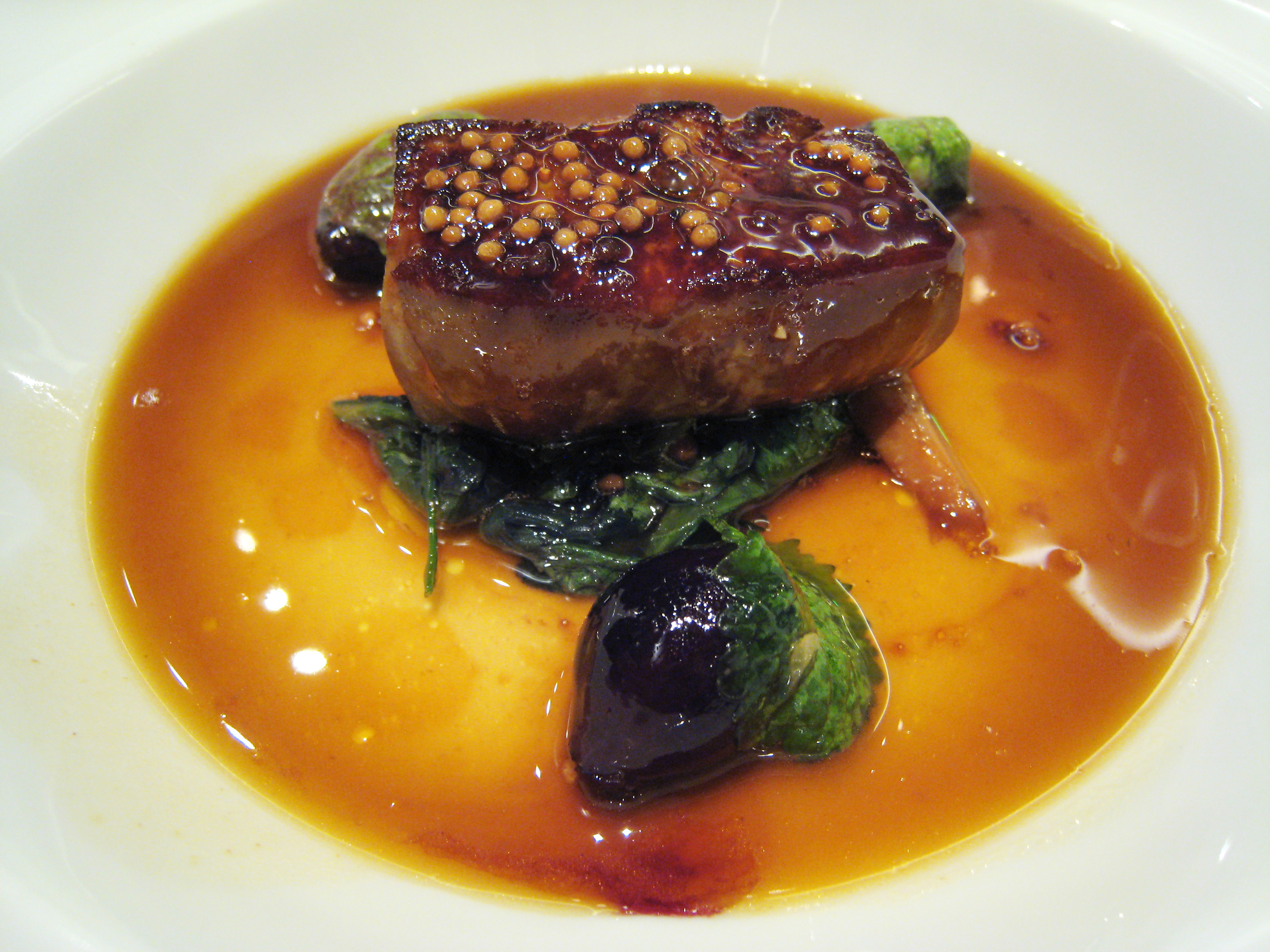
Foie gras is one of those luxury foods that somehow ends up in courtroom drama. In places like California, bans on the sale of foie gras have gone into effect, been challenged, been lifted, and then returned, leaving restaurants and diners trying to keep up.
Supporters of the bans argue the production method is cruel, while defenders call it culinary tradition and a matter of consumer choice. That debate has turned a rich French delicacy into a legal ping-pong match.
For diners, the result is simple but strange: whether you can order foie gras may depend less on the menu and more on the latest ruling.
Kinder Surprise Eggs Are Still Restricted in the U.S.

One of the oddest food laws in America involves a candy egg with a toy inside. Traditional Kinder Surprise eggs have long been restricted in the U.S. because federal law bars confectionery from containing a non-nutritive object embedded inside it.
That sounds like an extremely specific rule because it is. The concern is choking hazards, especially for children, but it also means a candy sold casually across Europe became a customs-confiscation legend in the United States.
American stores eventually got a modified version called Kinder Joy, with candy and toy separated. So yes, even your snack aisle can be shaped by a law that sounds like it came from a trivia night.
Margarine Once Had to Stay Pale

Margarine doesn’t spark much drama now, but it used to be at the center of a full-on legal battle. In the late 19th and early 20th centuries, some states restricted colored margarine because dairy interests didn’t want it looking too much like butter.
A few places even pushed consumers to buy it in an unappetizing white shade and mix in yellow coloring at home. The goal was less about flavor than protecting the butter business from a cheaper rival.
Most of those rules are gone, but they left a lasting mark on food labeling and product identity. It’s a reminder that what ends up on your toast is often shaped by politics as much as taste.
Sassafras Root Beer Lost Its Original Recipe

Old-school root beer once got much of its signature flavor from sassafras oil. Then regulators cracked down after safrole, a naturally occurring compound in sassafras, was linked to health concerns in animal studies, changing how manufacturers could make the drink.
That means many modern root beers don’t use the traditional ingredient at all, at least not in its original form. Some use safrole-free extracts, while others build the flavor profile with a blend of wintergreen, vanilla, and spices.
So when a restaurant promises a classic root beer float, the law has already quietly rewritten part of the classic. Nostalgia, it turns out, sometimes comes with reformulation.
Absinthe Came Back With Conditions

For decades, absinthe had a near-mythic reputation as the forbidden spirit. In the U.S., it was effectively banned for much of the 20th century because of fears about thujone, a compound found in wormwood, and the drink’s famously wild image didn’t help.
When absinthe returned, it didn’t simply stroll back onto bar carts unchanged. It came back under strict standards, including limits that make products legally thujone-free under federal labeling rules.
That means when you order absinthe today, you’re not quite ordering the scandalous version that haunted old Paris stories. You’re getting a regulated, modern descendant that had to win its way back into the glass.
Unpasteurized Cheese Faces the 60-Day Rule
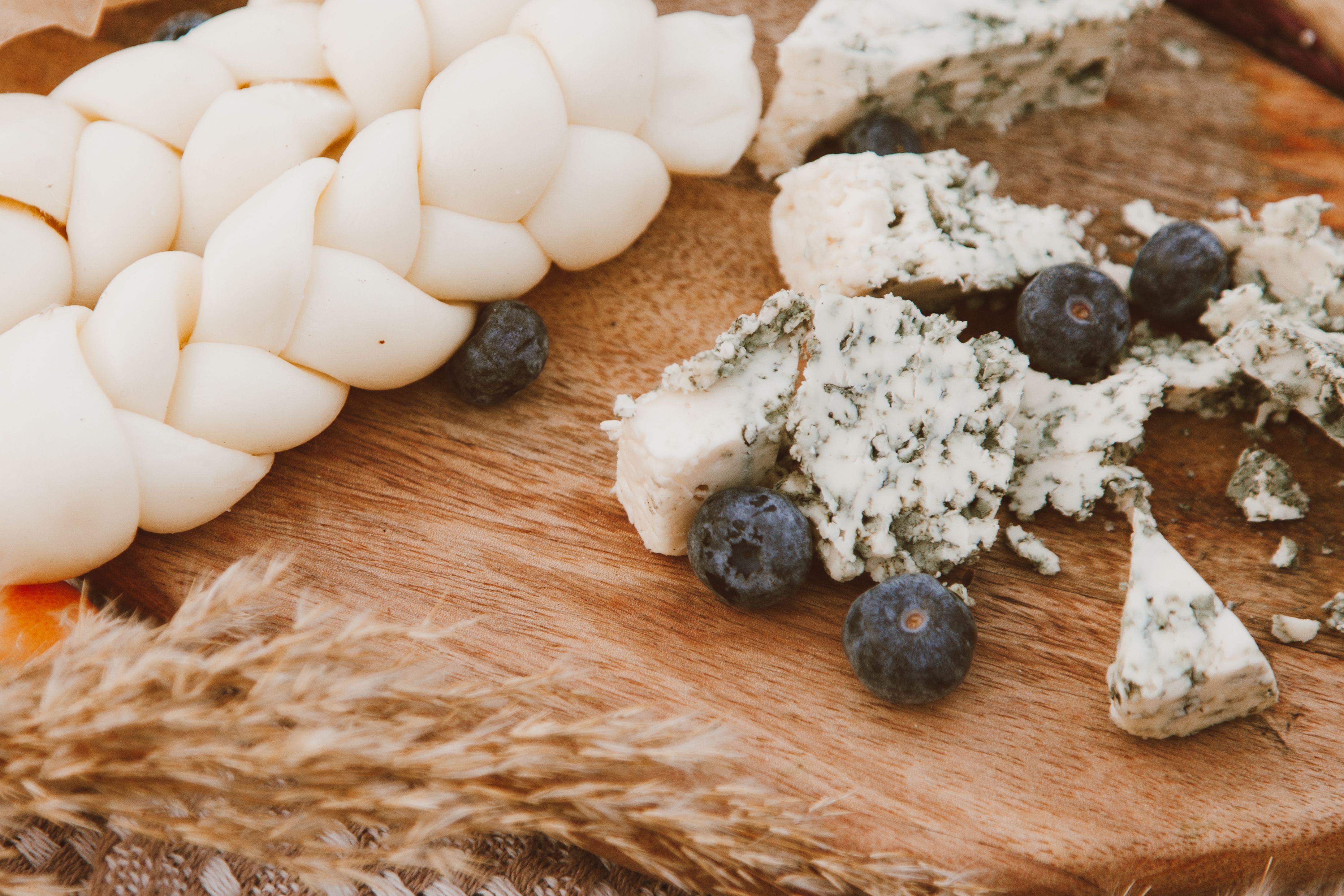
Cheese lovers know that age can mean flavor, but in the U.S. it can also mean legality. Federal rules generally allow raw-milk cheese to be sold only if it has been aged at least 60 days, based on the long-standing belief that aging reduces harmful bacteria.
That creates a fascinating split between what cheesemakers might want to produce and what they can actually bring to market. Some beloved soft cheeses made from raw milk overseas don’t translate neatly to American shelves for that reason.
So the next time a cheese board seems a little less adventurous than the one you saw in Europe, blame the calendar. In this corner of food law, 60 days can decide everything.
