
9 Times Customers Thought Their Food Was Tampered With: Here’s What Was Really Going On
Few things spark panic faster than the idea that a meal has been messed with before it reaches your table. But in many headline-making cases, the gross-out factor turned out to have a far less sinister explanation. Here are nine times customers were convinced their food had been tampered with, and what investigators, companies, or experts later said was really going on.
The Chili Finger That Shocked a Fast-Food Chain
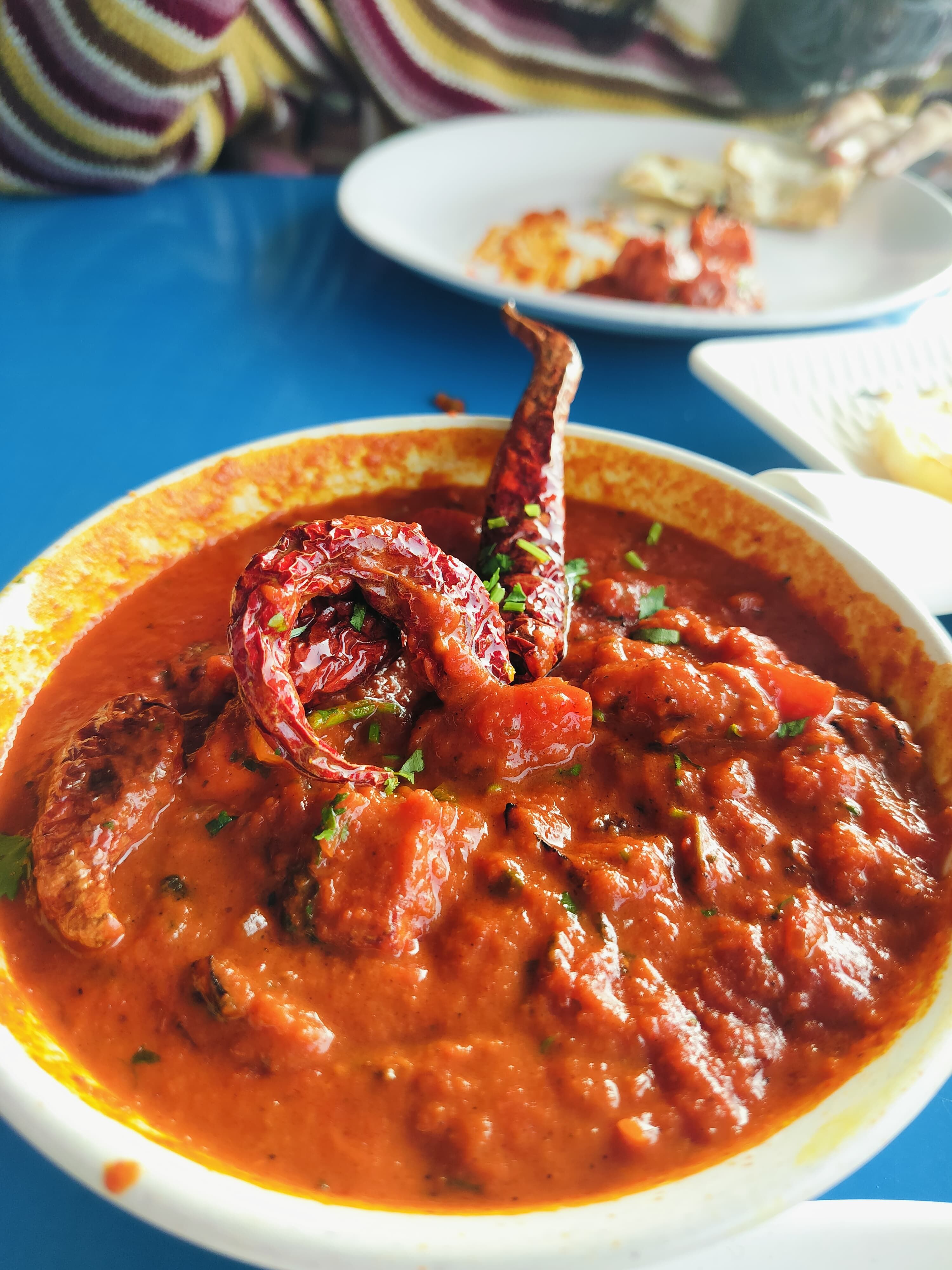
One of the most infamous food panic stories began when a woman claimed she found a human finger in a bowl of chili from a fast-food restaurant. The allegation exploded into a media circus, and the brand took a massive hit almost immediately as horrified customers backed away.
What actually happened was far stranger than the original claim. Investigators concluded the finger had not come from the restaurant at all. Authorities said it was planted, and the case became less about food contamination than outright fraud. It remains a textbook example of how one dramatic accusation can briefly overpower common sense and crater public trust.
The Fried Chicken That Looked Alarmingly Like a Rat
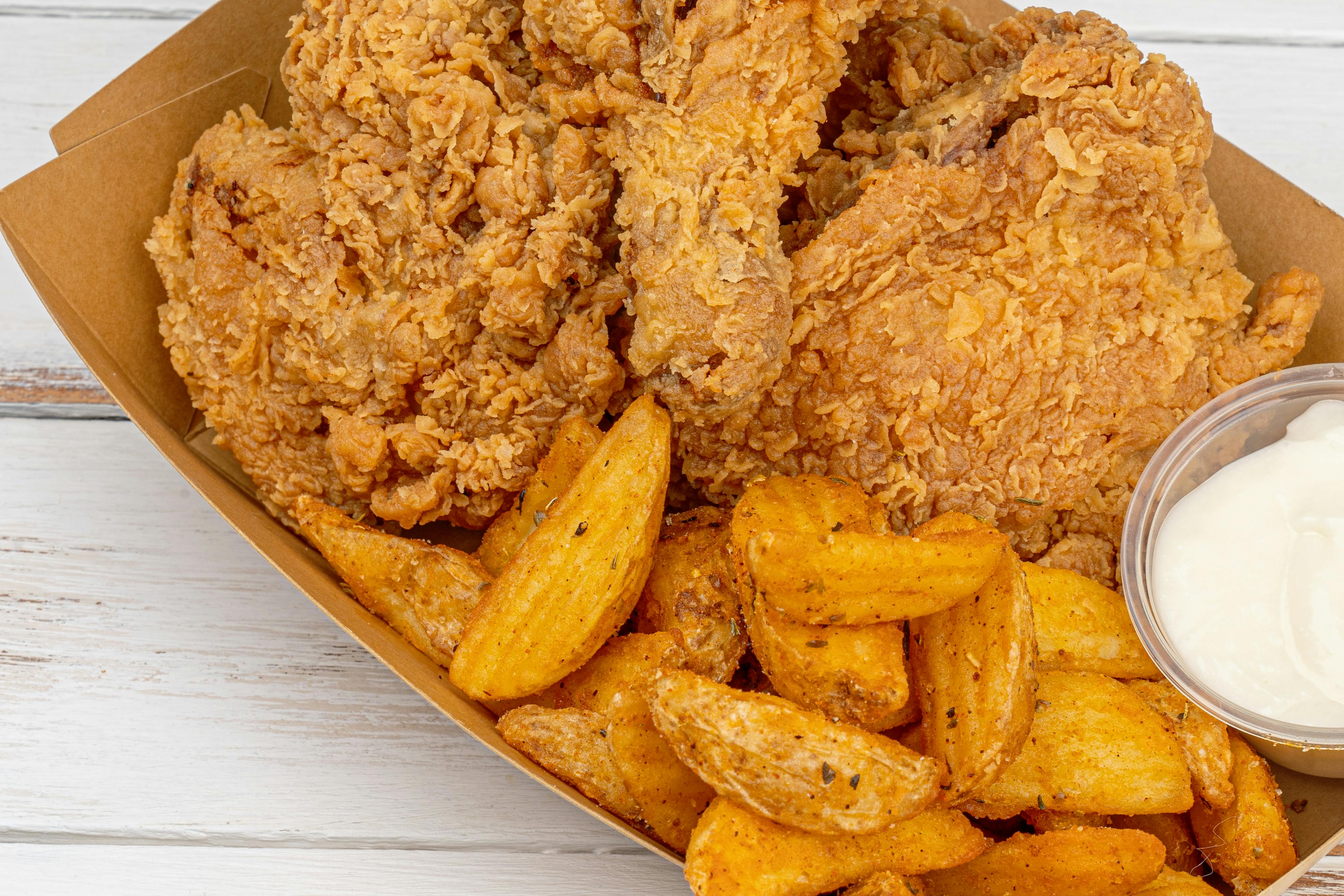
A photo of oddly shaped fried chicken can race across the internet in minutes, especially when someone insists it resembles a small animal. In one widely shared case, a customer believed a battered piece of chicken looked so much like a rat that it had to be something deeply wrong.
The uproar was intense, but later testing and reporting pointed to a more mundane answer. Food experts and company representatives said the item was consistent with white chicken meat and irregular frying, not a mystery creature. The lesson was simple: once breading, oil, and a bizarre shape get involved, your eyes can convince you of almost anything.
The Stringy Stuff Mistaken for Worms in Fish
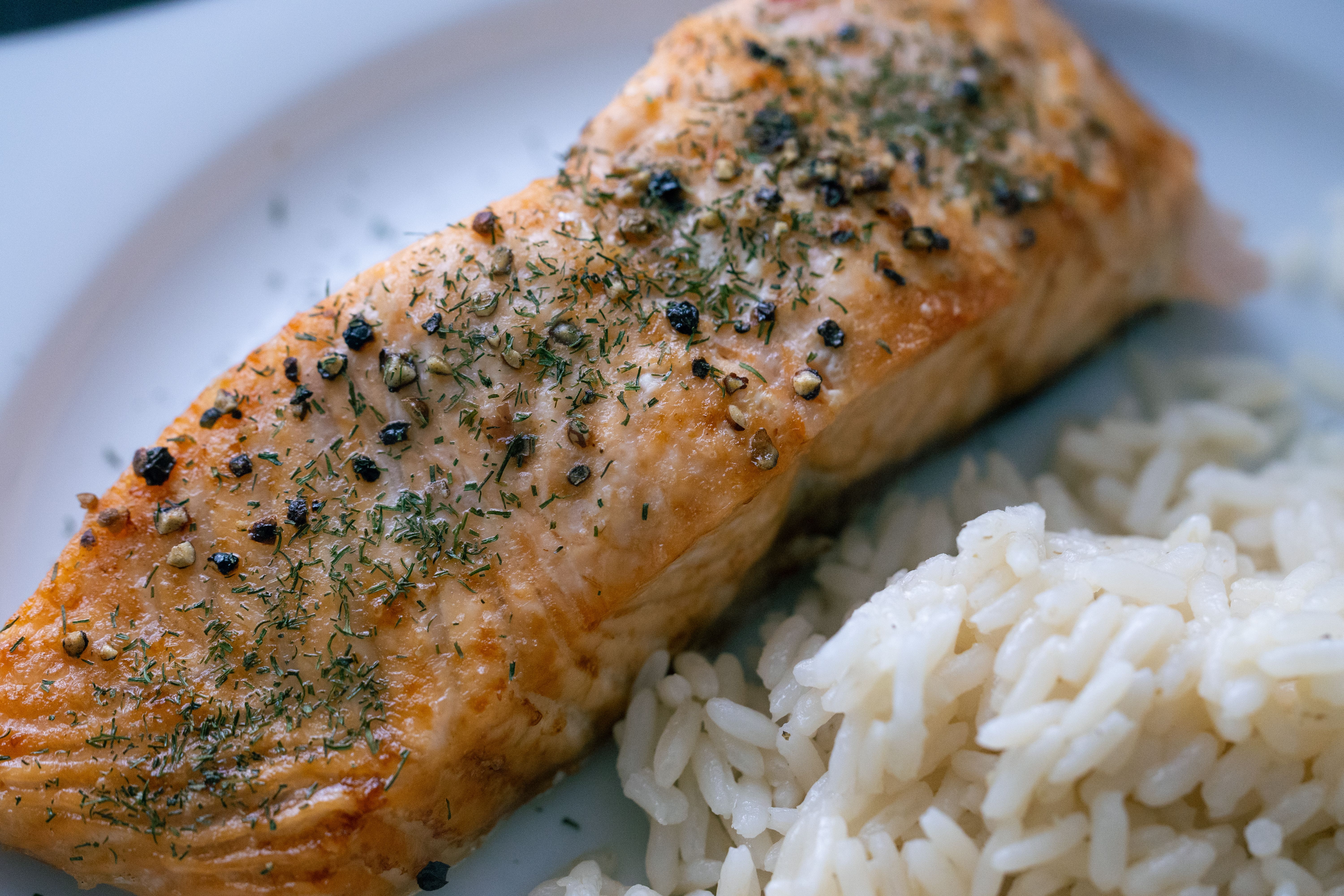
Customers occasionally panic when they cut into cooked fish and spot thin, pale strands tucked into the flesh. To an already uneasy diner, those threadlike bits can look exactly like worms, and that kind of discovery can turn dinner into a full-on horror story in seconds.
Sometimes, though, what people are seeing is just connective tissue, muscle fibers, or albumin that changed appearance during cooking. In other cases, fish can naturally contain parasites that are killed during proper freezing or cooking, making the food unappealing but not evidence of sabotage. It feels deeply personal when it lands on your plate, yet it usually points to biology, not tampering by a worker in the kitchen.
The Ice Cream Tub with a Missing Scoop
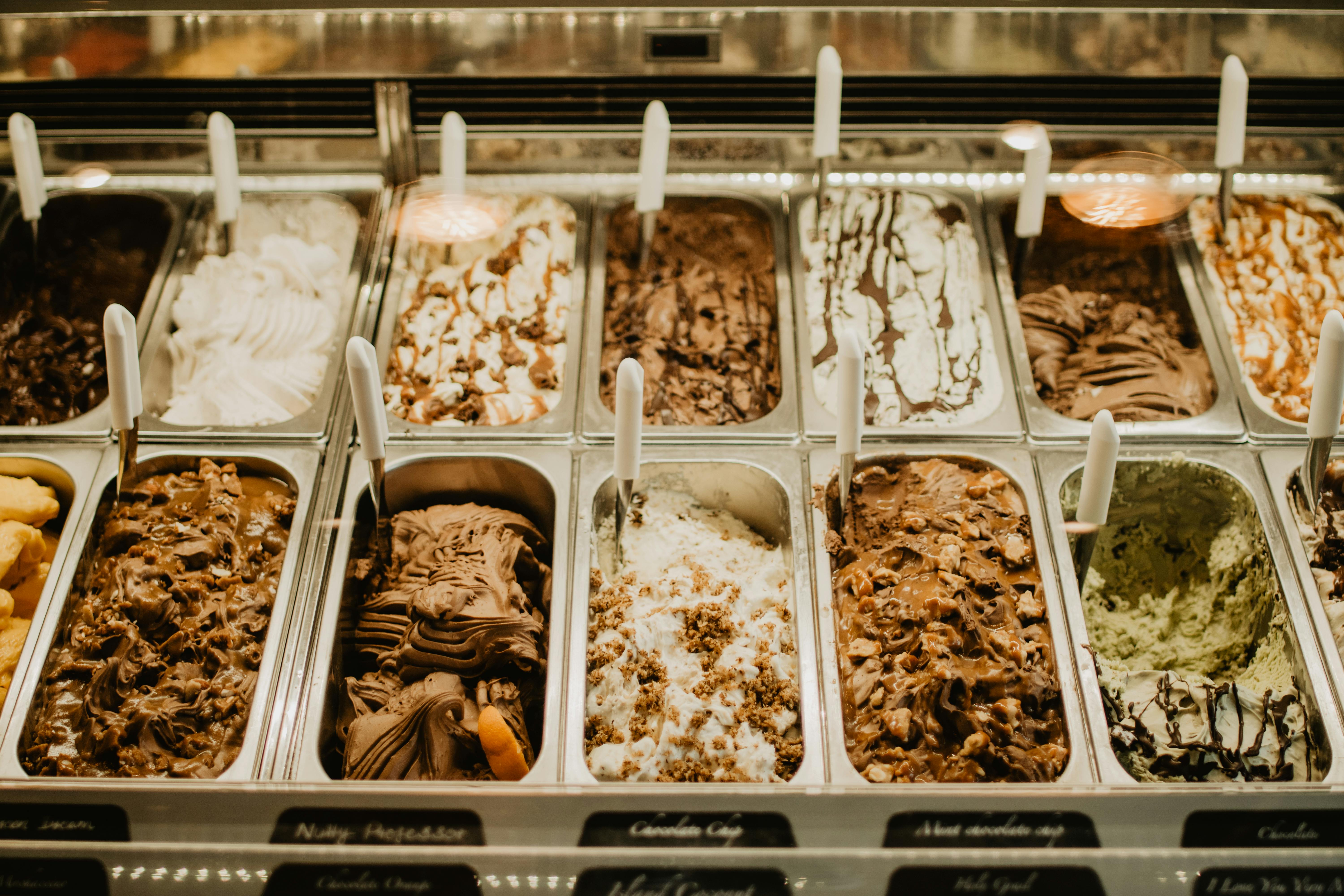
Nothing says violation quite like opening a sealed-looking dessert and finding a spoon mark carved right through the top. Shoppers who discovered ice cream with obvious scoops missing understandably assumed someone had sampled it in the store and put it back, turning a comfort food into a contamination scare.
In several cases, that assumption was exactly why brands rushed to change packaging. While some incidents involved prank videos and actual tampering, others were traced to lids that were never truly secure in the first place. The broader takeaway was that customers often judge safety by visual cues alone, and if packaging looks easy to open, trust melts faster than the dessert itself.
The Burn Marks in Bread That Seemed Deliberate
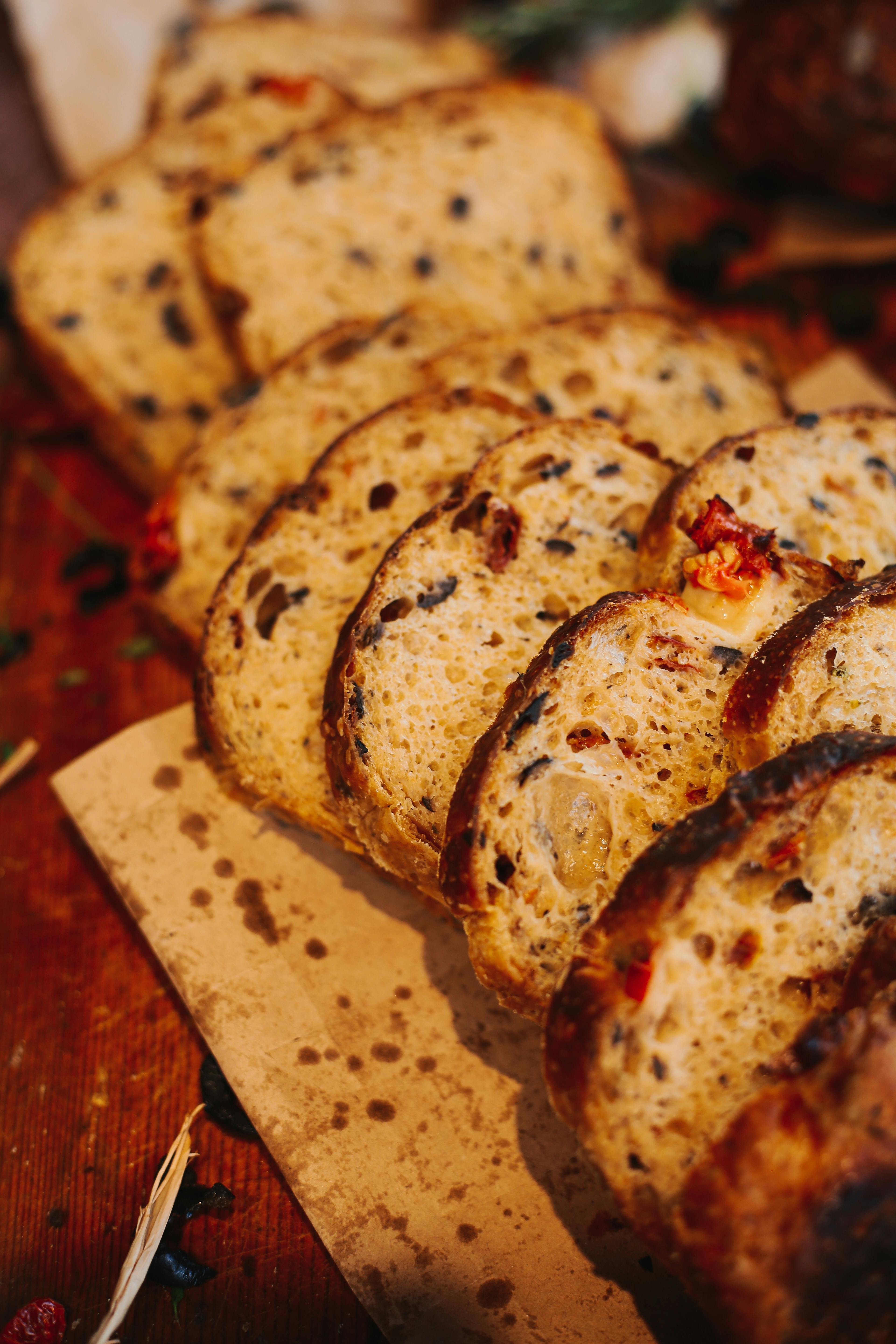
A slice of bread with dark streaks or odd embedded marks can feel suspicious, especially when the pattern looks too strange to be accidental. Some customers have interpreted these spots as evidence that something dirty, foreign, or intentionally harmful made its way into the dough before baking.
Bakeries and food scientists usually point to a less dramatic culprit: normal production quirks. Overbaked flour, contact with hot conveyor equipment, bits of heavily toasted dough, or uneven mixing can all create ugly marks that look worse than they are. Bread is a surprisingly industrial product, and once people glimpse the imperfections of that process, they sometimes read sabotage where there was only a rough baking day.
The Pink Slime Panic in Burgers
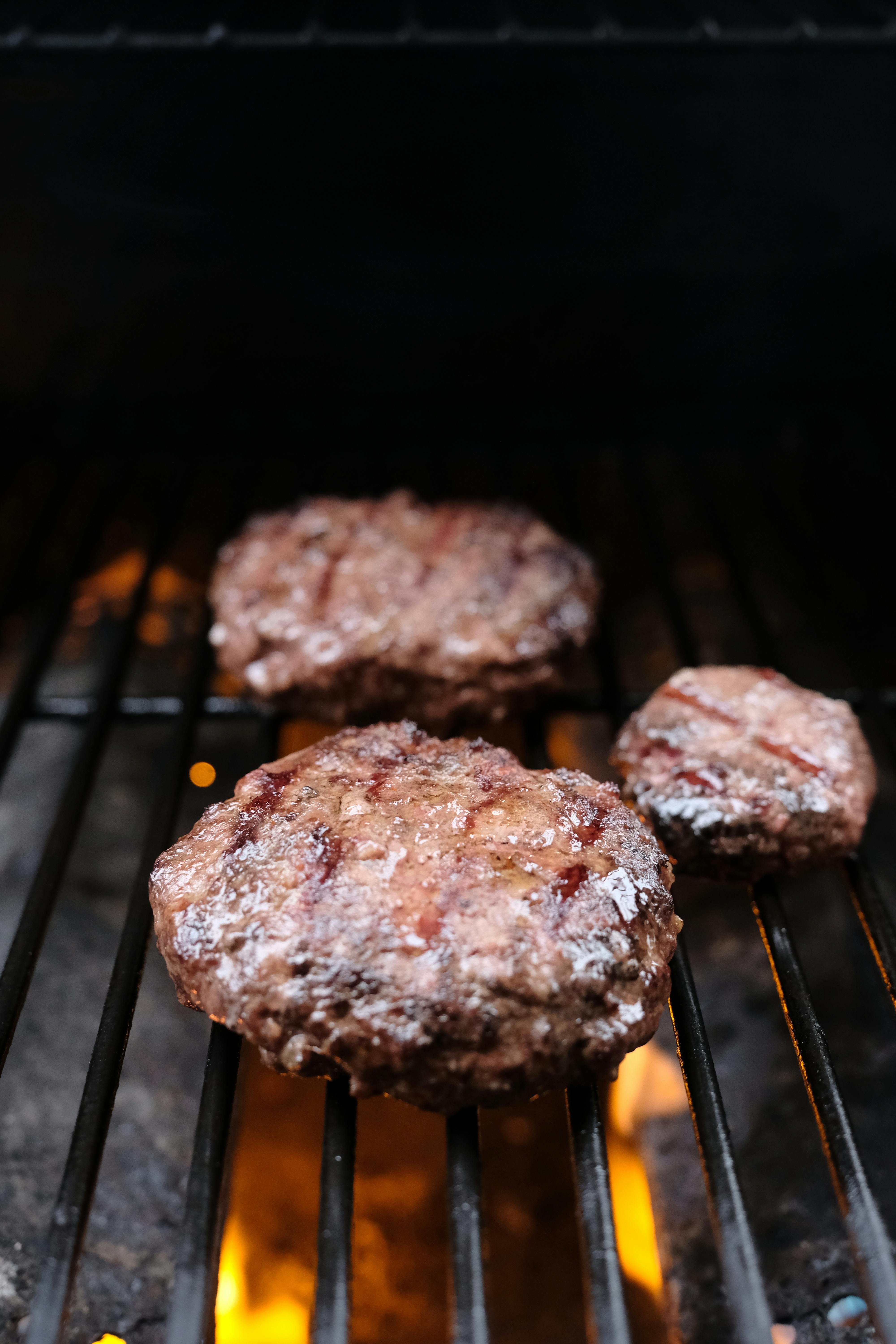
For a lot of diners, the phrase itself was enough to trigger disgust. News coverage and social chatter made many people feel they had uncovered a secret plot inside the burger supply chain, and some took that revulsion as proof the meat had been chemically messed with beyond recognition.
What actually happened was more about food processing language than hidden tampering. The product in question referred to lean beef trimmings treated in a way regulators said was safe, though consumers hated the description and the optics. It was a reminder that people often use the word tampered to describe food they simply find unnatural, even when the issue is transparency, labeling, and comfort level rather than contamination or sabotage.
The Soda Can with a Strange Floating Object
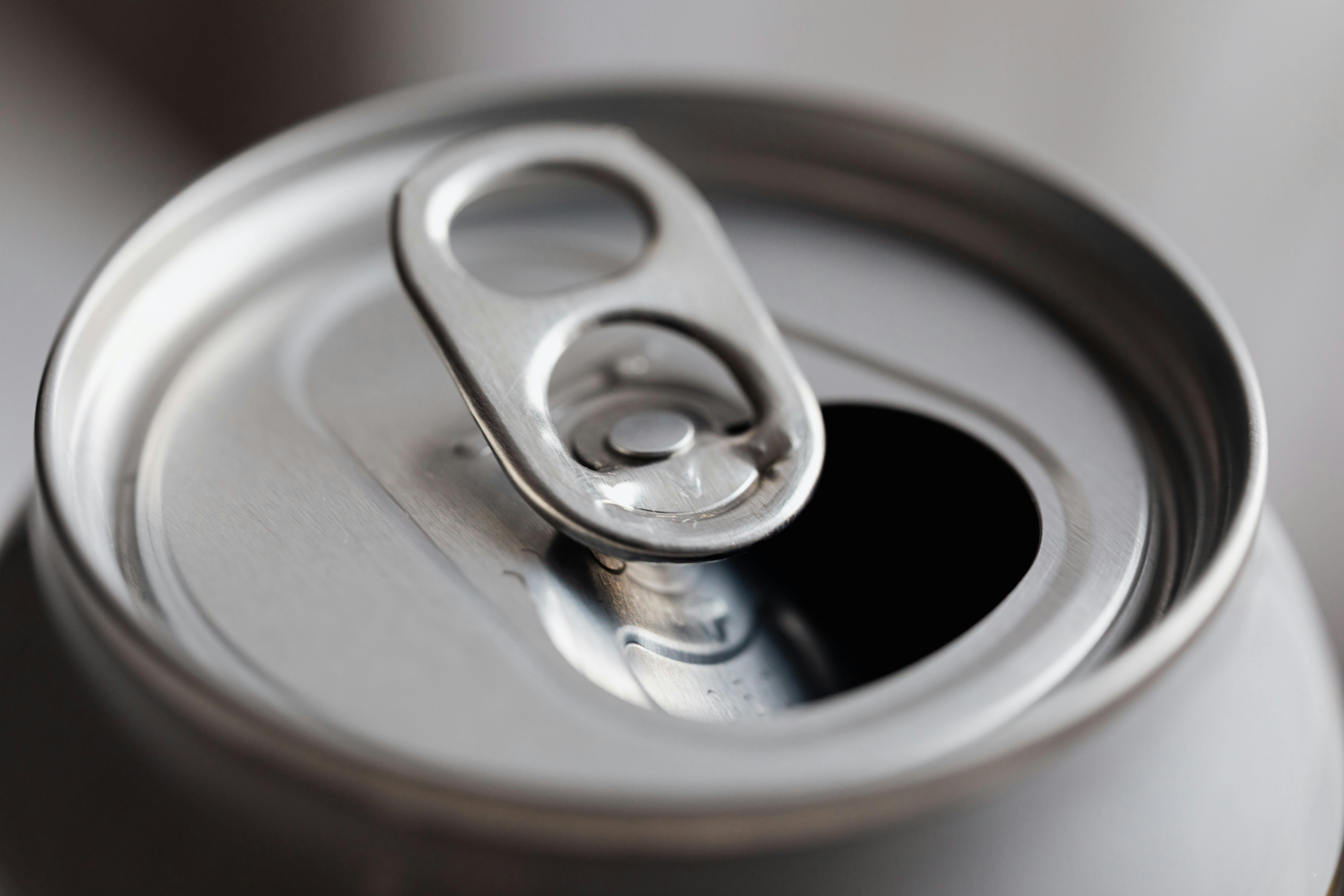
Finding something unexpected in a canned drink is the kind of moment that makes people stop mid-sip and stare in disbelief. Sometimes it looks like mold, sometimes a jellylike blob, and sometimes it is so undefined that the imagination fills in the blanks with the worst possible scenario.
Beverage companies often say these cases come down to reactions between ingredients, contamination after opening, or harmless material from the can lining or drink mixture itself. Once a can is punctured and exposed, changes can happen quickly and look dramatic. To the customer, it feels like proof of foul play. To investigators, it is often chemistry, storage conditions, and a very unfortunate visual surprise.
The White Specks in Chocolate That Looked Suspicious

Chocolate is supposed to feel indulgent, not alarming, so white spots or streaks can ruin the mood instantly. Some customers see that dusty or patchy appearance and assume the candy has been contaminated, mishandled, or tampered with somewhere between the factory and the checkout line.
More often than not, the culprit is bloom, a common cosmetic change caused by temperature swings or moisture. Fat or sugar rises to the surface, changing the look and texture while leaving the chocolate generally safe to eat. It is not exactly appetizing, but it is also not evidence that someone interfered with the product. In this case, the real villain is usually heat, humidity, and the fragile ego of a chocolate bar.
The Milky Swirl in Coffee That Wasn’t Anything Sinister

A customer opens an iced coffee or bottled cold brew and sees pale strands or cloudy swirls drifting through the drink. It is easy to think the beverage has spoiled in a dramatic way or that something foreign got into it during preparation, especially if the texture looks uneven.
But dairy separation, temperature changes, and protein clumping can create surprisingly weird visuals, particularly in premixed coffee drinks. Even non-dairy creamers can behave oddly after sitting for a while. The result may look disturbing, but it usually says more about emulsions breaking down than about anyone tampering with your caffeine fix. In other words, ugly does not always mean unsafe, and suspicious-looking coffee is often just chemistry in motion.
The McNugget Shape That Triggered a Viral Freak-Out

Processed foods can produce some truly bizarre shapes, and every so often one lands in a takeout box looking less like dinner and more like a tiny creature or body part. That visual shock is usually enough to send photos online, where certainty builds fast and facts arrive much later.
Companies have repeatedly explained that formed chicken products can vary wildly because of how meat is mixed, shaped, breaded, and fried. Once people are primed to see something grotesque, the internet does the rest. These episodes are less about proof of tampering and more about pattern recognition gone haywire. Still, if your nugget looks like it belongs in a nature documentary, it is hard to blame anyone for doing a double take.
