
I Tried Tipping Extra Everywhere I Went: Here Are the 5 Reactions That Surprised Me
Tipping can feel automatic, awkward, generous, or deeply confusing depending on where you are and who’s on the other side of the transaction. So I decided to run a simple experiment: leave extra at restaurants, coffee shops, salons, delivery drop-offs, and more, then pay attention to what happened next. What surprised me most wasn’t the money itself, but the range of emotions it seemed to unlock.
Why I Decided to Try It
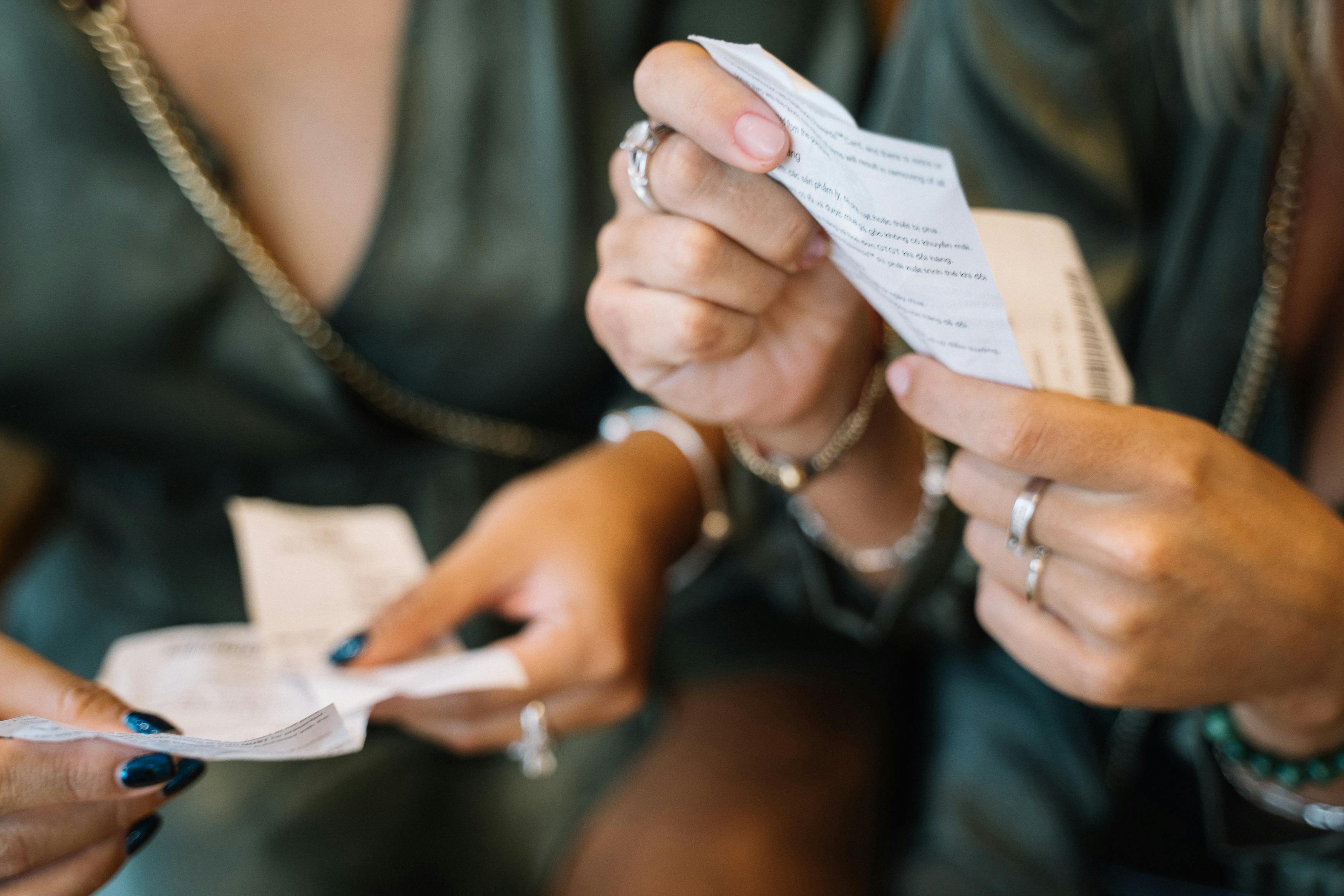
The idea started with a question I couldn’t quite shake: if tipping is supposed to show appreciation, what happens when you go noticeably beyond the expected amount? Not in a flashy way, and not to make a scene, but quietly, in regular everyday moments.
For a week, I added extra wherever a tip made sense. Sometimes it was a few more dollars, sometimes a much bigger percentage than usual. I wasn’t trying to prove a grand theory. I just wanted to see whether people noticed, how they responded, and what that revealed about the culture around service.
Very quickly, it became less about etiquette and more about human behavior.
Some People Looked Genuinely Alarmed
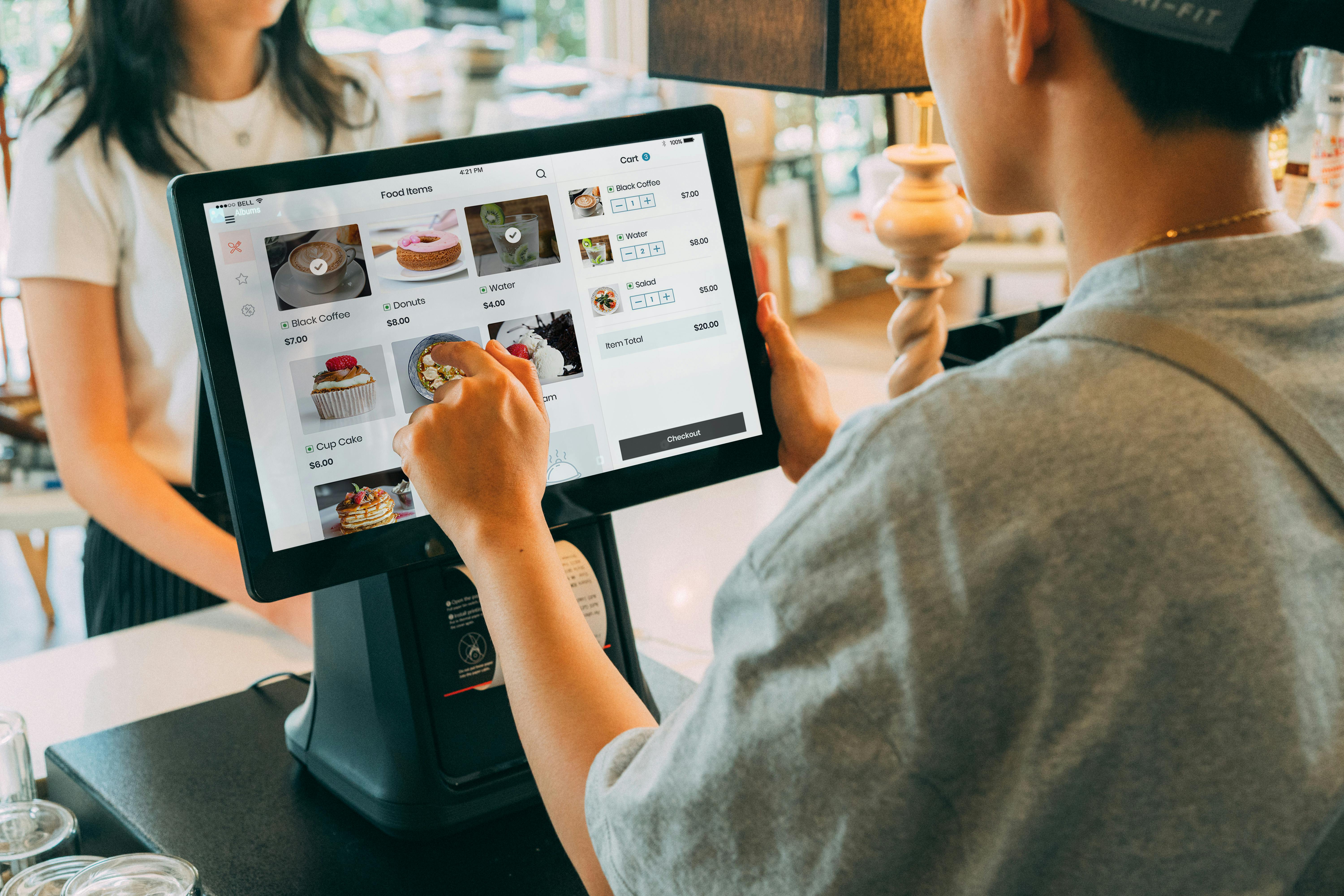
The first surprise was how often an extra tip didn’t register as simple gratitude. In a few places, the person taking payment paused, looked back at the screen, and asked whether I meant to enter that amount. One cashier even turned the tablet around so I could check it again.
That hesitation wasn’t rude. It felt more like protective reflex. In a world of accidental taps, rushed transactions, and stories about digital checkout confusion, people seemed wary of accepting money they thought might have been added by mistake.
What I expected to read as generosity was sometimes received first as a possible error.
Others Became Instantly Warmer

At a diner and later at a coffee counter, the change in tone was immediate. A polite interaction turned into an actually memorable one. Suddenly there was an extra smile, a more relaxed conversation, and the kind of friendliness that feels less scripted and more personal.
That doesn’t mean kindness can be bought so neatly. More often, it seemed like the larger tip signaled that the exchange wasn’t purely transactional anymore. It gave the other person permission to drop their guard for a second.
The reaction that surprised me wasn’t gratitude alone. It was how quickly generosity seemed to create ease.
A Few People Tried to Give It Back
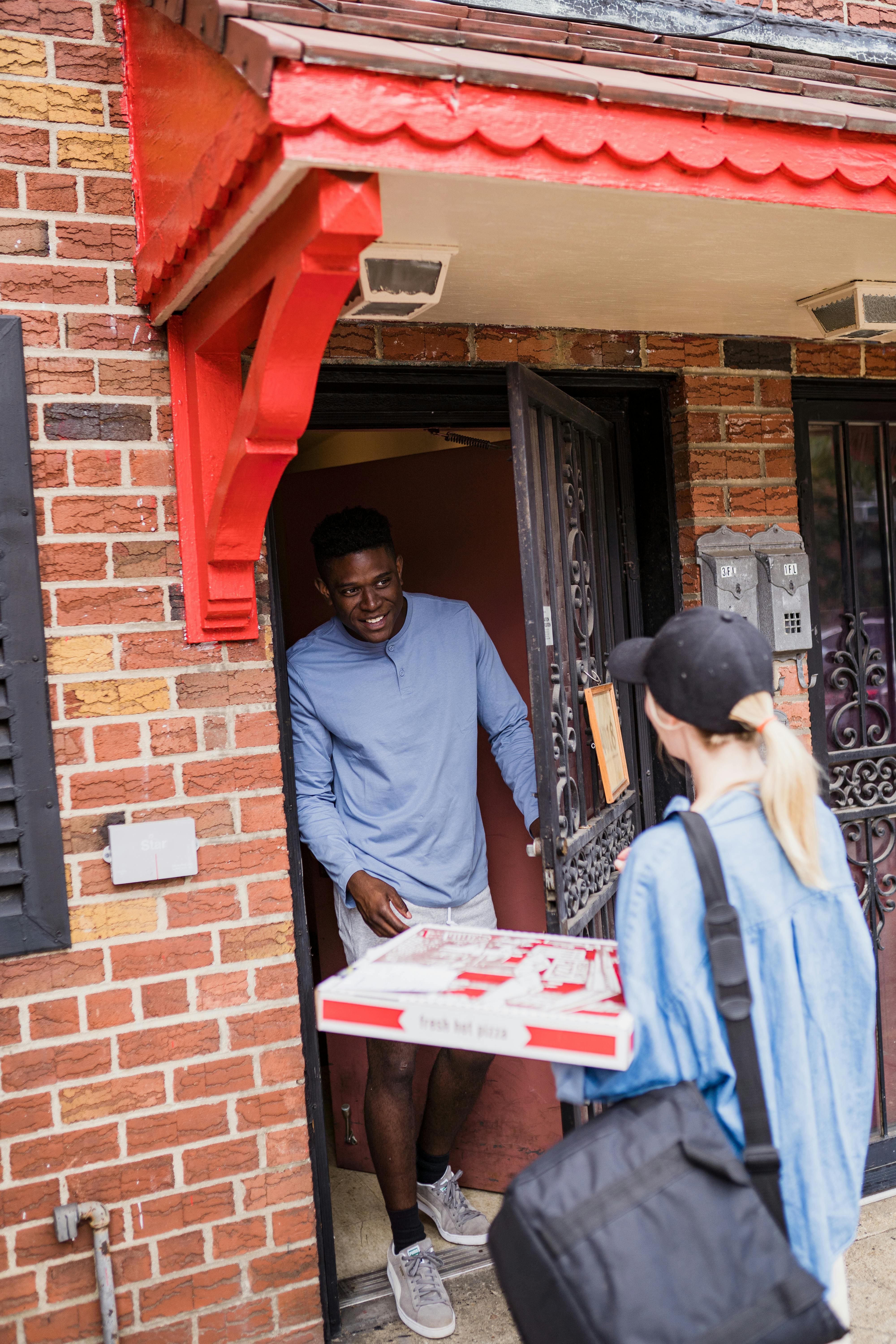
This happened more than once, and each time it caught me off guard. A delivery driver asked if I was sure, then offered to return part of the cash. At a neighborhood takeout spot, someone behind the counter said, almost apologetically, that the amount was too much.
There was something strikingly sincere about that reaction. It suggested that for some workers, an unusually large tip can create discomfort rather than delight, especially when the service itself felt routine or brief.
I had assumed extra money would always be welcome. Instead, I found that fairness matters too, and many people have their own internal line for what feels acceptable.
One Reaction Felt Almost Emotional

The most affecting moment came in a setting where the pace was hectic and nobody had much time to talk. I left a larger-than-usual tip, and the worker’s whole expression changed. There was a pause, a hand to the chest, and a quiet thank you that landed with more weight than I expected.
It wasn’t dramatic, but it felt deeply real. In that moment, the tip seemed to register not as a bonus, but as relief, recognition, or both. That’s when the experiment stopped feeling abstract.
You can debate tipping culture all day. But it’s hard to ignore a reaction that reveals how thin the margins can be for many workers.
In Some Places, the Gesture Barely Landed

Not every extra tip led to a meaningful exchange. In a few businesses, especially busier or more system-driven ones, the payment moved through so quickly that there was little chance for anyone to even notice. The screen beeped, the receipt printed, and the moment disappeared.
That was revealing in its own way. Modern tipping often happens through tablets, apps, and preset prompts that can make generosity feel oddly invisible. You may give more, yet the human signal gets diluted by the machinery of checkout.
I came away realizing that digital convenience can flatten emotional nuance, even when the intent behind the money is sincere.
The Setting Changed Everything
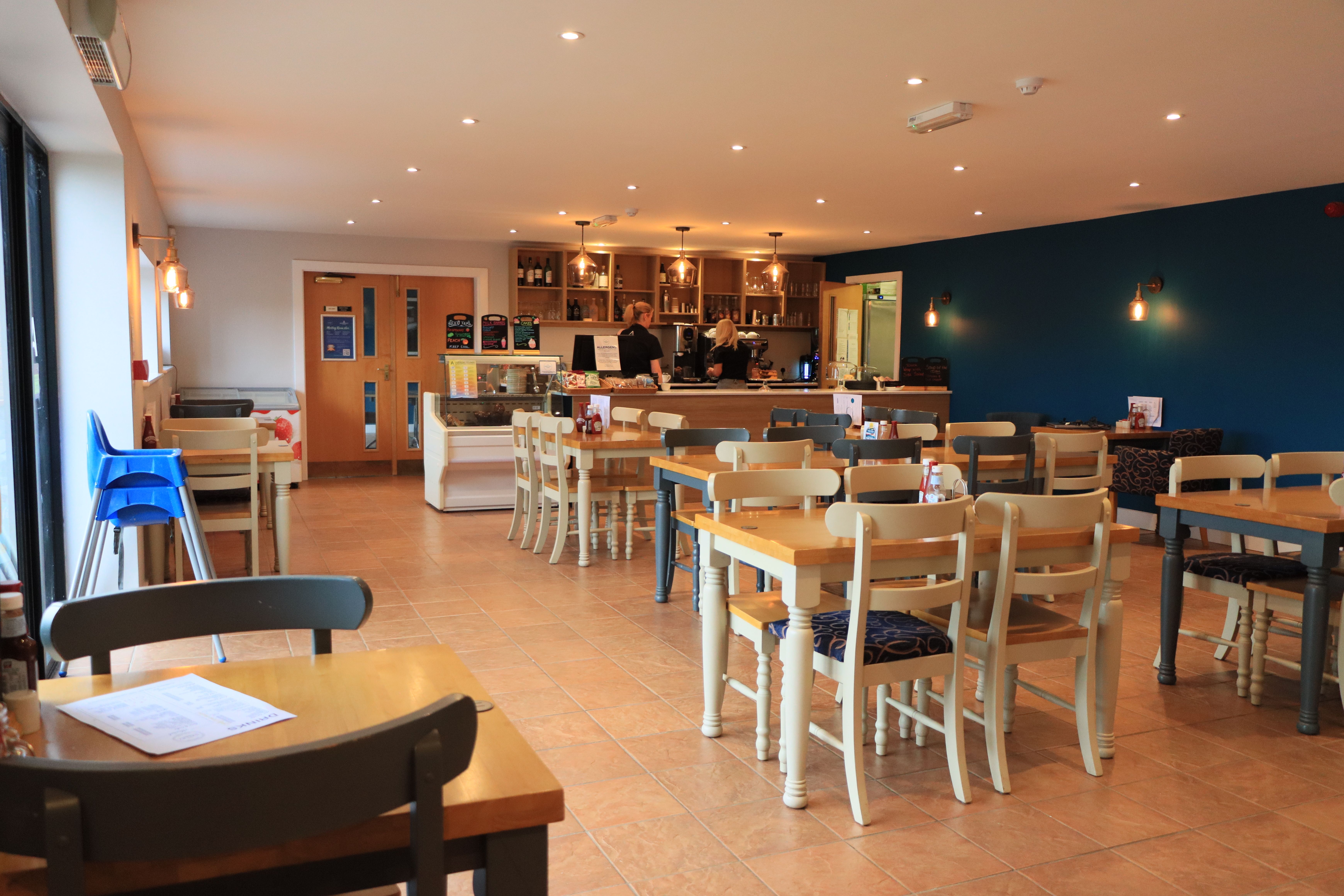
An extra tip landed very differently depending on where I was. In a sit-down restaurant, it often felt like a clear extension of the service experience. In a grab-and-go setting, it could feel more ambiguous, almost like I was rewriting the social script on the fly.
That difference matters because tipping isn’t just about generosity. It’s also about context, custom, and what each environment trains us to expect. The same amount can seem thoughtful in one place and confusing in another.
By the end of the experiment, I understood that reactions weren’t only about the people involved. They were also shaped by the unwritten rules of the room.
I Became More Aware of My Own Motives

Somewhere midway through, I had to ask myself an uncomfortable question: was I doing this purely to be generous, or was I also hoping to witness something meaningful in return? Once I noticed that thought, the experiment became more honest.
Tipping extra can be kind, but it can also carry expectation if you’re not careful. A smile, a thank you, a story to tell later. When those things didn’t happen, I had to confront how easily generosity can become tangled with performance.
That realization may have been the most useful part of the week. It reminded me that giving lands best when it doesn’t demand a particular reaction.
