
Why Japan’s Matcha Boom is Starting to Strain the Industry
Matcha has gone from tea ceremony staple to global obsession, showing up in lattes, desserts, skincare, and social media recipes everywhere. But behind that bright green glow, Japan’s matcha industry is feeling the squeeze. From labor shortages to limited farmland, the boom is creating real pressure on the people and places that produce the real thing.
Global demand is rising faster than supply

Matcha used to feel like a niche indulgence outside Japan. Now it’s in coffee chains, supermarket snacks, bakery cases, and influencer kitchens, all at once. That kind of rapid popularity spike sounds great on paper, but it can be hard for a specialized agricultural product to keep up.
True matcha isn’t something producers can suddenly churn out overnight. It comes from shade-grown tea leaves, careful processing, and milling that takes time. When demand jumps across multiple countries at the same moment, even established tea regions can end up stretched thin.
The result is a market where premium supplies get tighter, prices can rise, and buyers compete harder for the same limited harvest.
Producing real matcha is a slow, delicate process

Not all green tea powder is matcha, and that distinction matters more as the craze grows. High-quality matcha begins with tencha leaves, which are shaded before harvest to deepen flavor and color. After picking, the leaves are steamed, dried, sorted, and stone-ground into an ultra-fine powder.
Each step limits how quickly producers can expand. Shade structures require planning, the harvest window is short, and traditional stone mills are famously slow. You can increase output only so much without changing the methods that give matcha its texture and taste.
That means the industry faces a tough balancing act: grow enough to meet demand without cutting corners that weaken quality.
Tea-growing regions are dealing with labor shortages

Even before matcha became a worldwide trend, many farming communities in Japan were already aging and shrinking. Younger workers often move to cities, leaving tea farms and processing facilities with fewer hands to manage specialized work. The boom has made that existing problem much harder to ignore.
Matcha production depends on skilled labor, from cultivating leaves to sorting and milling them properly. It’s not just about finding workers, but finding people with training and patience for an exacting craft. In some regions, producers can sell more if they have more help, but staffing is the bottleneck.
So while demand keeps climbing, the people needed to support that growth are becoming harder to replace.
Premium matcha is tied to limited land and tradition

The most sought-after matcha often comes from famous Japanese tea areas like Uji, where reputation, climate, and generations of know-how all shape the final product. That heritage is part of what buyers are paying for, but it also means production can’t simply be relocated or massively scaled without changing what makes it special.
Tea farmland is finite, and not every plot is suited to top-tier matcha. Farmers also have to decide whether to grow leaves for ceremonial-grade powder, everyday culinary matcha, or other tea products entirely. Those choices affect supply, pricing, and who gets access to the best harvests.
In other words, the boom is colliding with an industry built around place, precision, and long-standing methods rather than endless expansion.
The boom could reshape matcha for better or worse
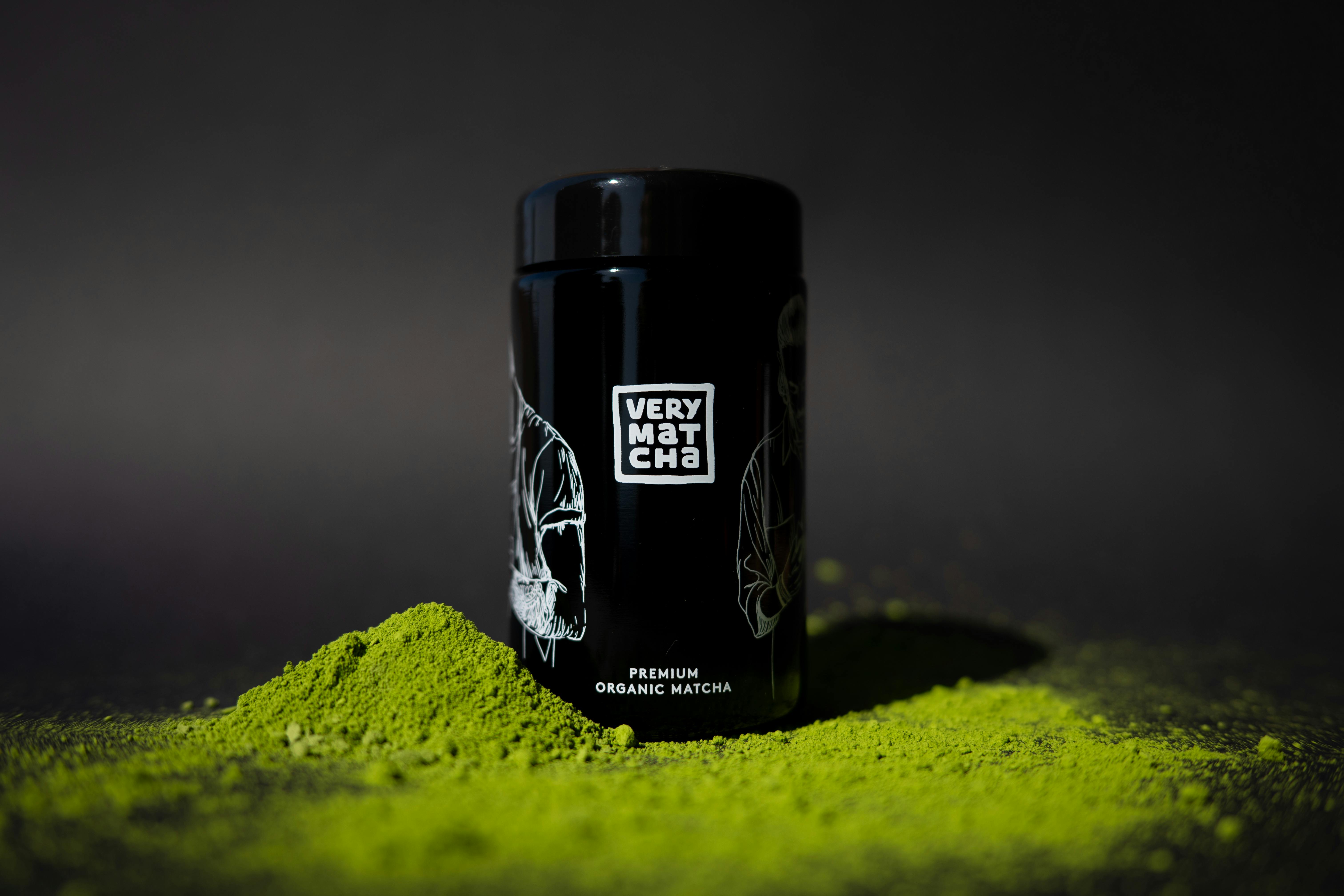
There’s an upside to all this attention: more people are discovering Japanese tea culture, and stronger sales can help keep farms and mills alive. For producers facing shrinking rural populations and changing consumer habits, global enthusiasm can bring real opportunity.
But success also brings pressure to produce faster, market harder, and satisfy buyers who may not always understand the difference between ceremonial and lower-grade powder. That can encourage confusion, imitation products, and uneven quality in the marketplace.
What happens next may depend on whether consumers are willing to pay for authenticity and whether the industry can expand carefully. Matcha’s future isn’t just about popularity. It’s about whether growth can happen without wearing down the tradition that made matcha worth craving in the first place.
