
Boxed Broths: How Long Do They Actually Last?
Boxed broth feels like one of those pantry staples that should last forever, until you open the fridge and spot a half-used carton staring back at you. The truth is, shelf life depends a lot on whether it’s unopened, opened, or frozen. This gallery breaks down what to expect, what to watch for, and when it’s smarter to toss than taste-test.
Unopened broth can last surprisingly long
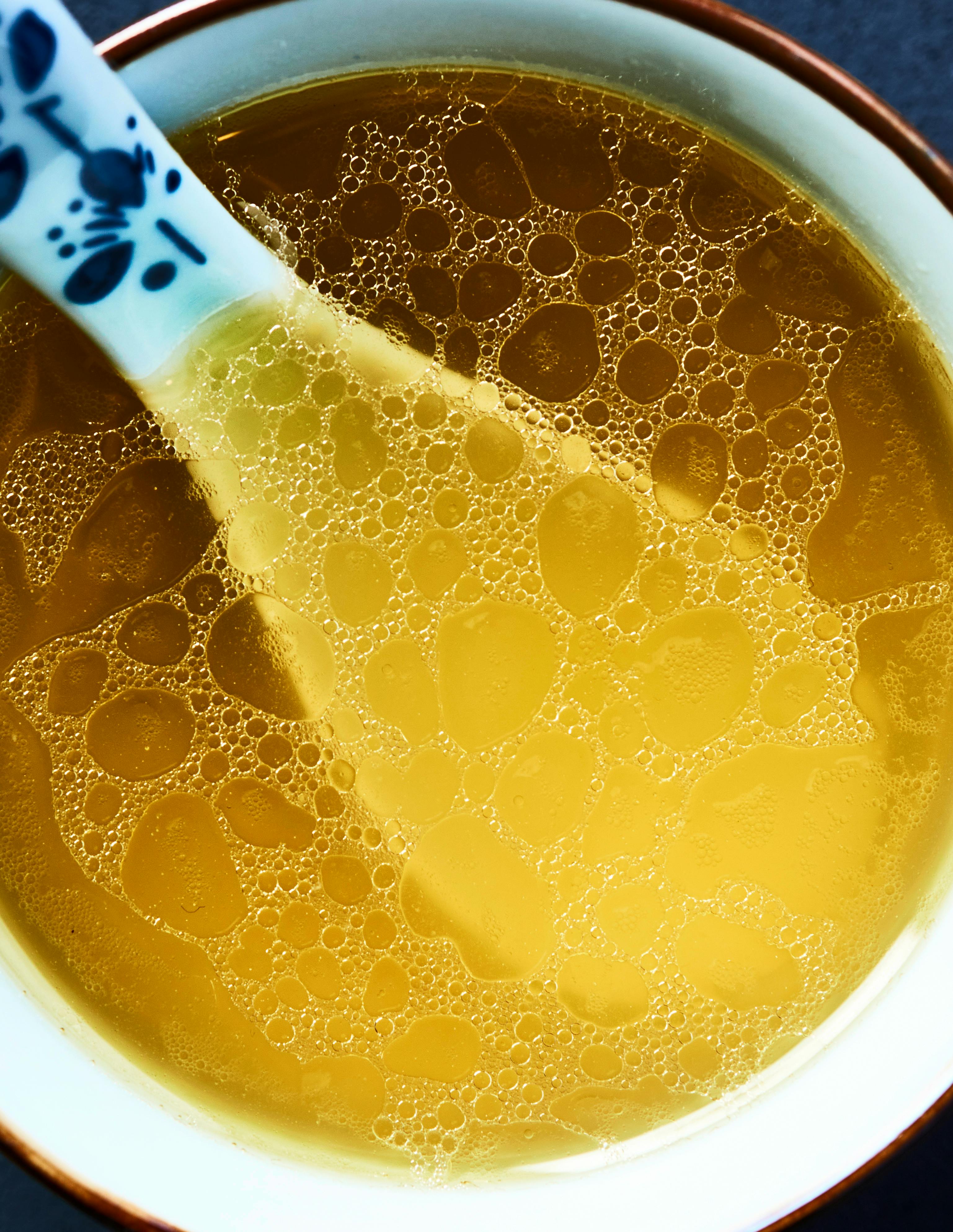
Shelf-stable boxed broth is designed to hang out in your pantry for quite a while. Thanks to ultra-high-temperature processing and sealed packaging, many cartons stay good for months, and often longer, as long as they remain unopened and properly stored.
That doesn’t mean forever, though. The best-by date is still worth checking, and quality can slowly fade over time even if the broth is technically safe. Keep cartons in a cool, dry place away from heat and sunlight, and avoid buying any that are bloated, leaking, or dented around the seal.
If the package looks intact, unopened broth is usually one of the more reliable pantry players around.
Once opened, the clock moves fast

Opening a carton changes everything. Once air gets in, boxed broth shifts from pantry-friendly to perishable, which means it belongs in the refrigerator right away, not back on the shelf for later.
In most home kitchens, opened broth is best used within about 4-5 days. That window applies whether it’s chicken, beef, or vegetable broth, even if the carton still looks mostly full and smells okay at first glance.
If you only need a splash for cooking, pour carefully and reseal it tightly before returning it to the fridge. That simple habit can help preserve quality, but it won’t buy you weeks of extra time.
Your senses can catch spoilage clues

When broth goes bad, it usually gives off a few warning signs. A sour or odd smell is the biggest red flag, and any swelling in the carton, bubbling without heating, or visible mold means it should go straight into the trash.
Texture matters too. If the broth looks cloudy in an unusual way, has slimy residue around the opening, or seems off-color compared with when you first opened it, trust that instinct and don’t use it.
This is one of those foods where a cautious approach makes sense. If you’re debating whether it’s still okay, that hesitation is often your answer.
Freezing is the easiest way to stretch it
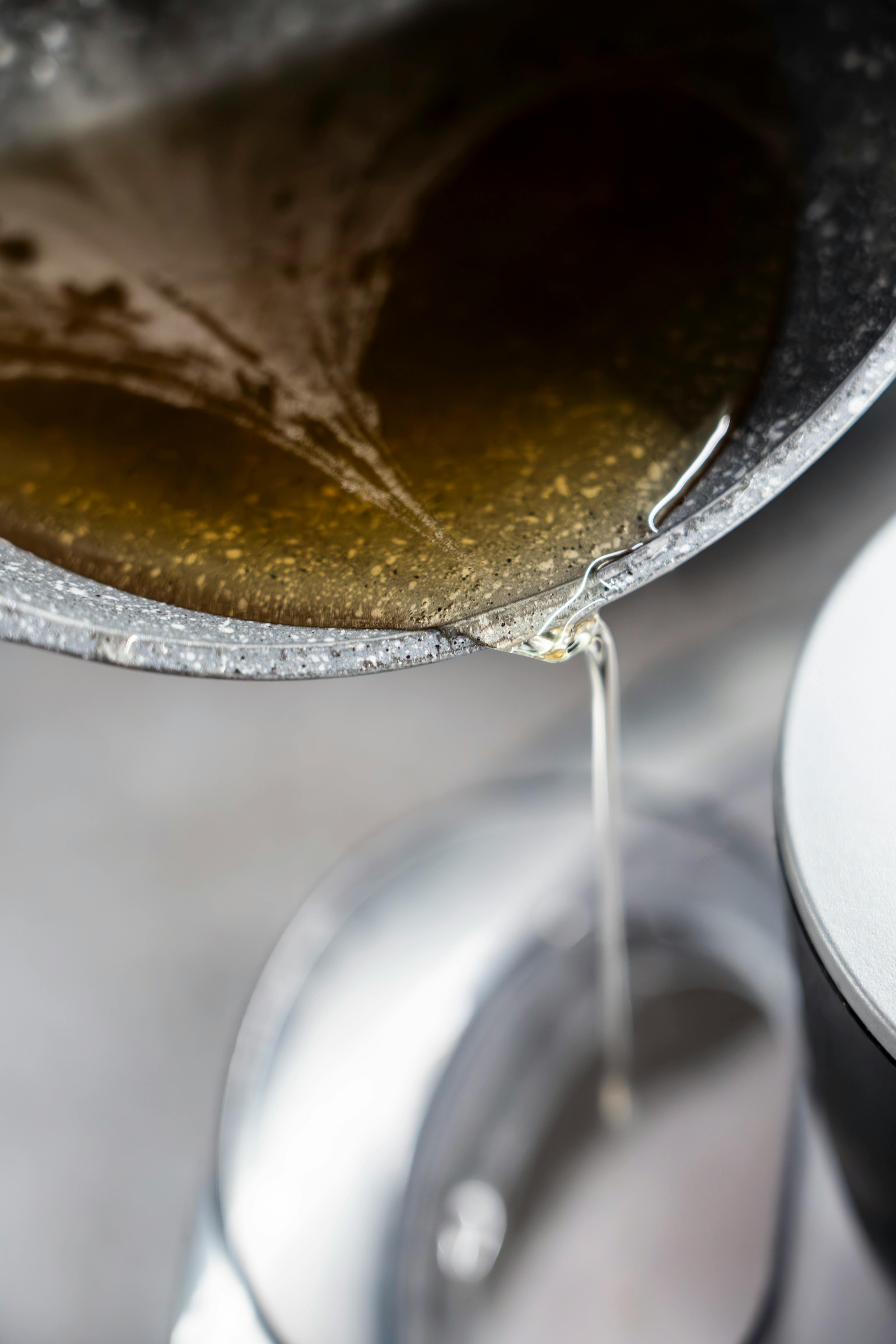
If you know you won’t finish a carton within a few days, freezing is your best move. Broth freezes well and keeps its usefulness for soups, sauces, grains, and quick weeknight meals long after the fridge window has closed.
Transfer it to a freezer-safe container first, because the original carton may not hold up well once frozen and expanded. Leave a little room at the top, then label it with the date so you’re not playing freezer roulette later.
For best quality, try to use frozen broth within a few months. It may last longer, but flavor is usually at its best before too much time passes.
Storage habits make a bigger difference than you think

Where you store broth after opening matters more than many people realize. Tucking it in the fridge door might seem convenient, but that spot warms up every time the door opens, which can speed up quality loss.
A colder shelf inside the main body of the refrigerator is a better choice. It also helps to close the carton tightly, use clean utensils when transferring broth, and avoid letting it sit on the counter while dinner comes together.
In other words, broth shelf life isn’t just about dates. Everyday kitchen habits can quietly shorten or stretch the time you have before that carton is no longer worth keeping.
