
What Eating on a Budget Really Looks Like for the Middle Class in 2026
In 2026, eating on a budget doesn’t always mean clipping coupons and living on noodles. For many middle-class households, it looks more like a constant balancing act between convenience, nutrition, family preferences, and prices that still feel a step ahead of paychecks. This gallery takes a realistic look at the quiet compromises, smart habits, and new routines shaping dinner tables right now.
The cart is smaller, but the bill still stings
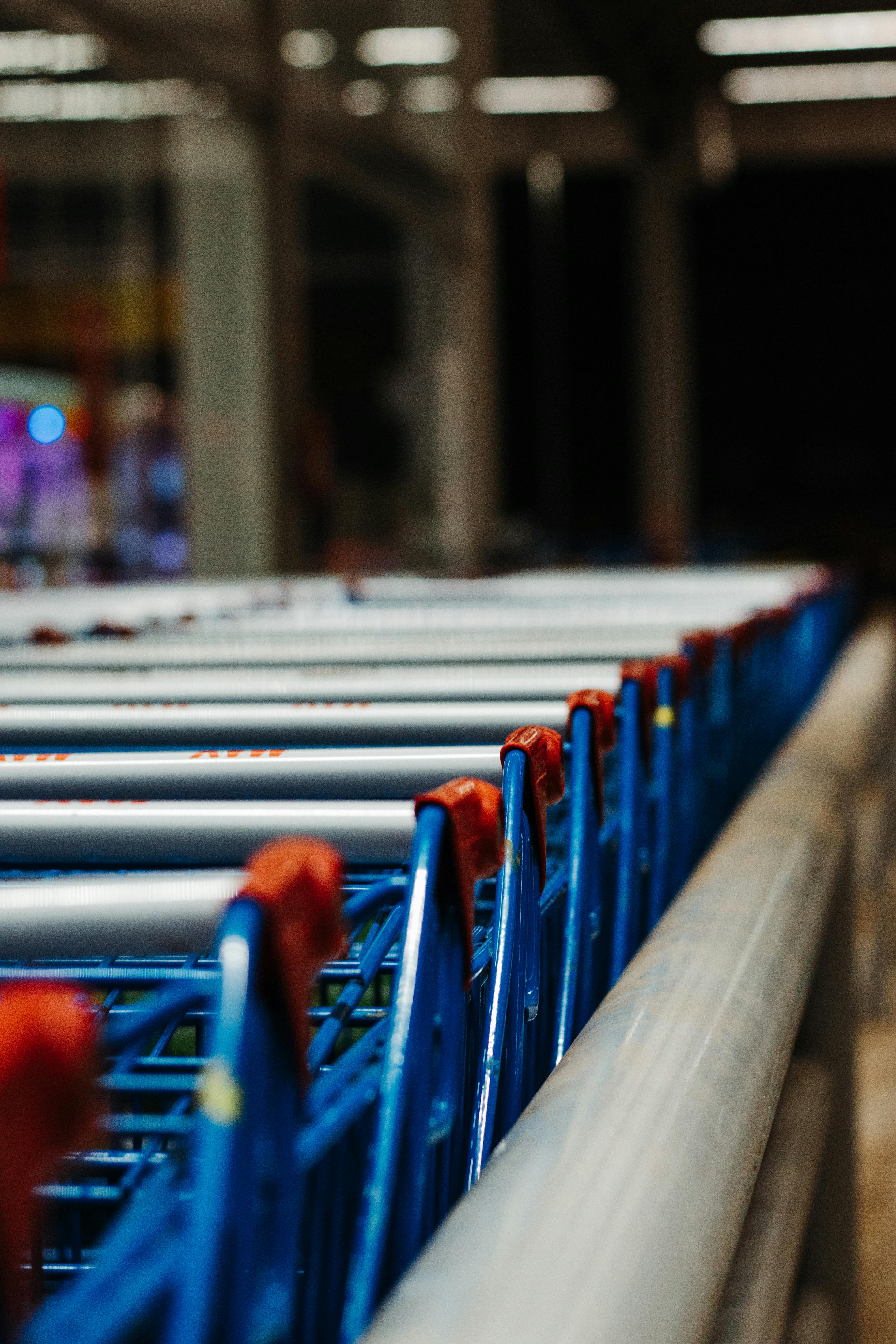
One of the defining food realities of 2026 is that grocery carts often look lighter than they used to, even when totals climb fast. Middle-class shoppers are buying fewer impulse items, fewer name brands, and less meat, but checkout still feels like a small shock nearly every week.
That has changed how people shop. More households are splitting trips between warehouse clubs, discount grocers, and regular supermarkets, chasing deals across town instead of trusting one store. It’s not glamorous, but stretching the food budget now often means turning grocery shopping into a strategy game.
Meal planning is less about wellness and more about waste
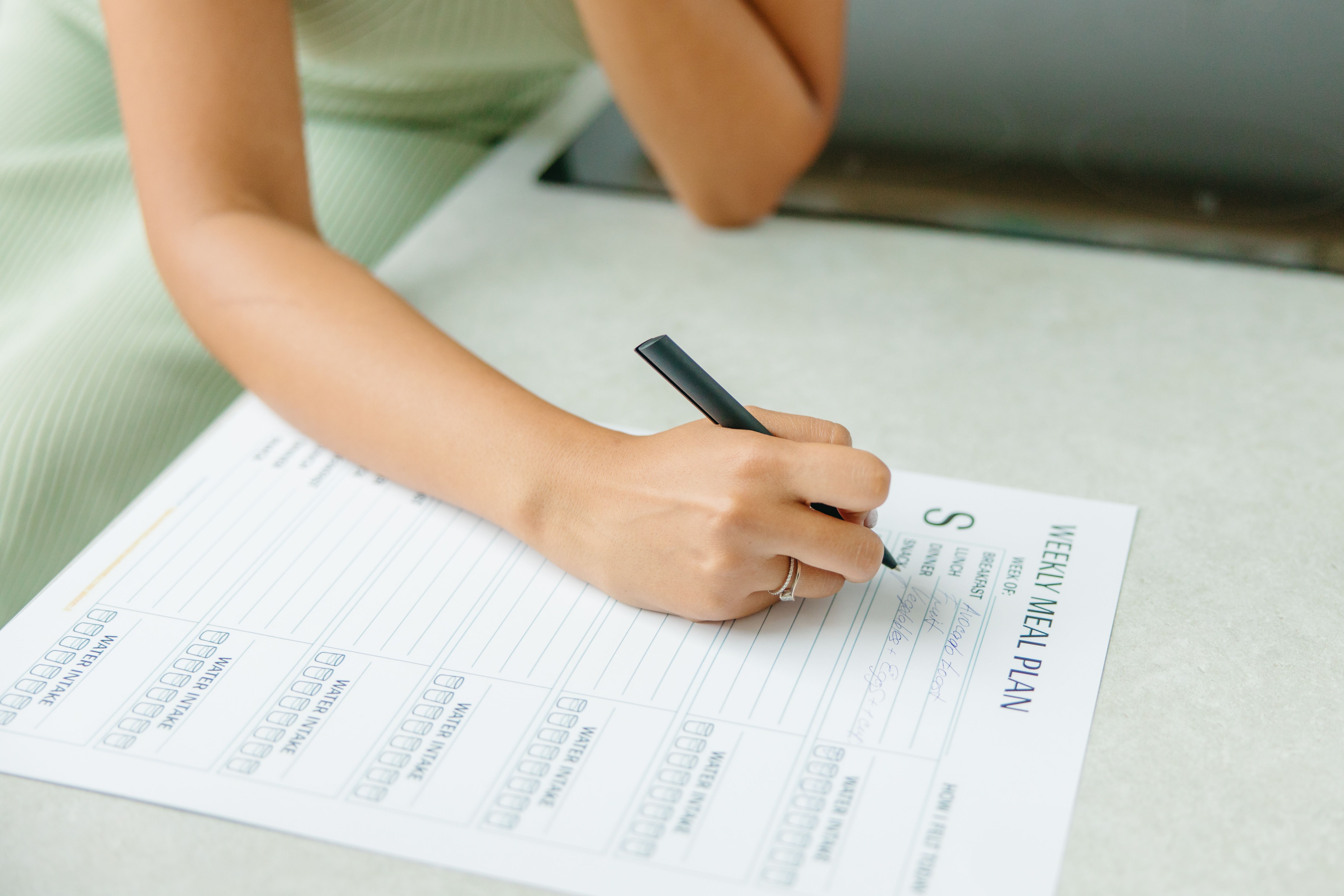
For a lot of families, meal planning in 2026 is no longer an aspirational Sunday ritual with pretty containers and color-coded menus. It’s a practical response to the fact that throwing out 1 bag of spinach, half a rotisserie chicken, or leftover rice feels like tossing actual money in the trash.
So dinners are built around overlap. Chicken becomes tacos, then soup. Rice shows up twice. Vegetables are chosen because they can survive a few extra days in the fridge. Budget eating has become less about perfect nutrition ideals and more about making sure every ingredient gets used before payday.
Protein is still the hardest part of the budget
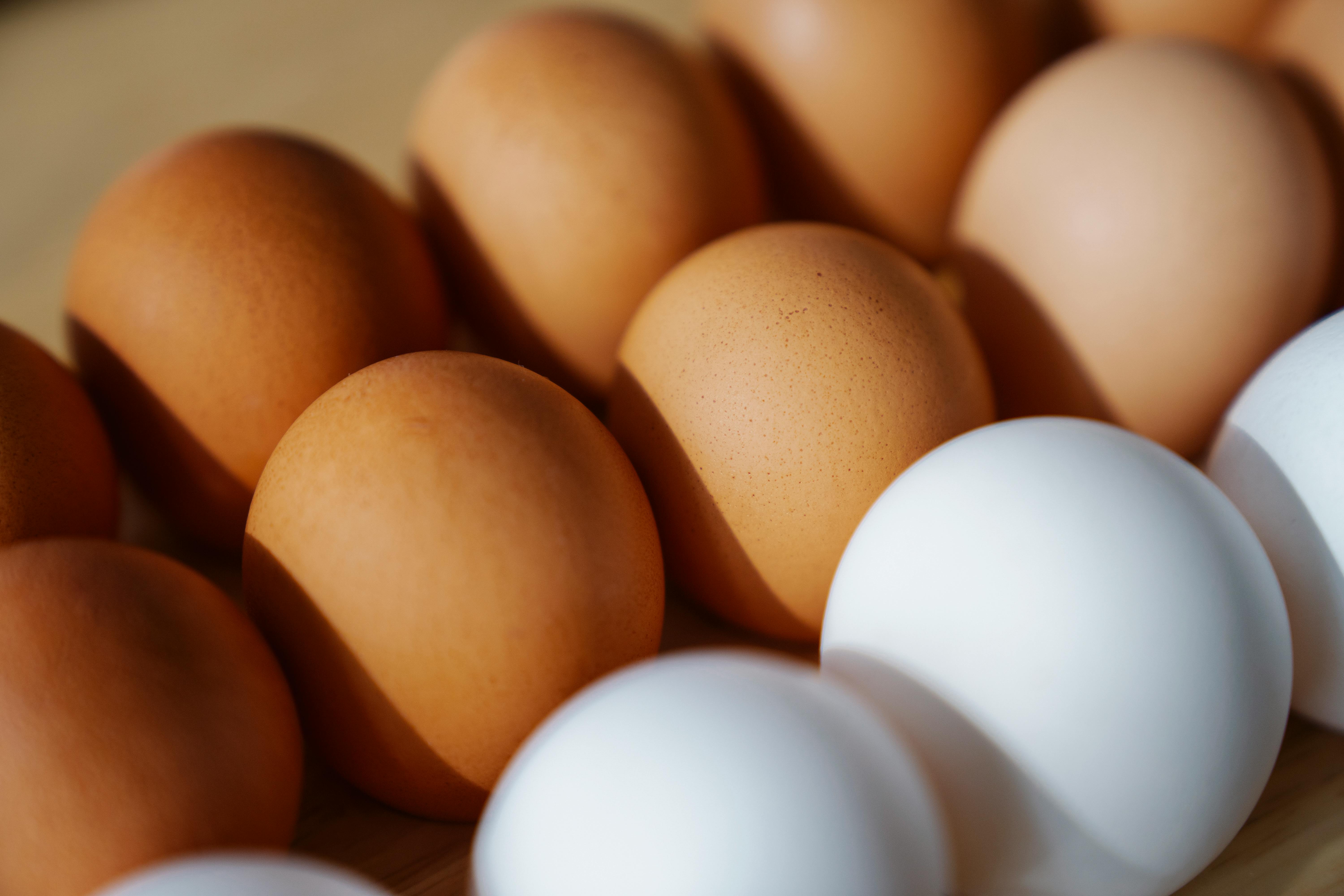
Middle-class shoppers can usually make pasta, potatoes, oats, and frozen vegetables work. Protein is where the math gets tricky. In 2026, many households are buying less beef, stretching ground turkey, relying more on eggs when prices cooperate, and treating chicken breasts like something to portion carefully, not casually.
That doesn’t mean everyone is eating badly. It means beans, lentils, yogurt, canned tuna, peanut butter, and bulk chicken thighs are doing a lot of heavy lifting. The modern budget plate often looks balanced enough, but it’s built with substitutions that are financial first and culinary second.
Takeout hasn’t disappeared, but it has been demoted
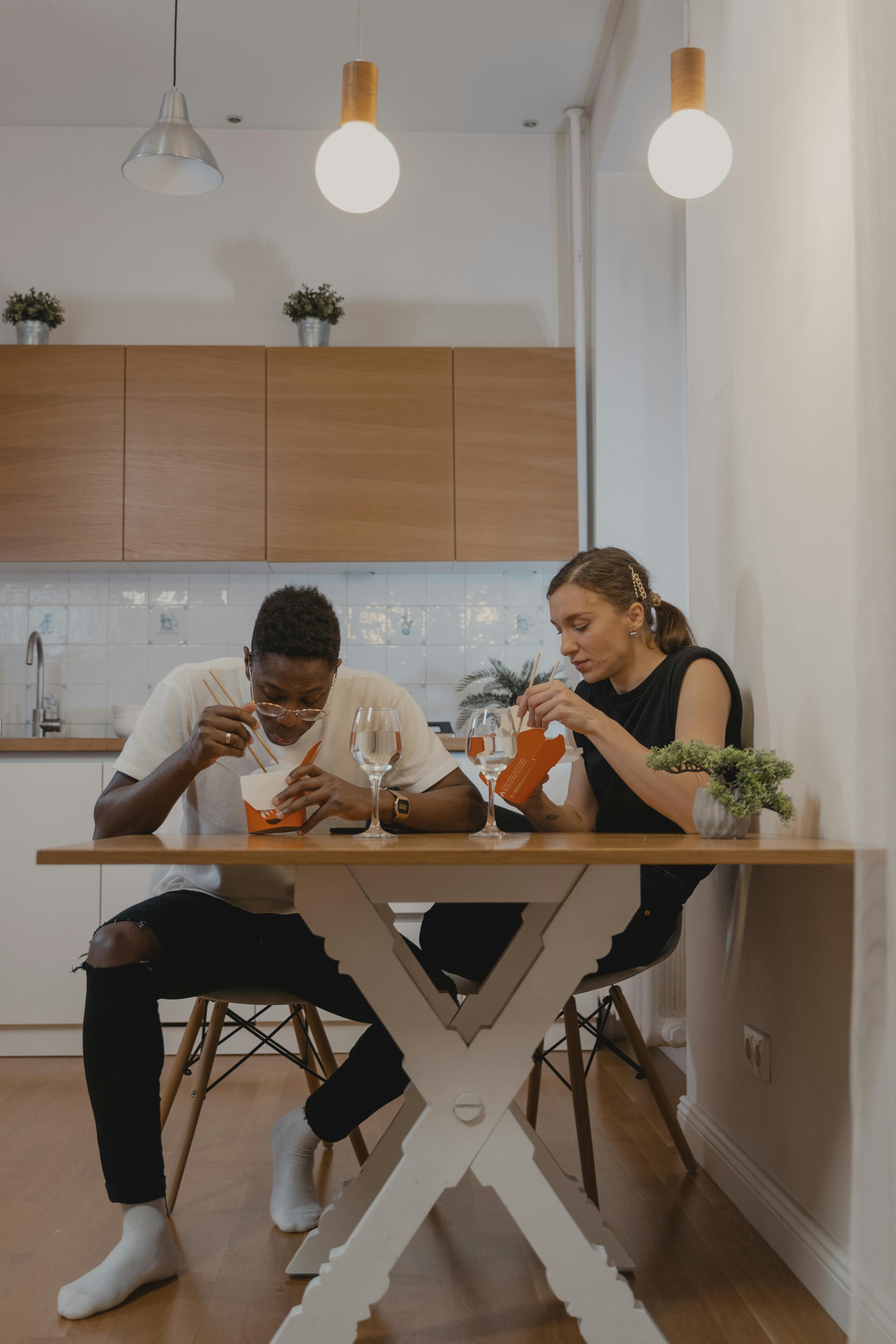
Even budget-conscious households haven’t sworn off takeout in 2026. What has changed is the role it plays. Instead of a casual midweek habit, it’s more likely to be a carefully timed treat, a Friday reset, or a backup plan when schedules collapse and everyone is too tired to cook.
People are ordering differently too. There’s more pickup, fewer drinks, fewer add-ons, and more meals chosen because they leave leftovers for tomorrow’s lunch. Middle-class budget eating isn’t always about saying no to convenience. It’s about making convenience work harder for the money.
The goal is normalcy, not frugality theater

What budget eating really looks like for the middle class in 2026 is often surprisingly ordinary. Store-brand cereal sits next to one favorite snack the kids still insist on. Packed lunches happen most days, but there’s still coffee out sometimes. People are cutting back, just not always in ways that announce themselves.
That’s the key difference. This isn’t extreme couponing or survival-mode scarcity for most households. It’s a quieter form of financial pressure, where families try to keep meals feeling familiar, healthy enough, and emotionally normal while making dozens of tiny decisions to stay on track each month.
