
I Talked to a Private Chef: These 10 Food Habits Separate “Old Money” From “New Money”
In the world of high-end catering, the 2026 “Quiet Luxury” movement has moved from the closet to the kitchen. Private chefs who staff the world’s most exclusive zip codes are revealing that the way a client interacts with food is the ultimate “tell” of their financial lineage.
While “New Money” often treats dining as a performative event designed for digital consumption, “Old Money” approaches the table with a set of inherited, often minimalist scripts. Here are 10 food habits that private chefs say separate the generations of wealth.
The “Empty Fridge” Philosophy
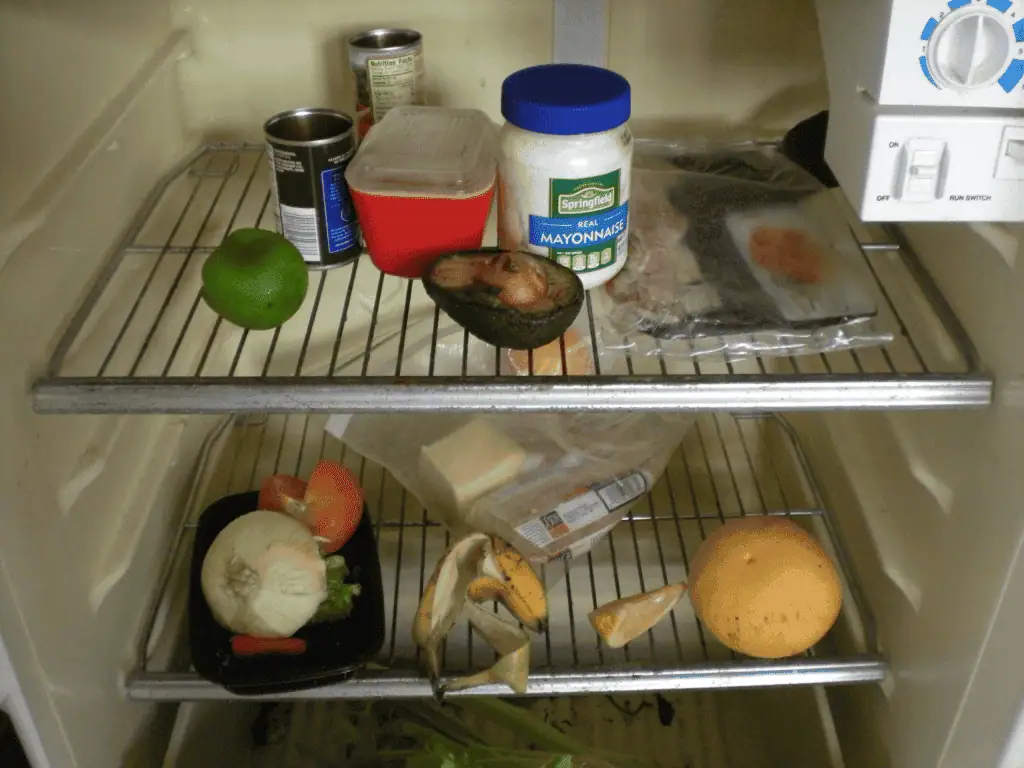
A hallmark of “Old Money” is a shockingly uninspiring refrigerator. Private chefs note that heritage families rarely stock “snacky bits” or exotic pre-packaged goods in bright plastic. Instead, their larders are filled with raw, fresh ingredients, a “bloody chicken carcass” or a single jar of high-quality mustard ready to be prepared from scratch.
In contrast, “New Money” kitchens often feature a cornucopia of imported delicacies and “viral” food finds. The “Old Money” fridge reflects a mindset where food is a utility to be managed by staff, not a collection of trophies to be grazed upon at midnight.
Real Butter vs. “Lab” Spreads

According to 2026 interviews with veteran billionaire chefs, the ultra-wealthy never bought into the margarine or “heart-healthy” spread trends. They have a deep-seated distrust of foods “created in a lab” and insist on high-quality, grass-fed European butter.
This preference for “real food” extends to sugar and fats. While middle-class and “New Money” households might stock agave nectar or artificial sweeteners, the established elite prefer small amounts of the real thing: honey, maple syrup, or cane sugar over processed chemical substitutes.
The “No Snacking” Social Rule

In many “Old Money” households, snacking is viewed with visceral disgust, often described by private chefs as a “punishable offense” of gluttony. There is a strict adherence to set mealtimes, where the body is expected to fast between lunch and dinner.
This habit aligns with the 2026 medical focus on gut health and insulin control, but for the elite, it is more about self-restraint. Whining about hunger is usually met with a brisk offer of a single piece of fruit, maintaining a culture of “non-U” (non-upper-class) discipline.
“Posh” Fish Fingers and Humble Staples
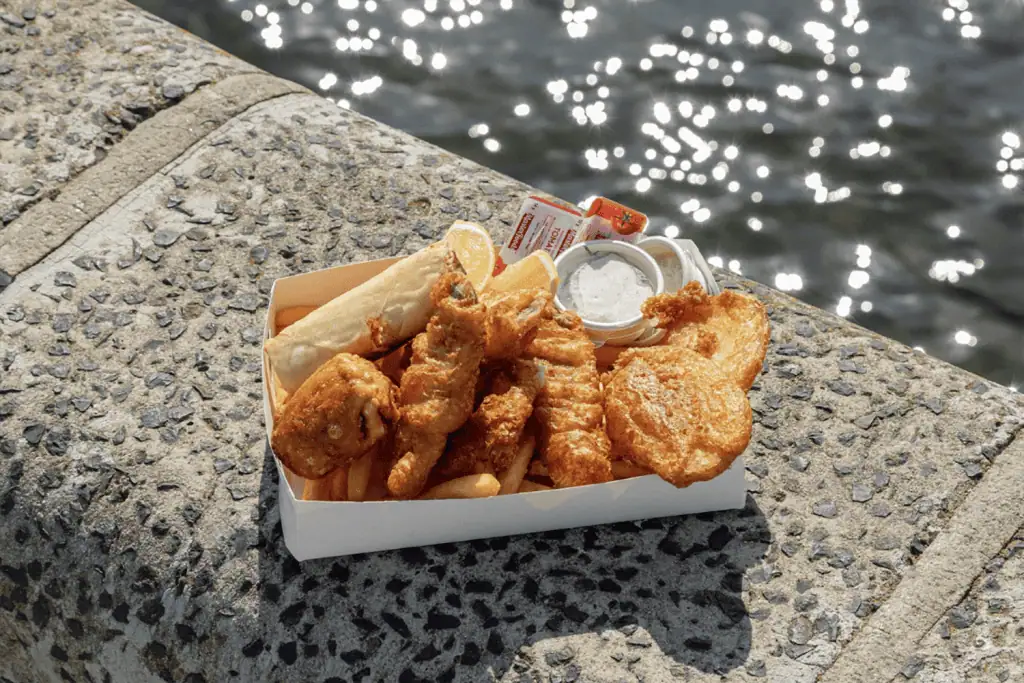
The most seasoned chefs report that the truly “posh” often prefer surprisingly humble meals. The late Queen Elizabeth famously requested “goujons of plaice” essentially high-end fish fingers while other aristocrats live on shepherd’s pie or Monday night “fridge-raid” risottos.
“New Money” tends to equate price with quality, frequently requesting wagyu beef or caviar for standard Tuesday dinners. The “Old Money” set finds comfort in straightforward home cooking, viewing “fussy” or overly complicated dishes as a sign of trying too hard.
The Seasonal “Life and Death” Cycle

For heritage families, the arrival of a specific seasonal ingredient is treated with religious fervor. The start of the asparagus or wild garlic season is greeted “like the birth of a child,” and its end is mourned just as deeply.
While “New Money” expects strawberries and tomatoes to be available year-round regardless of the carbon footprint, “Old Money” dining is tethered to the local land. This 2026 trend toward “hyper-seasonal” eating is actually an age-old tradition for those whose wealth is tied to ancestral estates.
Rejection of “Health” Marketing
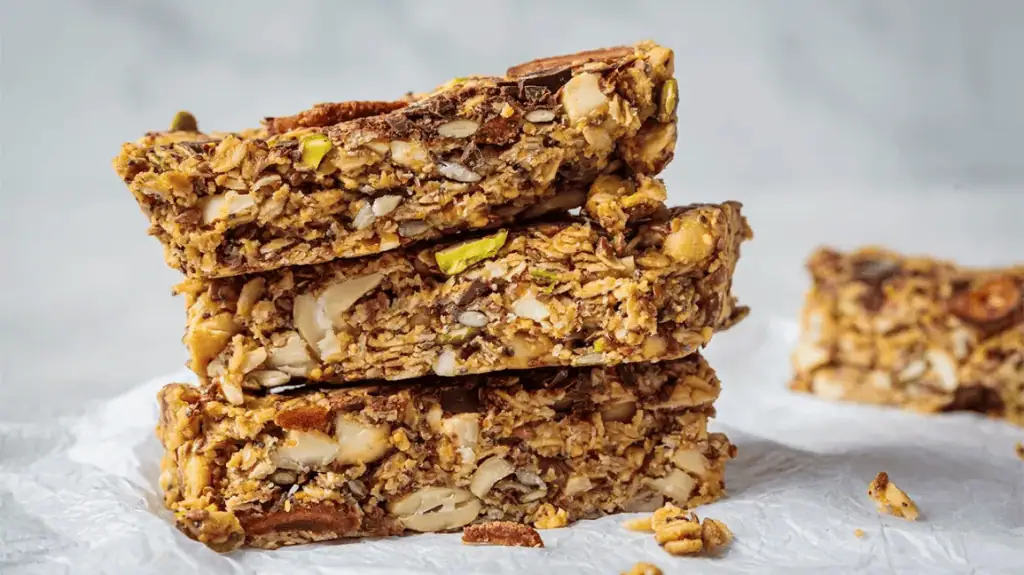
Private chefs for the 1% note that they are rarely asked to stock protein bars, meal replacement shakes, or anything labeled “diet.” These products are viewed as “processed junk food with good marketing” by the ultra-wealthy.
“New Money” professionals often live on Quest bars and Muscle Milk between meetings. The established elite, however, view these as “candy bars pretending to be healthy” and would rather have one real, full-fat sugar cookie than a box of sugar-free alternatives.
The “No-Phone” Table Policy
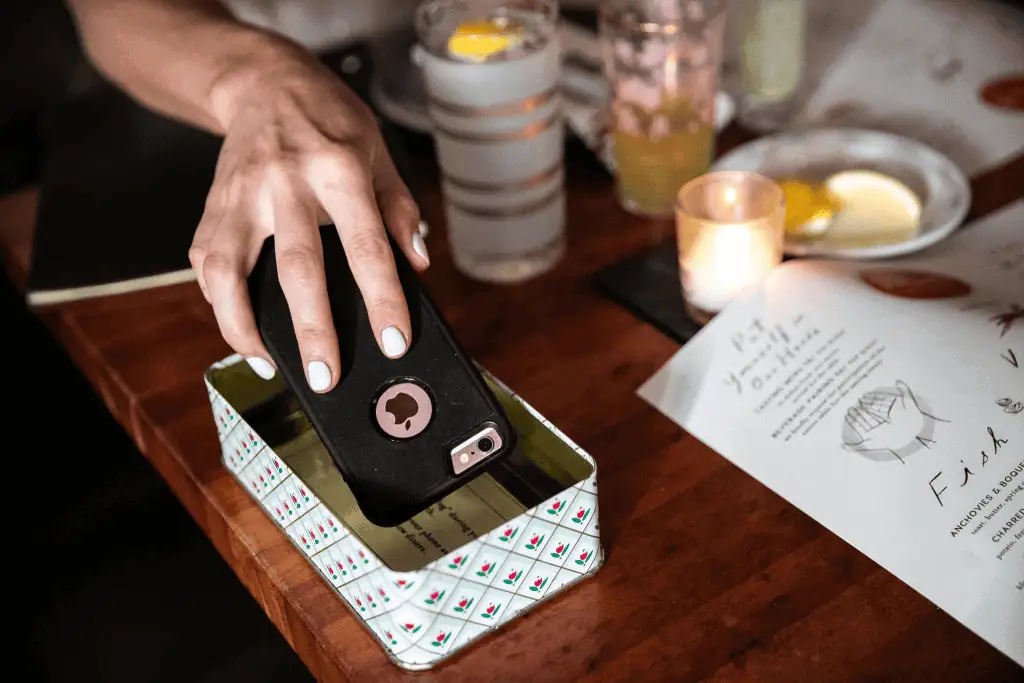
In “New Money” households, the arrival of a perfectly plated dish is often met with a five-minute photoshoot for Instagram. In “Old Money” dining rooms, bringing a phone to the table is a major social breach equivalent to showing up in flip-flops.
The meal is about connection and network-building, not digital “clout.” This focus on privacy means that some of the most spectacular meals in the world are never seen by the public, as the host views “boasting” about a $2M deal or a $500 truffle as inherently “gauche.”
Respect for “Ugly” Produce
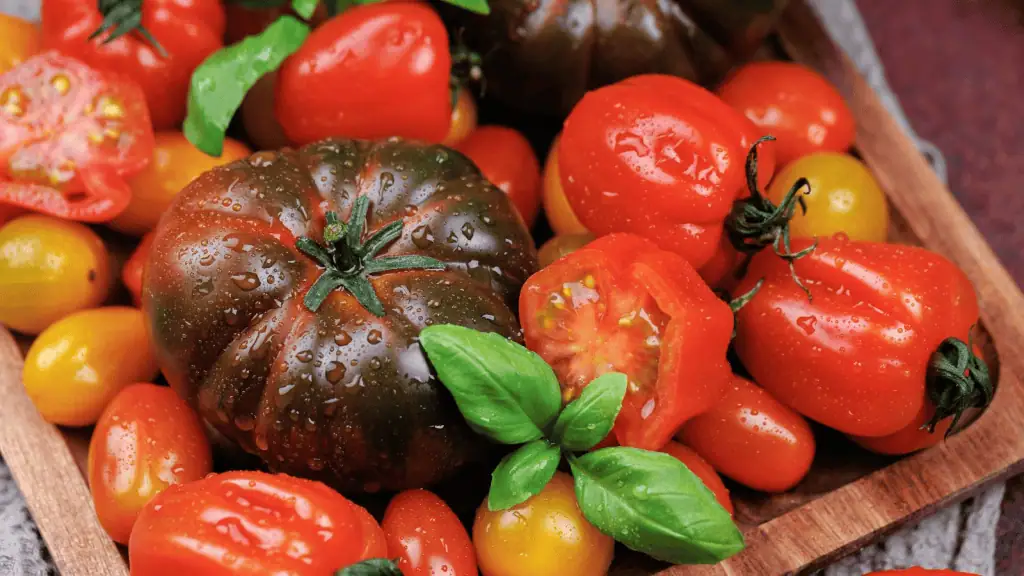
“New Money” often demands aesthetically perfect, “supermarket-ready” produce. “Old Money” families, especially those with their own gardens, have a deep appreciation for “ugly” vegetables the gnarly heirloom tomato or the dirt-covered carrot.
They understand that flavor often resides in the “imperfect” organic specimens. This 2026 shift toward “homesteading luxury” has heritage families investing in their own chicken coops and orchards, finding more status in an egg from their own backyard than a carton of “premium” store-bought ones.
The “Quiet” Kitchen Layout

The physical kitchen of “New Money” is often a “show kitchen” with professional-grade appliances that are rarely used by the owner. The “Old Money” kitchen is often tucked away, designed for the chef’s efficiency rather than as a centerpiece for house tours.
In these heritage homes, the kitchen remains a place of work, not a social gallery. The focus is on the output of the kitchen, the quality of the roast chicken, rather than the brand name on the $20,000 oven.
Decades of “Seasoned” Tools
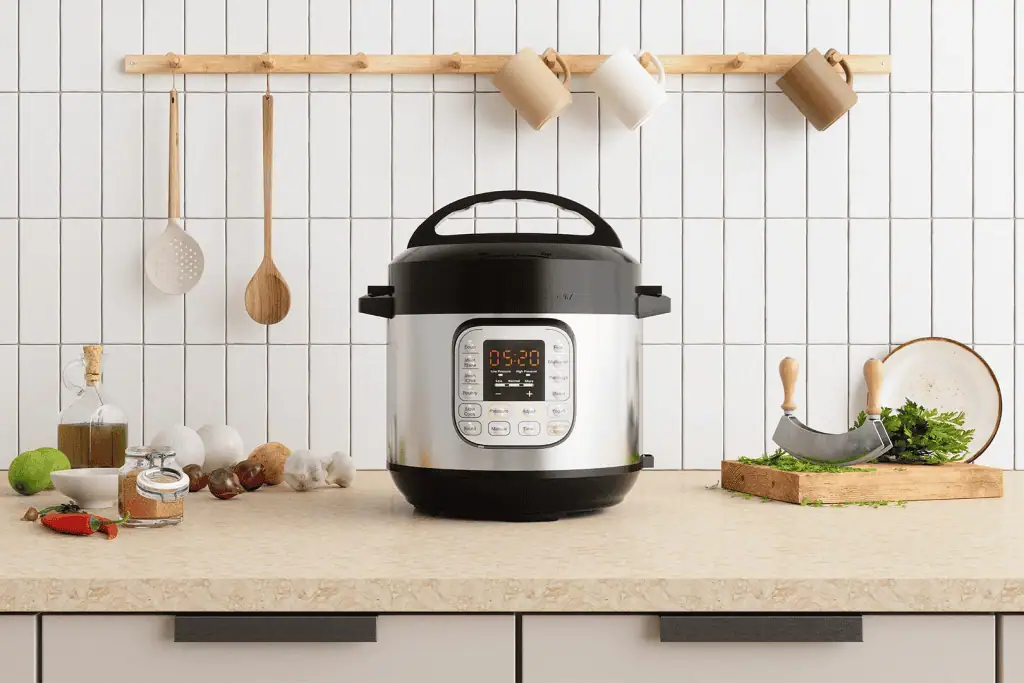
Finally, private chefs notice a difference in the tools themselves. “New Money” kitchens are filled with the latest gadgets and sparkling new copper sets. “Old Money” kitchens are often stocked with heavy cast iron and carbon steel pans that haven’t been replaced since 1987.
These tools carry a “patina” of decades of cooking, reflecting a sustainable lifestyle where things are repaired and maintained rather than replaced. For the ultra-wealthy, a well-seasoned pan is a sign of a “well-lived” home, far more valuable than a shiny, new set of “trendy” cookware.
