
Texas Just Banned Candy and Soda From SNAP: Here Are 5 Things You Need to Know
Texas has enacted a ban prohibiting the purchase of candy and soda through the Supplemental Nutrition Assistance Program (SNAP). This decision marks a significant shift in the state’s approach to public health and nutrition support. Understanding the implications is crucial for recipients and stakeholders as they navigate these new regulations.
Understanding Texas’s SNAP Ban

The ban specifically targets items deemed nutritionally inadequate, focusing on removing sugary products from SNAP eligibility. This move reflects Texas’s commitment to fostering healthier eating habits among beneficiaries.
By cutting out these high-calorie, low-nutrient choices, the state aims to reduce health risks associated with poor dietary options.
State Leaders Justify the Ban

Texas officials argue that restricting candy and soda from SNAP purchases will encourage healthier eating patterns. The rationale lies in improving public health outcomes and reducing long-term healthcare costs.
By reallocating SNAP resources to more nutritious food options, state leaders believe they can positively influence dietary decisions.
Affected Items and Eligible Alternatives

Items like candy bars, sugary sodas, and similar products are now prohibited. However, beneficiaries can still purchase a variety of nutritious foods.
SNAP users are encouraged to explore alternatives like fresh fruits, vegetables, lean meats, and whole grains—options that support a balanced diet and contribute to better health outcomes.
Impact on Millions of SNAP Users
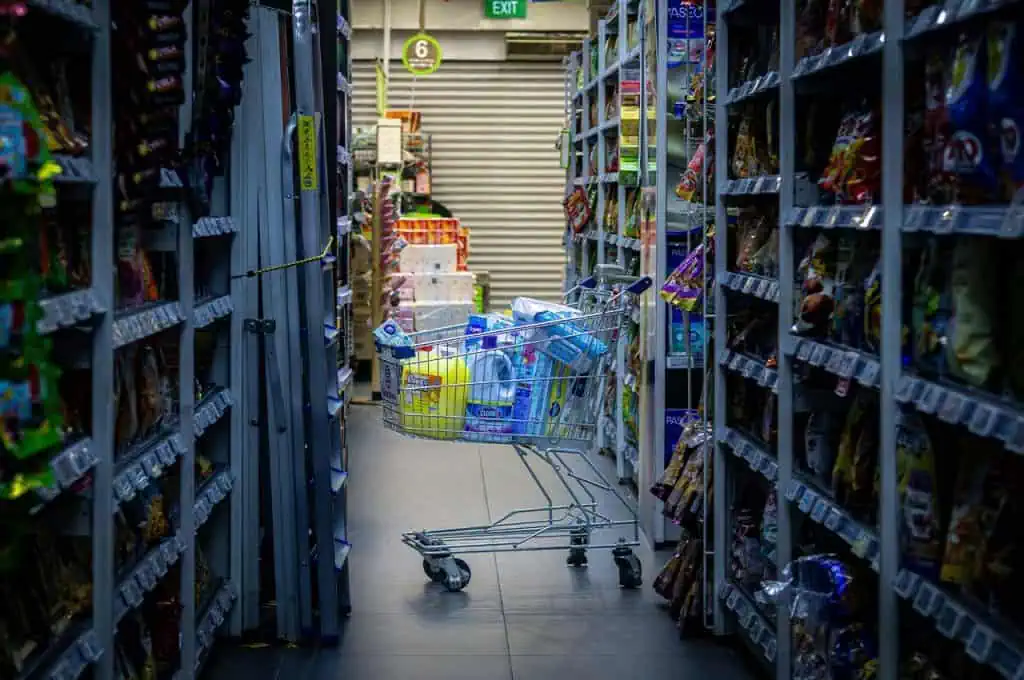
The ban affects millions of Texans relying on SNAP, necessitating adjustments in shopping habits.
While the restrictions limit access to certain convenience foods, they also present an opportunity to incorporate healthier options into everyday diets. Recipients must adapt and seek new recipes or grocery lists that align with the revised guidelines.
Potential Ripple Effect Across States

The decision by Texas to restrict candy and soda from SNAP benefits might inspire other states to consider similar policies. If neighboring states notice positive impacts, such as improved public health or reduced healthcare costs associated with diet-related illnesses, they may follow suit.
However, this shift could also incite debates on personal freedom and the role of government in dietary choices. It’s crucial for local governments to weigh the benefits against the potential backlash from both recipients and advocacy groups that support food autonomy.
