
9 Regional Dishes That Never Taste the Same When Made at Home
The “X-factor” of regional cooking often boils down to factors beyond a simple recipe card. Local water chemistry, industrial-grade equipment, and decades of “seasoned” surfaces create flavors that are nearly impossible to replicate in a standard kitchen.
As home cooks strive for professional results, the realization often hits that environment is an ingredient itself. Here are nine regional dishes that experts say will never taste quite the same at home as they do at the source.
New York Style Pizza
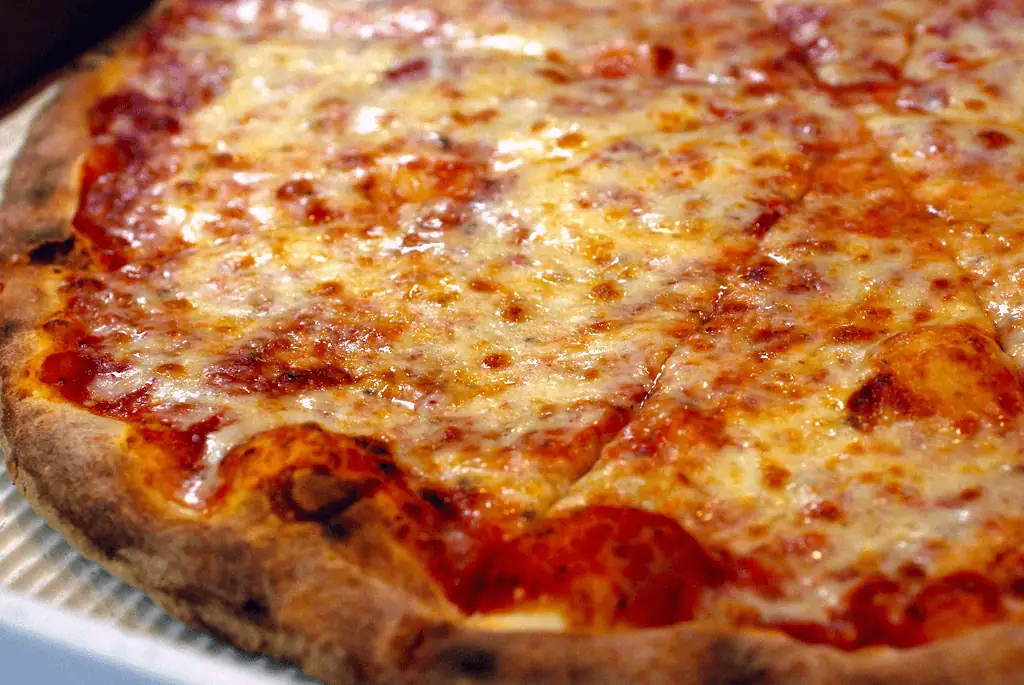
The secret to the perfect NYC slice isn’t just the dough toss; it is the “soft” water from the local Catskill and Delaware watersheds. This water has a specific mineral balance that interacts uniquely with flour gluten to create that famous “chew.”
In your home kitchen, unless you have a filtration system that mimics the New York profile, the dough’s elasticity will always feel slightly off. Furthermore, residential ovens cannot hold the consistent, stone-held heat of a professional deck oven that has been seasoned by years of use.
Authentic Pad Thai
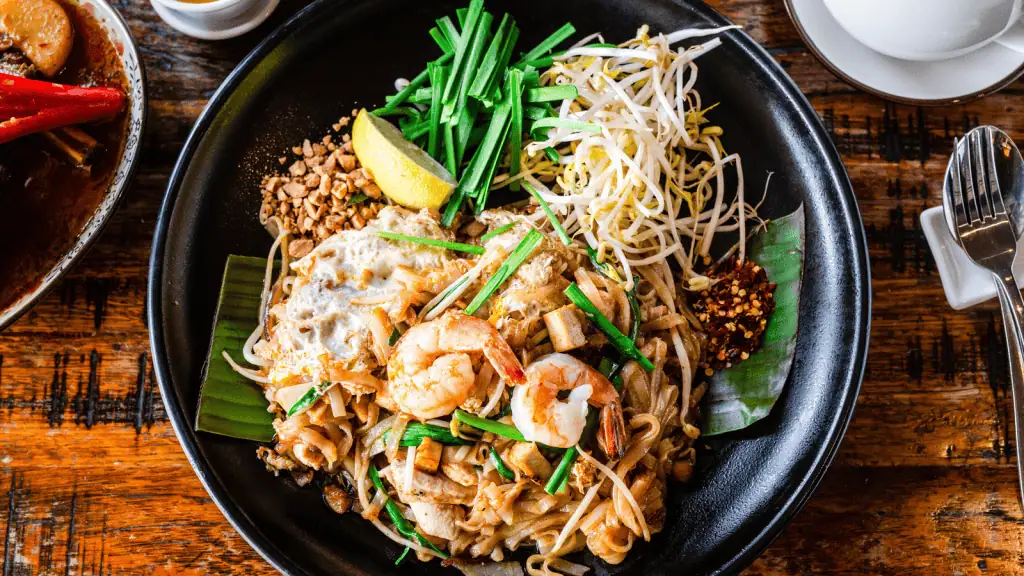
At home, Pad Thai often turns out soggy or lacks that signature smoky depth known as “Wok Hei” (Breath of the Wok). Professional Thai kitchens use high-pressure burners that produce flames far hotter than any residential range can manage.
This intense heat flash-caramelizes the sugars in the tamarind sauce while searing the noodles without turning them into mush. Without that specific carbonization from a seasoned carbon-steel wok, the home version lacks the complex, charred aroma of the street-side original.
Philadelphia Cheesesteak
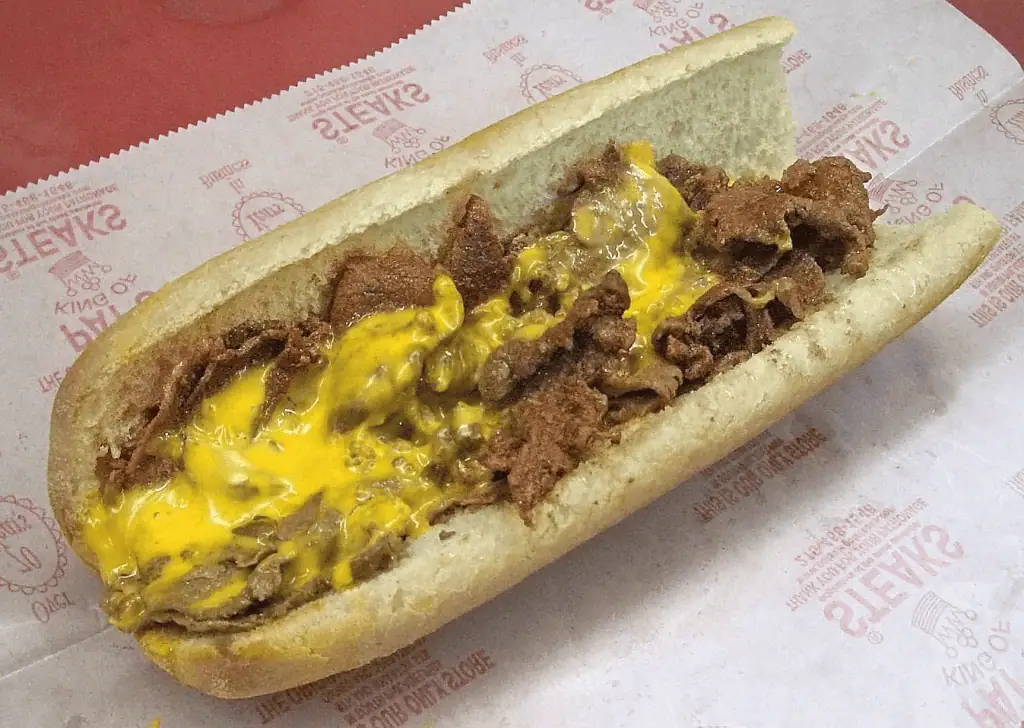
A real Philly cheesesteak lives or dies by the bread, specifically the Amoroso’s roll. These rolls have a distinct texture soft enough to absorb ribeye fat and cheese, but sturdy enough not to disintegrate.
Attempting this at home with a standard supermarket hoagie roll usually results in a sandwich that is either too crusty or too flimsy. Additionally, a home skillet cannot replicate the flavor of a flat-top grill that has been cooking hundreds of pounds of beef daily.
Texas Smoked Brisket
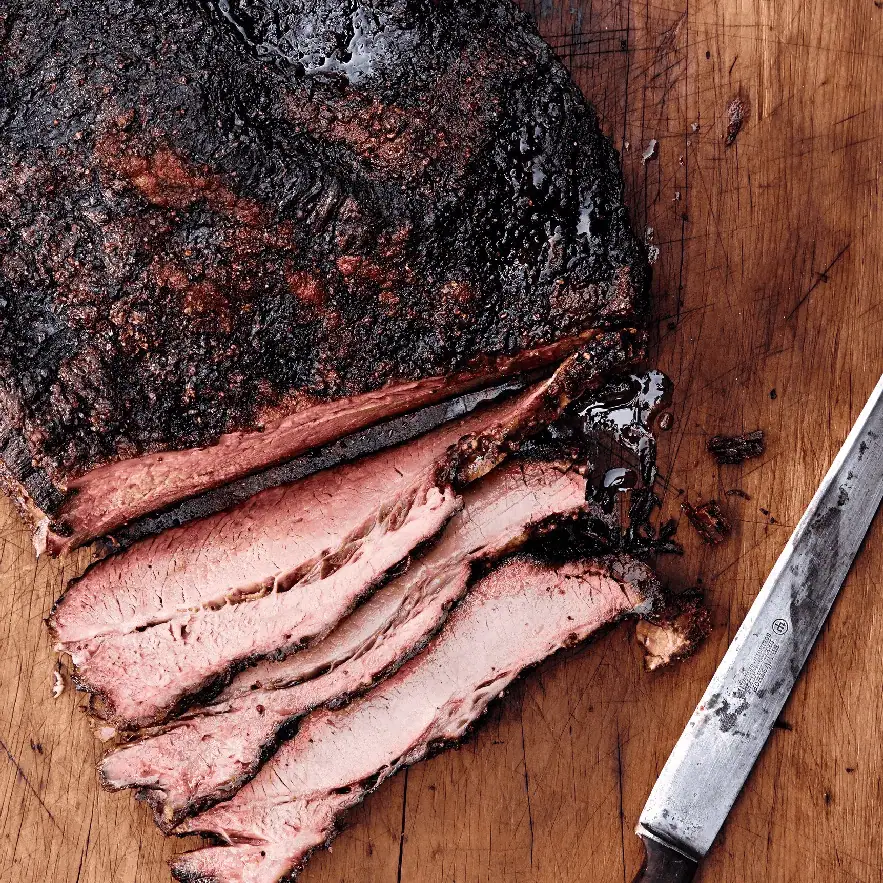
The difference between “good” home BBQ and Texas-legend status is the offset smoker. Professional pits move a massive volume of oak-wood smoke over the meat at a consistent, low velocity that backyard grills struggle to emulate.
This process creates a “bark” (the dark, seasoned crust) and a deep smoke ring that is chemically difficult to achieve without a large-scale firebox. The specific “terroir” of Post Oak wood used in Central Texas also adds a non-bitter smoke profile that is hard to ship.
Montreal Style Bagels
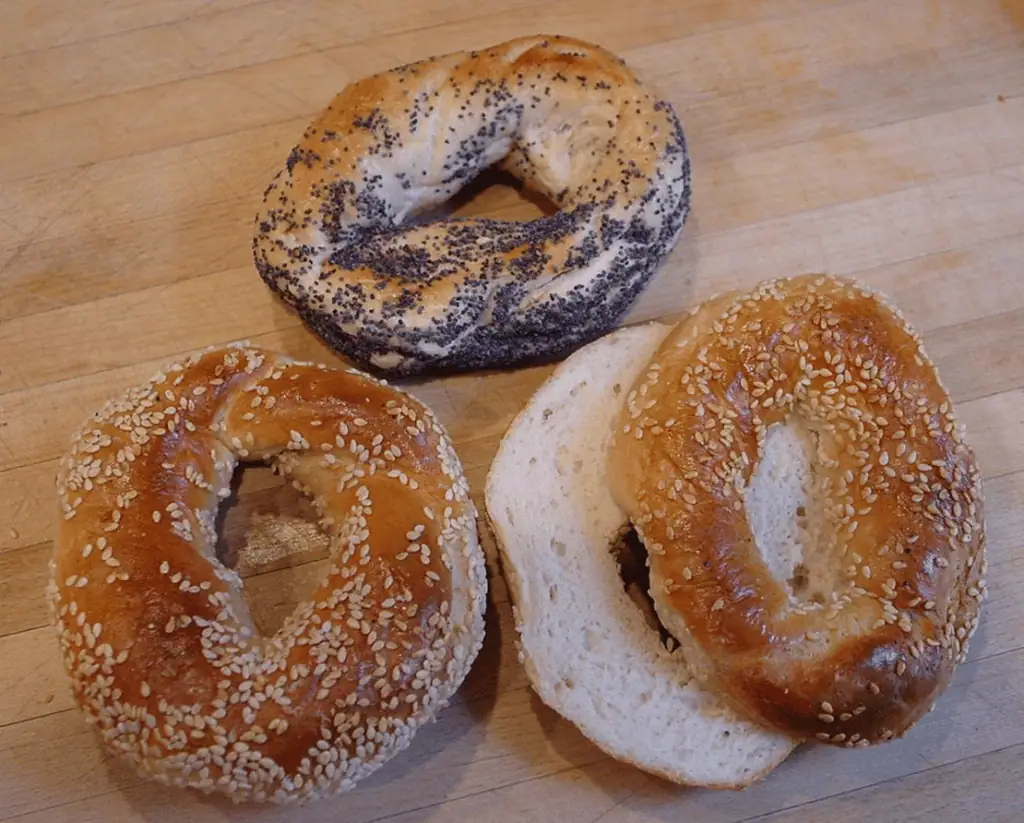
Montreal bagels are thinner and sweeter than New York versions because they are boiled in honey-sweetened water. However, the real barrier to home replication is the traditional wood-fired masonry oven.
These ovens create “hot spots” and a dry, intense heat that gives the bagels a charred, uneven finish. The wood smoke also infuses the sesame seeds during the bake, adding a layer of flavor that is impossible to mimic in a modern electric kitchen.
Neapolitan Pizza (Naples)
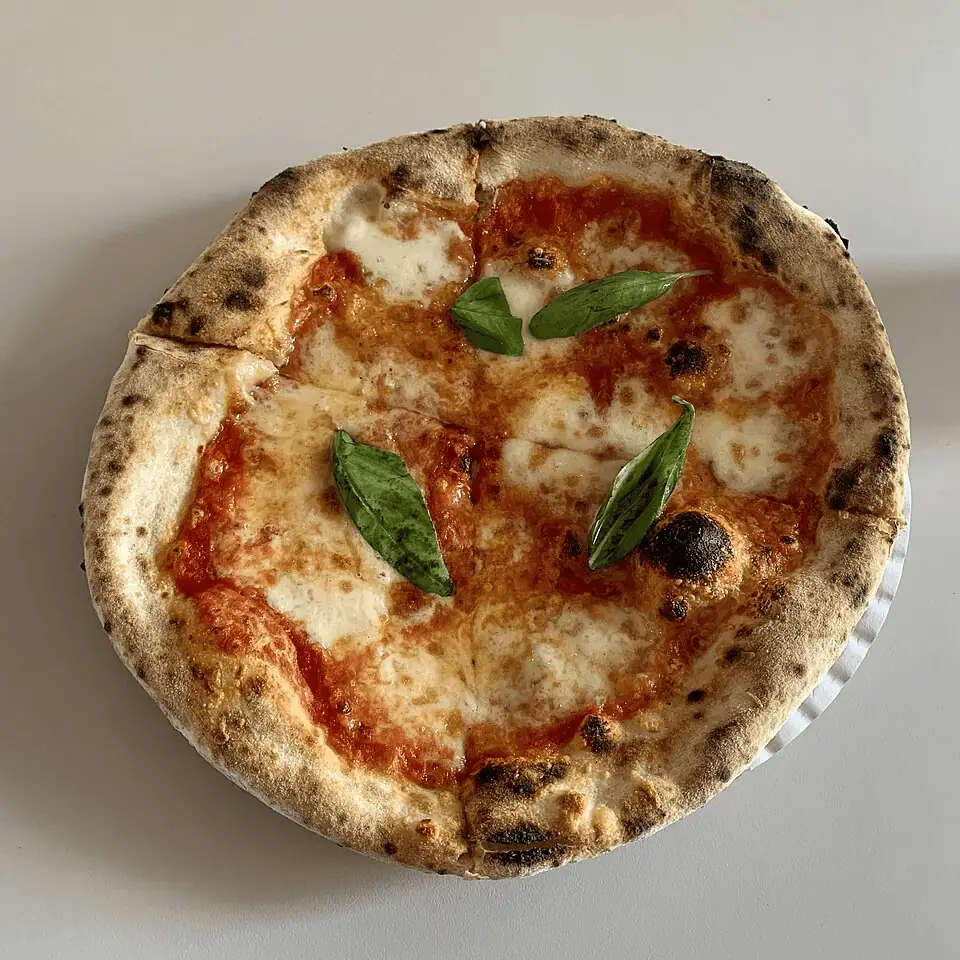
A true Neapolitan pizza must cook in 60 to 90 seconds at a temperature of roughly 900°F. Most home ovens max out at 550°F, which results in a bake time that essentially “bakes” the dough into a cracker.
To get the “leopard spotting” seen in Naples, you need radiant heat nearly twice as strong as what a residential broiler can produce. Even with a baking steel, the lack of a dome-shaped oven to circulate that heat means the balance is never perfect.
New Orleans Gumbo
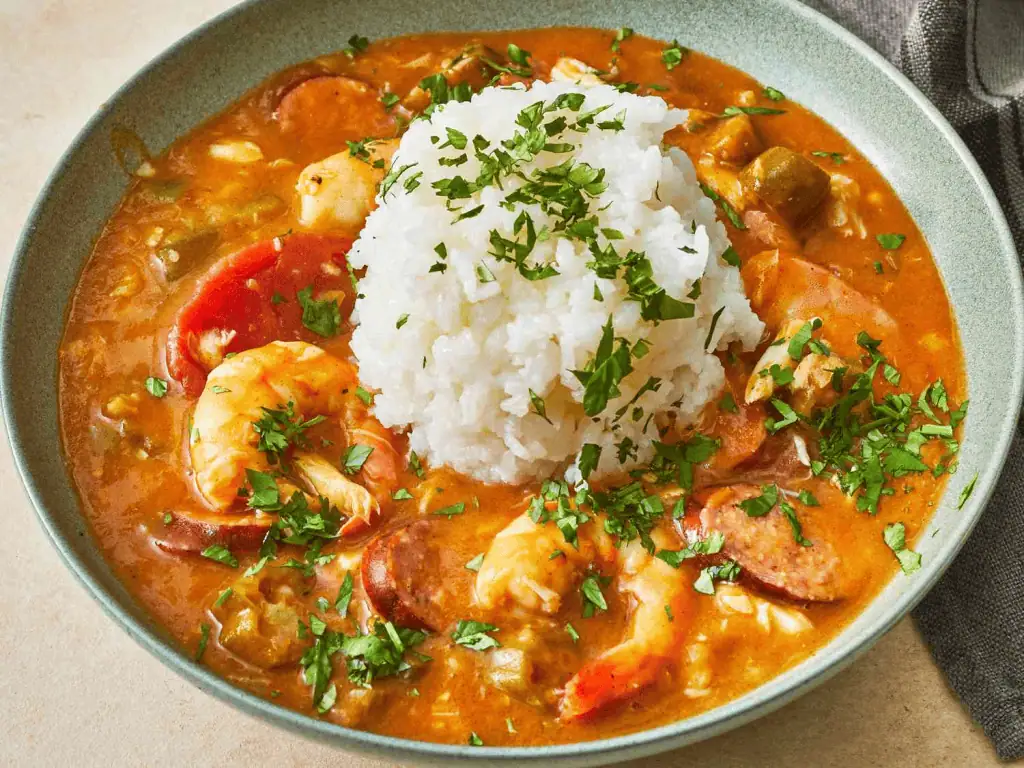
While you can follow an authentic recipe, the “Dark Roux” is a test of patience that often fails at home. In New Orleans, these rouxs are made in massive batches in heavy cast-iron pots that hold heat with extreme stability.
Home cooks often pull the roux too early or allow the temperature to spike, leading to bitter “black specks” of burnt flour. Achieving that deep, chocolate-colored base while maintaining a silky texture requires a level of temperature control that is difficult to master.
Tonkotsu Ramen Broth
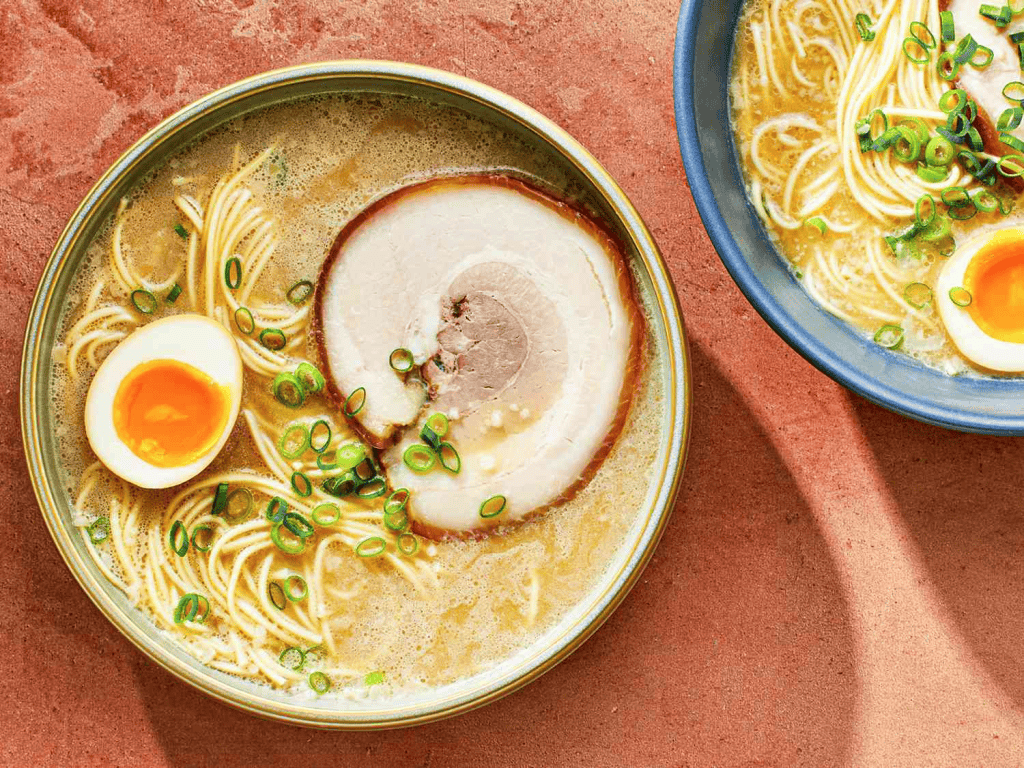
The milky consistency of a “Hakata-style” Tonkotsu broth comes from a 24-hour rolling boil of pork marrow bones. This process emulsifies the fats and collagen into the water, creating a rich, opaque soup.
Most home cooks find it impractical to keep a stove running for a full day, and a slow-cooker doesn’t provide the “agitation” needed to emulsify the fat. Without that high-energy boil, the broth remains thin and clear, lacking the “stick-to-your-lips” richness.
Chicago Deep Dish Pizza
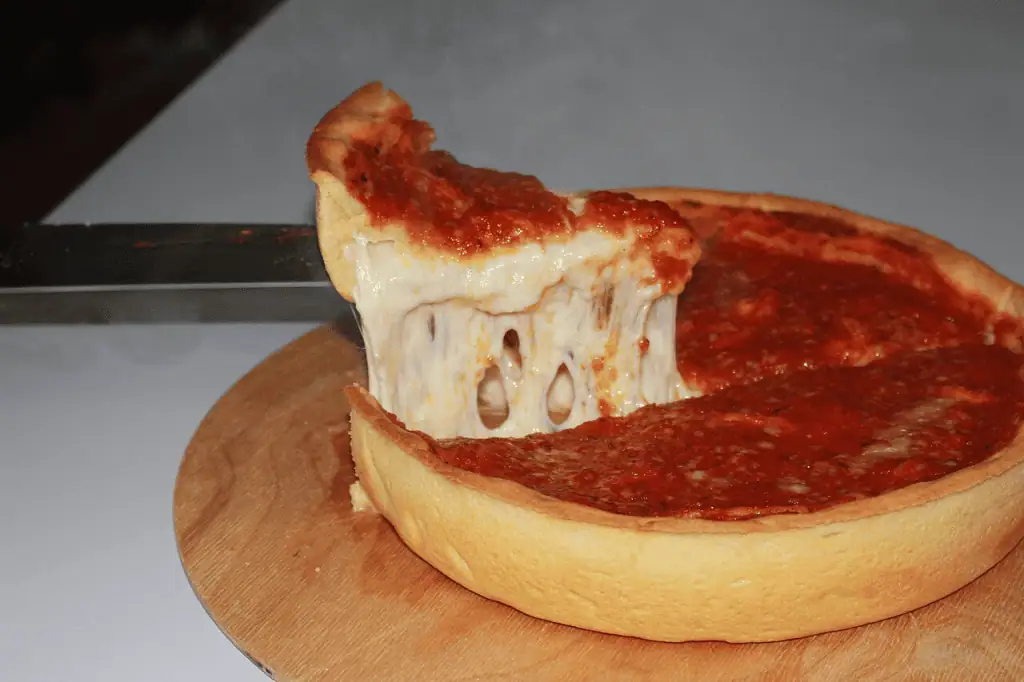
Replicating a Lou Malnati’s or Gino’s East pie is difficult because of the seasoned deep-dish pans. These heavy-duty steel pans are rarely washed with soap, allowing a layer of oil and carbon to build up over thousands of bakes.
This “patina” creates a fried, buttery texture on the bottom of the crust that a brand-new pan simply cannot produce. Furthermore, the volume of high-moisture mozzarella used commercially is specifically balanced against industrial heat to prevent a “soggy middle.”
