
If you want to be a Pro Chef, these are the 5 Cookbooks You Should Already Have on Your Shelf By Now
Becoming a professional chef is less about memorizing a single dish and more about understanding the “why” behind every sear, emulsification, and seasoning choice. In 2026, the culinary world has moved toward a “technical-first” approach, where home cooks and aspiring pros alike are expected to grasp the chemistry of food.
While thousands of cookbooks are released every year, a few select titles have remained the gold standard for anyone serious about wearing a white jacket. If you are looking to elevate your skills from “hobbyist” to “professional,” these are the five essential pillars that should anchor your collection.
On Food and Cooking by Harold McGee
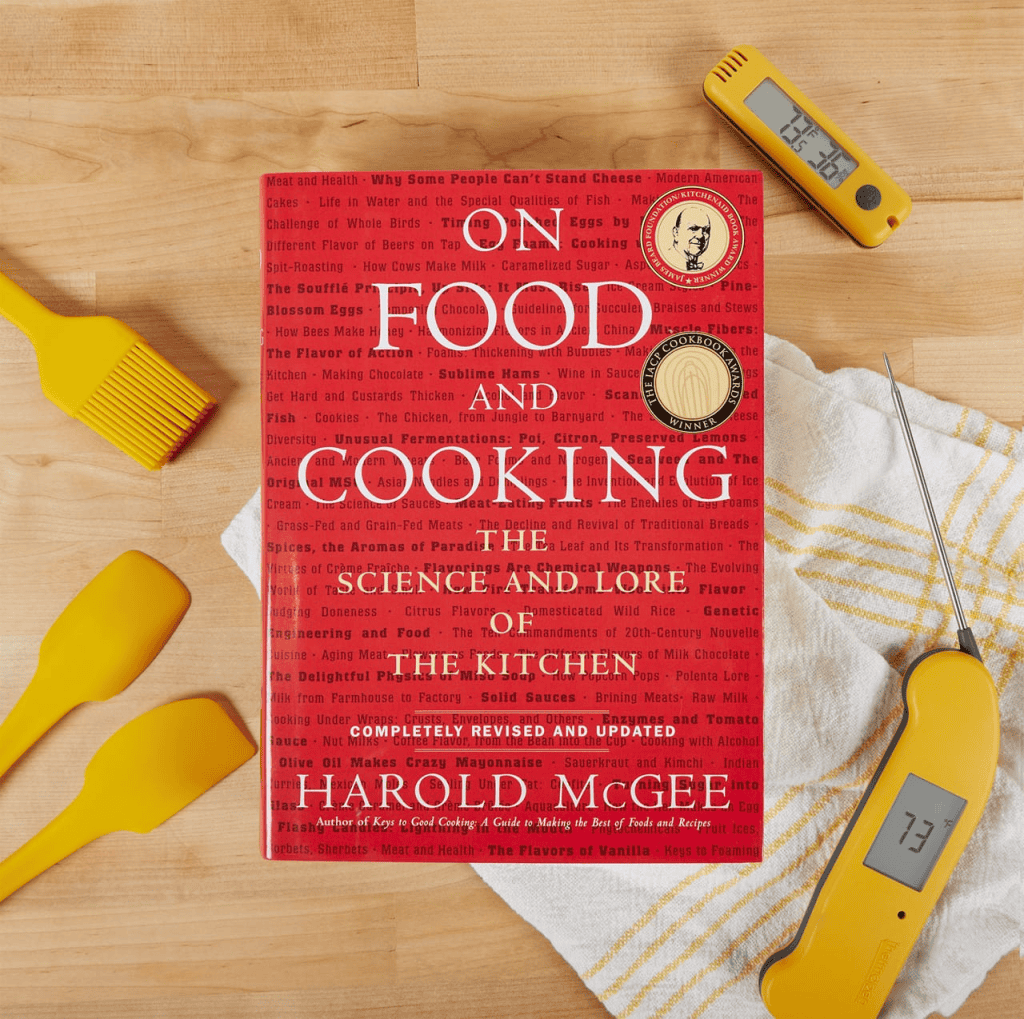
Often called the “Chef’s Bible,” Harold McGee’s masterpiece is the ultimate deep dive into the science of the kitchen. Instead of providing step-by-step recipes, McGee explains the molecular transformation of ingredients, from why an egg coagulates to how heat affects different muscle fibers.
In 2026, as molecular gastronomy and “clean-label” cooking dominate the industry, having a firm grasp of food chemistry is non-negotiable. This book provides the scientific vocabulary needed to troubleshoot a failing sauce or innovate a completely new technique, making it mandatory for any student of the craft.
The Flavor Bible by Page and Dornenberg
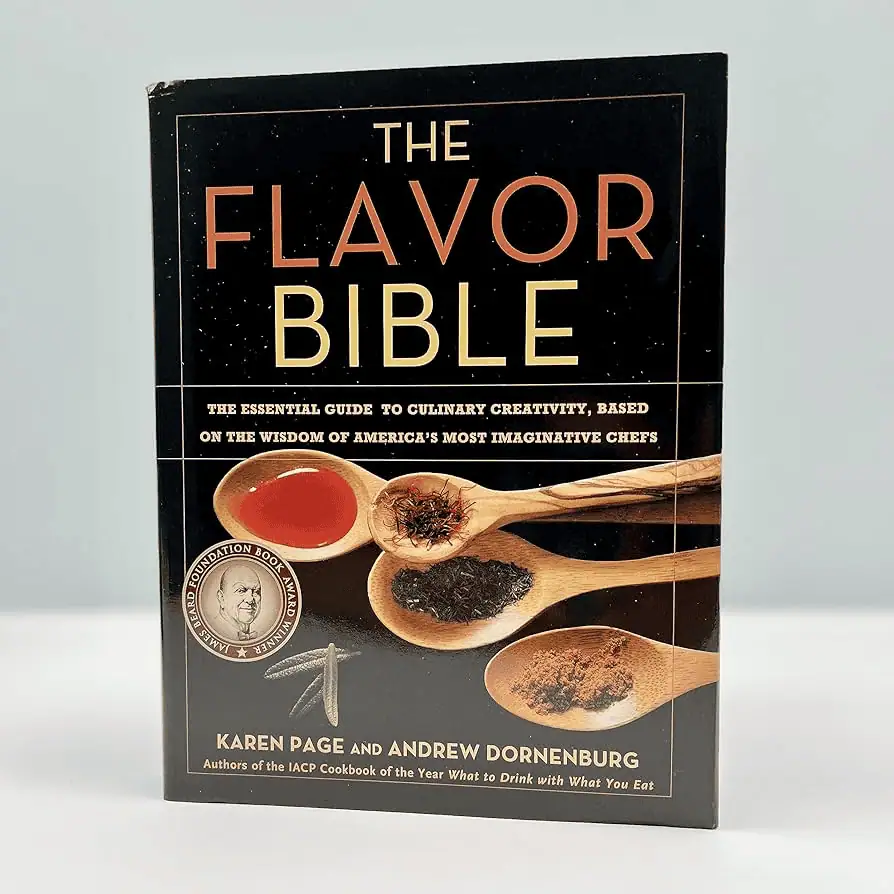
If McGee teaches you how to cook, The Flavor Bible teaches you how to create. This isn’t a traditional cookbook; it is a massive cross-referenced encyclopedia of flavor pairings based on the wisdom of America’s most imaginative chefs. Want to know what goes best with black currants or sea urchin?
This book provides lists of “compatible” ingredients, allowing you to develop original recipes without the guesswork. In a 2026 culinary market that prizes “fusion” and “bold botanical notes,” this guide is an essential tool for menu planning and understanding the balance of sweet, salty, and sour.
Salt, Fat, Acid, Heat by Samin Nosrat
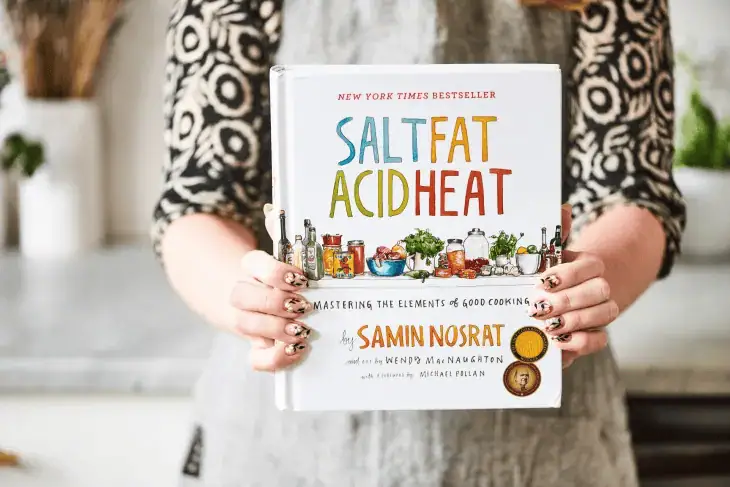
Samin Nosrat revolutionized culinary education by boiling down the complexities of professional cooking into four core elements. This book is the missing link for many aspiring chefs, teaching the “intuition” that usually takes years to develop in a high-pressure kitchen.
By mastering salt (to enhance), fat (to carry flavor), acid (to balance), and heat (to transform), you can cook virtually anything without a recipe. In 2026, its emphasis on “layering acid” remains a cornerstone of modern kitchen training, helping you achieve a level of finesse that distinguishes a pro from an amateur.
The Professional Chef (CIA) 10th Edition
For the technical “how-to” of every classical method, the Culinary Institute of America’s The Professional Chef is the definitive textbook. The 10th Edition, released in 2024, remains the 2026 standard for learning the “brigade system” and standardized commercial ratios.
It covers everything from butchery and mirepoix to advanced plating and food safety protocols required in a licensed establishment. While other books focus on inspiration, this one focuses on the manual labor and precision of the trade. It is the closest thing to a full culinary school education you can fit between two covers.
Larousse Gastronomique
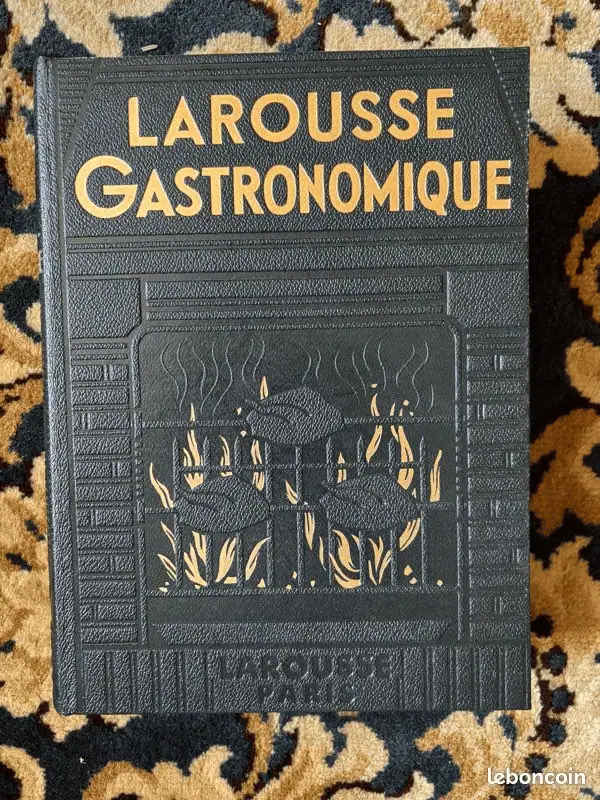
No professional library is complete without the world’s most famous culinary encyclopedia. Larousse Gastronomique is a comprehensive record of classical French techniques, historical food origins, and thousands of fundamental recipes. While the industry has become more global in 2026, the foundations of the modern professional kitchen are still built on the French terminology found in these pages.
It serves as an indispensable reference tool for understanding “mother sauces,” classical cuts, and the historical evolution of the global food scene. Having this on your shelf signals a deep respect for culinary history.
