
10 Popular Fast Food Items That Quietly Shrunk Over the Years
The landscape of quick-service dining in 2026 is defined by a delicate balance between rising operational costs and consumer price sensitivity. While many brands are launching “Better Burger” initiatives or protein-boosted menus to justify premium costs, others are quietly trimming the physical dimensions of their most popular items. This phenomenon, often dubbed “shrinkflation,” allows companies to offset the high price of raw materials like beef, poultry, and dairy without scaring away budget-conscious families. By analyzing these ten iconic items, we can see exactly how the industry is evolving to provide “less for more” in the modern economy.
The Shrinking Quarter Pounder
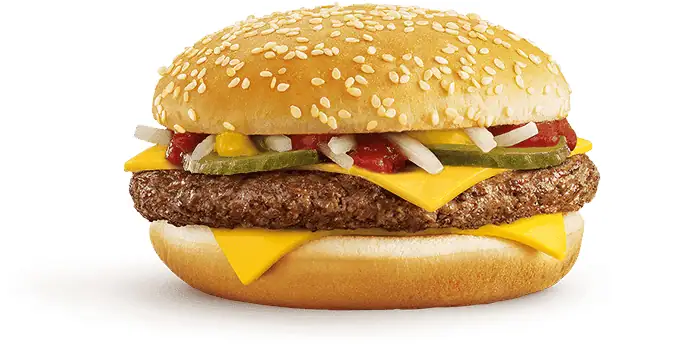
The McDonald’s Quarter Pounder with Cheese remains a focal point for diners who notice a decrease in the burger’s overall size. While the pre-cooked weight of the beef officially remains four ounces, customers in 2026 often notice that the modern bun and patty appear smaller than in years past. The density of the meat has shifted, often leaving a noticeable gap between the edge of the patty and the bun.
This change allows the brand to save significantly on bulk shipping and packaging materials. For many fans, the visual of the burger inside its box no longer matches the “heavyweight” image it once projected.
The Subway Filling Shift
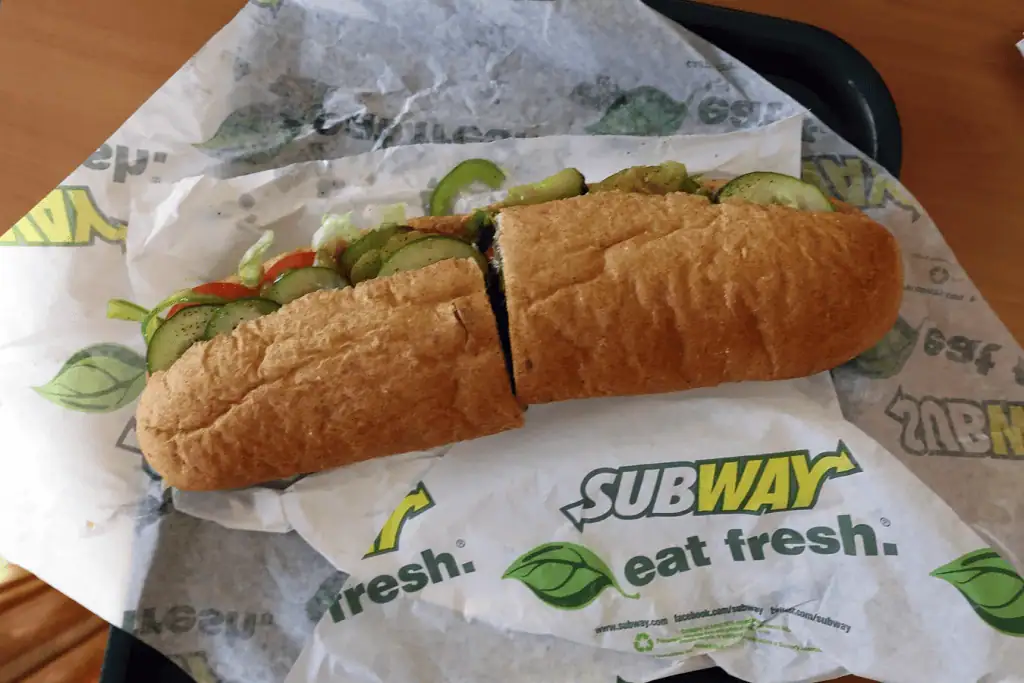
At Subway, the controversy surrounding the “Footlong” has evolved into a debate over the volume of the internal proteins rather than the length of the bread. In 2026, loyal shoppers have noted that the number of meat slices and the weight of the cheese have become thinner. While the bread dimensions remain consistent to protect the brand’s naming rights, the “fill ratio” has skewed heavily toward the cheaper carbohydrate components.
This strategy allows the chain to manage the high price of deli meats while maintaining their famous value-driven marketing. Many diners feel they are paying for a loaf of bread with only a hint of the toppings they once enjoyed.
The Arby’s Cup Consolidation
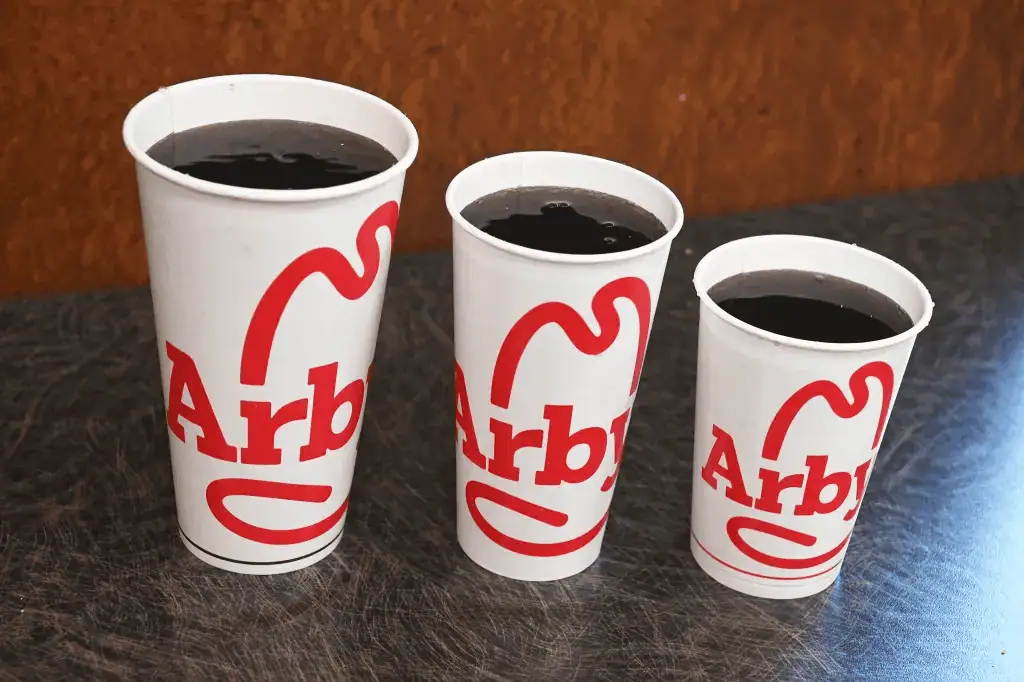
Arby’s has undergone a quiet but significant transformation of its drink and side dish sizes that has sparked discussion across social media in 2026. The chain reportedly phased out its “Kids” size containers and rebranded them as the new “Small,” effectively moving every subsequent size down the line. This means a customer ordering a “Large” fry today is often receiving the portion that was previously considered a “Medium.”
By eliminating the largest original containers, the company has reduced the total amount of product served per transaction while keeping price points stable. This subtle shift in packaging volume is a textbook example of modern shrinkflation.
The 12-Piece Chicken Cut
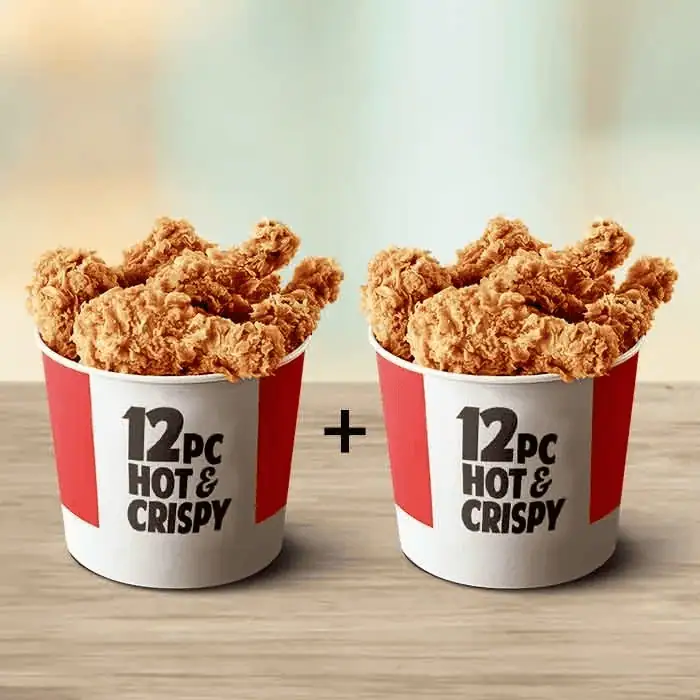
One of the most drastic changes in the industry involves how fried chicken is prepared and portioned at major chains like KFC. Traditionally, a single bird was cut into 9 pieces, but in 2026, many locations have moved to a 12-piece cut to stretch their inventory further. This results in drumsticks and thighs that feel significantly smaller compared to the hearty portions of the early 2000s.
While the price per bucket remains high, the actual meat yield has dropped, leading to a rise in customer complaints about “toddler-sized” pieces. It is a calculated move to maximize the number of servings available from every shipment of raw poultry.
The Whopper’s Visual Diet
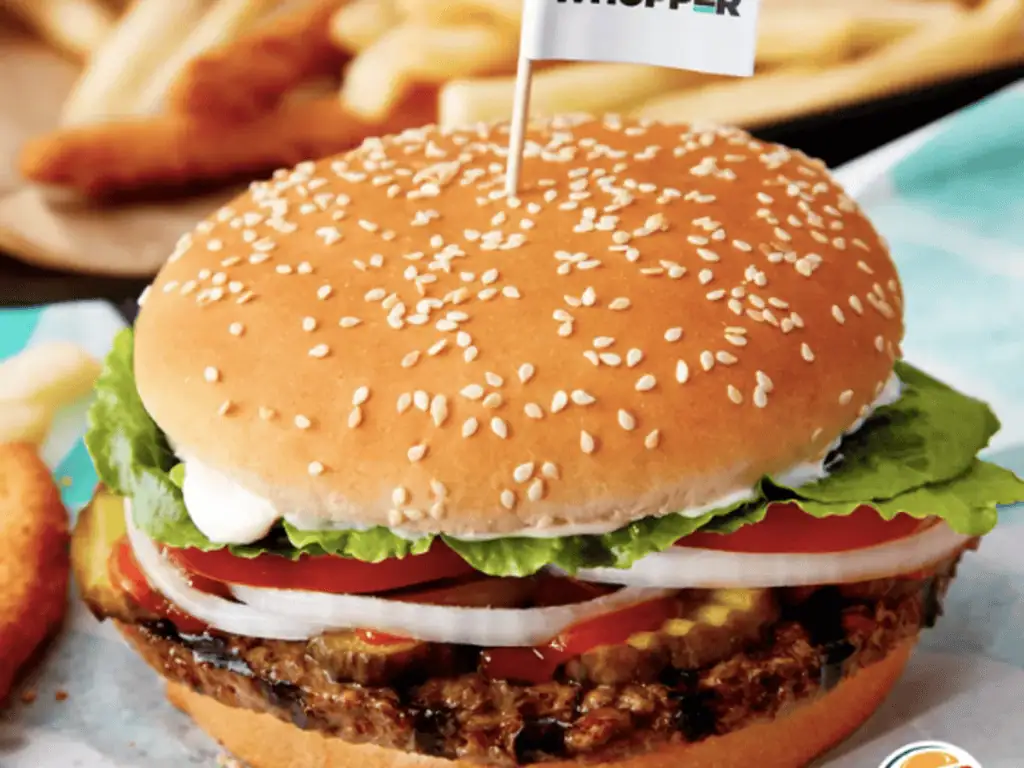
Burger King’s Whopper has long been advertised as the larger alternative to its competitors, but recent redesigns have focused on “premiumization” over raw size. In 2026, the classic Whopper received an overhaul that included a thicker, glazed bun and a new clamshell box to prevent the burger from appearing “smushed.”
While these changes improve the quality, many diners argue the physical diameter of the flame-grilled patty has quietly contracted. By making the burger look “taller” and more organized, the chain can mask a reduction in the total surface area of the meat. This focus on aesthetic presentation often distracts from a lighter overall weight.
The Domino’s Pasta Reduction
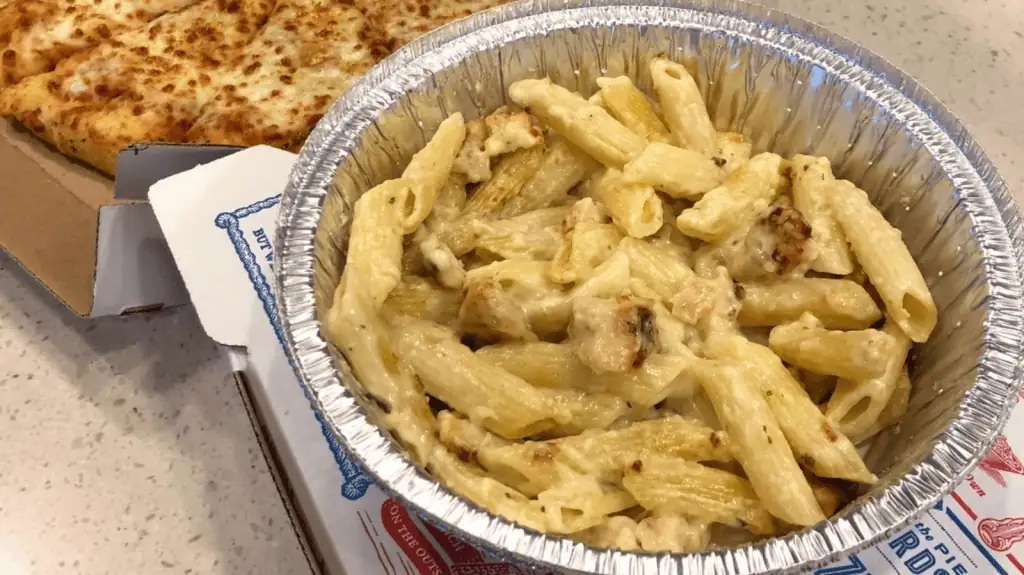
Pizza giant Domino’s has faced scrutiny for the diminishing volume of its non-pizza items, particularly the pasta and specialty chicken sides. In 2026, customers have noted that the tin containers used for pasta dishes are shallowly filled, often containing less than two-thirds of the product found in older versions. While the company has launched “MOREflation” promotions to counter these perceptions, the standard portions for carryout deals have reached an all-time low.
This allows the brand to maintain its aggressive $6.99 price point while significantly lowering the cost of goods sold. For the consumer, it means the “side dish” is no longer a substantial meal on its own.
The Shrinking Five Guys Scoop
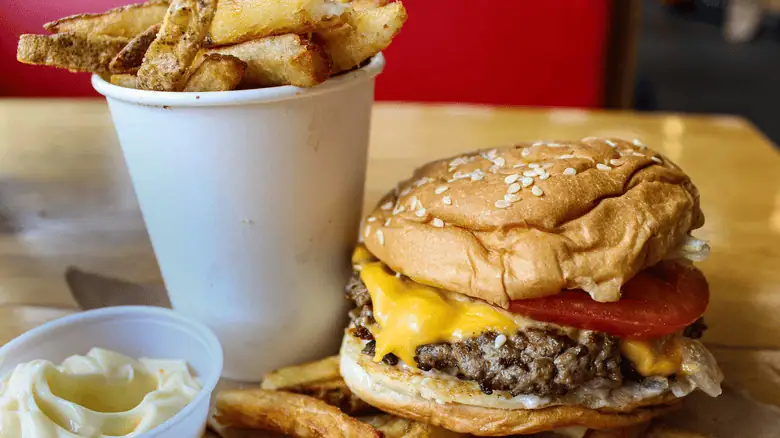
Five Guys has built its reputation on the “extra scoop” of fries at the bottom of the bag, but in 2026, many locations are tightening their grips on this policy. New biodegradable “Fry Bags” have replaced the traditional open-air cups in many US markets, which some customers claim limits the overflow capacity.
While the official portion sizes remain unchanged, reports of “missing extra scoops” have become common on platforms like Reddit. Managers are under increasing pressure to reduce food waste, leading to a more standardized and less generous serving style. For a brand that charges premium prices, this perceived reduction in value has left long-time fans feeling short-changed.
The WingStreet Wing Size
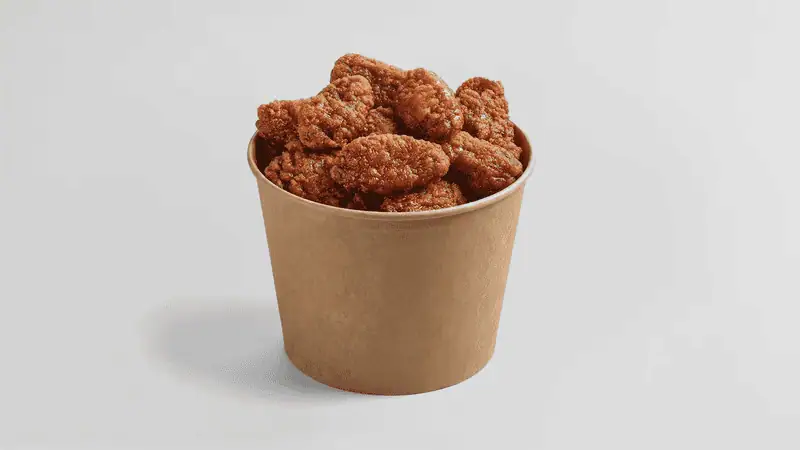
Pizza Hut’s WingStreet offerings have faced criticism for the shrinking size of their bone-in wings, which many diners now describe as “miniature.” In 2026, global chicken supply chain issues have forced many chains to accept smaller birds to meet demand at stable prices.
This results in wings that have less meat-to-bone ratio than the larger, juicier versions served just a few years ago. Despite the smaller size, the price for a 6-piece or 12-piece order has continued to climb, further aggravating hungry sports fans. It is a quiet shift that makes the high cost of a wing order much harder for the average consumer to justify.
The Taco Bell Protein Pinch
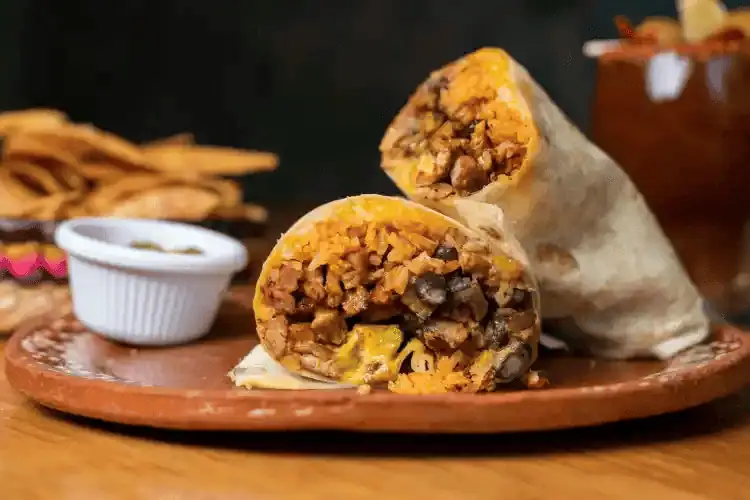
Taco Bell is a master of menu innovation, but in 2026, some of their most popular items like the Mexican Pizza and Cheesy Gordita Crunch feel “lighter” than ever. Diners have observed that the layer of seasoned beef and melted cheese has become thinner, with more emphasis on the crunchy shells and lettuce filler.
While the brand recently introduced “protein-basted” options to appeal to health-conscious diners, the standard value items have undergone a stealthy reduction in density. This allows the “Live Más” giant to keep its menu prices accessible while managing the rising costs of beef and dairy. It is a delicate balance that long-time “Bell” fans are starting to notice.
The Starbucks “Grande” Illusion
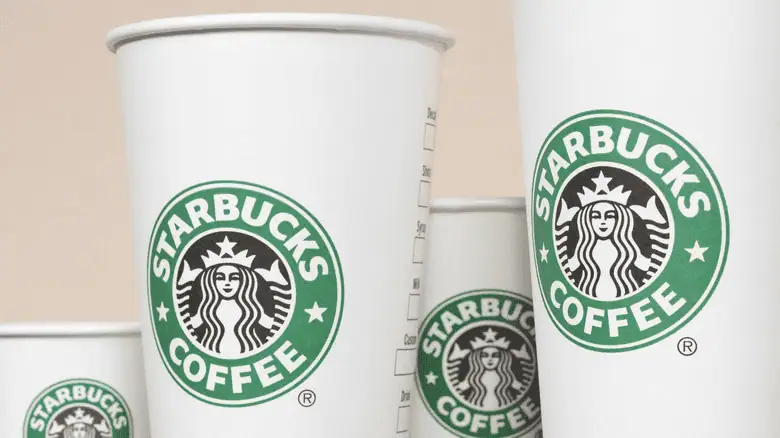
Even the coffee world isn’t immune, as Starbucks has faced complaints about the amount of ice used in its iced beverages in 2026. Customers frequently find that their “Grande” or “Venti” cups are packed so tightly with ice that the actual liquid content is significantly less than advertised.
While the cup size hasn’t changed, the “standard pour” of coffee or tea bases has been subtly adjusted to favor more frozen water. This change is particularly noticeable in the new “Energy Refreshers” and spring tea lattes where customization is limited. For the daily commuter, it means paying more for a drink that disappears after just a few sips through a straw.
