
I Asked 4 Pastry Chefs How to Perfect Sourdough (And They All Warned About the Same Mistake)
Sourdough, beloved for its depth of flavor and chewy crust, can be surprisingly elusive to perfect. Pastry chefs often notice home bakers making the same critical mistakes. To excel in sourdough baking, it’s essential to understand the nuances of timing, fermentation, and ingredient balance. By mastering these elements, you can achieve a loaf with a balanced tang, open crumb, and crispy crust. Here’s expert advice to guide you through common pitfalls, allowing you to elevate your sourdough game.
Timing Your Starter Feed Right

A vibrant starter is non-negotiable for a successful sourdough. Feeding your starter at consistent intervals ensures it remains active and lively. Use your senses, look for bubbles, a pleasant aroma, and a ripe peak before incorporating it into your dough. Timing is vital; a transparent, domed top signals readiness. If your starter collapses, it’s past its peak, which may result in a lackluster rise. To optimize fermentation, aim to use it at its most vigorous, typically 4-6 hours after feeding, depending on ambient conditions.
The Bulk Fermentation Misstep

Many home bakers undervalue the bulk fermentation stage, often cutting it short. During this phase, enzymes and yeast work symbiotically to develop flavor and structure. Allowing sufficient time, often several hours, ensures gluten development and aerated crumb. Monitor dough for a noticeable increase in volume and elasticity.
Feel for a puffy texture and a smooth surface. Use the windowpane test to check gluten development; gently stretch a small piece of dough until translucent. Proper fermentation is a cornerstone of creating bread with ideal texture and taste.
Flour Overload: Crumb's Worst Enemy
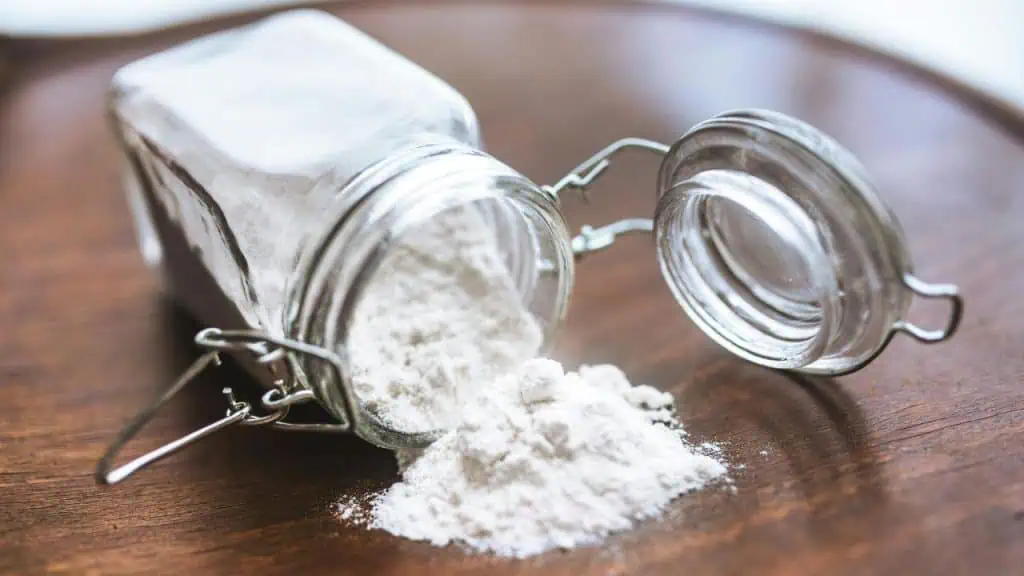
Using too much flour can compromise crumb texture. Excess flour during kneading or shaping can make the bread dense and tough. The stickiness of sourdough requires trust in its looseness and a light hand during handling. Wet your hands to reduce sticking rather than dust with flour. Embrace dough that seems tacky; this moisture contributes to a light, airy crumb. Prioritize gentle folds over aggressive kneading, which respects the dough's structure and aids in achieving the desired open crumb.
The Secret of Extended Dough Rest
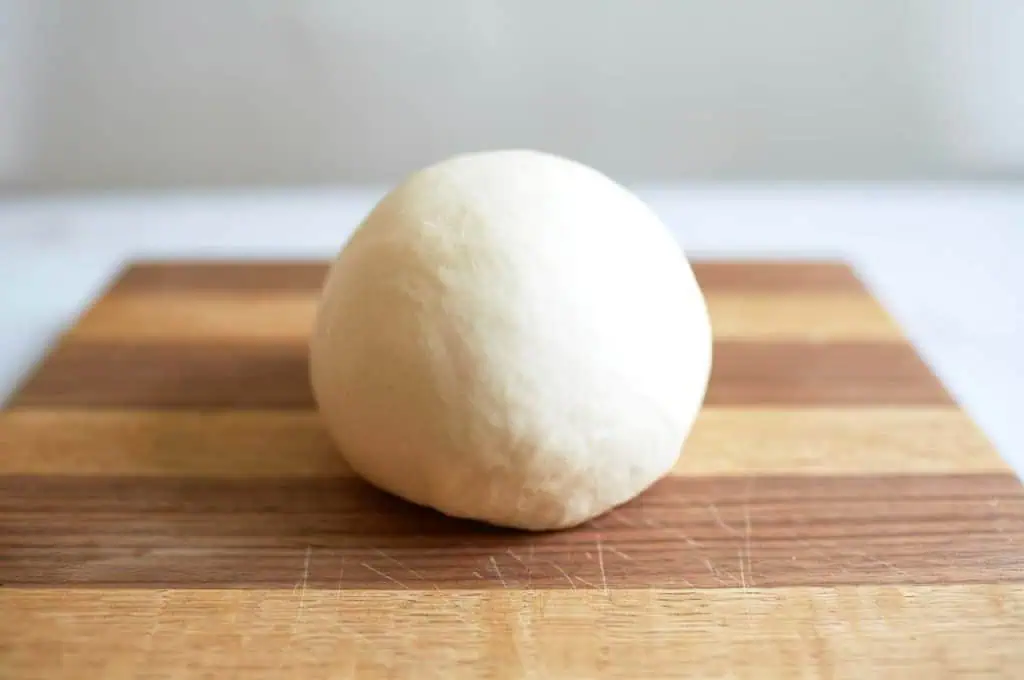
Resting dough overnight can transform your sourdough. This extended rest allows for deeper flavor development, as wild yeast slowly feasts on the available sugars. Keep the dough covered in the refrigerator to slow fermentation, adding complexity to the final taste. When ready to bake, allow dough to come to room temperature before the final shaping. This slow, controlled rise enhances gluten strength and improves digestibility. Practicing patience in this final stage can lead to a loaf with exceptional aroma and texture.
Oven Temperature Blunders
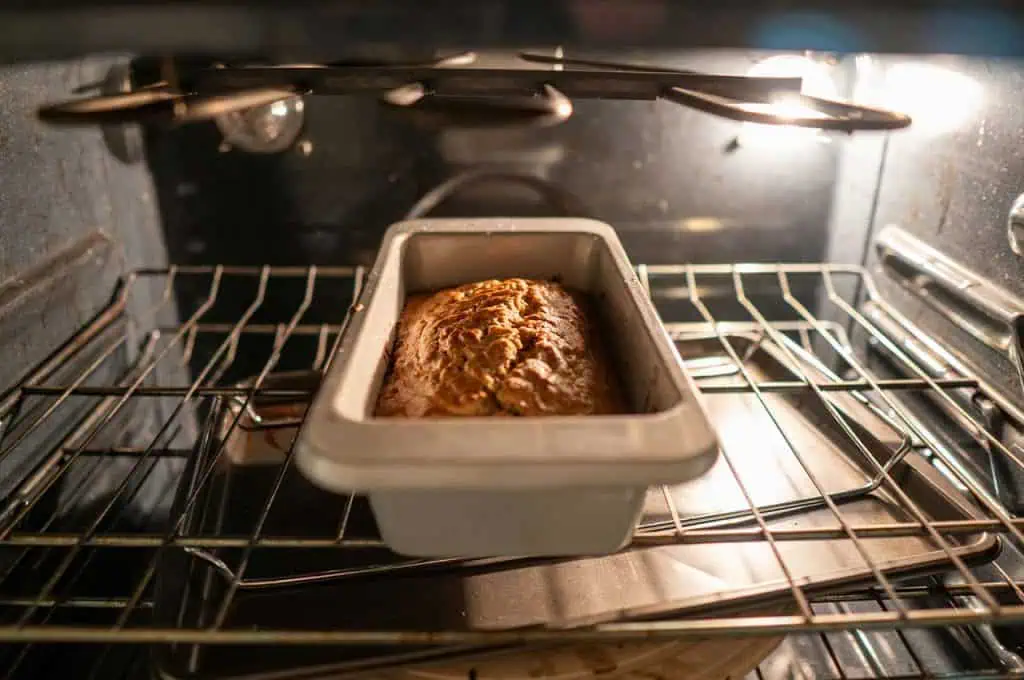
Achieving the perfect sourdough loaf requires attention to oven temperature. One common mistake is baking at too low a temperature, which results in poor oven spring and a dense crumb. Preheat your oven to at least 475°F (245°C) and use a baking stone or steel for even heat distribution. This helps create a strong initial burst of steam, essential for a crisp, golden crust. Use a thermometer to ensure accuracy, as oven dials can be misleading. By mastering oven heat, your sourdough will emerge with the robust texture and flavor characteristic of a professionally baked loaf.
