
8 Costco Items Loyal Shoppers Say Just Aren’t Worth the Price Anymore
Costco has built its reputation on value-driven bulk groceries, but even loyal members say some food items don’t stretch dollars the way they used to. Price increases, portion shifts, and growing competition from traditional supermarkets have changed the equation for certain categories. While plenty of staples still deliver strong value, some longtime shoppers now question whether buying in warehouse quantities always makes financial sense. These eight food items are frequently mentioned in discussions about declining value perception.
Rotisserie Chicken
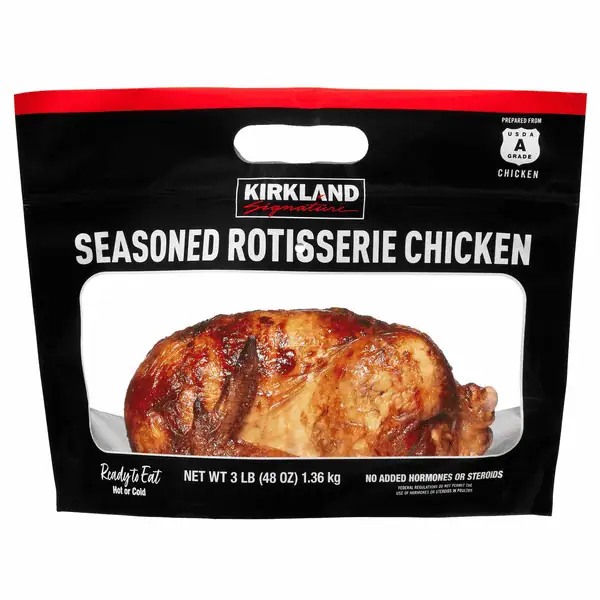
Costco’s rotisserie chicken has long been considered one of the store’s signature bargains, known for its consistent pricing and convenience. However, some shoppers report that size and seasoning consistency can vary by location. While the upfront price still appears low, competing grocery chains now offer similar promotions, narrowing the uniqueness of the deal. For smaller households, value also depends on whether leftovers are fully used. If portions go uneaten, even a low sticker price loses its appeal. Though still popular, some longtime members say it no longer feels like the unmatched savings icon it once symbolized.
Bakery Muffin Packs
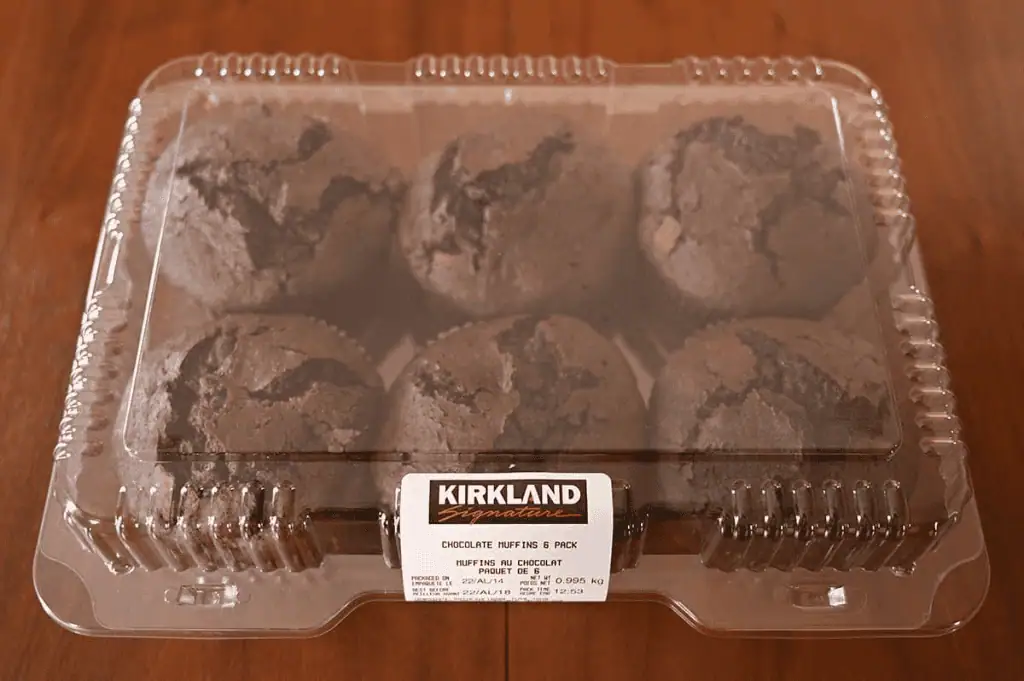
Costco’s bakery muffin multipacks stand out for their large portions and visual appeal, but quantity can quickly become a drawback. Households that cannot finish or properly freeze the muffins may end up discarding part of the purchase, reducing overall value. In some regions, gradual price increases have narrowed the difference between warehouse pricing and supermarket bakery promotions. While the generous size and presentation remain attractive, shoppers increasingly evaluate whether bulk aligns with actual consumption habits. The decision often comes down to practicality rather than price alone.
Prepared Deli Meals
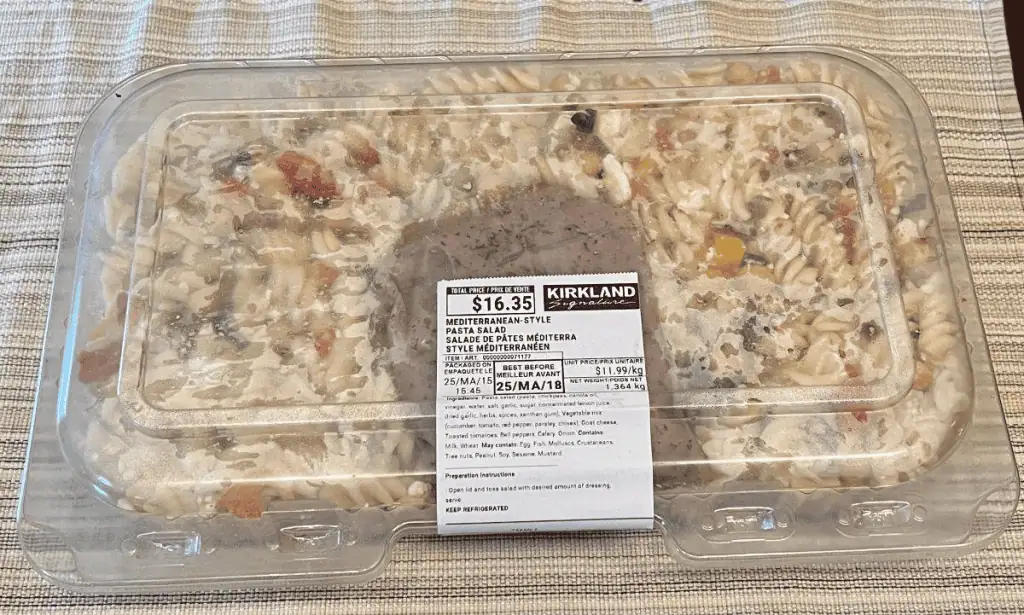
Costco’s ready-to-heat deli meals are designed for convenience and family-sized portions, making them appealing for busy households. However, some shoppers note that per-pound pricing has increased over time. While servings remain substantial, the total cost at checkout can approach the price of local takeout or prepared meals from standard grocery stores. For families prioritizing ease, the time savings still justify the purchase. Yet for value-focused buyers comparing cost per meal, the margin of savings may feel slimmer than it did in earlier years.
Fresh Produce Multipacks
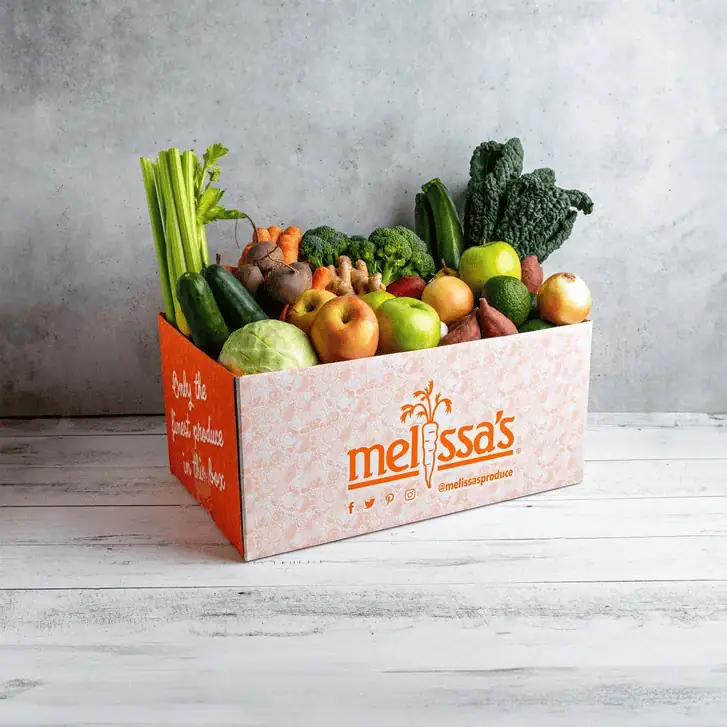
Bulk produce at warehouse stores can provide strong value, but only if it’s consumed before spoilage. Some shoppers report that large quantities of berries, leafy greens, or avocados ripen and deteriorate faster than anticipated. When even a portion goes unused, the overall savings diminish quickly. For smaller households or individuals who cook less frequently, buying in warehouse-sized volumes may not translate into practical efficiency. While pricing per unit often appears competitive, real value depends heavily on storage capacity, meal planning, and consistent usage.
Name-Brand Snack Boxes
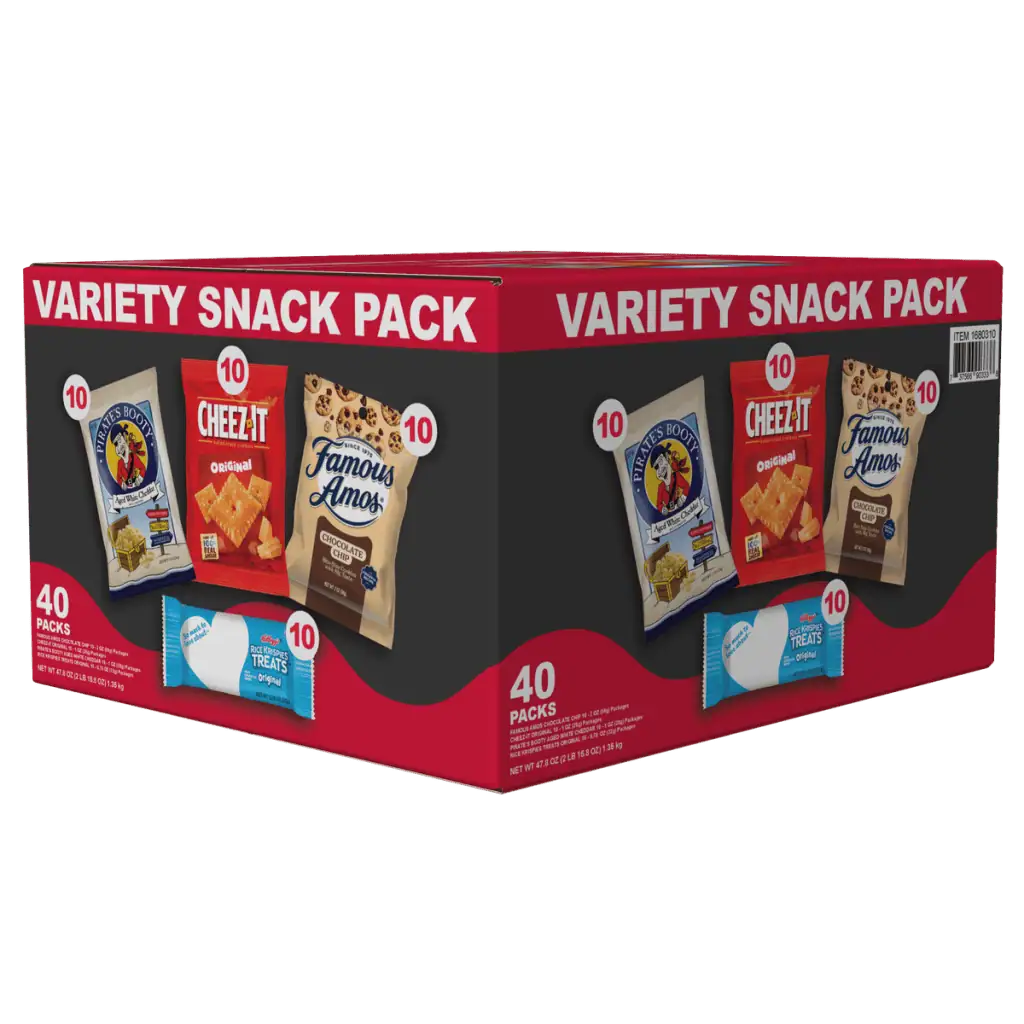
Name-brand snack variety packs remain a popular warehouse purchase, particularly for families packing lunches or stocking up for busy weeks. However, some shoppers note that recent price increases have narrowed the perceived discount compared to traditional grocery promotions. Since multipacks require a higher upfront spend, the savings may feel less obvious at checkout. Competing supermarkets frequently run sales on the same brands, sometimes reducing the advantage of buying in bulk. For households that don’t go through snacks quickly, bulk purchases can tie up more of the grocery budget than expected.
Frozen Appetizers
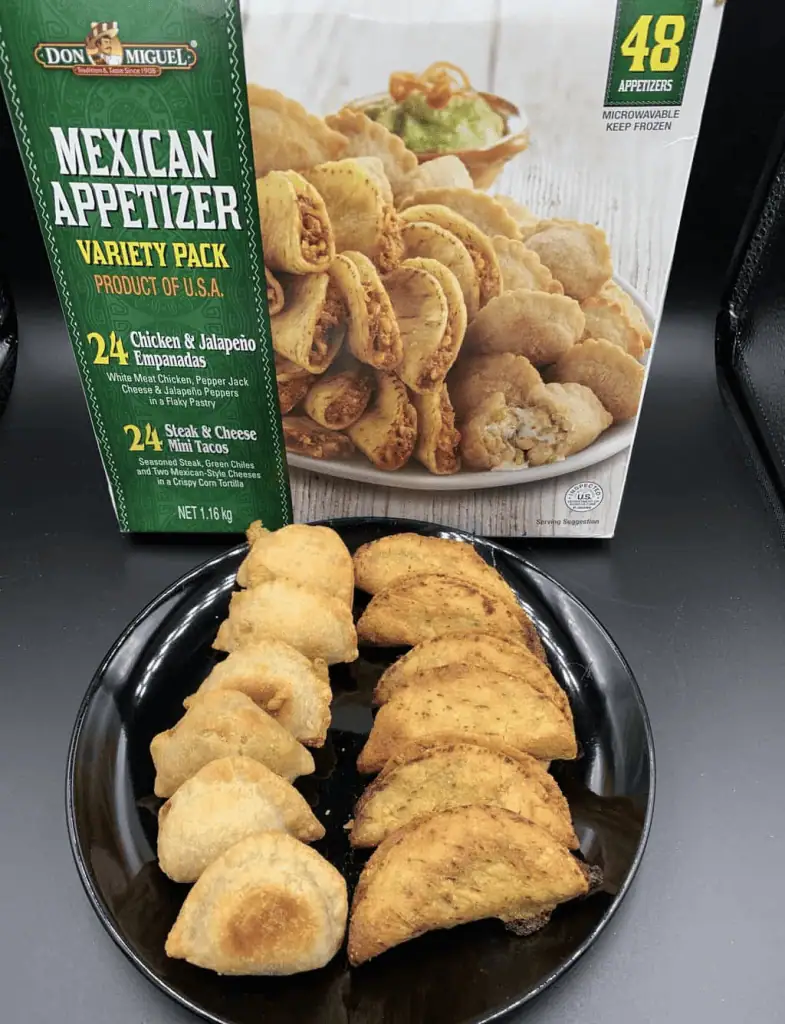
Frozen appetizers and party foods continue to offer convenience, especially for gatherings or last-minute hosting. Still, some shoppers say pricing has gradually increased, making comparisons with grocery store sales more relevant. Private-label options at standard supermarkets sometimes offer similar products at competitive prices in smaller quantities. For occasional hosts, bulk-sized packages may exceed what’s actually needed, increasing the risk of unused leftovers. While the ease of having ready-to-bake items on hand remains appealing, the cost advantage compared to other retailers may not feel as significant as it once did.
Specialty Cheeses
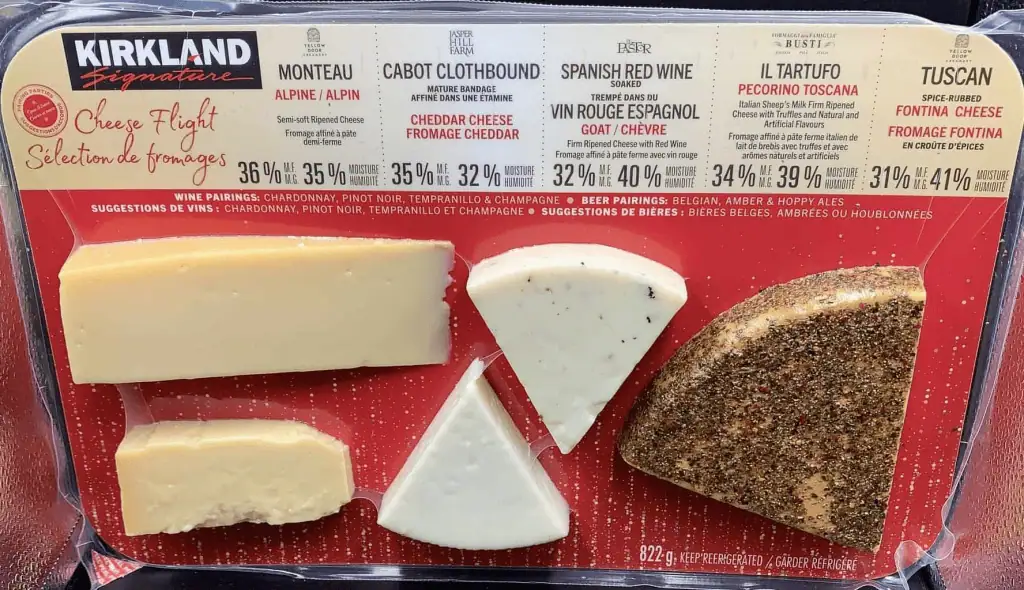
Costco’s specialty cheese selection is widely praised for quality and variety, but bulk sizing can present challenges. Although per-pound pricing may appear attractive, large wedges or blocks can be difficult to finish before freshness begins to decline. For shoppers who prefer sampling multiple varieties rather than committing to one large piece, smaller portions at specialty markets may feel more practical. The real value often depends on how quickly the cheese is consumed and how it’s stored. Bulk pricing looks appealing on paper, but usage patterns ultimately determine whether the savings are meaningful.
Bottled Smoothies and Ready Drinks
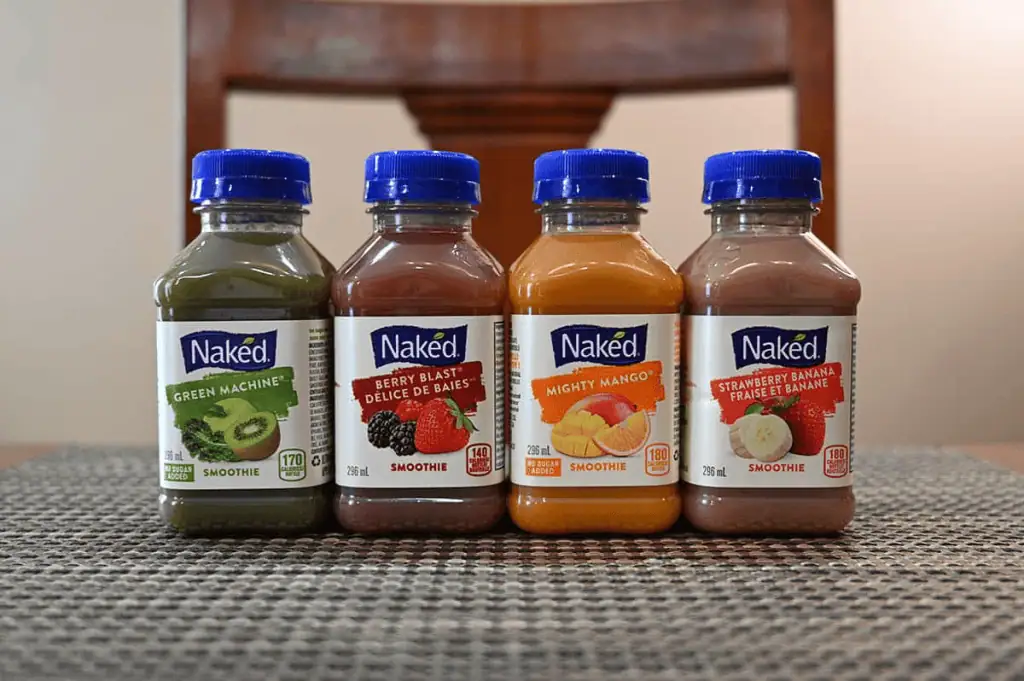
Bulk smoothie packs and refrigerated ready-to-drink beverages offer grab-and-go convenience, yet their cumulative cost can rise quickly. While buying in volume suggests savings, competing grocery stores often run promotions on similar products in smaller packs. For households that don’t consume these drinks daily, purchasing large quantities may increase the risk of expiration before use. Although the convenience remains attractive for busy mornings, some shoppers feel the overall value has shifted. Comparing per-unit pricing and actual consumption habits helps determine whether bulk beverages truly deliver cost efficiency.
