
Foodie 101: How to Try New Foods Without Wasting Money Like Most Beginners Do
Exploring new foods can be an exciting journey, but it’s essential to approach it thoughtfully to avoid wasteful spending. By focusing on smart, incremental steps, you can broaden your culinary horizons without breaking the bank. This guide will offer practical strategies to help you experiment confidently, ensuring your adventures in taste are both enjoyable and worthwhile.
Start Small: Try Appetizers First
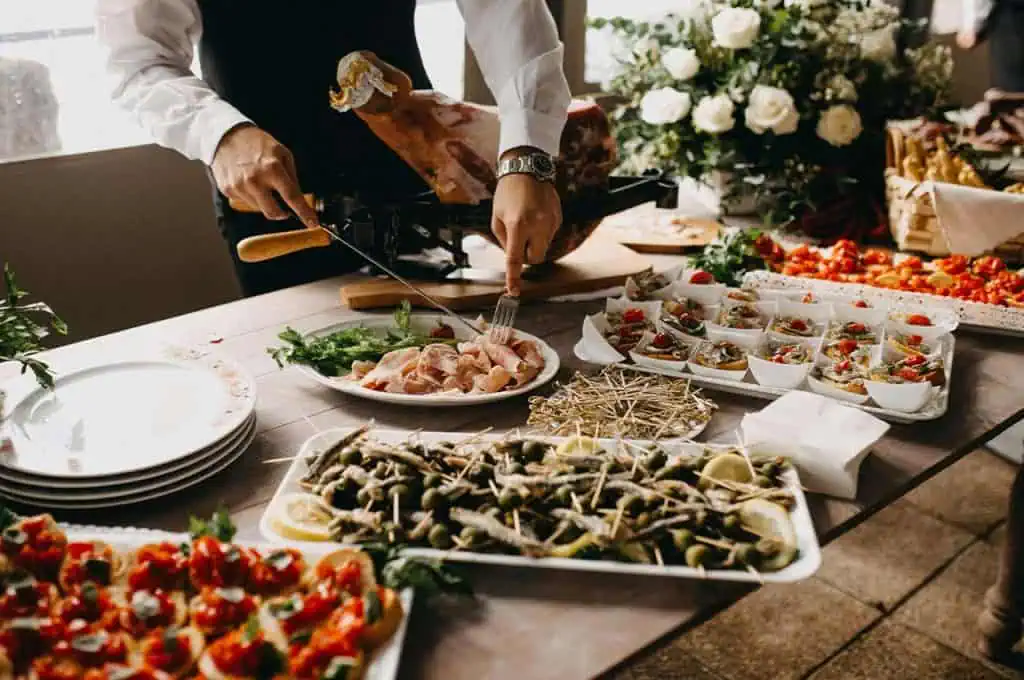
Begin with appetizers to ease into new cuisines. They are often more affordable and provide a snapshot of the flavors a culture offers. Look for small plates or tapas-style dishes that highlight key ingredients. This approach allows you to experience diverse flavors without committing to a large portion. Pay attention to the texture and seasoning, noting what excites your palate. Such mindful tasting develops your skills to judge future dishes more accurately.
Research Before You Bite

Learn about unfamiliar foods before purchasing or ordering. Read reviews and study the ingredients to understand what to expect. Online resources can highlight popular dishes, helping you distinguish must-tries from less remarkable options. Additionally, look up basic preparation methods, as knowing the cooking process can enhance your appreciation of the dish. This preemptive research minimizes surprises and increases your chances of a satisfying experience.
Sample at Local Markets

Local markets are a treasure trove for sampling novel foods. Vendors often offer small tastings of their products, allowing you to explore new flavors without the commitment. Engage with the sellers; they can provide valuable insights into the best ways to enjoy their offerings. Focus on fresh produce or artisanal items that showcase local traditions and flavors. Sampling in this environment encourages experimentation and can lead to discovering new favorites at minimal cost.
Avoid Chasing Viral Hype

Resist the urge to immediately try every trendy dish that emerges online. Viral foods can often be expensive and may not truly represent the cuisine’s traditional flavors. Instead, prioritize authenticity and seek dishes with enduring cultural significance. Connecting with food in this mindful way lets you focus on quality over buzz, ensuring your experiences are rewarding and rooted in genuine appreciation rather than fleeting trends.
Pair New Foods with Favorites
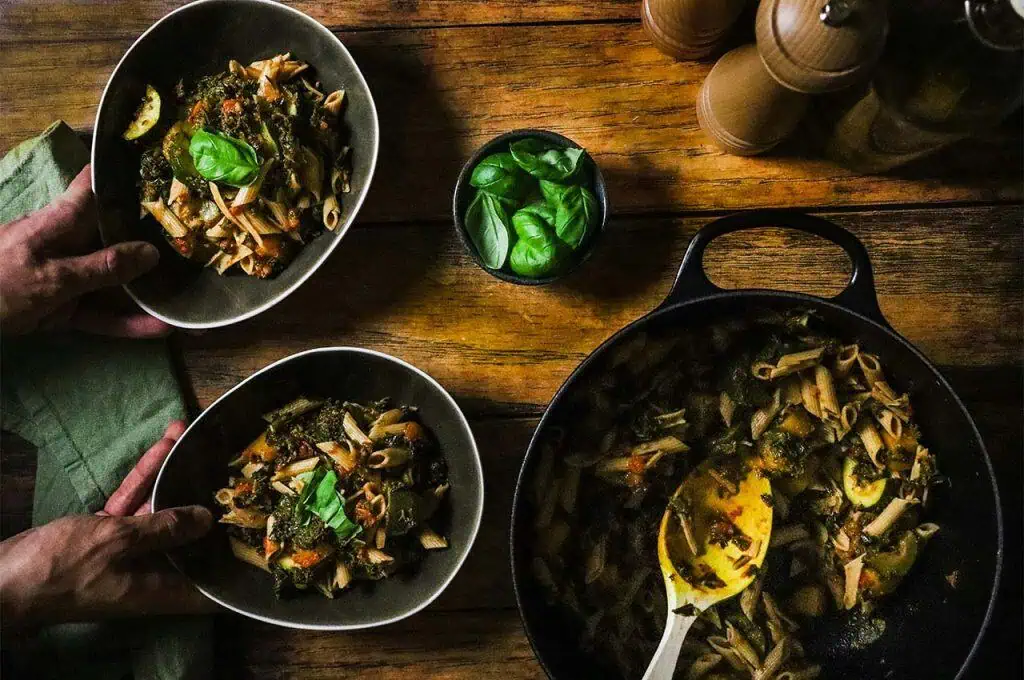
Incorporate new ingredients by pairing them with familiar favorites. This approach allows you to explore new flavors while maintaining culinary confidence. For instance, if you enjoy pasta, try incorporating a novel vegetable or protein, such as bok choy or tempeh, into your usual recipe. Enhance the experience by using familiar herbs and spices to tie the dish together, ensuring the new element complements rather than overwhelms. This method reduces risk while expanding your palate, providing a comfortable yet exciting culinary adventure.
Ask Experts for Recommendations

Seeking advice from culinary professionals or knowledgeable acquaintances can open doors to well-curated food experiences. Visit local markets and engage with vendors about their fresh, seasonal offerings; they often provide tips on preparation methods. Similarly, dining at reputable restaurants and asking chefs or staff about their signature dishes can guide your exploration. Leveraging expertise not only introduces you to quality ingredients but also to innovative cooking techniques, making each purchase purposeful and enriching your culinary skill set.
