
5 Ways Families Are Quietly Cutting Back on Ultra-Processed Foods
Families are increasingly seeking ways to reduce ultra-processed foods in their diets as part of a healthier lifestyle. This shift emphasizes simple, mindful eating that’s both nourishing and flavorful. By focusing on methods that incorporate fresh, whole ingredients, families can enjoy meals that are as wholesome as they are satisfying. These strategies not only improve your health but also bring joy and creativity back into the kitchen, making dining at home a pleasurable and beneficial experience.
Embrace Homemade Meal Prepping

Homemade meal prepping is a robust tactic for circumventing ultra-processed foods. Begin by planning meals around colorful vegetables, lean proteins, and whole grains. Dedicate a few hours each week to chop, marinate, and store ingredients in meal-sized containers. This ensures quick access to nutritious options on busy days. Cooking larger batches of staples like quinoa or roasted vegetables offers versatile bases for various dishes, reducing reliance on convenience foods. Plus, homemade meals can easily be seasoned to suit family preferences, unlike their packaged counterparts.
Snack Smart with Whole Foods

Transform your snacking habits by pivoting towards whole foods. Fresh fruits, nuts, cheese slices, and yogurt offer satisfying alternatives to overly processed snacks. Prepare a variety of options, like apple slices topped with almond butter or homemade trail mix, to keep things interesting. Keep these ready at eye level in the fridge or pantry, making them an easy grab-and-go option. This change not only enriches nutritional intake but also retrains taste buds to appreciate natural flavors and textures over artificially enhanced ones.
Opt for Minimal-Ingredient Staples

Choosing staples with minimal ingredients can drastically reduce processed food consumption. Focus on purchasing items that list fewer than five ingredients, all recognizable and pronounceable, such as whole grain breads and simple pastas. These provide a cleaner base for meals. Additionally, consider making your own versions of commonly processed items like salad dressings or pasta sauces using herbs, citrus, and vinegars to enhance flavor. This allows for more control over what goes into your food, ensuring freshness and quality.
Cook at Home, Reclaim Your Kitchen
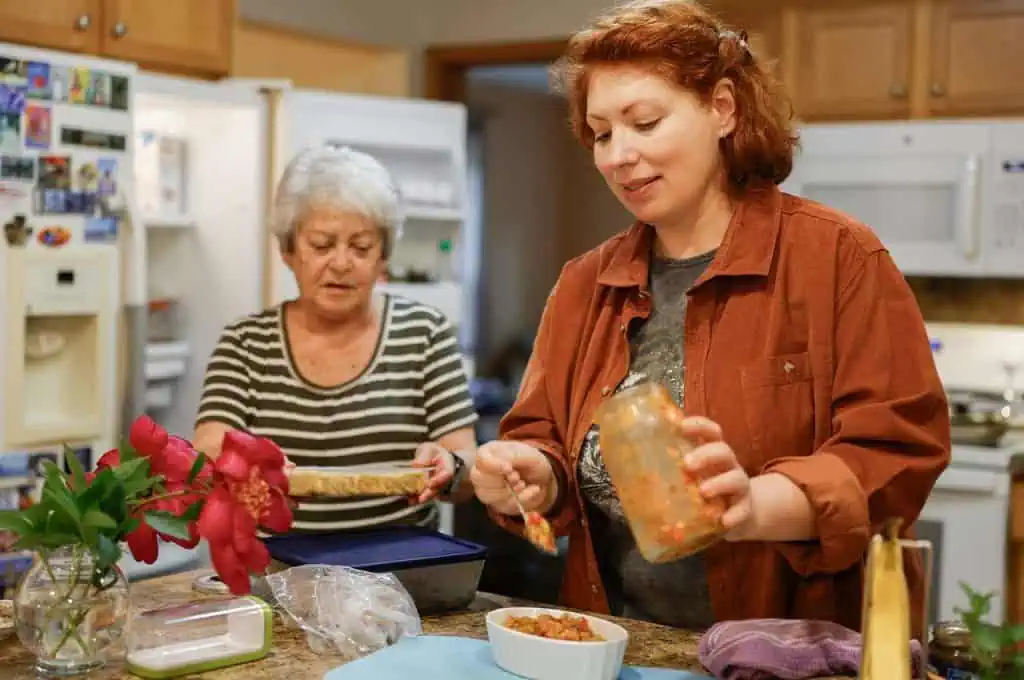
Cooking at home is pivotal for reducing processed food intake. By reclaiming the kitchen as a space for creativity and family interaction, meal preparation becomes both an educational and pleasurable activity. Focus on mastering basic culinary skills like knife techniques and seasoning spontaneity; these empower you to create flavorful dishes from scratch. Engage everyone in the household, perhaps designating tasks suited to each member’s skill levels. The familiarity with home-cooked meals ensures they’re rich in tradition and free from unnecessary additives.
Mindful Shopping: A Healthier Cart
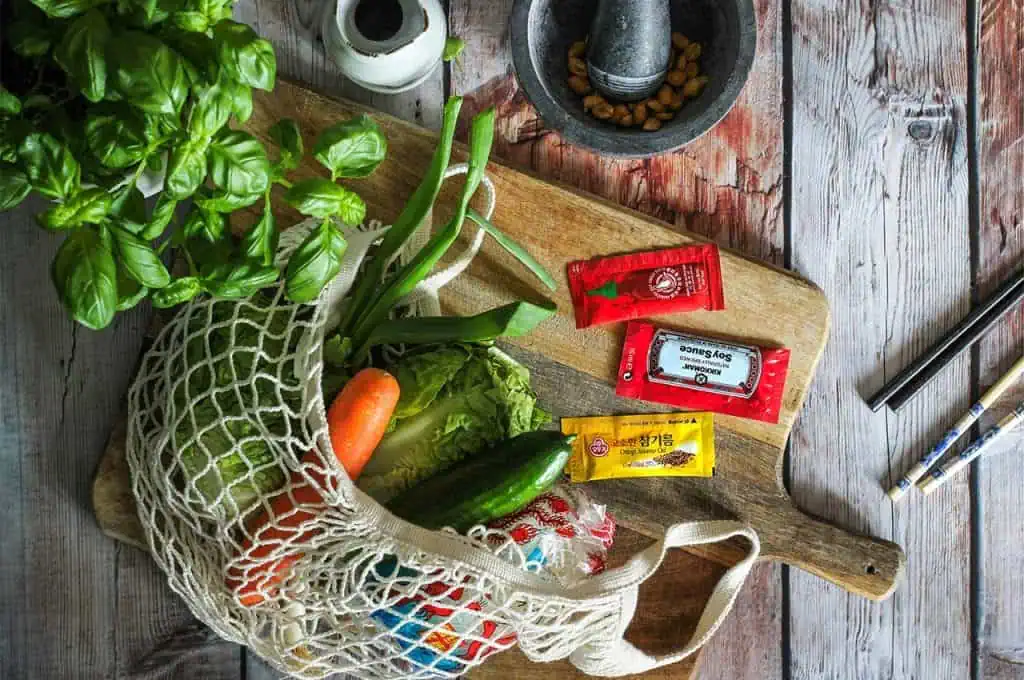
Selecting fewer ultra-processed foods begins at the grocery store, where mindful choices pave the way for healthier eating. Opt for fresh produce, whole grains, and lean proteins, focusing on quality over convenience. When purchasing packaged items, scrutinize labels for ingredients, avoiding those with unpronounceable additives. Embrace local markets or farmers’ stalls to source fresh, seasonal produce. Prioritize products with short, recognizable ingredient lists, steering clear of anything with added sugars or artificial preservatives. This deliberate approach to shopping not only enhances the nutritional value of meals but also fosters a deeper connection with food origins.
