
Travelers rave About these 9 street foods but locals see them very differently
Street food is often the first thing travelers chase because it feels raw, authentic, and tied to everyday life. For visitors, eating on the street signals cultural immersion and spontaneity. Locals, however, approach the same foods with a different mindset one shaped by routine, price sensitivity, and frequency. What feels iconic to a traveler may be viewed as ordinary, overpriced, or even inconvenient by residents. These differences don’t mean the food isn’t good; they reveal how context reshapes perception. These street foods are celebrated by tourists, while locals often see them through a far more practical lens.
Pad Thai in Tourist Zones
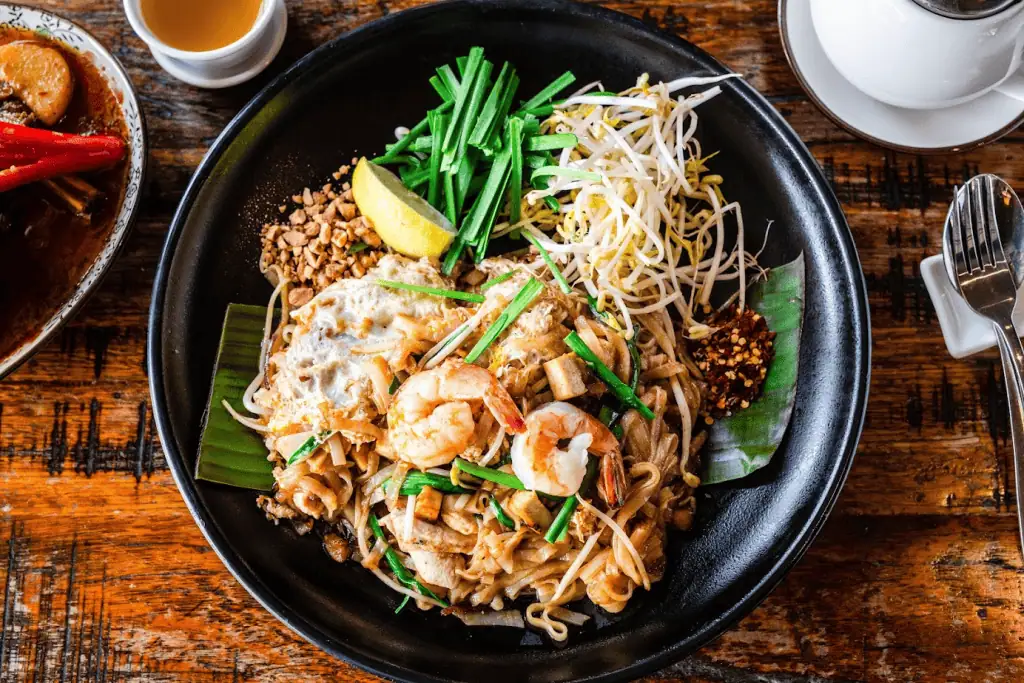
Travelers often treat pad thai as the definitive Thai street food, comforting, flavorful, and endlessly satisfying. In tourist-heavy areas, it becomes a must-order dish that feels approachable and familiar. Locals, however, tend to view these versions as heavily adjusted for visitors. The sauces are sweeter, portions are larger, and prices are higher than what locals expect. Many locals still eat pad thai, but without the reverence tourists bring to it. It’s everyday food, not a culinary discovery. For residents, tourist-zone pad thai represents adaptation and convenience, not authenticity or excitement.
Giant Turkey Legs
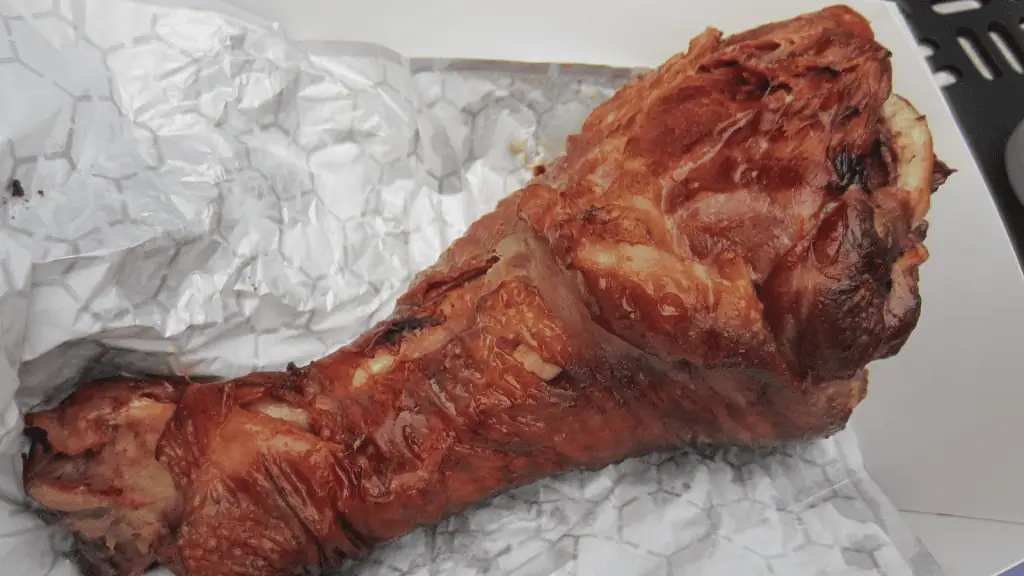
To travelers, giant smoked turkey legs feel like an essential street food experience—bold, indulgent, and perfect for photos. They’re associated with festivals, theme parks, and travel memories rather than everyday meals. Locals often see them very differently. The legs are heavy, messy, and expensive for what is essentially novelty protein. Eating one requires commitment, napkins, and tolerance for grease. Many locals skip them entirely, viewing them as tourist bait rather than practical food. While visitors enjoy the spectacle, locals rarely consider turkey legs part of regular street eating or genuine comfort food.
Tacos From the Most Famous Stalls
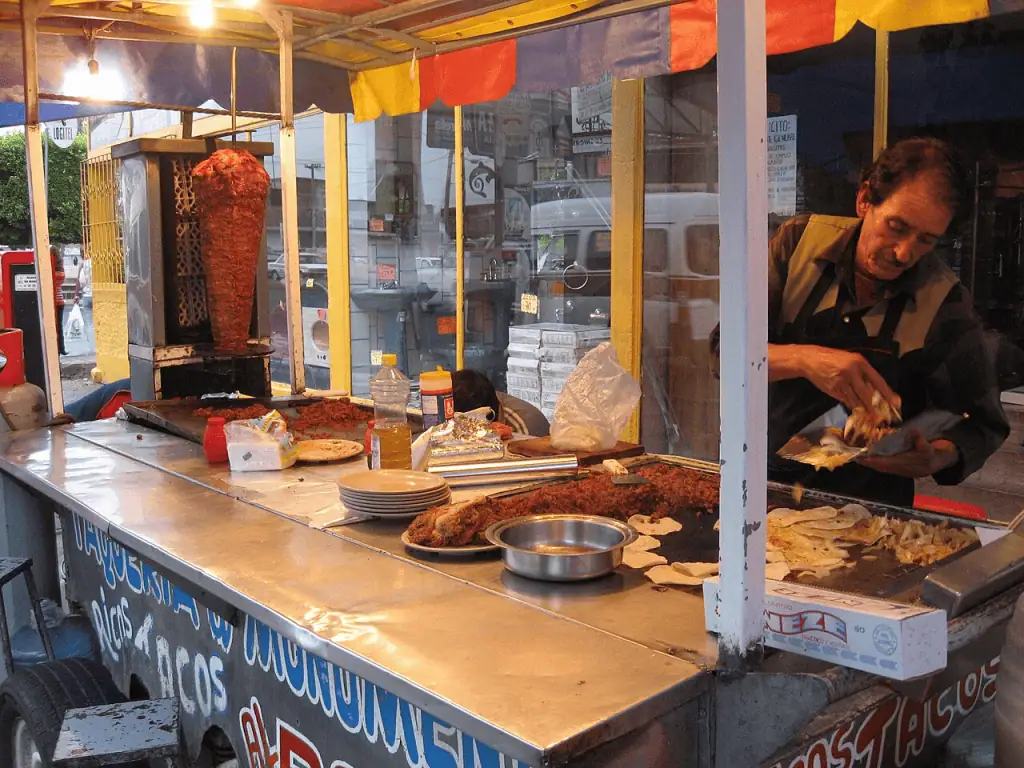
Travelers often seek out the most famous taco stands, assuming long lines and social media buzz signal the best flavor. Locals tend to see those stalls differently. High visibility usually means higher prices, simplified seasoning, and faster turnover designed for visitors. While the tacos may be good, they’re rarely the best representation of everyday eating. Locals know excellent tacos are spread across neighborhoods, food trucks, and corner spots with no online hype. For them, fame signals convenience, not superiority. The longest tourist lines usually form where authenticity has already been softened for mass appeal.
Bubble Tea at Landmark Locations
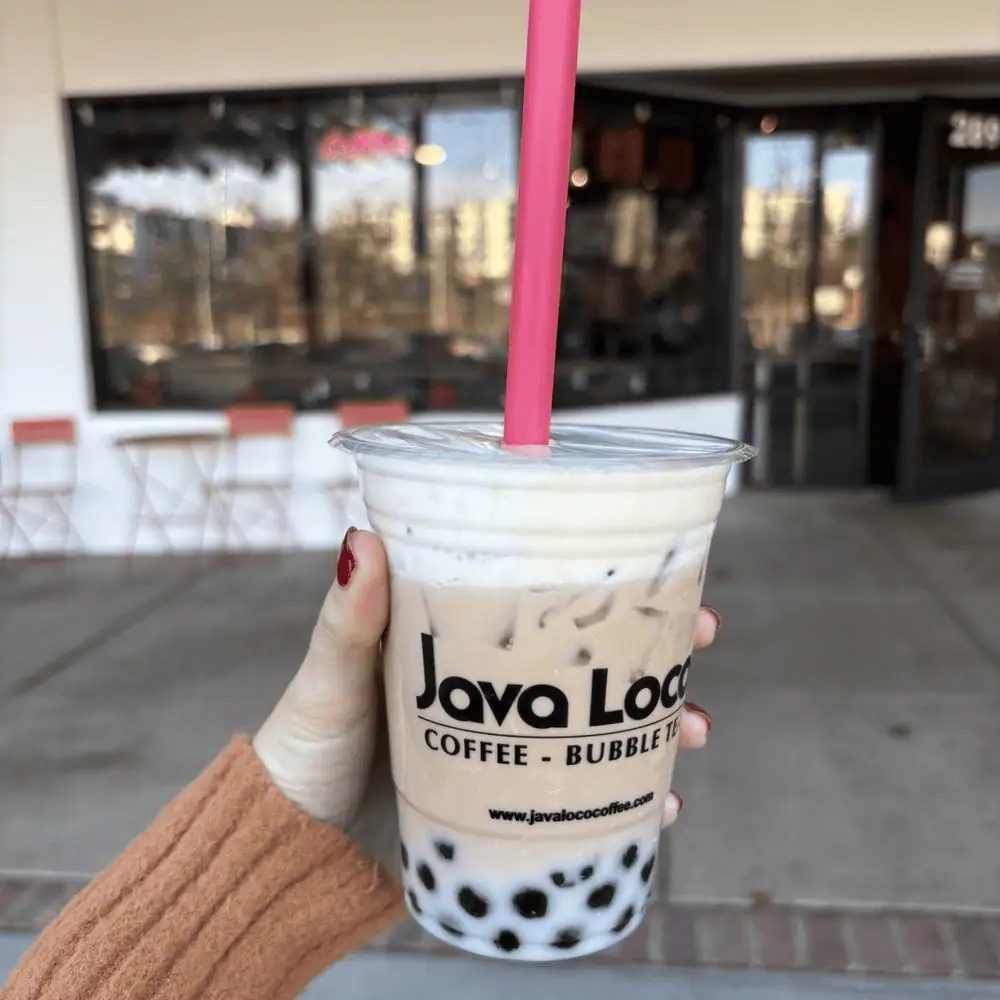
Bubble tea shops near landmarks feel like a cultural stop for travelers, especially those trying it for the first time. Locals often avoid these locations entirely. Landmark-area shops tend to rely on novelty toppings, extra sweetness, and inflated prices rather than tea quality. Residents usually prefer smaller neighborhood spots where the tea itself matters more than customization. For locals, bubble tea is a casual, everyday drink not something worth waiting in line for. What travelers experience as a destination, locals treat as routine, choosing consistency and balance over spectacle or convenience tied to foot traffic.
Crepes in Major Tourist Squares
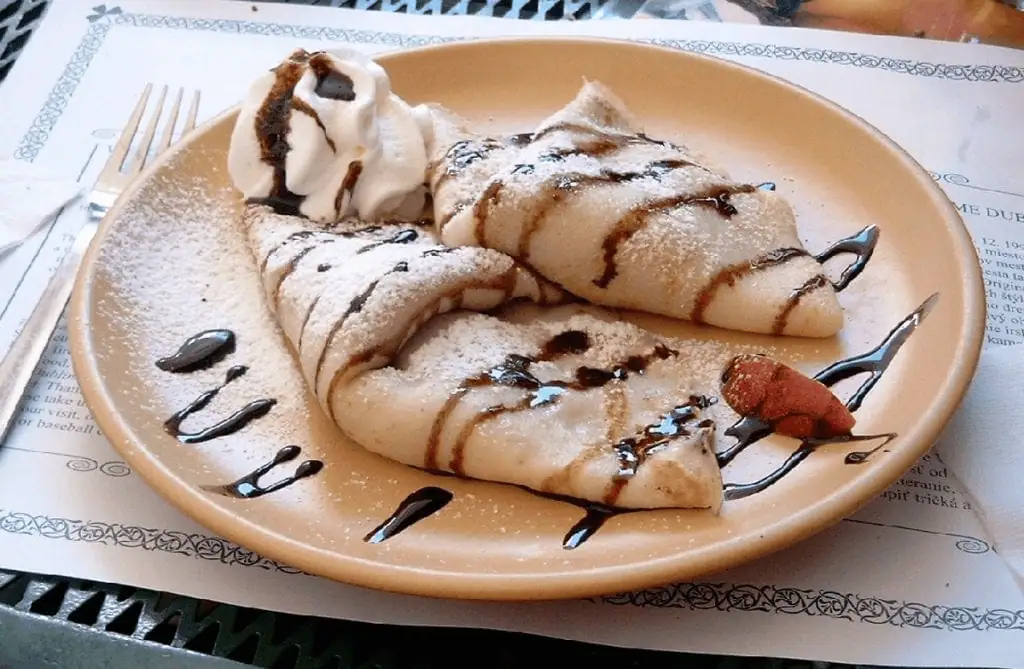
Street crepes sold in busy tourist squares feel romantic and essential to visitors. The act of ordering, watching them cook, and eating while walking feels like part of the travel fantasy. Locals usually skip these stands. They know crepes in high-traffic areas are priced for volume and often lack finesse. Quality crepes are more likely found in small cafés or neighborhood spots where batter, fillings, and technique matter. Crepes aren’t rejected by locals, they’re just not eaten standing in crowds. For residents, timing and setting matter more than symbolism.
Giant Pretzels in Tourist Districts

Oversized pretzels are often hyped to travelers as a must-try local specialty, especially in historic or high-traffic areas. Locals usually see them very differently. For them, pretzels are practical food, something quick, affordable, and eaten without much thought. Tourist-district versions tend to be larger, drier, and significantly more expensive, designed for spectacle rather than balance. Locals often buy smaller, fresher pretzels from bakeries or transit kiosks instead. What visitors experience as iconic indulgence, residents view as an inflated version of a simple, everyday snack.
Fried Foods Marketed as “Traditional”
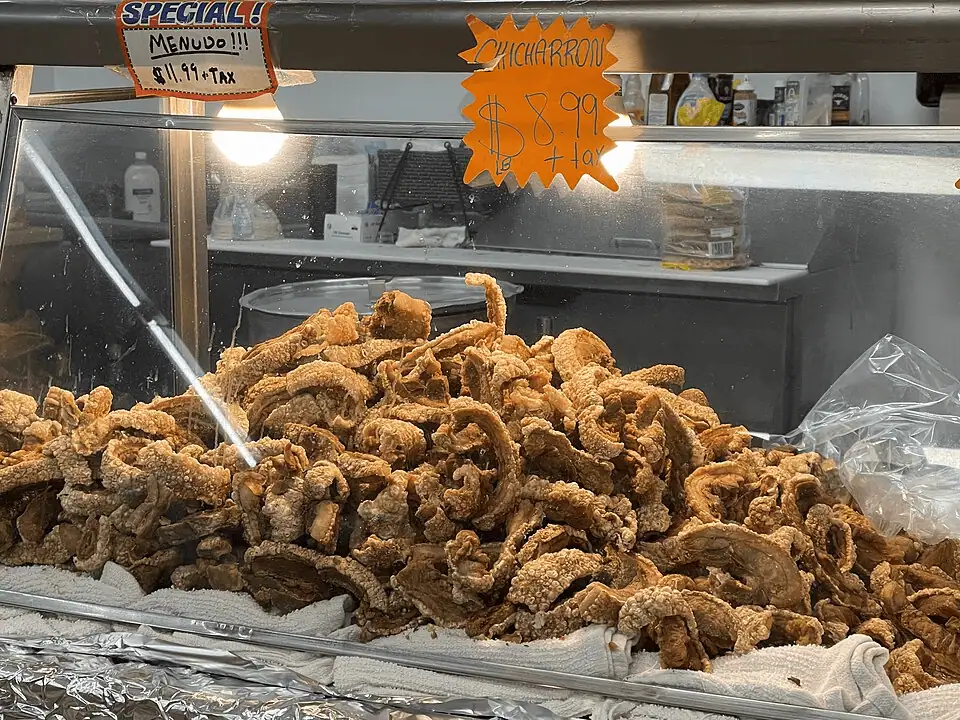
Street stalls selling heavily fried foods often draw long tourist lines by framing the items as traditional or essential to local culture. Locals typically recognize these foods as festival fare or occasional treats, not daily meals. While travelers associate them with authenticity and celebration, residents see them as indulgences meant for specific events. The issue isn’t taste, it’s frequency and context. Fried foods are enjoyed, but sparingly. What feels culturally immersive to visitors can feel excessive or misrepresentative to locals who know these dishes aren’t meant to define everyday eating.
Churros at the Busiest Stands
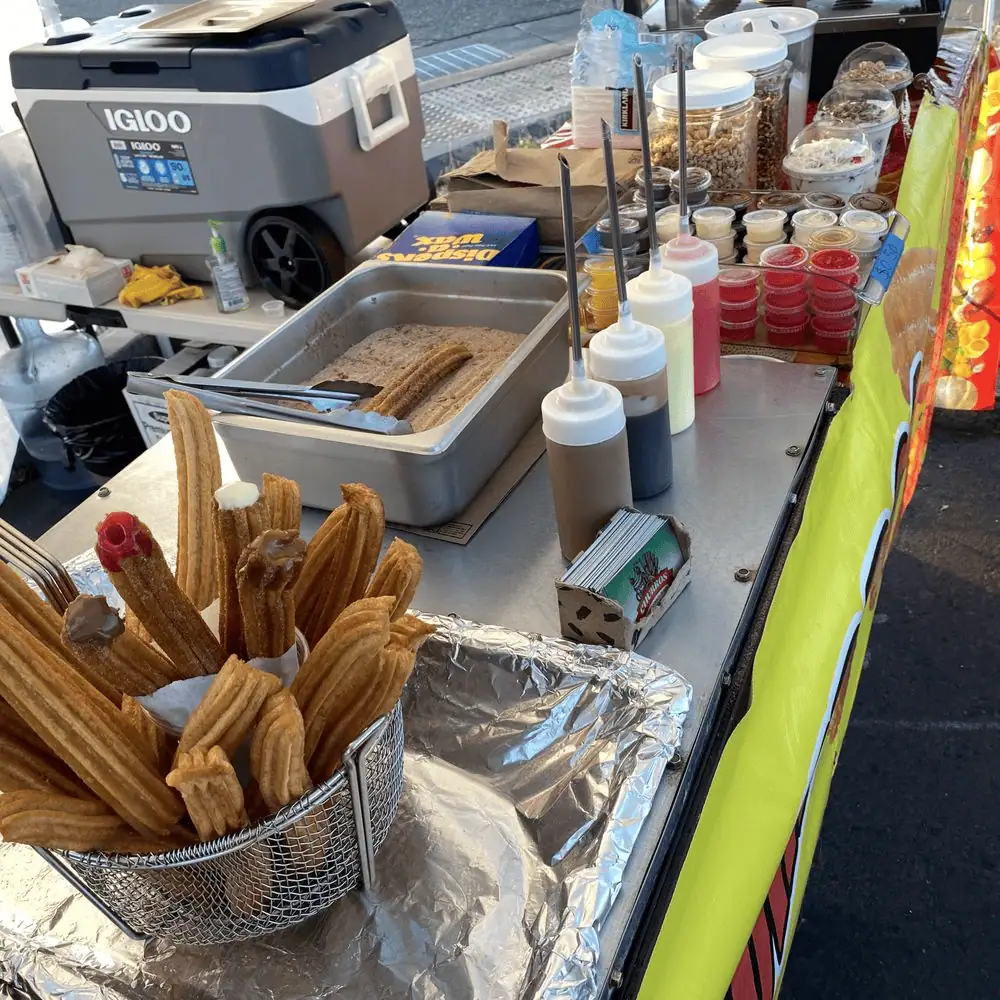
Travelers often queue for churros at the most crowded, visible stands, assuming popularity guarantees quality. Locals usually know better. High-traffic vendors often prioritize speed and volume over freshness, leading to oil-heavy churros with bland dough. Residents tend to favor smaller bakeries or neighborhood stalls where churros are made to order and fried in cleaner oil. The food itself isn’t the issue; it’s the location and turnover. Tourists chase visibility, while locals chase consistency. The best churros are rarely found where the longest lines are already forming.
Street Food Near Cruise Ports or Transit Hubs
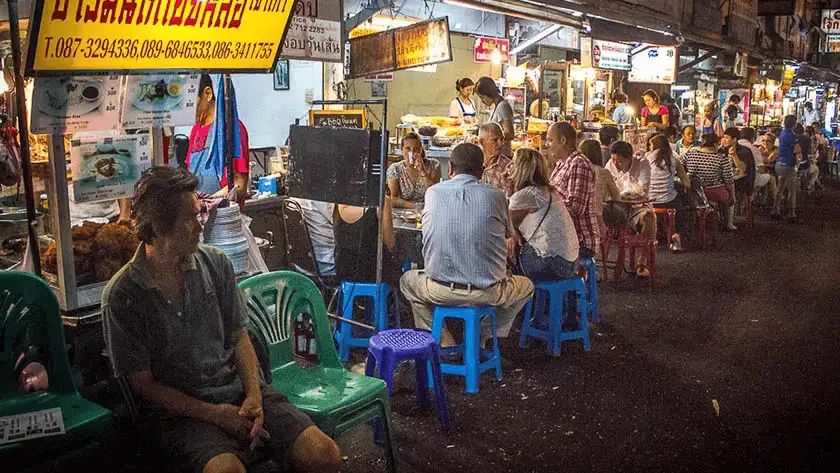
Street food near cruise terminals, train stations, or major transit hubs often earns praise from travelers for convenience and availability. Locals usually avoid these areas entirely when eating. They know prices are inflated, and quality varies wildly due to transient crowds. Vendors in these zones cater to speed and one-time customers rather than repeat locals. What feels accessible and reassuring to visitors often signals compromise to residents. Locals associate good street food with neighborhoods, not gateways. The closer food is to mass transit exits, the less likely it is to reflect how people actually eat day to day.
