
10 Grocery Store food Brands that Still Outshine Premium Labels
Premium branding doesn’t always translate to better food. In blind taste tests, everyday cooking, and long-term shopping habits, several classic grocery store brands continue to outperform upscale competitors. Their strength isn’t trendiness or packaging, it’s consistency, balance, and formulas refined over decades of mass use. These brands are engineered to work across kitchens, not just impress once. While premium labels often chase novelty, these staples win on repeatability and reliability. Again and again, they prove that everyday eating rewards precision more than prestige, especially when flavor has to hold up meal after meal.
Heinz
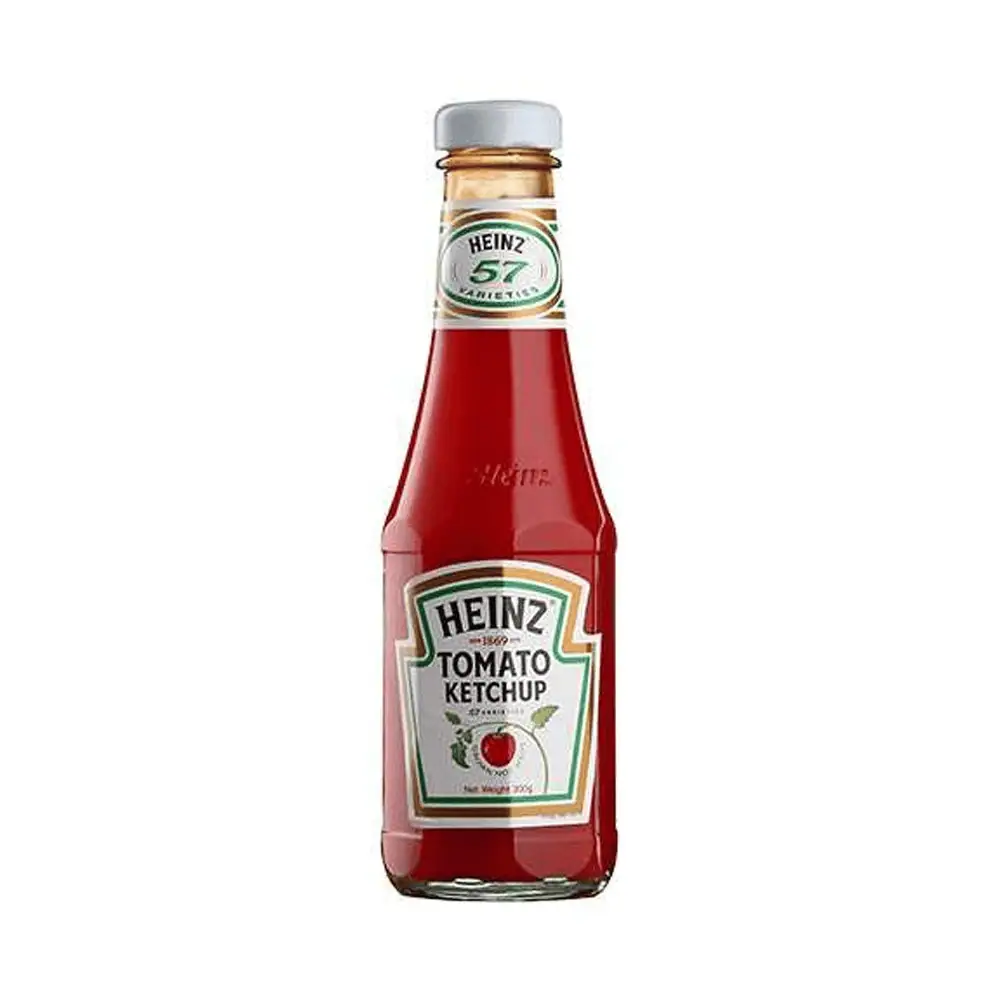
Heinz ketchup remains the benchmark despite a crowded field of gourmet alternatives. Its balance of sweetness, acidity, salt, and texture is exceptionally precise, making it adaptable across fries, burgers, eggs, and countless other foods. Many premium ketchups skew too vinegary, too sweet, or overly spiced, limiting their versatility. Heinz stays neutral yet flavorful, enhancing food without dominating it. Familiarity plays a role, but consistency matters more bottle after bottle, the flavor never drifts. That reliability is why chefs and home cooks alike keep returning to it, even when more expensive options promise sophistication.
Kerrygold

Kerrygold often sits alongside premium butters, yet it consistently outperforms many higher-priced artisanal options. Its higher butterfat content delivers richness without heaviness, while the clean dairy flavor works equally well for spreading, baking, and cooking. Unlike some specialty butters that shine only in specific uses, Kerrygold performs reliably across techniques and temperatures. Bakers value its predictability, and cooks trust its flavor clarity. Though marketed as a specialty product, its real strength lies in performance, proving that dependable quality can matter more than exclusivity in everyday kitchen use.
Campbell’s

Campbell’s soups continue to outperform many premium refrigerated and jarred options where it matters most: comfort and consistency. While upscale soups often promise freshness or chef-driven flavors, they can feel unfamiliar or uneven from batch to batch. Campbell’s formulas are engineered for balance, shelf stability, and repeat satisfaction. The flavors are predictable in a reassuring way, delivering the same experience every time the can is opened. That reliability makes them dependable staples for everyday meals, proving that familiarity and consistency often outweigh novelty when people want something comforting and easy.
Jif
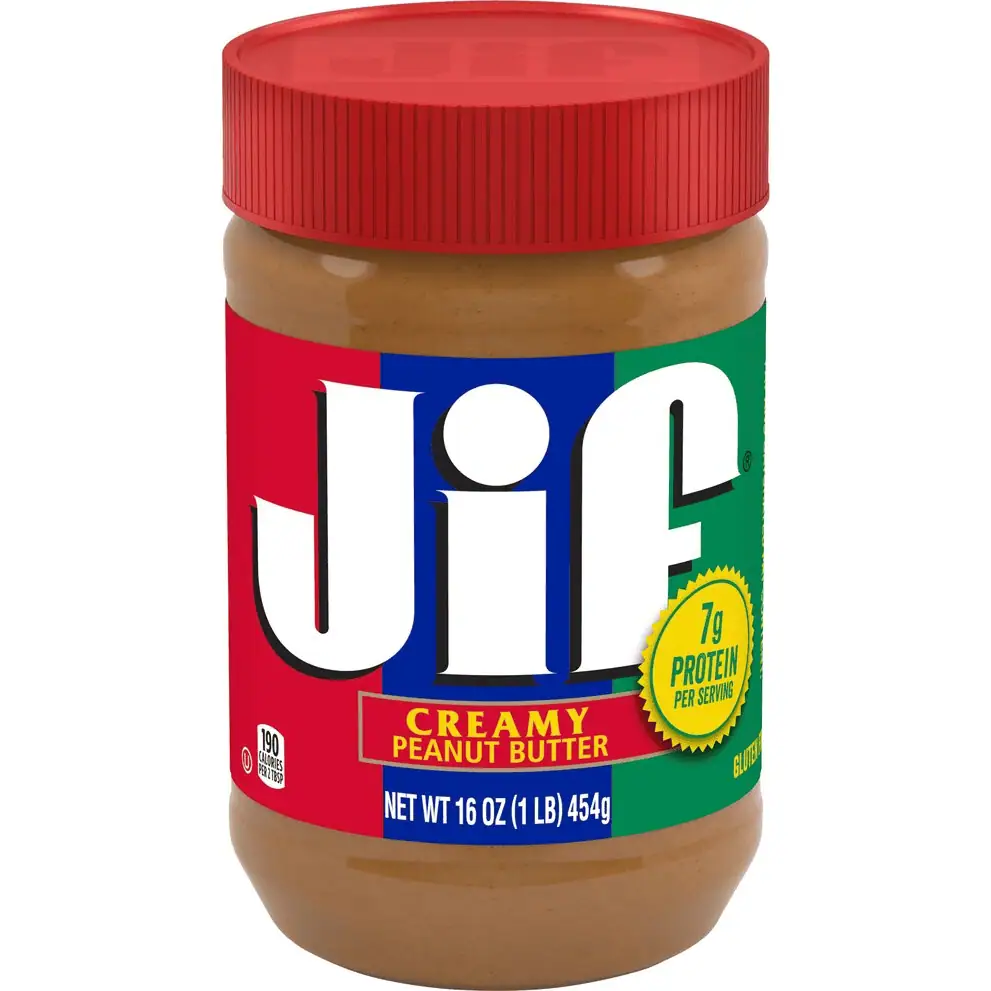
Jif consistently outperforms many premium and “natural” peanut butters in taste tests and everyday use. Its smooth texture, balanced sweetness, and roasted peanut flavor make it immediately appealing and easy to spread. High-end peanut butters often separate, taste bitter, or feel gritty, requiring stirring and adjustment. Jif’s formulation avoids those issues, prioritizing usability and flavor balance. Rather than chasing minimal ingredients for prestige, it delivers a product that works straight from the jar. That practicality is why many premium versions fail to offer a meaningful upgrade.
Barilla

Barilla pasta performs exceptionally well in real-world kitchens, often surpassing boutique imported brands in reliability. Its texture holds up during cooking, resists overcooking, and allows sauces to cling evenly. While premium pastas may emphasize heritage wheat or bronze-cut processing, they can be less forgiving and inconsistent for everyday meals. Barilla’s strength lies in accessibility and precision, producing consistent results across different dishes and skill levels. For home cooks who value dependable timing and texture, it often delivers better outcomes than far more expensive specialty pastas.
Tillamook

Tillamook cheeses consistently outperform many higher-priced specialty cheeses in everyday cooking and eating. Their sharp cheddar, in particular, strikes a clean balance between richness and bite, avoiding the harshness or uneven aging found in some premium options. Meltability is another advantage, Tillamook performs reliably in grilled sandwiches, sauces, casseroles, and snacks without breaking or becoming greasy. While artisanal cheeses may offer more nuance, they’re often less versatile. Tillamook’s strength is dependability, delivering consistent flavor and texture across uses, which is why many cooks reach for it over more expensive, less predictable alternatives.
Philadelphia

Philadelphia cream cheese remains the benchmark for smoothness, tang, and structural stability. Many premium alternatives promise higher quality but end up tasting flat, overly dense, or inconsistent once used. Philadelphia’s texture spreads easily, blends cleanly, and holds up in both sweet and savory applications. Bakers rely on it for cheesecakes and frostings because it behaves predictably under heat and mixing. That reliability is difficult to improve upon. Rather than reinventing the product, Philadelphia has refined it, making it a staple that luxury labels rarely surpass in either performance or flavor balance.
Kikkoman

Kikkoman soy sauce continues to outperform many boutique soy sauces through balance rather than intensity. Its salinity, umami depth, and mild sweetness are the result of controlled fermentation, creating a flavor that enhances food without overpowering it. Premium soy sauces can taste overly sharp, thin, or inconsistent from bottle to bottle. Kikkoman’s consistency makes it dependable for marinades, stir-fries, dipping, and finishing dishes. Cooks value that predictability in everyday use. Instead of novelty, Kikkoman delivers harmony, proving that refinement and reliability often matter more than exclusivity in the kitchen.
Duncan Hines
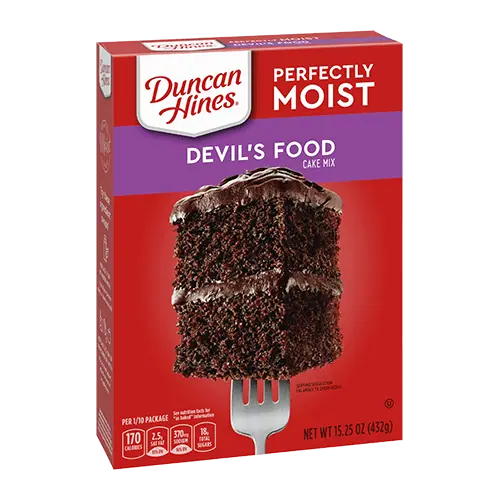
Duncan Hines baking mixes consistently outperform many premium boxed and “artisan-style” mixes in blind taste tests. Cakes made from their mixes score high on moisture, crumb structure, and flavor balance, delivering results that feel reliably homemade. While upscale mixes often focus on cleaner labels or niche ingredients, they can be finicky or dry if handled imperfectly. Duncan Hines prioritizes performance over marketing claims, reducing risk for home bakers. The formulas are forgiving, consistent, and easy to execute, which is why they continue to win where it matters most, on texture, taste, and dependable results straight from the oven.
Trader Joe’s
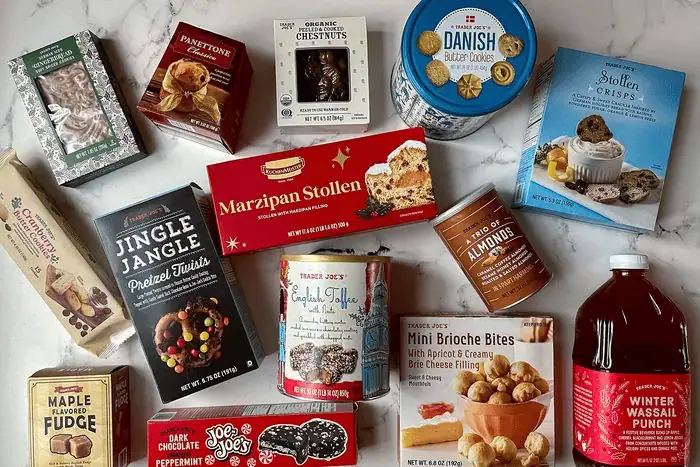
Trader Joe’s private-label products routinely outperform premium competitors across categories, from frozen meals and sauces to snacks and desserts. Their edge comes from selective sourcing and aggressive internal testing rather than flashy branding. Products that don’t meet standards are quietly discontinued, while strong performers are refined and kept affordable. Many Trader Joe’s items rival or beat luxury brands at a fraction of the price. This approach proves that smart curation, tight quality control, and focused product development can matter more than upscale packaging, making Trader Joe’s one of the most reliable brands in everyday grocery shopping.
