
Skipping Lunch at Home? Here’s What Office Lunches Are Quietly Costing You in 2026
Skipping lunch at home often feels like a practical time-saver. Packing food requires planning, containers, and mental energy, while office lunches promise convenience and effortless social connection. In 2026, though, that convenience carries hidden costs that extend far beyond the receipt. Daily takeout quietly reshapes spending habits, stretches lunch breaks, and influences energy levels in ways people rarely track. What seems like a small, harmless choice becomes a pattern, one that subtly affects budgets, routines, and how the workday actually feels from afternoon onward.
The Financial Leak That Doesn’t Feel Like One
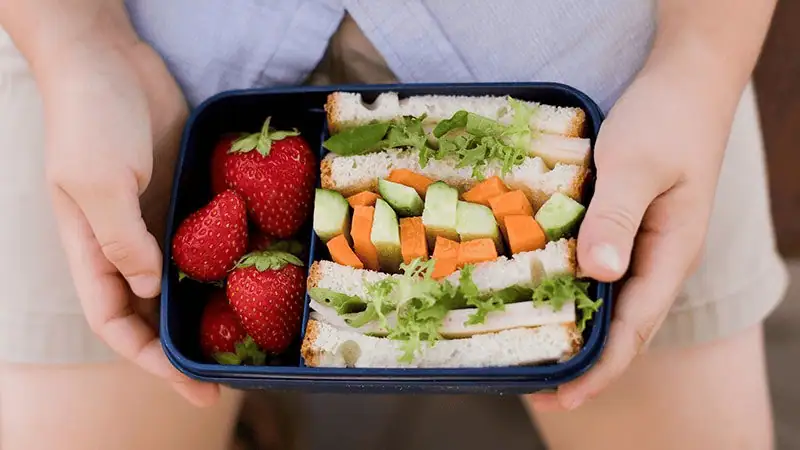
Skipping lunch at home rarely feels like a spending decision, which is exactly why it becomes costly. Office lunches tend to land in the “reasonable” category, nothing extravagant, nothing alarming. But in 2026, prices in business districts have climbed faster than grocery costs, and that daily $8–$15 quietly compounds. By midyear, many workers are shocked at how much they’ve spent without a single memorable purchase. The danger isn’t overspending once; it’s spending a little, often, in ways that never feel serious enough to track.
Productivity Loss Disguised as Convenience
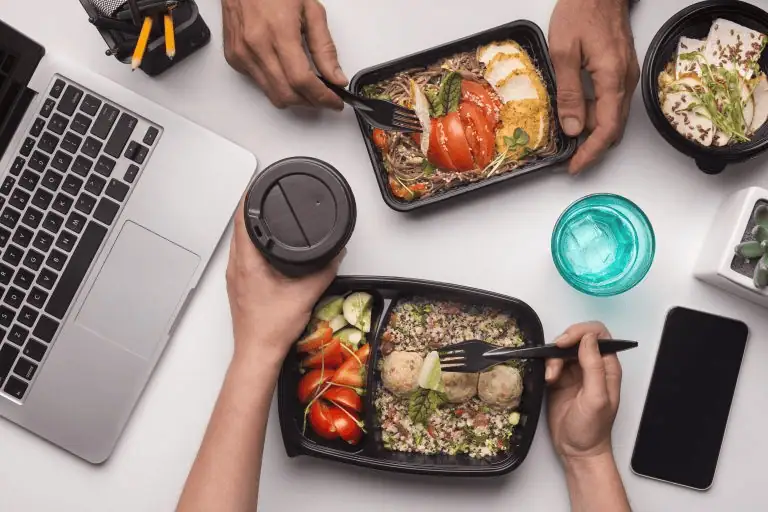
Office lunches are marketed as time-saving, but they often stretch the workday in subtle ways. Waiting in lines, negotiating group decisions, or walking farther than planned quietly eats into breaks. When time runs short, rushed takeout or delivery replaces intention, leading to heavier, less balanced meals. Workers frequently report afternoon fatigue and focus dips, not from lack of food, but from meals that spike energy briefly and drop it fast. What feels convenient at noon can quietly undermine concentration for the rest of the day.
Social Pressure Shapes What You Eat
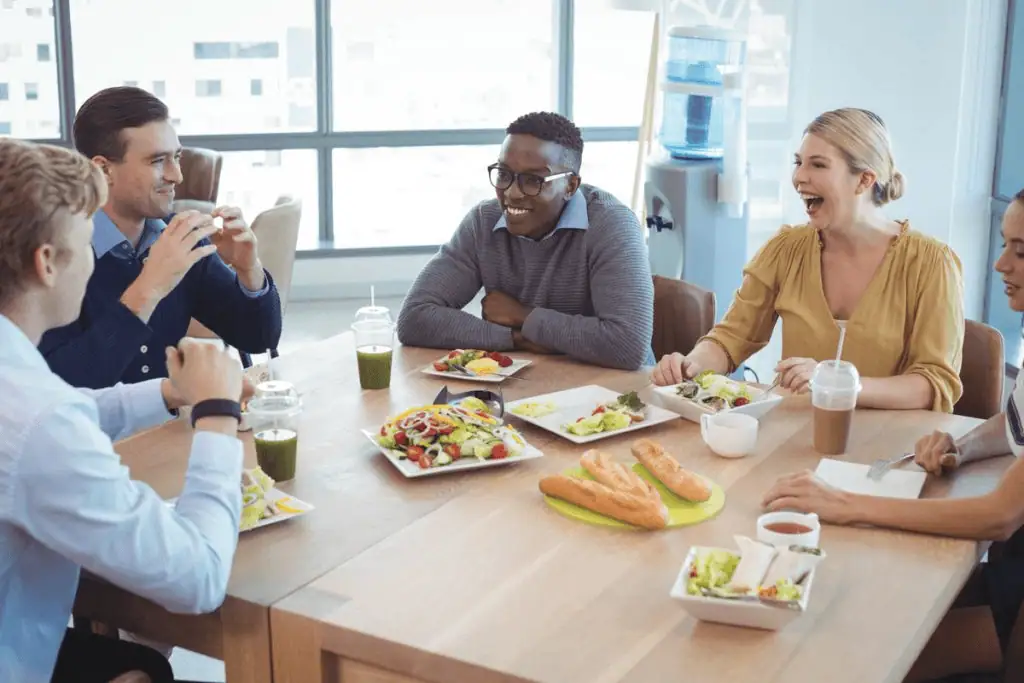
Office lunch culture quietly dictates choices more than most people realize. Group plans, trending spots, and casual “what are we getting?” messages make opting out feel socially awkward, even when you’re not hungry or trying to save money. Sitting with an empty desk or a packed lunch can feel like breaking an unspoken rule. Over time, lunch stops being about nourishment and becomes about participation. That pressure nudges people into spending and eating habits they didn’t actively choose, slowly overriding personal preferences, routines, and budgets without ever feeling like a conscious decision.
The Control You Give Up Without Noticing
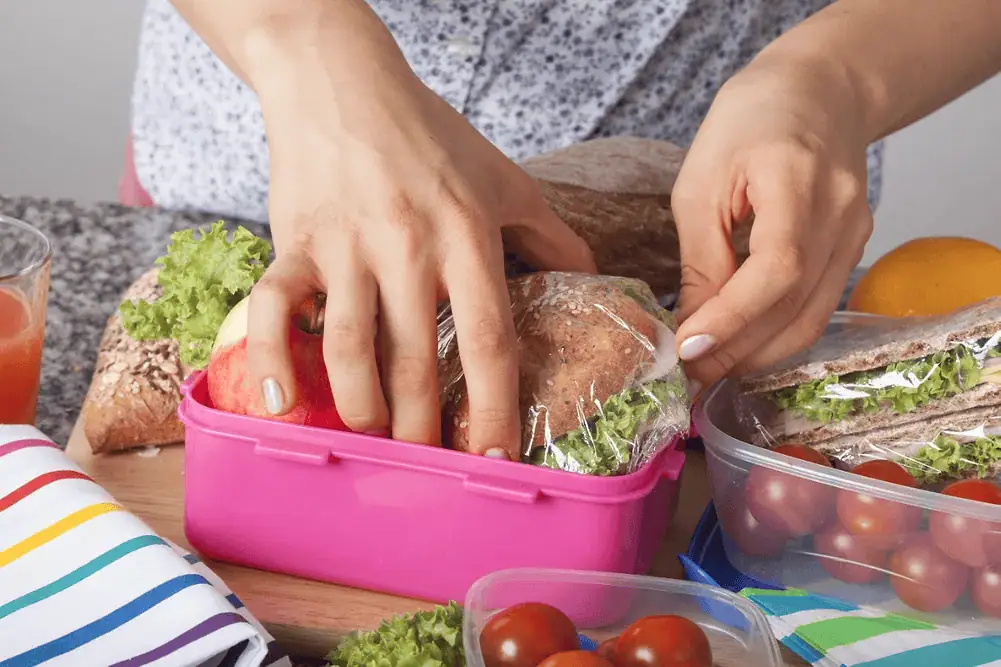
Packing lunch at home offers quiet control over ingredients, portions, timing, and how food fits into your day. Office lunches hand that control to menus designed for speed and profit. In 2026, that often means higher sodium, heavier portions, and meals built for immediate satisfaction rather than sustained energy. The loss isn’t dramatic, but it’s consistent. Day by day, people give up agency over a basic routine. The real cost isn’t just money, it’s how easily control over daily eating habits slips away without resistance.
