
Chefs Say These 8 Dishes Were Once Top Orders But Not Anymore
The culinary landscape constantly evolves, with dishes falling in and out of favor. Here, we explore eight once-popular dishes that chefs say were top orders but have since declined in demand. Understanding why these classics faded can offer insights into changing tastes and trends.
Chicken à la King: From Luxe to Lost

Once a symbol of elegance, Chicken à la King regularly appeared on upscale restaurant menus and banquet tables throughout the mid-20th century. Its creamy sauce, tender chicken, and mushrooms felt indulgent at a time when rich, composed dishes defined fine dining. Today, chefs say it struggles to compete with lighter, more globally inspired flavors. The heavy cream base feels dated to diners seeking fresher textures and bolder seasonings, while its presentation lacks the visual appeal modern menus rely on. Though comforting and nostalgic, Chicken à la King is now more likely found in home kitchens than restaurant dining rooms.
Get the recipe: Chicken à la King
Beef Wellington: A Costly Classic

Beef Wellington once impressed diners with its dramatic presentation and layers of craftsmanship, tender beef fillet, mushroom duxelles, prosciutto, and golden pastry. Chefs now admit the dish has become a logistical challenge in modern kitchens. Rising beef prices, labor-intensive prep, and precise timing make it risky to execute at scale. With tighter margins and faster service expectations, many restaurants can’t justify dedicating hours to a single entrée. While still admired for its technical skill, Beef Wellington has largely shifted from regular menus to special occasions or tasting events rather than everyday top orders.
Lobster Thermidor: Luxury Fades
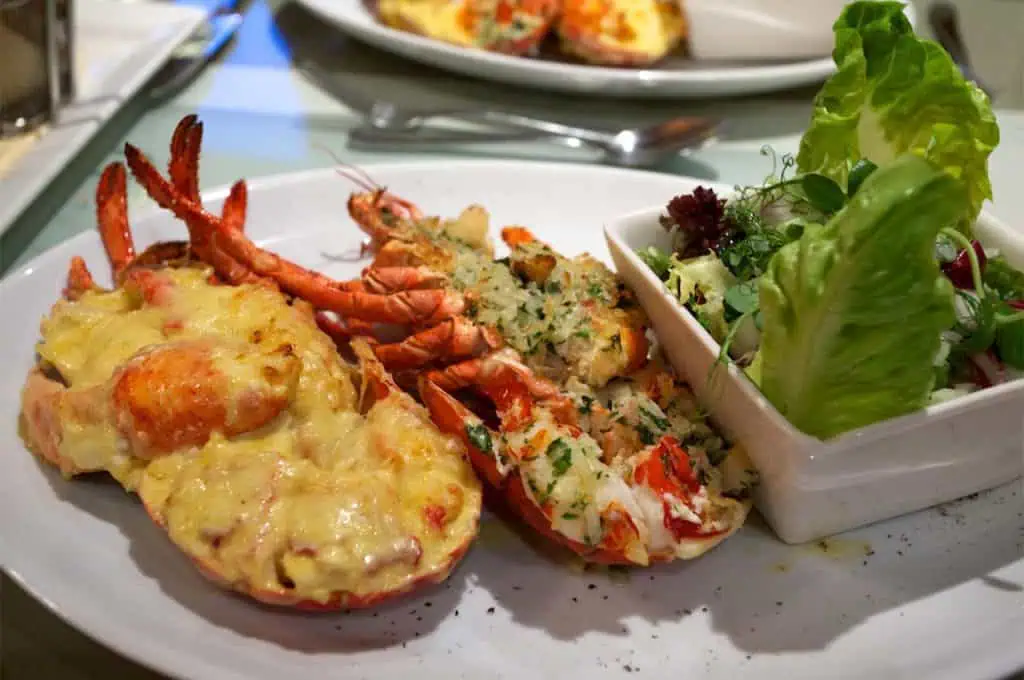
Lobster Thermidor once defined classic luxury dining, pairing rich cream sauce, mustard, cheese, and lobster in an over-the-top presentation. However, chefs say its appeal has faded as diners’ tastes have evolved. The dish’s heavy sauces often overwhelm the delicate flavor of lobster, clashing with today’s preference for cleaner, ingredient-forward cooking. Add rising seafood costs and sustainability concerns, and many restaurants have quietly removed it from menus. While still admired as a relic of old-school fine dining, Lobster Thermidor now feels more theatrical than practical for modern diners.
Baked Alaska: The Showstopper Fizzled
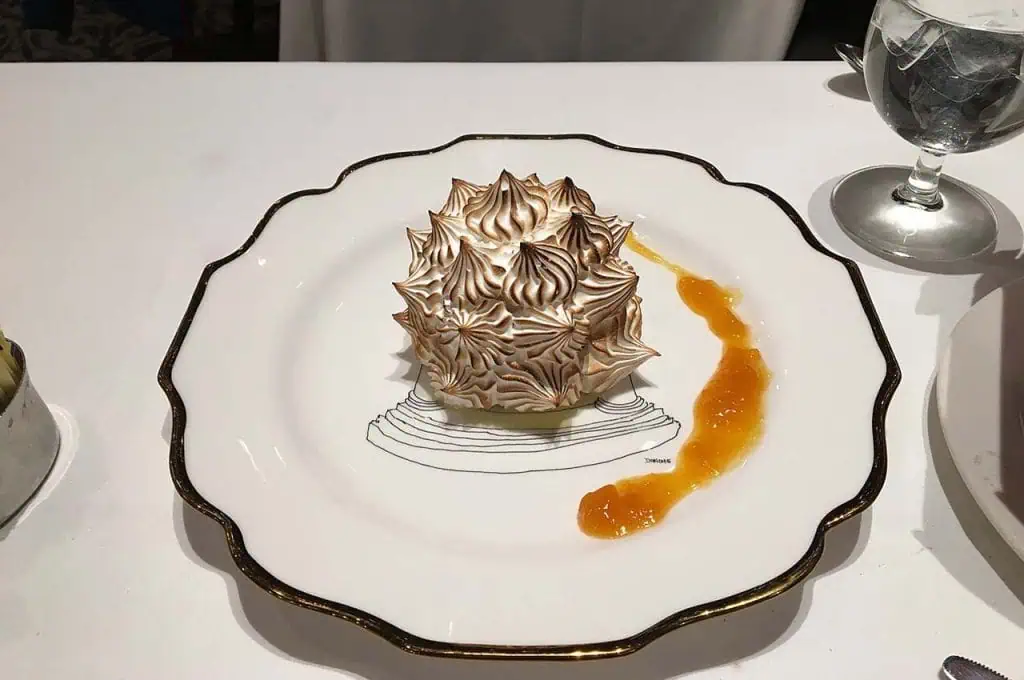
Baked Alaska once guaranteed gasps in the dining room, arriving tableside in a blaze of flames and theatrical flair. The contrast of ice cream, cake, and toasted meringue embodied an era when spectacle was as important as flavor. Today, chefs say the drama no longer justifies the effort. Fire safety rules, time constraints, and changing diner expectations have made tableside desserts less practical. Many guests now prefer refined, plated sweets over flashy presentations. While Baked Alaska still holds nostalgic charm, it has largely disappeared from menus that prioritize efficiency and modern dessert aesthetics.
Veal Piccata: Ethics Shape Menus

Veal Piccata was once a staple of Italian-American restaurants, celebrated for its tender meat and bright lemon-caper sauce. Over time, growing awareness around animal welfare and ethical sourcing dramatically shifted public perception of veal. Chefs report that even responsibly raised veal struggles to win over diners who associate it with outdated farming practices. As a result, many kitchens have replaced veal with chicken or pork versions that feel more acceptable to modern values. The flavors remain beloved, but the original dish has quietly slipped from top-order status.
Get the recipe: Classic Veal Piccata with Lemony Pan Sauce
Aspic Entrées: Looks Aren't Everything

During the mid-20th century, aspic-covered entrées symbolized culinary sophistication, showcasing meats and vegetables suspended in glossy gelatin. At the time, the technique demonstrated skill and preservation prowess. Today, chefs say the visual effect works against them. Modern diners favor natural textures and fresh-looking plates, making gelatin-coated dishes feel artificial or unappetizing. Social media has further accelerated the decline, as aspic rarely photographs well compared to vibrant, minimalist presentations. Once a hallmark of refinement, aspic has become a reminder that trends in plating can change faster than recipes.
Get the recipe: Tomato Aspic
Tuna Casserole: From Staple to Scarce
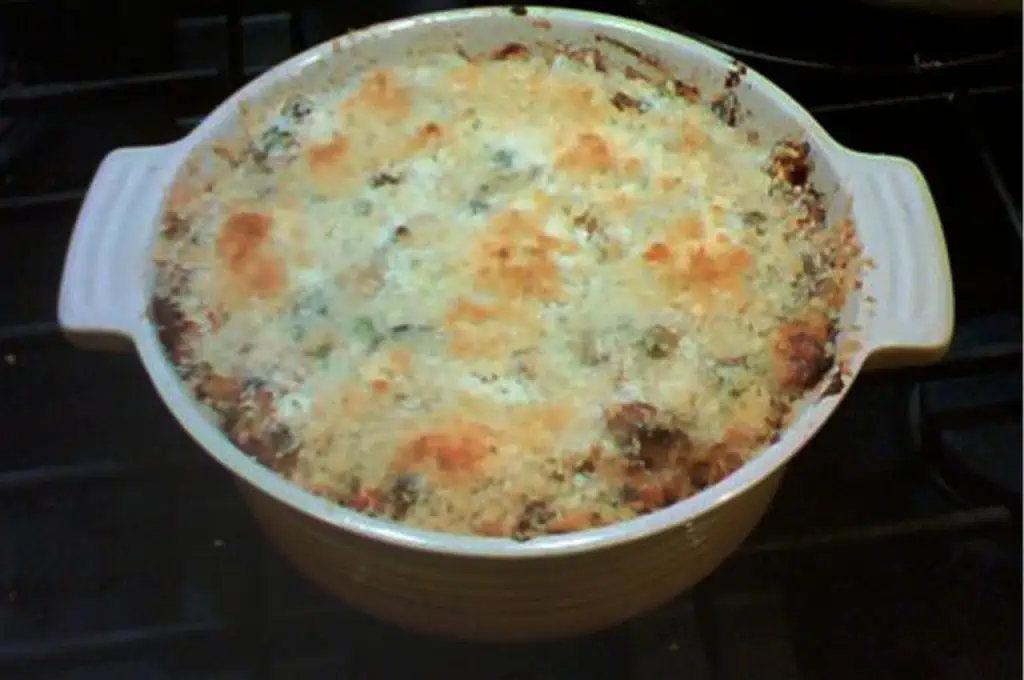
Tuna casserole once defined comfort dining, appearing on countless restaurant menus as a reliable, budget-friendly crowd-pleaser. Its creamy sauce, noodles, and canned tuna fit an era focused on convenience and familiarity. Chefs say its decline comes from shifting tastes and ingredient standards. Modern diners now associate it with home cooking or retro potlucks rather than dining out. With fresher seafood options available and lighter preparations in demand, tuna casserole feels dated on contemporary menus, leaving it more likely to appear in nostalgia-themed specials than as a top-selling entrée.
Steak Diane: Flames No Longer Ignite
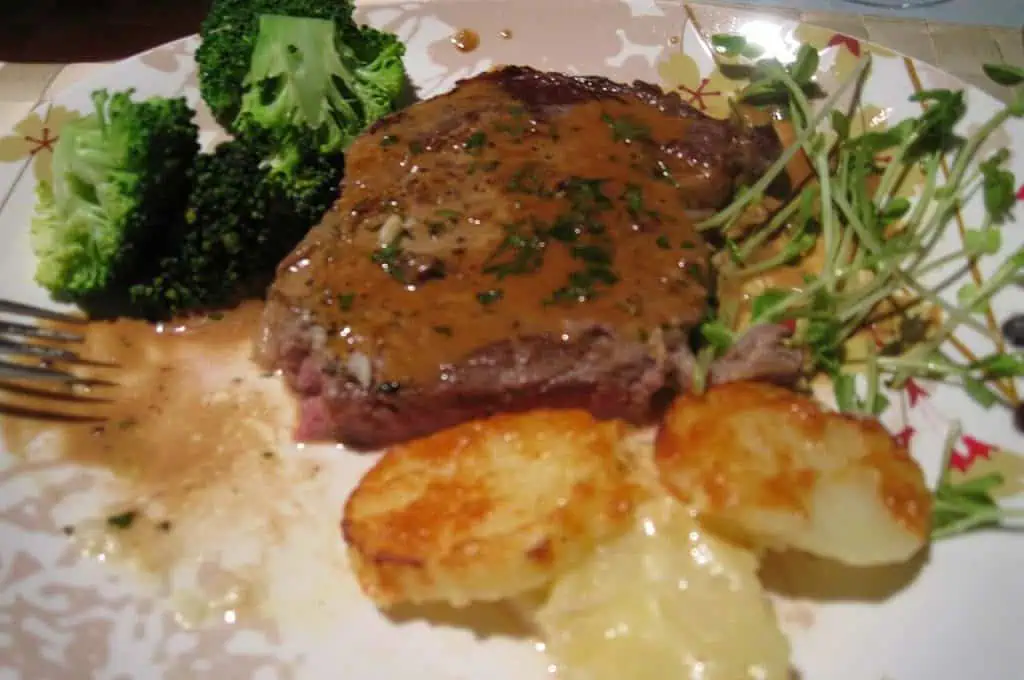
Steak Diane was once the ultimate expression of tableside drama, finished with cognac and set aflame before guests. The ritual made it a fine-dining icon, blending rich sauce with theatrical flair. Today, chefs say the spectacle has lost its appeal. Fire codes, labor costs, and faster service models make tableside flambé impractical. Diners now prioritize ingredient quality and precise cooking over performance. While the flavors of Steak Diane still resonate with classic steak lovers, the once-exciting flames no longer justify its place as a menu centerpiece.
