
Why Seafood Has America Divided More Than Any Other Protein
Seafood occupies a strange place in American food culture. It’s praised as healthy and sustainable, yet avoided by millions who actively dislike it. Unlike chicken or beef, seafood acceptance varies sharply by region, upbringing, and exposure. For some Americans, seafood is everyday comfort food. For others, it feels unfamiliar, expensive, or risky. These divides go deeper than taste, revealing how geography, trust, and food culture shape what people are willing to eat.
Geography Shapes Taste First

Americans who grow up near coastlines are more likely to see seafood as normal, fresh, and affordable. In coastal regions, fish markets, dockside restaurants, and family recipes make seafood part of everyday eating. In contrast, inland areas often encounter seafood primarily in frozen, breaded, or heavily processed forms, which alters texture and flavor. That early exposure plays a major role in shaping perception. When seafood is associated with freshness and routine, it builds trust. When it’s linked to strong smells or freezer burn, avoidance often becomes instinctive.
Seafood Has a Trust Problem

Unlike beef or chicken, seafood requires consumers to evaluate freshness, smell, and sourcing before they feel comfortable buying or cooking it. Many Americans worry about spoilage, hidden bones, or food safety, especially if seafood wasn’t part of their upbringing. A bad experience with fish tends to linger longer than a disappointing burger or chicken dish. That lasting impression creates hesitation that doesn’t exist with more familiar proteins. Even confident home cooks often feel uncertain preparing seafood, reinforcing the divide between frequent seafood eaters and those who avoid it entirely.
Texture Is More Polarizing Than Flavor

Seafood textures vary widely, ranging from flaky white fish to chewy shellfish and soft, slippery mollusks. This variability challenges eaters who prefer predictable, familiar bites. While chicken may change in flavor depending on preparation, its texture stays relatively consistent. Seafood does not offer that same reliability. For many Americans, texture becomes the true dealbreaker rather than taste. A single unpleasant experience can lead someone to avoid the entire category, a reaction that rarely happens with other proteins like beef or poultry.
Cost and Occasion Matter
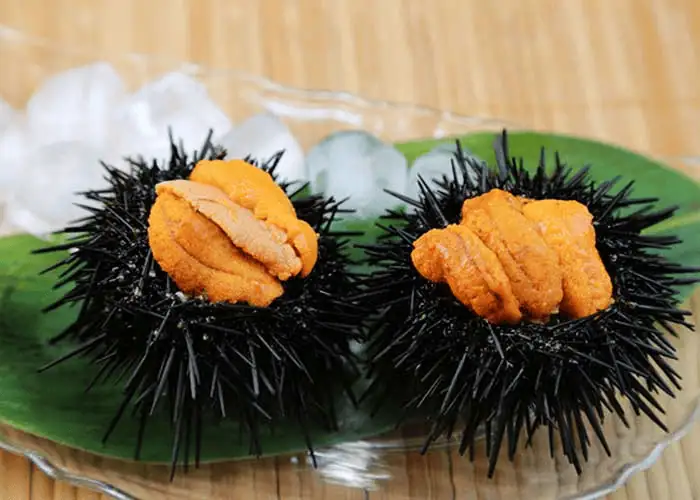
Seafood is often framed in American culture as a special-occasion food rather than a weekly staple. Items like lobster, scallops, and fresh fillets are typically priced higher than most meats, which makes seafood feel optional or indulgent instead of routine. When foods are eaten only occasionally, people never develop real comfort or confidence with them. Beef and chicken benefit from constant repetition and familiarity. Seafood, by contrast, remains distant both economically and emotionally making it harder to integrate into everyday meals.
Cultural Framing Reinforces the Divide

In the U.S., seafood is often framed at opposite extremes: upscale restaurant fare or fried fast food. There’s relatively little everyday, middle-ground seafood compared to many global cuisines where fish is a routine staple. This split makes seafood harder to normalize in daily meals. When it’s seen either as a splurge or a greasy indulgence, people struggle to integrate it into regular cooking habits. That limited framing reinforces hesitation and deepens the cultural divide around seafood consumption.
Health Messaging Isn’t Enough
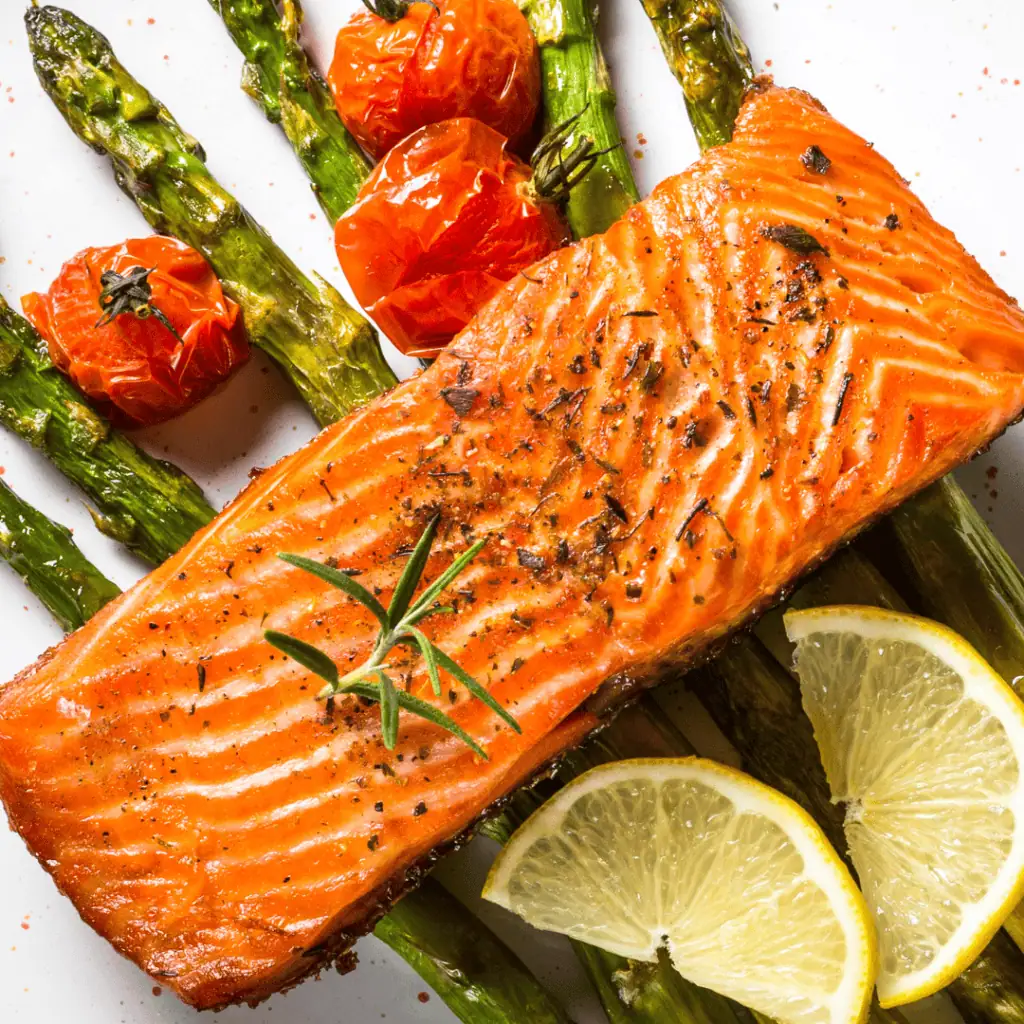
Despite consistent messaging around omega-3s and heart health, seafood consumption in the U.S. remains uneven. Nutritional benefits alone rarely override ingrained habits, lingering fears about smell or preparation, or negative childhood experiences with fish. Many Americans intellectually accept that seafood is healthy while still feeling uneasy about cooking or ordering it. That emotional hesitation creates a gap between knowledge and behavior. This disconnect helps explain why seafood remains more divisive than other proteins, with comfort and familiarity often outweighing health logic.
