
Inside the Original Burger King that looks nothing like Today’s Version
Long before it became a global fast-food giant, Burger King began with a tightly focused menu designed for speed and consistency. The original concept wasn’t about endless options, but about doing a few things efficiently and repeatedly. Early Burger King locations prioritized flame-grilling, standardized portions, and quick service to appeal to a growing car-centric America. That foundational menu set the tone for how the brand would compete, scale, and ultimately define its identity.
The Flame-Grilled Burger
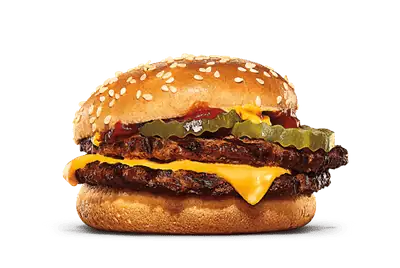
At the center of the original Burger King menu was the flame-grilled hamburger. This cooking method differentiated the brand from competitors using flat-top grills. The smoky flavor became a defining characteristic and an early marketing hook. Rather than offering multiple variations, the focus was on consistency and speed. The flame-grilled burger established Burger King’s promise of bold flavor while keeping operations simple enough to scale.
Limited Toppings and Customization
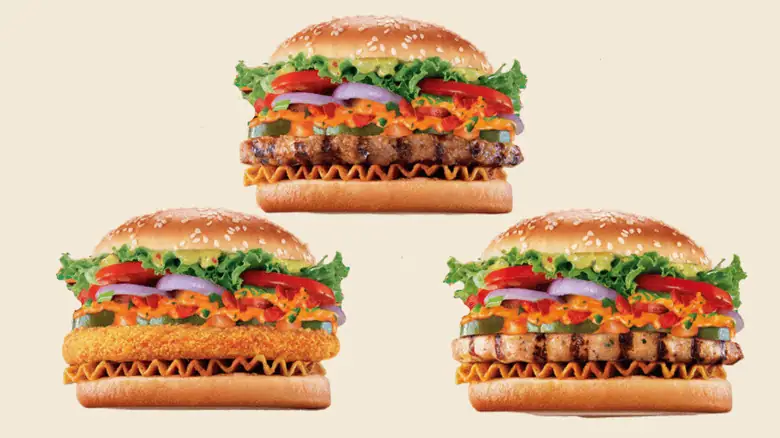
Early Burger King burgers offered minimal toppings, typically lettuce, tomato, onion, pickles, and basic condiments. This limited selection wasn’t about restriction, but efficiency. Fewer ingredients meant faster assembly and easier training. Customization existed, but within narrow boundaries. This structure allowed customers to feel choice without slowing service, reinforcing the balance between personalization and operational control that would later define the brand.
Fries Built for Speed
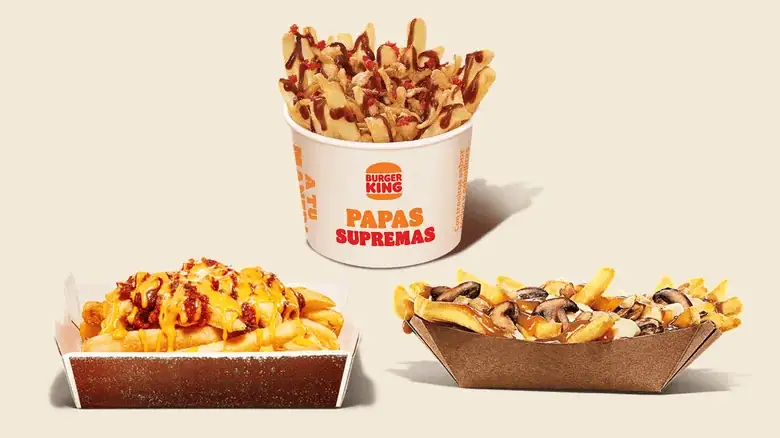
French fries served as a core companion to the burger on Burger King’s original menu because they were fast to cook and broadly appealing. The fries were designed for uniformity, making them easy to portion, predictable in quality, and quick to serve during busy hours. They weren’t marketed as gourmet or distinctive, but as dependable and satisfying. Fries completed the meal without adding complexity to kitchen operations, reinforcing Burger King’s early emphasis on speed, throughput, and consistency rather than culinary experimentation.
Simple Drinks and Desserts
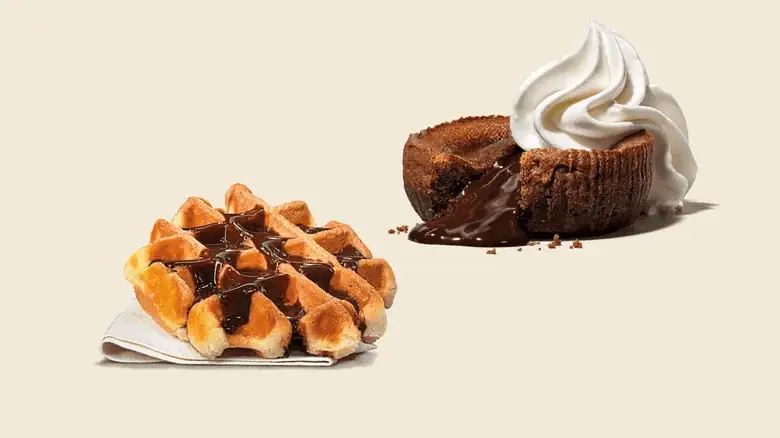
The original menu featured basic soft drinks and only a few dessert options, most commonly milkshakes, chosen for their ease of storage and simple preparation. Desserts played a secondary role, intended to complete a meal rather than stand out on their own. This restraint reflected early fast-food priorities: keeping menus easy to read, moving customers through quickly, and avoiding items that slowed service or required specialized equipment. Every choice supported speed, consistency, and operational efficiency rather than indulgence or excess.
Why the Original Menu Worked
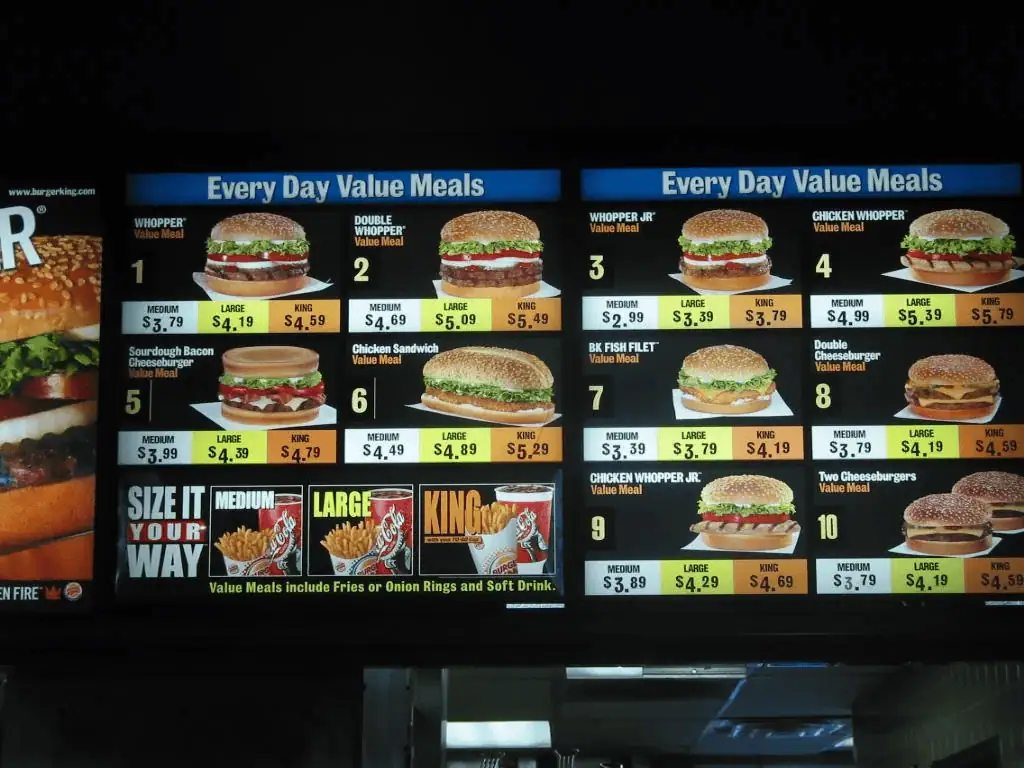
The success of Burger King’s original menu came from discipline rather than variety. By centering operations on flame-grilling, limited choices, and fast, repeatable execution, the brand built a system that scaled reliably. Customers knew exactly what to expect, which reinforced trust, while franchise owners benefited from efficiency and consistency. The menu wasn’t flashy or expansive, but it created a clear identity that made growth possible. Those early principles focus, predictability, and operational simplicity still underpin Burger King’s global presence today.
