
7 Historic Pennsylvania Restaurants Most Visitors Have Never Heard Of but Locals Swear By
Pennsylvania’s food history runs deeper than its famous cities, shaped by immigrant communities, regional ingredients, and decades of consistency. While visitors often gravitate toward well-known destinations, locals remain loyal to restaurants that have served the same dishes for generations. These places rarely chase trends or publicity, relying instead on reputation, memory, and routine. Their value isn’t in spectacle but in continuity, offering meals that feel unchanged by time and deeply tied to place.
Jean Bonnet Tavern (Bedford)
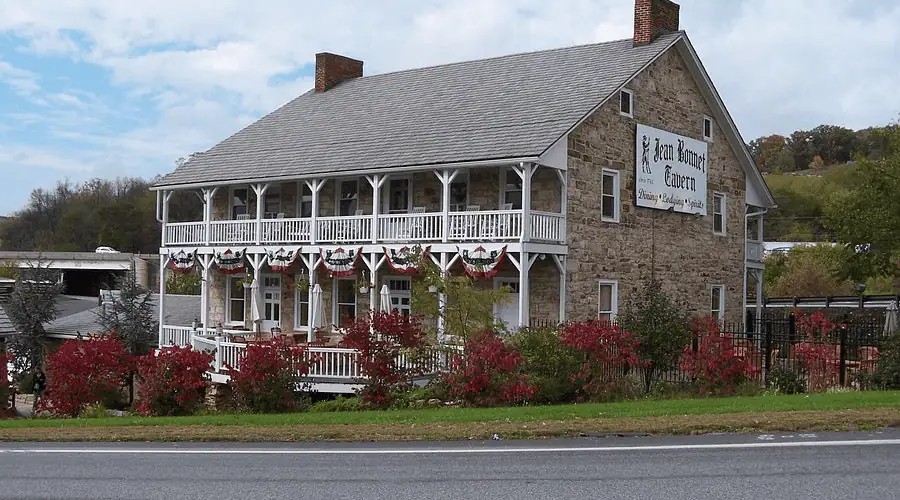
Jean Bonnet Tavern has served travelers since the 18th century, originally operating as a stagecoach stop. Today, locals swear by its hearty tavern fare and old-world atmosphere that reflects Pennsylvania’s colonial roots. The menu leans into comfort foods prepared with restraint, reinforcing tradition rather than reinvention. Eating here feels like stepping into a preserved moment of regional history, where food functions as both sustenance and storytelling.
The Log Cabin (Leola)
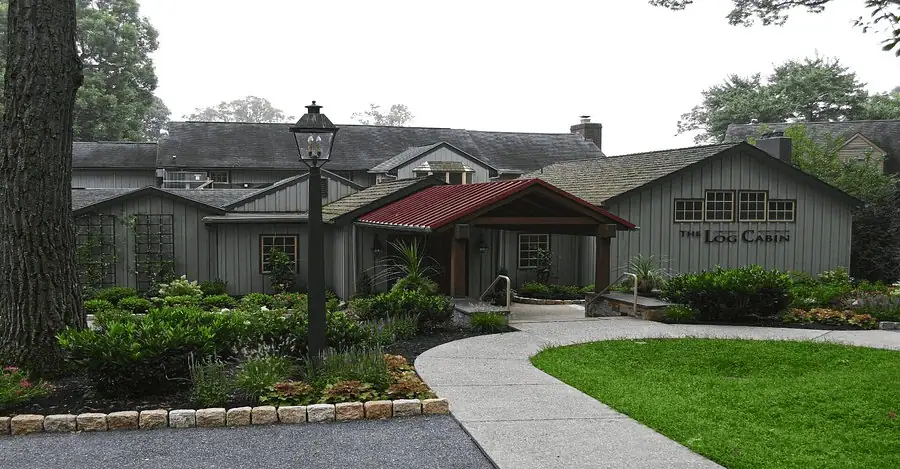
The Log Cabin is deeply woven into Lancaster County’s dining culture, offering refined Pennsylvania Dutch–influenced cooking in a historic setting. Locals return for its consistent execution and respect for classic techniques. The restaurant balances elegance with familiarity, avoiding gimmicks while maintaining high standards. Its longevity reflects trust built over decades, where diners know exactly what kind of experience awaits them every time.
The Union Hotel (Birdsboro)
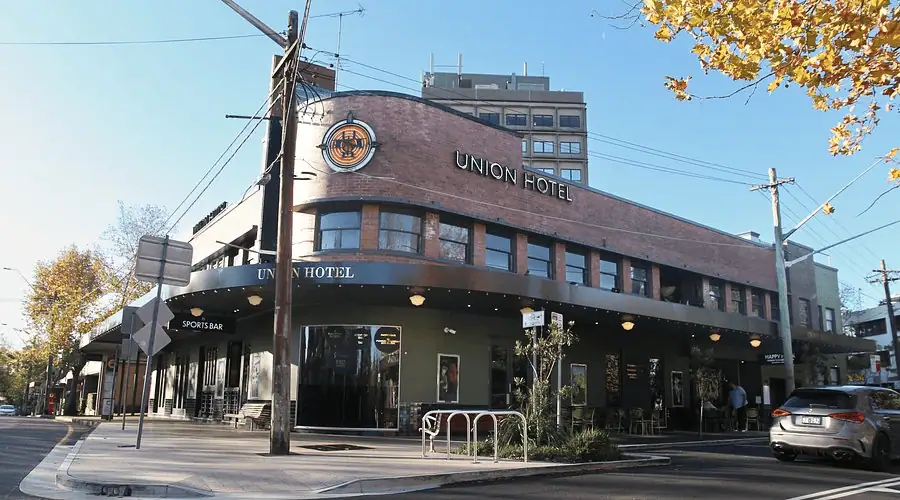
The Union Hotel stands as a quiet symbol of small-town Pennsylvania hospitality. Known locally for its traditional American fare and welcoming atmosphere, it has served generations of families. The menu favors straightforward cooking that values portion, flavor, and familiarity. Its endurance comes from reliability rather than reinvention, making it a gathering place where food anchors community life.
The Black Bass Hotel (Lumberville)
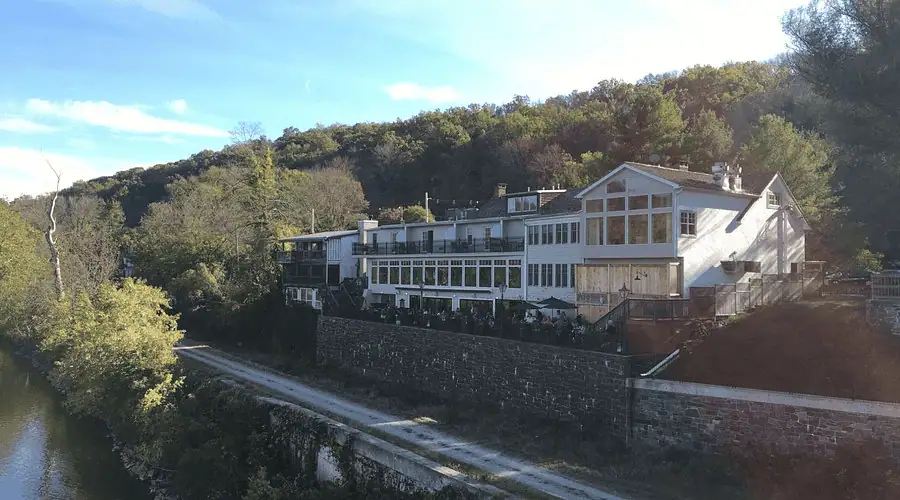
The Black Bass Hotel overlooks the Delaware River and carries a history dating back to the 1700s. Locals appreciate its seasonal approach and respect for regional ingredients rather than flashy presentation. Dining here feels tied to landscape, with menus that reflect both tradition and subtle evolution. The restaurant’s appeal lies in its ability to feel timeless without feeling stuck.
The William Penn Inn (Gwynedd)
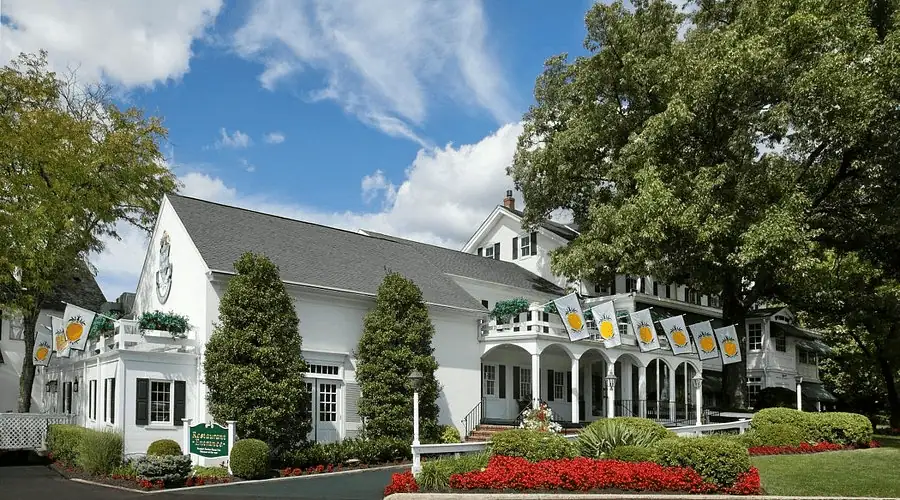
The William Penn Inn has hosted diners since the early 18th century, earning local loyalty through consistency and celebration-worthy meals. Known for holiday traditions and classic preparations, it serves as a culinary landmark rather than a tourist attraction. Families return year after year, reinforcing its role as a keeper of regional dining customs rather than a destination built for novelty.
The Stockyard Inn (Blue Bell)
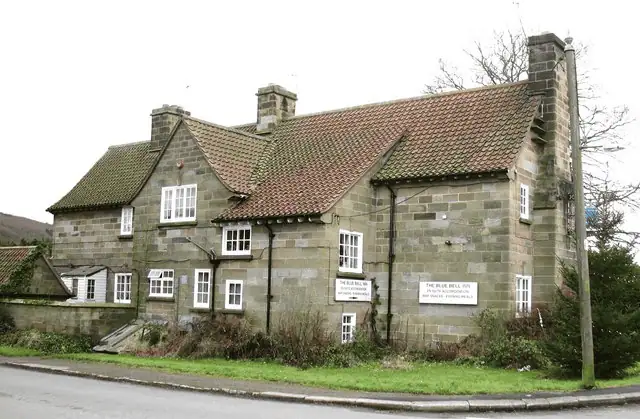
The Stockyard Inn built its reputation on classic steakhouse fare and old-school service. Locals favor it for its unchanging approach to meat, portions, and atmosphere. The dining room feels deliberately preserved, emphasizing ritual and familiarity. Its success shows how Pennsylvania diners value places that respect tradition and resist unnecessary reinvention.
The Summit Inn (Farmington)
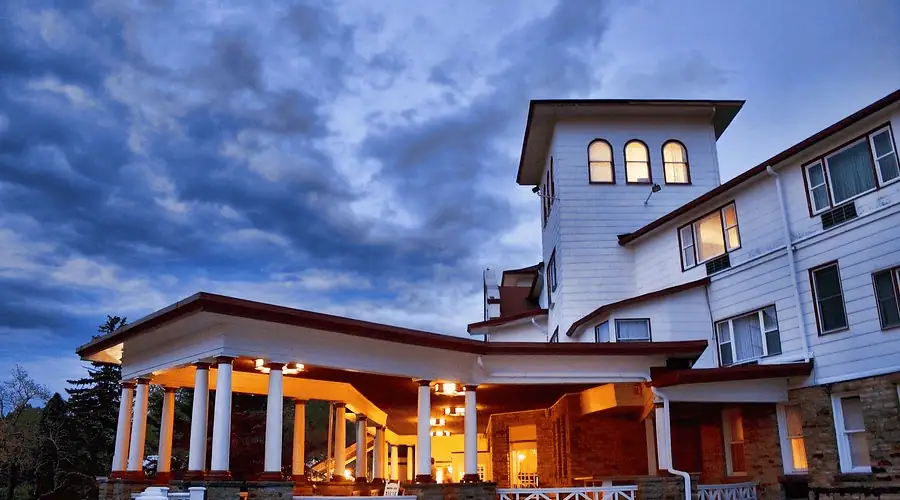
Perched in the Laurel Highlands, The Summit Inn offers sweeping views alongside deeply traditional cooking. Locals cherish it for its sense of place as much as its food, which emphasizes comfort and generosity. The experience feels rooted in another era, where meals are unhurried and familiar. Its continued relevance proves that atmosphere and consistency can outweigh trendiness.
