
10 Foods Served in American Jails That Most People Don’t Know Exist
Food in American jails is built around logistics rather than preference. Budgets are tight, preparation must scale to hundreds or thousands of people, and every item has to meet safety, storage, and control requirements. As a result, correctional facilities rely on foods that rarely appear in everyday grocery conversations. Some are modified versions of familiar items, while others exist almost exclusively within institutional systems. These foods reveal how incarceration reshapes eating into something functional, regulated, and largely invisible to the public.
Nutraloaf

Nutraloaf is one of the most infamous foods served in some U.S. jails and prisons. It’s a dense loaf made by blending standard meal components like vegetables, grains, and protein into a single baked item. Often used as a disciplinary meal, it’s designed to meet basic nutritional requirements while being difficult to misuse or throw. Its texture and appearance make it unrecognizable as traditional food, highlighting how control can override familiarity in institutional eating.
Textured Vegetable Protein Patties

Textured vegetable protein patties are commonly used because they are inexpensive, shelf-stable, and easy to portion. Made from processed soy, they mimic meat texture while costing far less than animal protein. These patties often appear breaded or mixed into casseroles. For incarcerated individuals, they become a routine protein source despite limited flavor. Their prevalence shows how cost efficiency drives menu decisions more than taste or variety.
Institutional Soy Spread

Institutional soy spread resembles peanut butter but is made primarily from soy to avoid allergy issues and reduce costs. It’s often served with bread or crackers as a protein component. While nutritionally adequate, its taste and texture differ noticeably from familiar spreads. Many people outside correctional systems never encounter it, yet it plays a significant role in meeting calorie and protein targets within jails.
Powdered Drink Mixes

Powdered drink mixes are a staple in jail meals because they add flavor to otherwise bland food while remaining cheap and shelf-stable. These mixes are often fortified with vitamins and minerals. They’re usually served diluted and vary widely in taste. For inmates, they provide one of the few flavor changes in daily meals, making them surprisingly important to morale despite their simplicity.
Reconstituted Eggs

Reconstituted eggs are made by mixing powdered egg product with water and cooking it in bulk. This allows facilities to serve eggs without refrigeration concerns tied to fresh shells. The result looks and tastes different from traditional scrambled eggs, often rubbery or pale. While common in institutional settings, most people outside jails never encounter this version of a breakfast staple.
Hot Cereal Blocks

Hot cereal blocks are large-scale servings of oatmeal or grits cooked into dense slabs and portioned out. This method allows kitchens to serve breakfast quickly and consistently. Texture varies depending on preparation, but it’s often thicker and less creamy than home versions. These blocks prioritize efficiency and speed, reinforcing how jail food is designed around workflow rather than enjoyment.
Processed Meat Logs
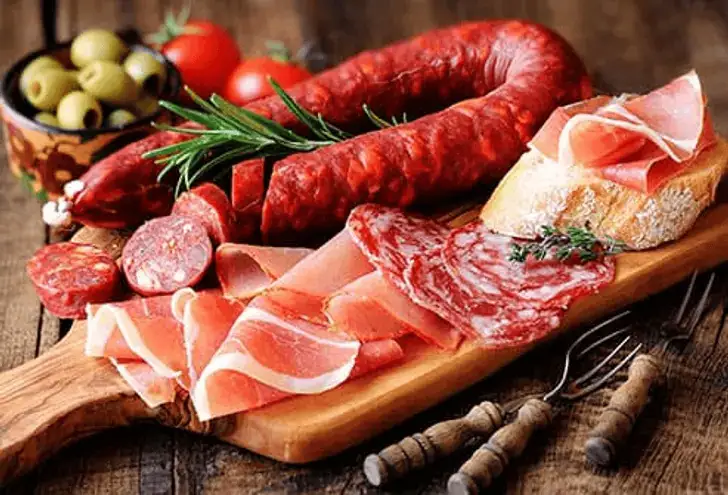
Processed meat logs are used to create uniform slices for sandwiches or hot meals. These logs combine multiple meats or meat byproducts into a single product that can be sliced mechanically. They are heavily processed and seasoned lightly. Their uniformity simplifies inventory and portion control, making them ideal for institutional use even though they rarely appear in retail grocery stores.
Shelf-Stable Bread Products

Bread served in jails is often specially formulated to last longer than standard loaves. It may be denser and less flavorful, but it resists mold and crumbling. Shelf-stable bread ensures fewer losses and less waste, which matters at scale. While bread feels familiar, this version is optimized for durability rather than freshness, making it noticeably different from typical bakery products.
Bulk Canned Vegetables

Vegetables in jails are frequently served from large industrial cans designed for institutional kitchens. These vegetables are cooked extensively, resulting in softer textures and muted flavors. They provide necessary nutrients but lack the variety or freshness people expect. Their use reflects reliance on products that can be stored long-term and prepared with minimal labor.
Institutional Desserts
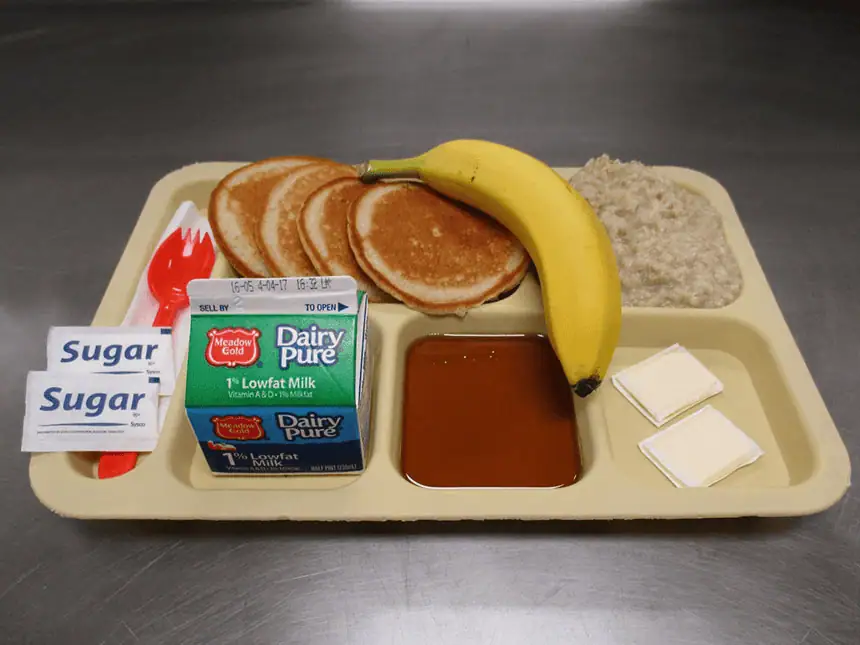
Desserts in jails are often limited to simple items like sheet cake, gelatin, or cookie bars made from bulk mixes. These desserts are portioned carefully and served infrequently. They offer a rare break from monotony rather than indulgence. Most are produced specifically for institutional settings, making them unfamiliar to people outside correctional food systems.
