
What the World Will Be Eating in 2026, According to Global Food Trends
As we approach 2026, food trends are shifting toward sustainability, health, and global flavors. These trends suggest more thoughtful eating habits, focusing on both environmental impact and personal well-being. The culinary landscape is evolving with innovative ingredients and techniques, reflecting a conscious effort to reshape our dining experiences. Let’s explore the leading trends that are shaping what we’ll be eating in 2026.
Plant-Forward Plates Take Center Stage

A focus on plant-forward dining is increasingly prominent, emphasizing vegetables, legumes, and grains as the stars of the plate. Chefs are crafting vibrant dishes that celebrate the natural flavors and textures of produce, elevating humble ingredients with techniques like roasting, fermenting, and pickling. Expect to see hearty vegetables like jackfruit and mushrooms used in creative ways to provide satisfying umami flavors. This shift also encourages the use of locally sourced, seasonal produce, promoting both freshness and sustainability.
Global Street Foods on Everyday Menus
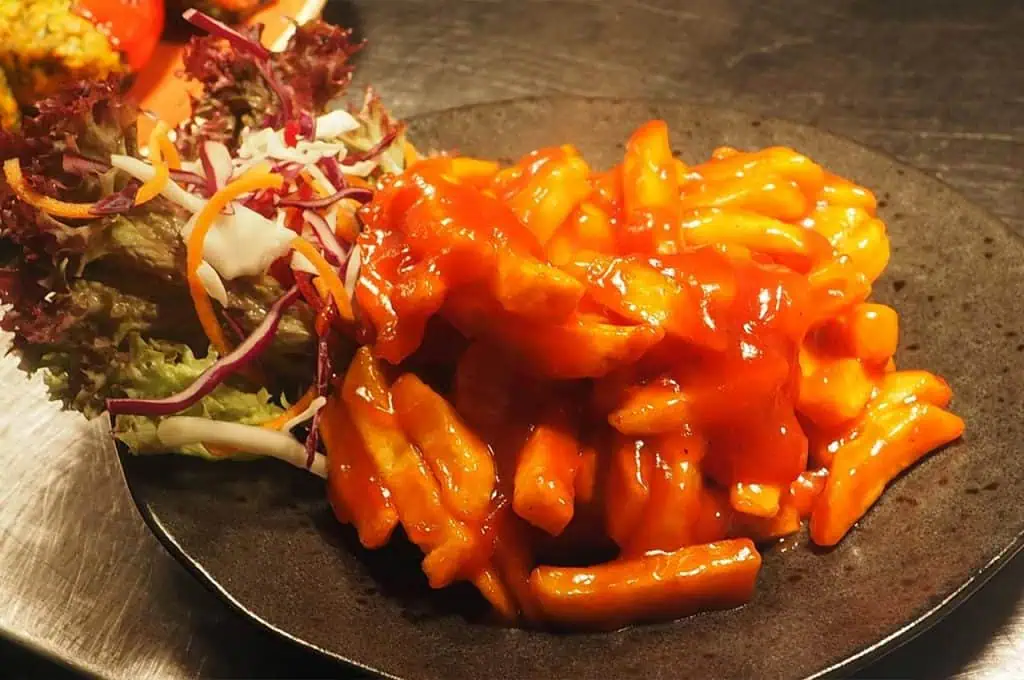
The appeal of global street foods continues to grow, bringing bold flavors and accessible meals to our daily dining routines. These dishes, often characterized by savory, spicy, and tangy notes, are appearing in restaurants and homes alike. Think Korean tteokbokki, Indian chaat, or Mexican elote, which delight the palate with diverse textures and tastes. By incorporating these street food elements, cooks can experiment with authentic seasonings and techniques, like quick grilling or flash frying, to bring global flair to their kitchens.
Functional Foods as Daily Essentials

As consumers become more health-conscious, functional foods, those providing additional health benefits, are gaining popularity. Ingredients such as turmeric, matcha, and adaptogenic mushrooms are being seamlessly integrated into daily meals and snacks. These foods support everything from immunity to mental well-being, aligning with an increasing desire for holistic eating habits. Home cooks are learning to incorporate these ingredients thoughtfully, balancing flavor with nutritional benefits, often through smoothies, soups, or seasoned teas.
Sustainable Seafood and Algae Popularity

Sustainable seafood practices are at the forefront, alongside a rising interest in nutrient-rich algae. This shift entails selecting seafood options that are responsibly sourced and lower on the food chain, such as mussels and sardines, which are often more abundant and eco-friendly. Meanwhile, algae like spirulina and kelp are gaining traction for their health benefits and versatile uses. These ingredients can be integrated into dishes like salads and broths, offering new textures and flavors while addressing global sustainability concerns.
Fermentation and Ancient Grains Reimagined

Fermentation is reclaiming its place in the gastronomic spotlight. By encouraging natural bacteria to flourish, flavors become more complex and satisfying. Coupling this with the resurgence of ancient grains like farro and teff creates dishes that are both nutritious and full of character. To get the best results, toast grains gently to deepen their nutty flavor before cooking. Experiment with fermented slaws or kimchi using these grains for a textural contrast that enhances each bite. The key is patience, allowing fermentation to develop depth over time.
Bold Regional Spices as Pantry Staples

Spices that define regional cuisines are becoming everyday essentials; they offer richness and depth with minimal effort. Look to the smoky warmth of Moroccan ras el hanout or the umami intensity of Japanese togarashi. These bring complexity to simple dishes, transforming a quick sauté or stew into something extraordinary. Toasting whole spices before grinding releases their inherent oils, making for a more vibrant cooking experience. Incorporate them into marinades or finishes to add an unexpected layer of flavor.
Alternative Proteins Beyond the Niche

With an increasing demand for sustainable food sources, alternative proteins are stepping beyond specialized diets to become mainstream. Innovations such as lab-cultured meats and algae-based products offer nutrient density with lower environmental impact. Skillful preparation ensures these alternatives shine: for instance, crisp up plant-based cuts in a hot pan to develop a satisfying crust. These proteins are versatile, fitting seamlessly into familiar recipes, while allowing consumers to make more environmentally conscious choices.
Low-Waste Upcycled Ingredients Fuel Innovation

Upcycled ingredients are driving the low-waste movement in kitchens worldwide. By transforming overlooked byproducts into culinary treasures, chefs and home cooks alike can reduce their environmental footprint. Coffee grounds turned into flour or fruit peels made into zesty seasoning blends exemplify this trend. It’s about creativity and respect for every component, ensuring nothing goes to waste. Incorporate these ingredients into baked goods or spice mixes for texture and flavor while supporting sustainability efforts.
Comfort Meals With a Healthier Twist
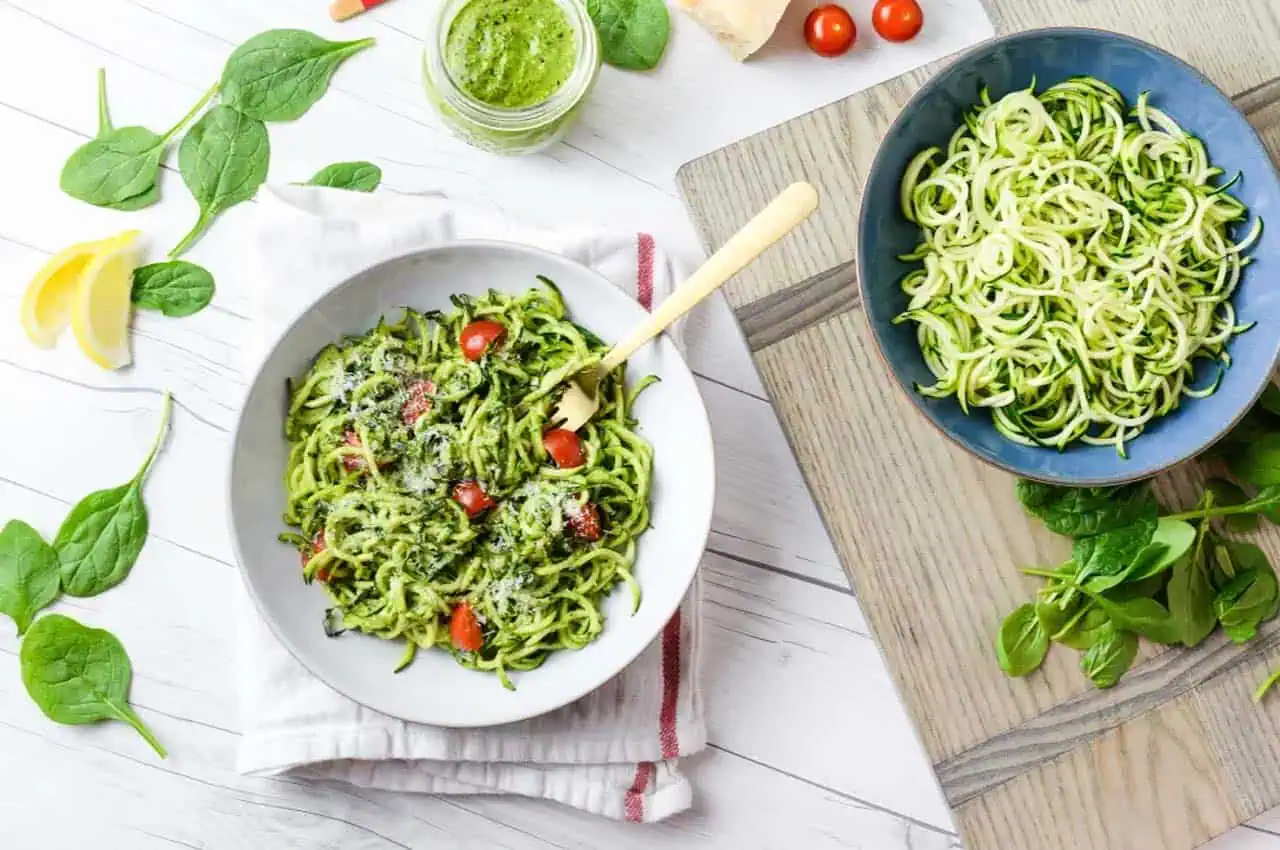
Traditional comfort foods are being revitalized with a focus on health-conscious ingredients. By substituting lighter options or incorporating nutrient-rich elements, these dishes maintain their soothing essence while promoting wellness. Classic pasta dishes benefit from vegetable-based alternatives like zucchini noodles or chickpea pasta, offering familiar flavors without excess carbohydrates. Balance remains crucial; add flavor and body using homemade broths or fresh herbs, ensuring that each mouthful remains both comforting and nourishing.
Get the recipe: Spinach Basil Pesto Zucchini Noodles
Tech-Driven Custom Nutrition Trends

Advancements in technology have paved the way for personalized nutrition, allowing individuals to tailor their diets with precision. Devices that analyze biometric data can suggest nutrients specific to your body’s needs, enhancing vitality and health. With the rise of apps that offer meal plans based on genetic information, personal nutrition becomes streamlined and efficient. These tools guide home cooks in selecting ingredients that align with their unique health goals, emphasizing fresh produce, lean proteins, and whole grains tailored for optimal benefit.
