
Americans Are Sharing Food Habits They Thought Were Normal (Until the Rest of the World Disagreed)
Many Americans grow up assuming certain food habits are simply how eating works everywhere, only to discover otherwise when traveling or talking to people from other countries. Social media and global conversations have made these cultural gaps more visible, turning once-invisible habits into surprising points of debate. From portion sizes to mealtime timing, these routines feel natural within the U.S. but often seem confusing or excessive elsewhere. As Americans share these moments online, they reveal how deeply culture shapes what feels normal at the table.
Drinking Iced Beverages Year-Round
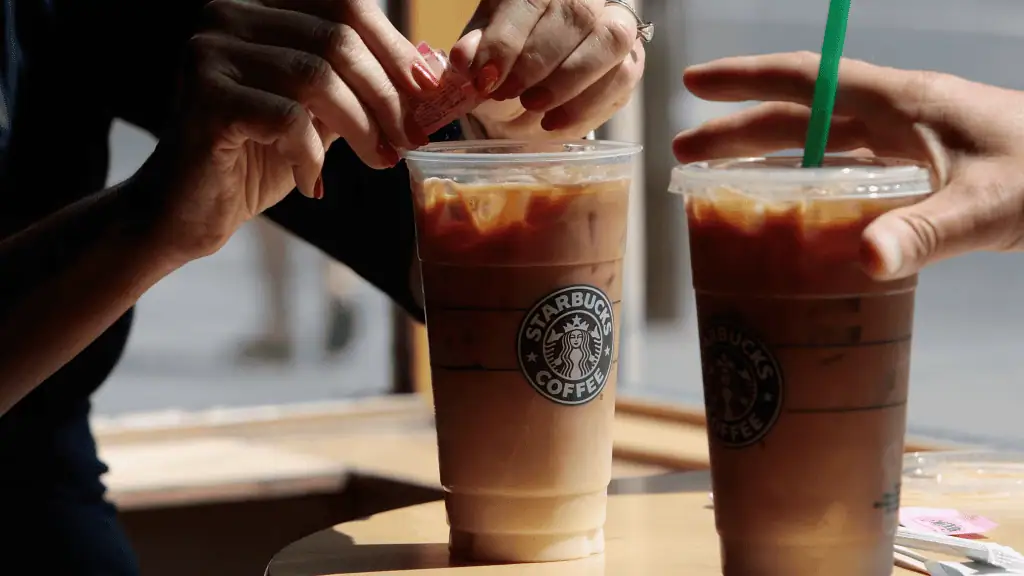
Americans often drink iced beverages regardless of the weather, ordering cold drinks even in winter. In many other countries, cold drinks are reserved for warm seasons or avoided entirely due to digestive beliefs. Visitors are often surprised by ice-filled glasses being the default rather than an option. What feels refreshing and standard in the U.S. can seem uncomfortable or unnecessary elsewhere, highlighting how climate, tradition, and habit influence beverage norms.
Eating While Walking or Driving

Eating meals on the go is widely accepted in the U.S., whether behind the wheel or while walking down the street. In many cultures, eating is treated as an activity that requires sitting and focus. Watching Americans consume full meals while commuting can appear rushed or disrespectful to food itself. This difference reflects how American schedules prioritize efficiency, while other cultures emphasize mealtime as a pause rather than a task.
Massive Portion Sizes
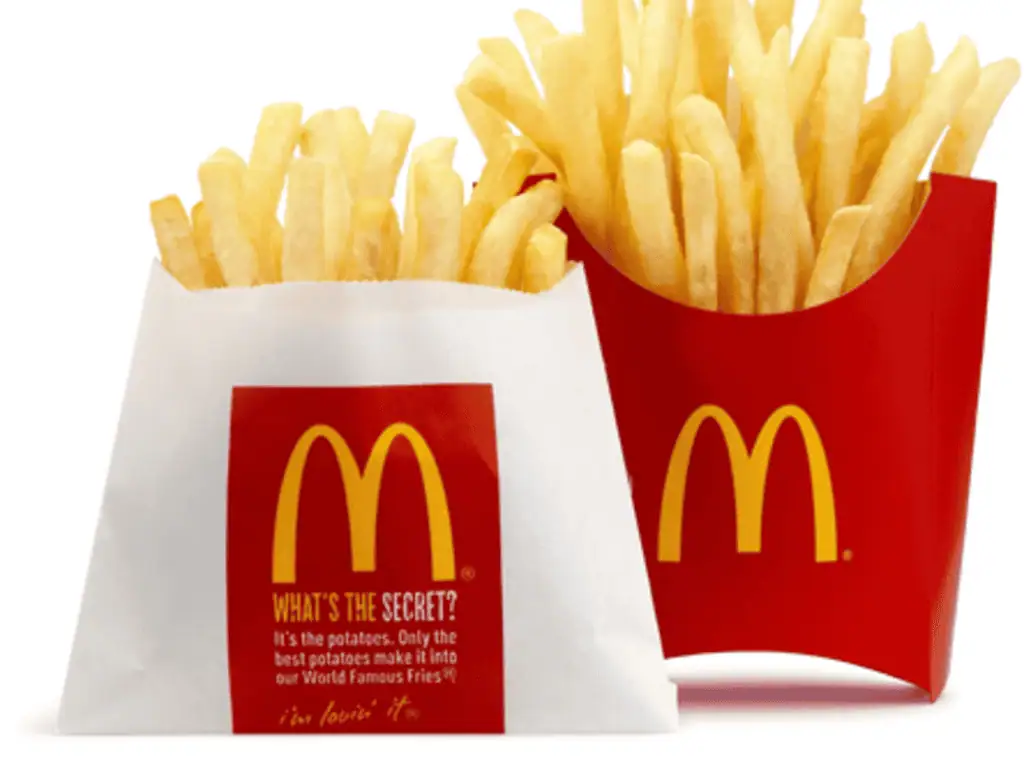
Large portion sizes are one of the most commonly cited American food shocks. Meals often arrive with enough food for multiple people, making leftovers normal rather than exceptional. In other countries, portions are smaller and designed to be finished in one sitting. What Americans see as value, others view as excessive. This contrast often sparks conversations about health, waste, and how restaurants define generosity.
Sweetness in Savory Foods
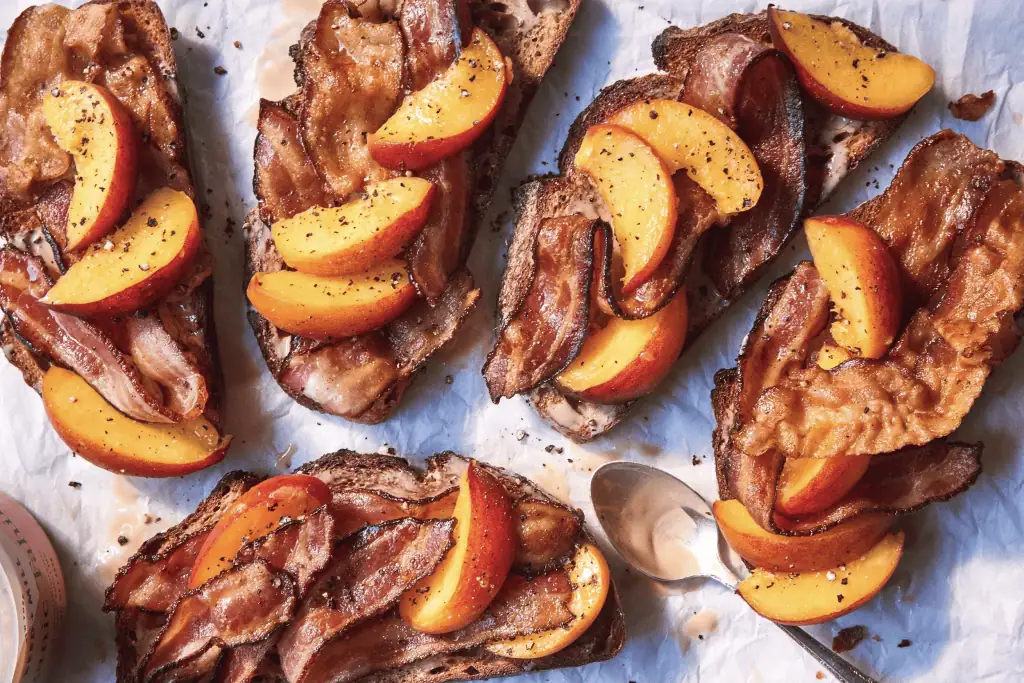
Many American foods contain added sugar in places where other cultures would not expect it. Bread, sauces, and even savory dishes often carry noticeable sweetness. Travelers frequently remark on how sweet everyday foods taste compared to versions back home. For Americans, this flavor balance feels normal, but internationally it can feel overpowering, revealing how taste preferences are shaped early and reinforced over time.
Drinking Tap Water Automatically

In the U.S., ordering tap water at restaurants is common and often free. In many countries, bottled water is the default, and tap water may not be routinely served. Americans are sometimes surprised when asked to pay for water or clarify their request. This habit reflects infrastructure trust and cultural expectations around hospitality that don’t translate universally.
Refrigerating Eggs
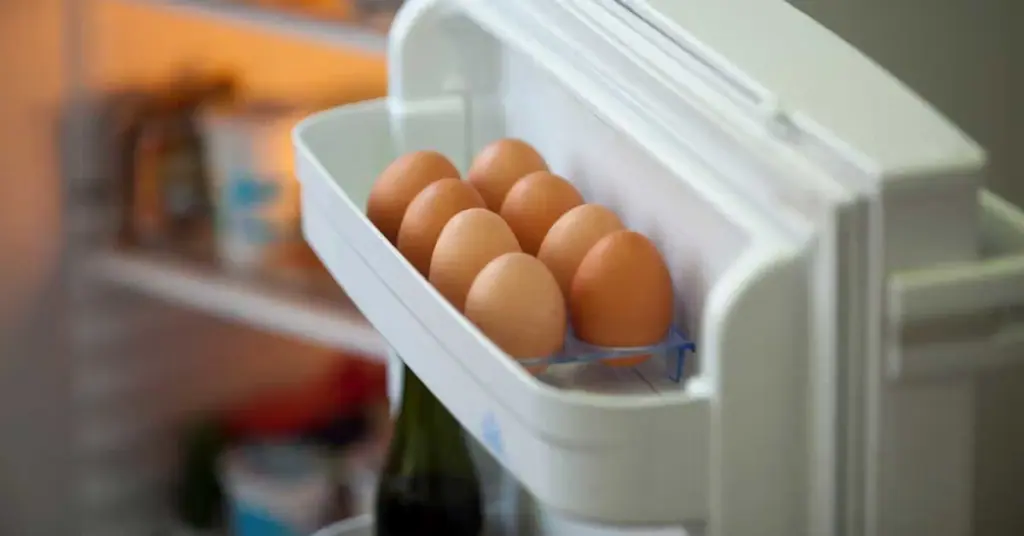
Americans refrigerate eggs by default, while many countries store them at room temperature. This difference stems from food safety regulations rather than preference, but it often surprises travelers on both sides. Seeing eggs unrefrigerated can feel unsafe to Americans, while refrigeration feels unnecessary elsewhere. The habit highlights how regulation shapes everyday food behavior in subtle but lasting ways.
Drinking Coffee All Day

Coffee consumption throughout the day is common in the U.S., including large servings taken to go. In some cultures, coffee is smaller, stronger, and tied to specific moments rather than constant sipping. Seeing Americans carry oversized cups for hours can seem excessive. The habit reflects how caffeine is woven into American productivity culture rather than treated as a ritual.
Snacking Constantly Between Meals

Americans often snack between meals without much thought, treating food as something to consume whenever hunger appears. In many cultures, eating is structured around defined meals with little in between. Constant snacking can seem unnecessary or disruptive to traditional meal patterns. This habit reflects how American food availability and work schedules encourage grazing rather than formal eating times.
